
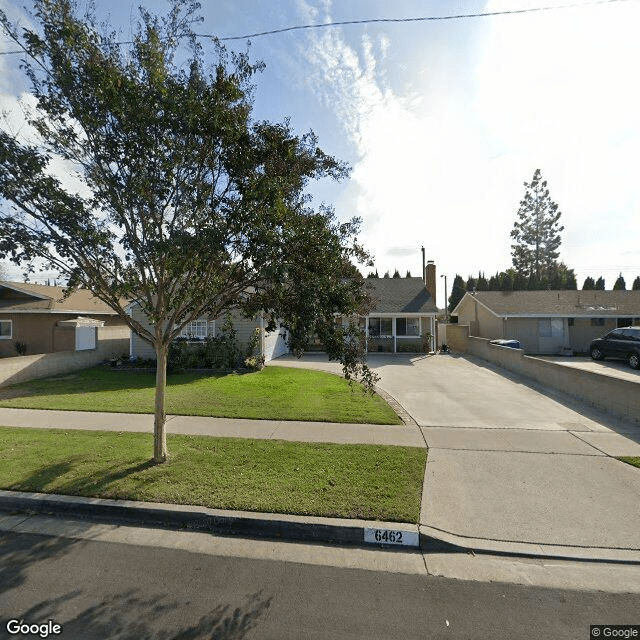
6462 Ferne Avenue, Cypress, CA 90630
For more information about senior living options: (866) 208-4318
Victoria Residential Care Costs & Pricing
Victoria Residential Care offers competitive pricing for its accommodations compared to both Orange County and the broader California landscape. For a semi-private room, residents can expect to pay $3,000 per month, which is notably more affordable than the county average of $3,431 and slightly lower than the state average of $3,333. In terms of private rooms, Victoria's rate stands at $4,500 per month; while this is higher than both Orange County's average of $4,104 and California's average of $3,939, it reflects the premium services and personalized care that residents receive at this facility. Overall, Victoria Residential Care provides a valuable option for those seeking quality residential care within a comprehensive pricing framework.
| Floor plans | Victoria Residential Care | Orange County | California |
|---|---|---|---|
| Semi-Private | $3,000 | $3,431 | $3,333 |
| Private | $4,500 | $4,104 | $3,939 |
Assisted Living communities with a similar price nearby
-
from +$500 / mo

Kind Heart Home Care VI
$3,500 to $5,000 / month16.6 miles away -
from +$500 / mo
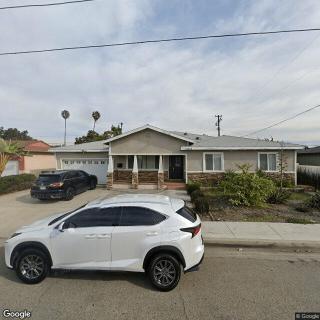
Loving Home Care
$3,500 to $4,500 / month3.0 miles away -
from +$300 / mo

Bella Manor II
$3,300 to $4,290 / month3.6 miles away -
from -$200 / mo
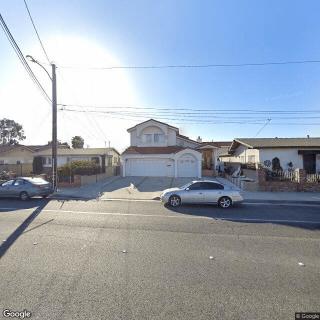
Leah Loving Elderly Care
$2,800 to $3,000 / month7.9 miles away -
from -$300 / mo
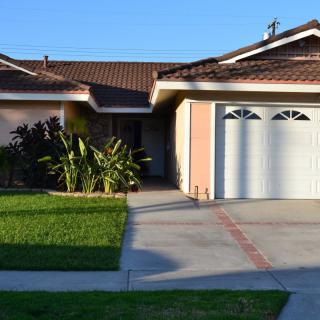
Loving Care Senior Home
$2,700 to $3,500 / month8.4 miles away
Overall Review of Victoria Residential Care
Pros
 The facility is a good fit for less active residents.
- Caregivers are awesome, kind, and caring.
- They go out of their way to make residents comfortable.
- The house is set up to feel like home.
- Victoria Residential Care is highly recommended.
- The house is very clean, with a nice, safe shower and on-site caregivers.
- Alarms on doors add safety and peace of mind.
- The environment is caring and professional.
Cons
 They felt the facility wasn't a good fit for their loved one.
- They believed it was probably better suited for someone with severe dementia or Alzheimer's.
- They noted there was very minimal entertainment.
- They said it wasn't quite what they were looking for.
- They indicated it wasn't what they needed.
Review
Victoria Residential Care in Cypress is best suited for seniors who are largely sedentary and need dependable help with daily tasks, all within a warm, home-like setting. The on-site caregiving team stands out for kindness, attentiveness, and a practical focus on comfort, which translates into consistently positive experiences for residents and their families. The house layout, décor, and common spaces are arranged to feel like a single-family home rather than a sterile institution, contributing to a sense of security and belonging. This is the kind of environment where staff know routines, personalize care, and keep close watch on safety. Families with highly active loved ones or those seeking robust, varied programming should consider alternatives that emphasize stimulation and independence.
Caregivers live on site, alarms are in place on doors, and the emphasis on safety is palpable. In multiple accounts, the staff are described as incredibly caring and professional, going out of their way to ease transitions and to ensure residents are comfortable, even when medical issues arise. The home setting supports a gentle pace: shared spaces like a large living area, a yard, and recliners create opportunities for relaxed visits and familiar routines. For relatives, seeing the environment and the people who interact with their loved one yields palpable reassurance that daily needs, from meals to medications to personal care, receive steady attention.
Yet the trade-off is clear: programming tends to be minimal, with limited options for social engagement or structured activities. Several reviewers note that the site feels suited more toward supervision and safety than ongoing activity or entertainment, which can leave more active seniors feeling under-stimulated. The suggestion that the community may be especially appropriate for residents with severe dementia or Alzheimer’s underscores this emphasis on care over celebration. Additionally, the possibility of shared rooms means less privacy, which may matter to families accustomed to private accommodations or residents who thrive on personal space.
Despite the caveats, the positive experiences are compelling. Families repeatedly describe a welcoming arrival experience, warmth from the staff, and a culture of professionalism that provides relief during a stressful transition. One family highlights a grandmother who was welcomed with warmth, and another notes that the environment is clean, cheerful, and comfortable. The recurring message across reviews is not merely satisfaction, but trust, residents appear well cared for, and relatives feel confident in the ongoing attentiveness of caregivers, even through hospital visits or changes in health.
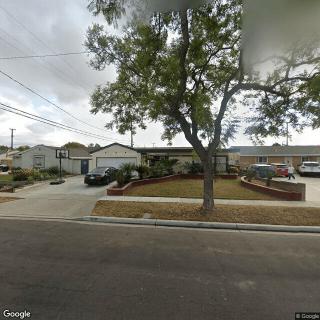
Physical space reinforces the practical focus. The facility offers a homey feel punctuated by a yard, a spacious living area, and accessible amenities like a large-screen TV and comfortable recliners. The shared-room setup is a functional detail that supports affordability and routine but also signals a trade-off for privacy. Light touches, clean rooms, orderly common areas, and a layout designed for easy navigation, aid in day-to-day living, especially for residents who require daily assistance and supervision. For families weighing options, these tangible cues matter as much as staff credentials.
Decision guidance is straightforward: Victoria Residential Care excels for families seeking a calm, emotionally supportive, and safety-forward home for a less active senior who benefits from consistent caregiving and a homelike atmosphere. It is less well suited for those who want vibrant activity calendars, private accommodations, or independence with minimal daily assistance. Pros offset major cons for its niche by delivering reliable warmth and care; for others, a visit to compare activity schedules, room options, and dementia-care readiness will be essential. In short, it’s a strong match when the priority is security, kindness, and comfort over bells and whistles.
 6 resident community capacity
 Assisted Living
 Board and Care Home
 Cable or satellite TV
 Dining room
 Fully furnished
 Garden
 Housekeeping services
 Move-in coordination
 Outdoor space
 Private
 Telephone
 Wi-Fi/high-speed internet available
 Long Beach (Daugherty) (8 miles away)
 24-hour supervision
 Activities of daily living assistance
 Ambulatory care
 Assistance with bathing
 Assistance with dressing
 Assistance with transfers
 Diabetes diet
 Diabetic care
 Incontinence care
 Meal preparation and service
 Medication management
 Special dietary restrictions
 Transportation arrangement (medical)
 Transportation to doctors appointments




 Social Security Benefits and Assisted Living: Navigating Options Across the U.S.
 An Extensive Exploration of the VA Aid and Attendance Benefit
 Senior Transition Services: Understanding Their Role, Cost, and Importance