
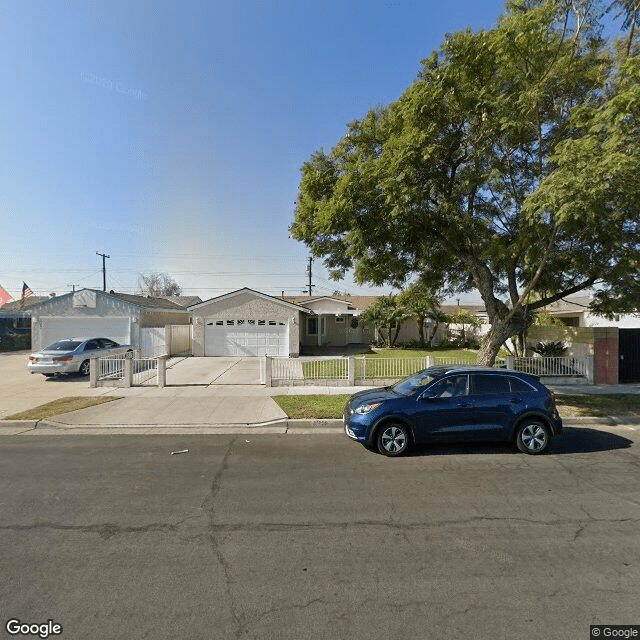
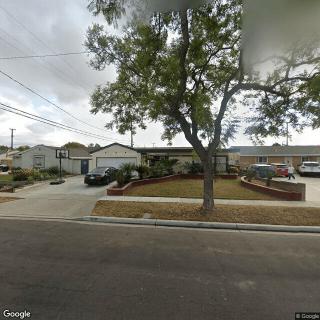
10269 Claudia Avenue, Buena Park, CA 90620
To contact a resident: (714) 326-6636
For more information about senior living options: (866) 208-4318
St. Therese Residental Care II Costs & Pricing
St. Therese Residential Care II offers competitive pricing for its services in comparison to the broader market within Orange County and California. The facility charges $3,000 per month for a semi-private room, which is noticeably lower than the county average of $3,431 and slightly less than the state average of $3,333. For those seeking more privacy, the cost for a private room at St. Therese is set at $3,800, again presenting a favorable option when compared to Orange County's average of $4,104 and California's average of $3,939. These pricing structures highlight St. Therese Residential Care II as an appealing choice for families seeking quality care with value in mind.
| Floor plans | St. Therese Residental Care II | Orange County | California |
|---|---|---|---|
| Semi-Private | $3,000 | $3,431 | $3,333 |
| Private | $3,800 | $4,104 | $3,939 |
Overall Review of St. Therese Residental Care II
Pros
 The place is nice.
- It offers home-cooked meals and live-in caregivers.
- It has a large living area with recliners.
Cons
 There isn't much yard.
Review
St. Therese Residential Care II in Buena Park is best suited for seniors who want a warm, home-like environment with steady, live-in caregiving and meals prepared on site. The setting prioritizes comfort and a intimate, predictable routine over the bustle of a larger campus. Residents who value a roomy living area with recliners and quiet social time will feel at ease here. The notable trade-off is outdoor space: there is not much yard, which matters to those who prize regular outdoor time, gardening, or easy, sunlit strolls. For someone who no longer requires intensive skilled nursing but wants constant companionship and help with daily tasks, this community hits the mark.
Those weighing alternatives should also consider whether outdoor access and a broader program of activities are essential. If a family is seeking more expansive outdoor amenities, frequent group outings, or a facility with a larger, more diverse care team and memory-care options, this location may not be the best fit. Prospective residents who place a high premium on organized programming, diverse enrichment opportunities, or robust on-site clinical oversight may find other communities better aligned with those expectations.
The strongest selling points here are the home-cooked meals and the live-in caregiving model. Home-cooked fare supports comfort, nutrition, and a sense of being cared for in a domestic setting, which can be a meaningful reassurance for residents and their families. The presence of live-in caregivers offers uninterrupted attention, reduces the disruptions common with rotating staff, and makes daily routines smoother. A large living area with comfortable recliners supports relaxed social time, easy supervision for visitors, and a sense of shared living without feeling crowded. Taken together, these elements cultivate a steady, predictable daily life that many families find reassuring.
However, the limited outdoor space is a tangible drawback that can constrain daily activity and sunlight exposure. For residents who value regular outdoor time, fresh air, or light physical activity outside the four walls, this aspect may erode overall satisfaction over time. The absence of a sizable yard can also limit opportunities for outdoor hobbies, casual conversations on a veranda, or easy, year-round access to outdoor experiences. The caregiving model, while a clear strength, can also mean relying heavily on the on-site caregiver for continuity; families should confirm how relief coverage works and how consistent attention is maintained during longer days or after hours.
Families evaluating this community should come with a practical checklist. Inquire how the live-in arrangement translates to daily scheduling: is there a single caregiver on duty, or a rotating pattern that could introduce variability? Seek specifics on meal planning, dietary accommodations, and the flexibility to tailor menus to personal preferences. Ask about daily routines, opportunities for social interaction beyond the living room, safety features throughout common spaces, and how outdoor time is managed given the small yard. Finally, request references and the chance to speak with current residents or their families to verify consistency of care, responsiveness of staff, and overall satisfaction beyond the surface impression.
Overall, this community offers a compelling blend of personal, home-style care with a spacious indoor social environment. It is especially well-suited for seniors who prioritize uninterrupted companionship, predictable routines, and home-cooked meals over expansive outdoor spaces or a highly programmed activity calendar. For families where those priorities align with a loved one’s needs, a tour is strongly advised, and comparisons with alternatives should emphasize outdoor access, programming depth, and clinical oversight. Proceed decisively once a clear fit is identified: observe interactions in common spaces, verify the reliability of caregiving, and ensure that the financial terms match expectations and long-term plans.
 6 resident community capacity
 Assisted Living
 Board and Care Home
 Memory Care
 Activities on-site
 Beautician on-site
 Cable or satellite TV
 Dining room
 Fully furnished
 Garden
 Housekeeping services
 Move-in coordination
 Outdoor space
 Private
 Private bathrooms
 Telephone
 Wheelchair accessible showers
 Wi-Fi/high-speed internet available
 Long Beach (Daugherty) (7 miles away)
 24-hour supervision
 Ambulatory care
 Assistance with bathing
 Assistance with dressing
 Assistance with transfers
 Diabetes diet
 Diabetic care
 High acuity care
 Incontinence care
 Meal preparation and service
 Medication management
 Special dietary restrictions
 Transportation arrangement (medical)
 Transportation to doctors appointments


 Understanding Dementia Through Its Seven Stages: A Comprehensive Look at Progression and Expectations
 A Holistic Dementia Care Guide: Effective Strategies for Memory Support
 Comprehensive Insights into Activities of Daily Living (ADLs) and Their Assessment