











1445 Parkway Drive, Crescent City, CA 95531
For more information about senior living options: (866) 208-4318

Addie Meedom House Costs & Pricing
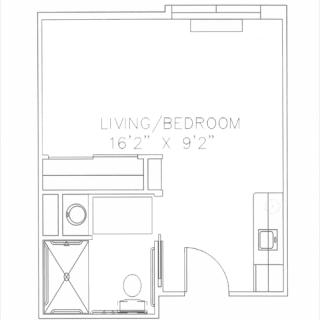
At Addie Meedom House, the monthly costs for accommodations reflect a competitive pricing structure in comparison to both Del Norte County and the broader California market. For instance, the studio apartments are priced at $4,020, matching local county rates while remaining slightly lower than the state average of $4,145. One-bedroom units are similarly set at $4,430 - consistent with county costs but still presenting a slight advantage over the state average of $4,340. Conversely, the semi-private rooms stand out with a price point of $5,415; although this aligns with local rates in Del Norte County, it is notably higher than California's average of $3,333. Overall, Addie Meedom House offers a range of room types that cater to different preferences while maintaining competitive pricing within its immediate area and statewide context.
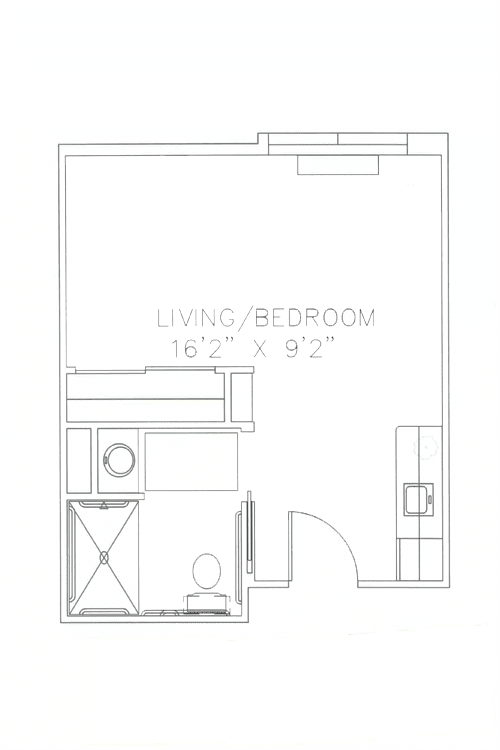
| Floor plans | Addie Meedom House | Del Norte County | California |
|---|---|---|---|
| Studio | $4,020 | $4,020 | $4,145 |
| 1 Bedroom | $4,430 | $4,430 | $4,340 |
| Semi-Private | $5,415 | $5,415 | $3,333 |
Memory care communities with a similar price nearby
-
from -$490 / mo

Monarch Gardens memory Care
$3,530 / month21.1 miles away
Overall Review of Addie Meedom House
Pros
 The staff at Addie Meedom is described as wonderful, and the family appreciated the care.
- The staff is very friendly and informative, and the meals are nutritious and low in sodium and fat.
- The facility is beautiful and clean with wonderful staff, ensuring residents' well-being.
- Families are very happy with the care their loved ones receive.
- The staff are kind, patient, attentive, and caring, and families are treated like members with open communication.
- The facility is a safe and secure place with a caring staff.
- The center is clean and happy, with consistent, friendly staff and regular activities.
- The staff cheerfully help residents with kindness and infinite patience, and residents form friendships.
- Administration and staff are caring and concerned, and they keep families well informed.
- There are always activities and a daily social hour, keeping residents engaged.
Cons
 There are so many staff changes that it is impossible to keep up.
- Quality of living has declined, possibly due to understaffing.
- The toilet in the resident's apartment was filthy and had not been cleaned in a month, which was unacceptable given the cost.
- The manager seemed unaware that the toilet was filthy, raising questions about regular cleaning schedules.
- Management and nursing staff were extremely aggressive toward visitors and would not let them see their loved ones.
- This is a small community and there aren’t a lot of options.
- The residents seemed to be in need of more care than what their loved ones received, making the place feel more like a hospital.
- The price was not ideal for them.
Review
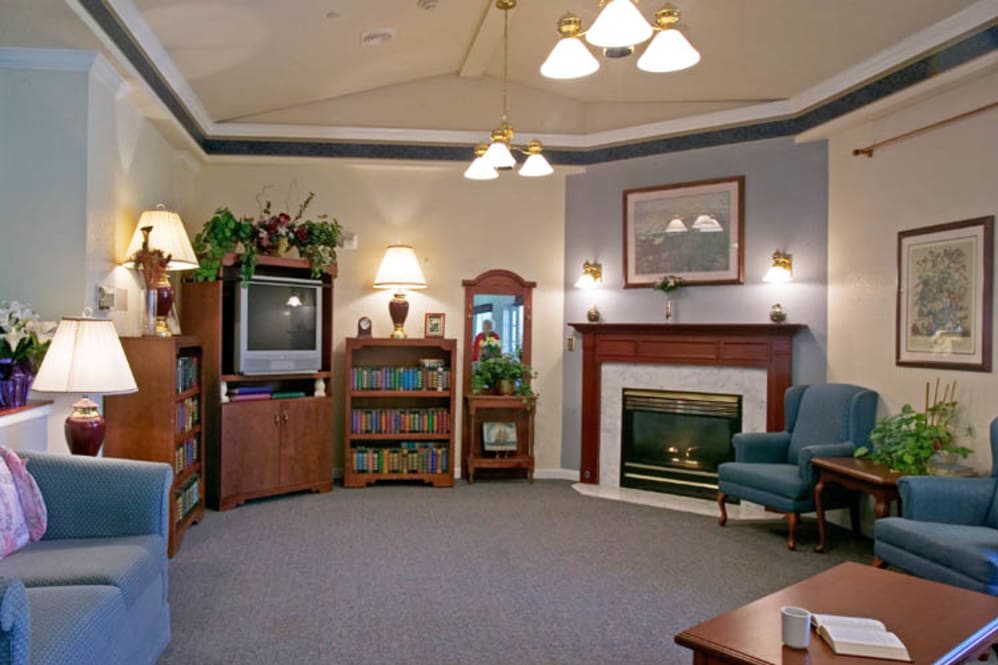
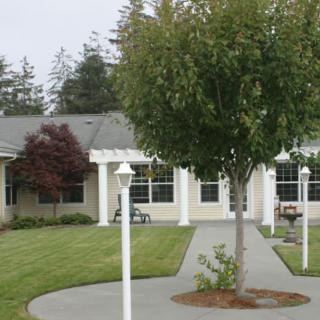
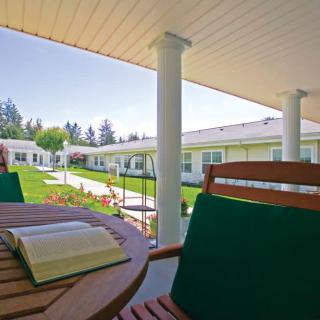
Addie Meedom House in Crescent City, California, is best suited for families seeking a small, home‑like assisted living that prioritizes steady staff relationships, engaging daytime activities, and a nutrition-forward dining program. The community tends to shine for residents who respond well to a close-knit team, predictable routines, and frequent family‑friendly communication. It also has a track record with memory care, where staff familiarity and ongoing engagement help residents with dementia stay connected to their surroundings. In practice, the setting feels intimate rather than institutional, and families often note that the caregiving staff become a reliable part of the resident’s daily life.
Those with higher acuity needs or expectations of a wide menu of services may want to compare alternatives. Some reviewers describe turnover or staffing changes that can disrupt consistency, and a few comments point to moments of inadequate cleanliness or gaps in supervision. A handful of families report friction around visitation and concerns about how medical administration is handled. The community’s small size and location also mean fewer options if specific amenities or specialized programming are critical, and price can be a hard fit for some budgets compared with larger, more expansive options.
On the plus side, staff routinely comes across as welcoming, patient, and communicative, and families repeatedly commend the team for being responsive to concerns. The meals are described as nutrition-focused, with low sodium and fat content, which matters for long-term health. Activity programming is robust by small-community standards, including a daily social hour that reinforces social connectedness. The facility itself is noted for cleanliness and an appealing, home-like environment, and managers like Jennifer receive frequent praise for accessibility and responsiveness. The combination of affectionate care, open lines of communication, and an engaged resident life makes Addie Meedom feel supportive and trustworthy for many families.
Yet several reviews flag challenges that cannot be ignored. Frequent staff turnover or understaffing in a small house can strain consistency and familiarity. Instances of lapses in basic cleanliness, such as an unacceptably dirty toilet, raise legitimate concerns about daily oversight. Some families describe confrontations with management or nursing staff that feel overly aggressive or controlling, including limits on family access and medication-related questions. The sense that the environment sometimes resembles a hospital rather than a warm home surfaces for some, and the size of the community limits the breadth of options if different care approaches are needed. Price is another factor that makes alternatives worth considering for some families.
When the favorable elements line up with a resident’s needs, the pros can substantially offset the cons. The reliable staff relationships, easy family access, clear communication about health issues, and a social, activity-rich calendar create a supportive daily life that many families value deeply. However, for families prioritizing unwavering staffing stability, scrupulous housekeeping, transparent medication workflows, and an expansive array of services, the observed gaps may tilt the decision toward other communities. The key is alignment: if the resident’s care needs fit a smaller, intimate setting and the family can navigate occasional staffing shifts, Addie Meedom can be a prudent choice; if not, alternatives deserve careful comparison.
Families evaluating Addie Meedom should approach with a structured checklist. Schedule time with the management team, request a tour focused on daily routines, and ask for current staffing ratios, housekeeping schedules, and how medications are managed and documented. Inquire about memory-care programming specifics and how transitions between activities are handled for residents with dementia. Confirm what is included in the price and what costs might arise later, and assess proximity to medical providers and family’s ability to visit freely. The community offers genuine warmth and reliable care in a compact, homey package, ideally matched to those who value relationship-based care over scale.
 63 resident community capacity
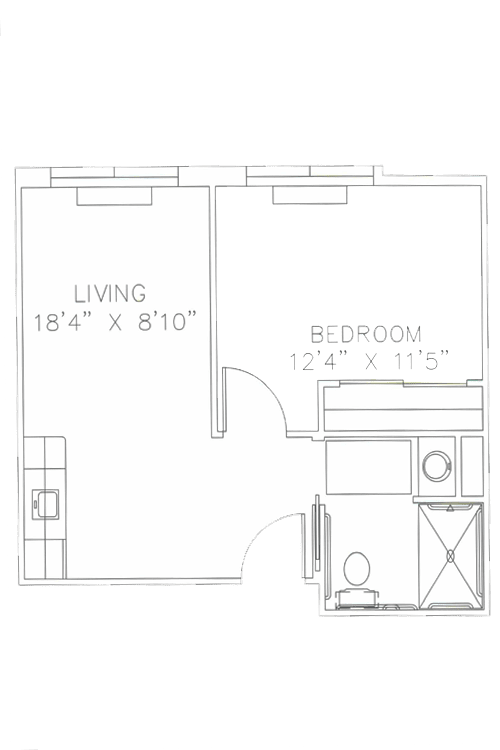
 1-bedroom apartments
 Assisted Living
 Memory Care
 Respite Care
 Cats allowed
 Dogs allowed
 Activities on-site
 Air-conditioning
 Beautician on-site
 Cable or satellite TV
 Cafe
Cafe Computer center
 Devotional services off-site
 Dining room
 Fitness room
 Fully furnished
 Gaming room
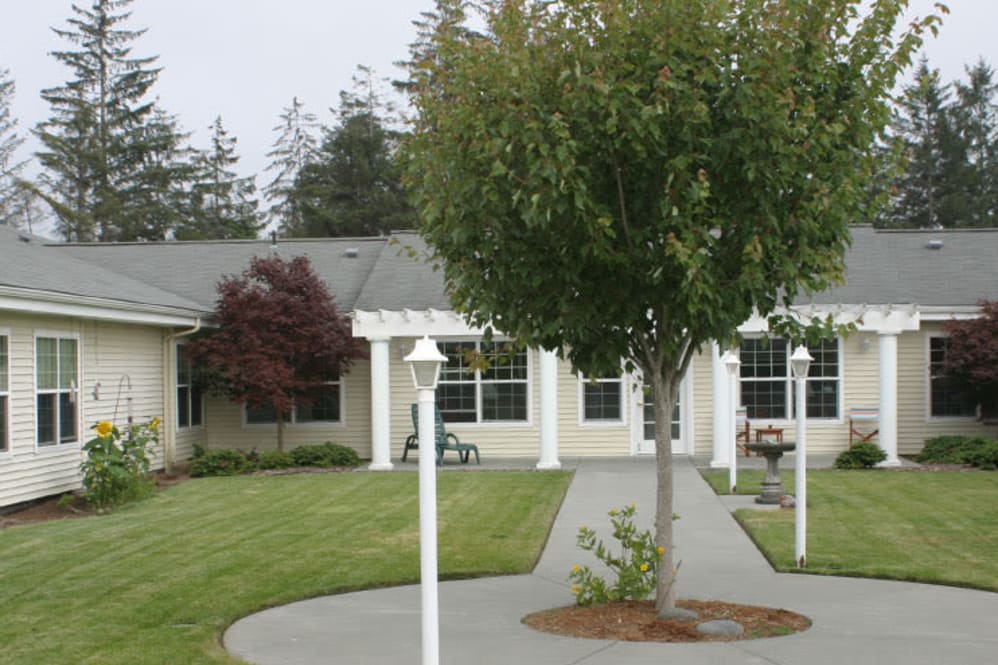
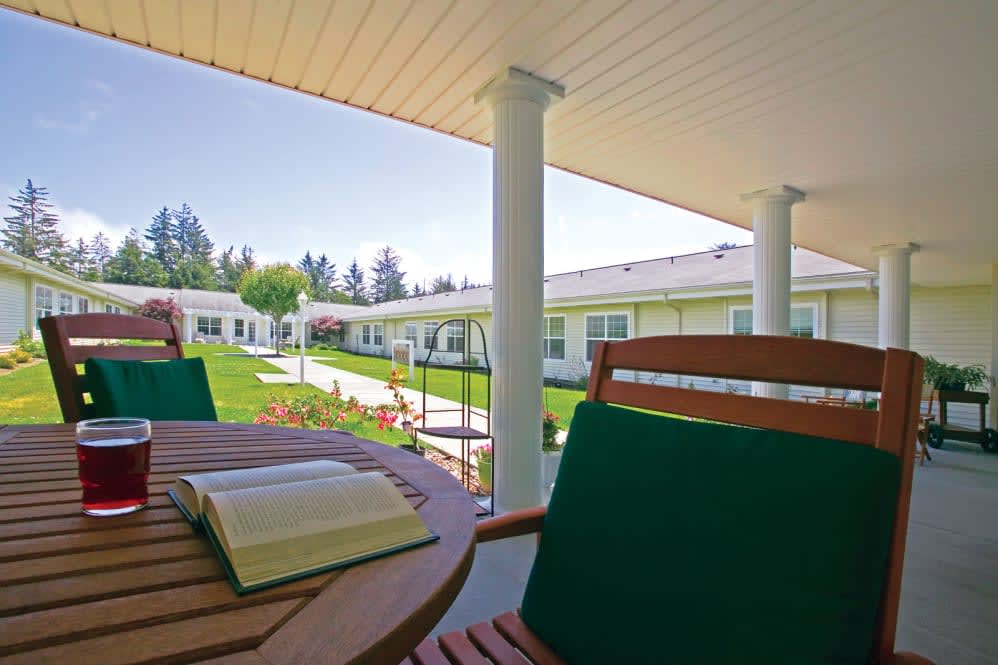
 Garden
 Guest parking
 Housekeeping services
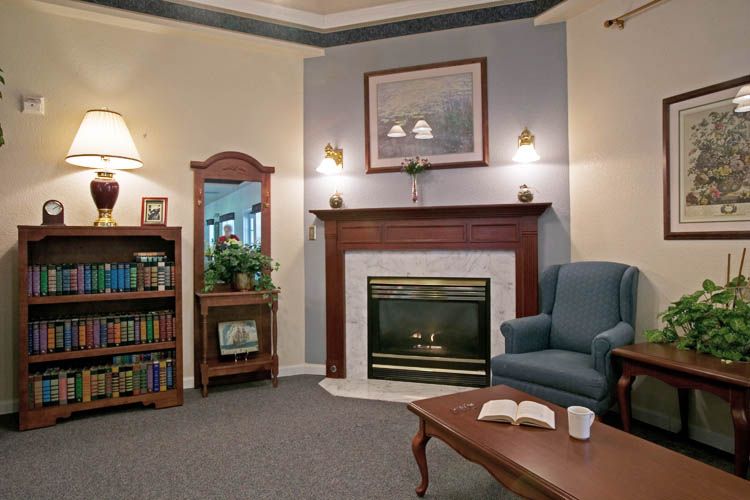
 Indoor common areas
 Kitchenette
 Laundry
 Move-in coordination
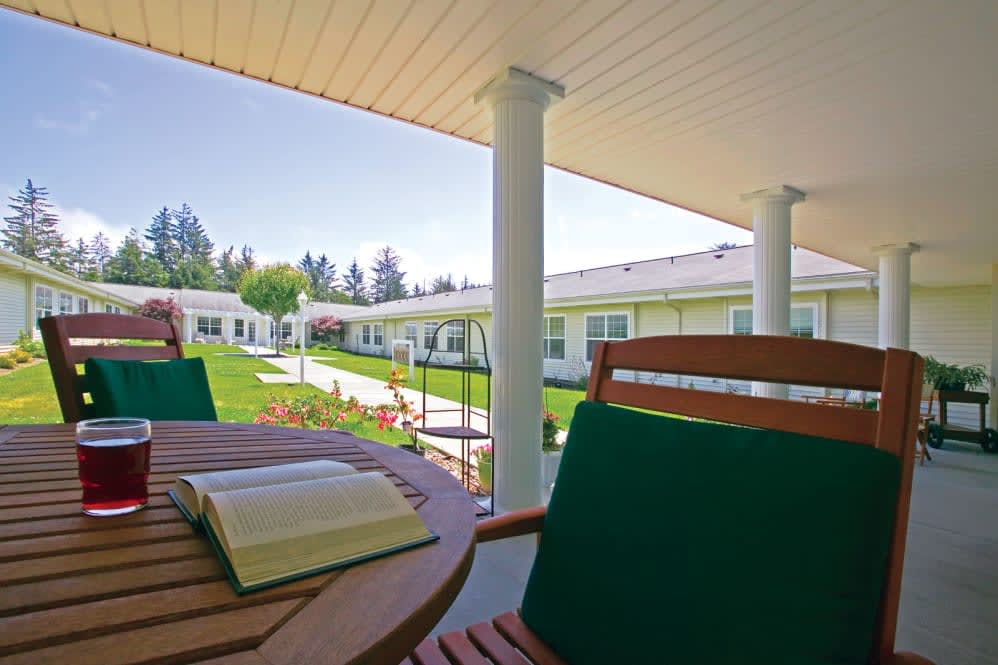
 Outdoor common areas
 Party space
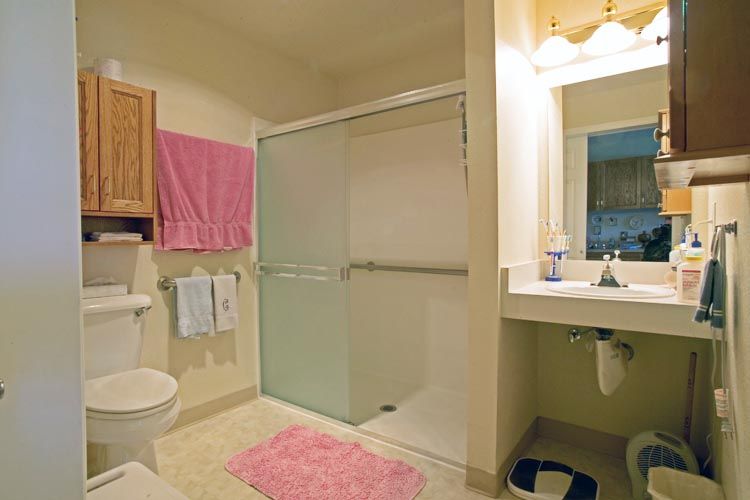
 Private bathrooms
 Restaurant-style dining
 Small library
 Spa
Spa Telephone
 Wheelchair accessible showers
 Wi-Fi/high-speed internet available
 Jack McNamara (3 miles away)
 Community operated transportation
 12-16 hour nursing
 24-hour call system
 Assistance with bathing
 Assistance with dressing
 Assistance with transfers
 Companion care
 Diabetes diet
 Diabetic care
 High acuity care
 Incontinence care
 Medication management
 Mental wellness program
 Special dietary restrictions
 Art classes
 Concierge services
 Cooking classes
 Day trips and outings
 Educational speakers / life long learning
 Games
Games Happy hour
 Live dance or theater performances
 Live musical performances
 Stories
 English




 Why Do Dementia Patients Sleep So Much? Understanding Oversleeping, Stages, and Care Approaches
 8 Key Indicators That Suggest It May Be Time to Transition from Assisted Living to Skilled Nursing Care
 Nourishing the Mind: Essential Dietary Approaches for Dementia