
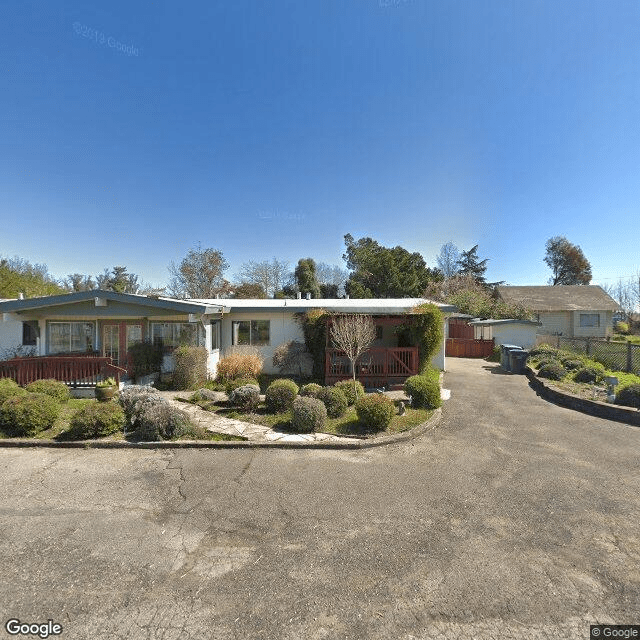
9408 Willow Avenue, Cotati, CA 94931
For more information about senior living options: (866) 208-4318
Overall Review of Sunset House
Pros
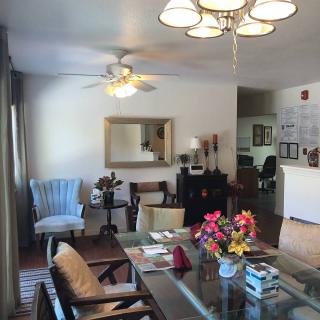
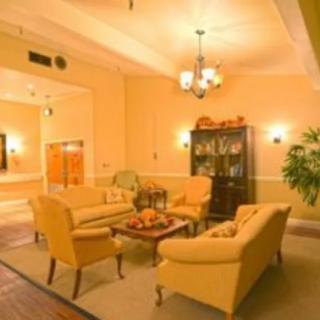
 The communal activity rooms were spacious and furnished with comfortable seating.
- Residents can easily socialize, participate in crafts, play games, watch TV and films, and engage in many stimulating activities.
- Individualized care plans are prepared and can be flexibly adjusted as needed.
- The staff are very friendly, and residents appear happy.
- The common areas are nicely decorated and home-like.
- There are many places for residents to enjoy a variety of activities, from games to reading and watching films.
- Some residents participate in community gardens and educational programs.
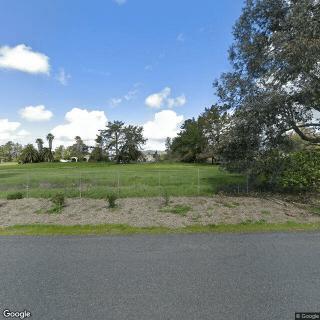
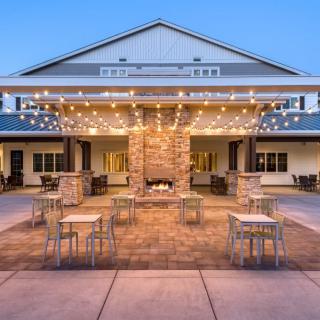
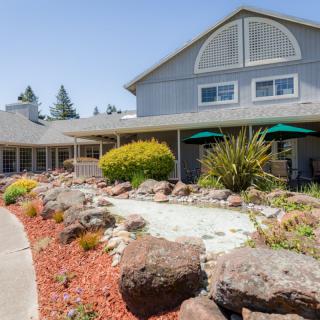
- The grounds are well-tended and provide ample space for residents to spread out and enjoy activities with friends and family.
- The dining areas are warm and friendly, with delicious snacks.
- The facility would be recommended to others seeking a good home for an elderly person.
Review
Sunset House in Cotati, California is best suited for seniors who want a warm, home-like atmosphere with a strong emphasis on daily social engagement and adaptable care. It suits families who prize familiarity and the sense that a loved one can thrive in a neighborhood setting rather than a highly institutional environment. The review notes a preference for surroundings that feel connected to a familiar community, which is especially meaningful for residents who benefit from consistent routines and nearby family or friends. For a loved one with early memory challenges, the environment aims to be comforting, reassuring caregivers are visible, and everyday life emphasizes livability over formality. In short, this is a practical pick for those prioritizing comfort, social activity, and flexible support in a relaxed, approachable setting.
The positives are anchored in an inviting, activity-rich everyday life. Communal rooms offer ample space for socializing, crafting, games, and screenings, which helps residents stay mentally and socially engaged. The facility also supports a broad array of activities, from reading groups to educational programs and community gardens, ensuring there are meaningful options for varied interests and energy levels. The grounds are well tended, with plentiful outdoor seating and spots to enjoy time with visitors, while dining is described as warm, with snacks that look appetizing and taste good. Private rooms balance privacy with a homelike feel, featuring generous space, natural light, and fresh air, elements that reinforce a sense of dignity and personal control for residents.
The care model stands out for its flexibility and person-centered orientation. A core strength is the ability to tailor care plans to evolving needs and to adjust the level of care as circumstances change, which is particularly valuable for a resident with early dementia who may transition through different support requirements over time. Friendly staff and a generally happy resident community further amplify the sense that care is responsive and relationship-driven rather than transactional. When care is customized and staff are attentive, the risk of frustration or isolation diminishes, and daily life can feel predictable yet responsive to individual preferences. These strengths collectively offset the absence of a rigid, one-size-fits-all approach.
However, some families will want to consider alternatives, especially if dementia-specific programming or clinical resources are a primary criterion. The available information comes from a single review, so broader confirmation of staffing ratios, memory-care capabilities, and long-term outcomes is prudent. For seniors who require more intensive, specialized dementia care, or who seek a campus with a larger clinical footprint, other communities may offer clearer dementia protocols, more structured therapeutic activities, or on-site medical personnel with extensive geriatric expertise. Cost, availability, and wait times are also important unknowns that can influence choice.
Day-to-day life at Sunset House appears to prioritize social connectedness, comfortable living spaces, and an inviting dining culture. Residents have easy access to activity rooms, gardens, and outdoor seating, which supports both independent living and supervised engagement. The emphasis on fresh-air exposure, natural light, and well-appointed common areas helps sustain mood and motivation, while the flexible care model guards against the sense of helplessness that can accompany rigid caregiving schedules. For families in the Cotati area weighing options, Sunset House offers a credible, practical blend of hominess, activity diversity, and adaptable support that can deliver meaningful quality-of-life benefits when alignment with priorities is strong.
Overall, Sunset House stands as a solid, tangible option for families seeking a compassionate, home-forward environment with flexible care and a lively social calendar. It is particularly compelling for residents who value a warm setting, easy social access, and the ability to scale support as needs change, all within a familiar neighborhood feel. Those who prioritize highly structured memory-specific programming, intensive clinical oversight, or a larger, more campus-like footprint may want to compare alternatives. A thoughtful visit, concentrating on staff-resident interactions, the realism of care plans, and the pace of daily activities, will help determine whether Sunset Housereally fits the care goals, preferences, and budget of the prospective resident.
 9 resident community capacity
 Assisted Living
 Board and Care Home
 Memory Care
 Cable or satellite TV
 Dining room
 Fully furnished
 Garden
 Housekeeping services
 Move-in coordination
 Outdoor space
 Telephone
 Wi-Fi/high-speed internet available
 24-hour supervision
 Activities of daily living assistance
 Assistance with bathing
 Assistance with dressing
 Assistance with transfers
 Diabetes diet
 Meal preparation and service
 Medication management
 Mental wellness program
 Special dietary restrictions
 Transportation arrangement (medical)
 Transportation to doctors appointments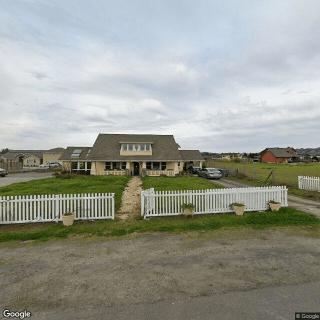

 Understanding Dementia Through Its Seven Stages: A Comprehensive Look at Progression and Expectations
 A Holistic Dementia Care Guide: Effective Strategies for Memory Support
 Comprehensive Insights into Activities of Daily Living (ADLs) and Their Assessment