For more information about senior living options: (866) 208-4318
4.5 from 47 reviews
5 stars
38
4 stars
3
3 stars
1
2 stars
3
1 stars
2
Overall Review of ResCare
common30 reviews mention this
Compassionate care stands out
Residents and families repeatedly describe the team as compassionate and caring.
Many reviewers emphasize kindness, compassion, and respect during a difficult time. Several mention nurses who feel calm and patient, along with staff who treat them as people rather than numbers. A number of reviews also describe staff members going out of their way to reduce stress and provide emotional support to both the patient and family.
common16 reviews mention this
Responsive, available support
Families value fast help and availability when questions come up.
Across multiple reviews, people describe the hospice team as reachable and responsive, including during evening hours. Reviewers also describe regular check-ins by different roles, with phone calls and visits that help them feel supported. Some families specifically mention being able to get their needs addressed promptly, while others call out the staff’s ability to walk them through what to expect.
common10 reviews mention this
Care explained and coordinated
Residents and families say the team explains care clearly and handles next steps.
Several reviews highlight that staff provided detailed explanations and answered questions, which reduced anxiety. Families also describe help with practical care needs at home, including equipment support and medication-related guidance. Some reviewers mention a case manager and multiple team members working together so the patient stayed comfortable and the family stayed informed.
caveat4 reviews mention this
Scheduling and consistency concerns
Some reviewers report lapses in timing and consistency of visits.
A recurring negative theme is inconsistency with who shows up and when. One reviewer describes expecting a nurse visit that did not happen, while another says visits felt unorganized and that the care team changed. There are also complaints about certain professional visits not occurring after requests, and some families report not receiving requested items in the expected way.
caveat4 reviews mention this
Communication and follow-through issues
A few families describe problems with follow-up and administrative communication.
While many reviews praise how helpful the team is, a minority report administrative issues and weak follow-through. Complaints include not returning calls for grief counseling and delayed completion of paperwork needed by employers. Other negative notes point to communication problems around records, billing, and meeting obligations, with families describing frustration with how requests were handled.
caveat2 reviews mention this
Pharmacy timing affects comfort
Medication delivery delays are a concern for some families.
At least a couple of reviews mention medication timing problems, including not receiving meds when expected and pain resulting from late delivery. One reviewer also suggests improving the contracted pharmacy to ensure timely medication access.
How we summarize
Counts show how many written reviews mention each theme; a review can touch several themes, and only frequently mentioned themes are displayed.
Features
Transportation
John Wayne Orange Co (1 miles away)
Long Beach (Daugherty) (18 miles away)
Nearby Places of Interest
Restaurants
Dick Church's Restaurant (0.9 miles)
The Capital Grille (1 miles)
Boudin SF (1 miles)
Din Tai Fung (1.1 miles)
Gulliver's Restaurant (1.6 miles)
In-N-Out Burger (1.7 miles)
McDonald's (1.8 miles)
Cafes
Nespresso Boutique at Bloomingdale's (0.9 miles)
Diamond Jamboree Shopping Center (3.2 miles)
Starbucks (3.2 miles)
MoonGoat Coffee Roasters (3.3 miles)
Honor Coffee Roasters (4.7 miles)
Blue Bottle Coffee (4.7 miles)
Northside Cafe (4.9 miles)
Pharmacies
CVS Pharmacy (1.1 miles)
CVS Pharmacy (1.4 miles)
Rite Aid (1.8 miles)
Rite Aid (2 miles)
CVS Pharmacy (2 miles)
Rite Aid (2.2 miles)
CVS Pharmacy (2.5 miles)
Transportation
John Wayne Airport (SNA) (1.4 miles)
Terminal A (1.5 miles)
Parks
William R. Mason Regional Park (3.4 miles)
Bonita Canyon Park (3.9 miles)
Mile Square Regional Park (4.1 miles)
Plaza Park (4.6 miles)
Seeley Park (4.6 miles)
Huntington Central Park (4.7 miles)
Huntington State Beach (5.6 miles)
Theaters
Amc Tustin 14 At The District (3.6 miles)
Physicians
Newport Heart North (4.1 miles)
Newport Orthopedic Institute (4.8 miles)
Hoag Tustin Legacy (4.9 miles)
Hoag Medical Group (4.9 miles)
Kaiser Permenente Tustin Medical Offices (5.8 miles)
The guide details ten essential responsibilities of senior caregivers, including personal care, mobility assistance, medication management, and emotional support, while emphasizing the importance of safety, nutrition, and maintaining a safe living environment to enhance seniors' quality of life and independence.
The article highlights nine memory-boosting activities for seniors that enhance cognitive health and social interaction, including puzzles, trivia quizzes, and storytelling, while emphasizing the importance of adapting these activities to individual preferences to maximize enjoyment and engagement. Consistent mental engagement is linked to improved cognitive function and emotional well-being in older adults.
Medicare provides limited coverage for skilled nursing home care, covering full benefits for the first 20 days and partial benefits up to 100 days under certain conditions, after which families must explore alternative funding options like Medicaid or long-term care insurance to manage potentially high costs. Proactive planning is essential to navigate the complexities of financing ongoing care once Medicare coverage ends.
Get PricingAsk A QuestionSchedule A TourContact Senior Advisor
By clicking submit, you agree to our Partner's Terms of Use. You
also consent to receive calls and texts, which may be autodialed, from our Partner. Your consent is not a condition to
using our Partner's service. Please visit our Partner's Privacy Policy for information about their privacy practices.

 John Wayne Orange Co (1 miles away)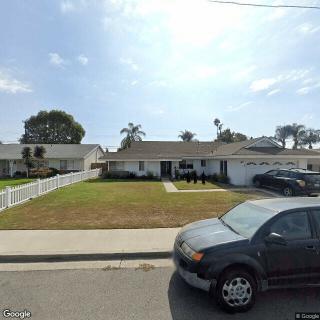
 Memory care specialist with competitive pricing and pet-friendly policy.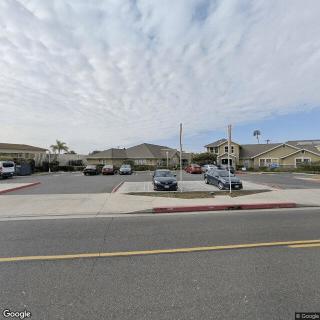



 Ten Vital Duties of a Senior Caregiver: A Comprehensive Guide
 9 Stimulating Memory Activities for Seniors: Puzzles, Cards, and Much More
 Managing Nursing Home Expenses After Medicare Coverage Ends