For more information about senior living options: (866) 208-4318
3.7 from 60 reviews
5 stars
38
4 stars
3
3 stars
1
2 stars
0
1 stars
18
Mesa Verde Residential Care Center Costs & Pricing
Mesa Verde Residential Care Center offers competitive pricing for its residents, with monthly costs tailored to different room types. For semi-private accommodations, the center charges $3,500, which is slightly above the average rates in Orange County ($3,431) and California as a whole ($3,333). However, when it comes to private rooms, Mesa Verde's rate of $5,000 stands out more significantly against the backdrop of both local and state averages - $4,104 in Orange County and $3,939 across California. This pricing structure reflects not only the quality of care provided but also the unique amenities and services that Mesa Verde strives to offer its residents.
Floor plans
Mesa Verde Residential Care Center
Orange County
California
Semi-Private
$3,500
$3,431
$3,333
Private
$5,000
$4,104
$3,939
Skilled Nursing Facilities with a similar price nearby
Overall Review of Mesa Verde Residential Care Center
differentiator7 reviews mention this
Diet-focused meals stand out
Meals feel tailored to residents’ dietary needs.
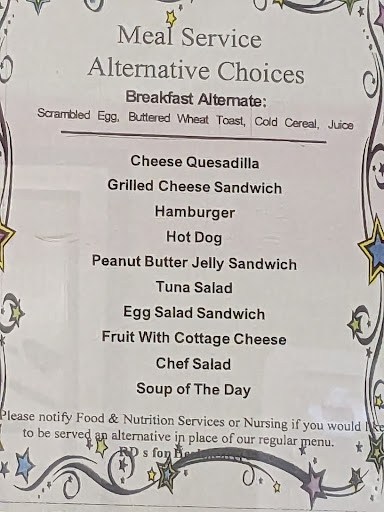
Multiple residents mention that food is adjusted to medical or specific dietary requirements, and they describe meals as flexible and satisfying. One reviewer calls it the best food they have had in a facility, and another highlights ongoing support for diet restrictions and preferences. A reviewer also notes that when they ask for alternatives ahead of time, the food improves for them, while some critical reviews still report inconsistent meal service and quality.
common20 reviews mention this
Staff are repeatedly described as caring
Residents frequently describe staff as attentive and respectful.
Across many reviews, residents and families say staff are welcoming, professional, and responsive to day-to-day needs. Several point to attentive care for bathing, medical needs, and general support, and others praise how the staff treat both residents and visitors with respect. Even among more critical experiences, residents still mention individual caregivers who stand out positively, while the overall tone varies by review.
common3 reviews mention this
Activities support is mixed
Activity opportunities appear inconsistent for residents.
The community is positioned as having scheduled, community-sponsored activity programming, and some reviews describe opportunities for activities in the facility. At least one resident, however, says activities or rehab-related options were not available during their stay. Another review describes the space as suitable for activities, suggesting the experience may depend on timing and individual plans.
caveat6 reviews mention this
Response times and communication draw complaints
Some residents report slow response and poor communication.
Several negative reviews describe long wait times for caregivers to respond in rooms and to help with basic needs, including CNAs and nursing support. Other complaints focus on inconsistent follow-through, such as delays getting to appointments or problems with medication timing. One detailed review also links these issues to broader staffing and process concerns, while other residents describe the opposite experience—faster support and improved responsiveness.
caveat3 reviews mention this
Cleanliness is questioned in some reviews
A subset of reviews describe cleanliness problems.
While some families mention the building as clean and well-kept, other residents describe an opposite experience. Negative comments include reports of unpleasant conditions in hallways and dirty-looking areas in the facility. Taken together, cleanliness satisfaction appears uneven across stays.
How we summarize
Counts show how many written reviews mention each theme; a review can touch several themes, and only frequently mentioned themes are displayed.
Features
Housing
12 resident community capacity
Types of Care
Assisted Living
Board and Care Home
Respite Care
Skilled Nursing Facility
Amenities
Cable or satellite TV
Dining room
Fully furnished
Garden
Housekeeping services
Move-in coordination
Outdoor space
Telephone
Wi-Fi/high-speed internet available
Transportation
John Wayne Orange Co (4 miles away)
Long Beach (Daugherty) (18 miles away)
Care Services
24-hour supervision
Activities of daily living assistance
Assistance with bathing
Assistance with dressing
Assistance with transfers
Coordination with health care providers
Diabetes diet
Meal preparation and service
Medication management
Special dietary restrictions
Transportation arrangement (medical)
Transportation to doctors appointments
Dining
Diabetes diet
Special dietary restrictions
Activities
Community-sponsored activities
Scheduled daily activities
Nearby Places of Interest
Pharmacies
CVS Pharmacy (0.3 miles)
Walgreens (0.4 miles)
Rite Aid (0.6 miles)
Rite Aid (1.3 miles)
CVS Pharmacy (1.4 miles)
CVS Pharmacy (2.1 miles)
CVS Pharmacy (2.8 miles)
Cafes
MoonGoat Coffee Roasters (0.5 miles)
Honor Coffee Roasters (1.6 miles)
Blue Bottle Coffee (1.6 miles)
Northside Cafe (2.1 miles)
Nespresso Boutique at Bloomingdale's (4 miles)
Rose Bakery Cafe (4.6 miles)
Starbucks (4.6 miles)
Physicians
Newport Heart North (0.9 miles)
Newport Orthopedic Institute (3.7 miles)
Hoag Tustin Legacy (8.1 miles)
Hoag Medical Group (8.1 miles)
Coastal Kids (8.7 miles)
Kaiser Permanente Orthopedics (8.8 miles)
Kaiser Permenente Tustin Medical Offices (9.1 miles)
Mesa Verde Residential Care Center offers competitive pricing for its residents, with monthly costs tailored to different room types. For semi-private accommodations, the center charges $3,500, which is slightly above the average rates in Orange County ($3,431) and California as a whole ($3,333). However, when it comes to private rooms, Mesa Verde's rate of $5,000 stands out more significantly against the backdrop of both local and state averages - $4,104 in Orange County and $3,939 across California. This pricing structure reflects not only the quality of care provided but also the unique amenities and services that Mesa Verde strives to offer its residents.
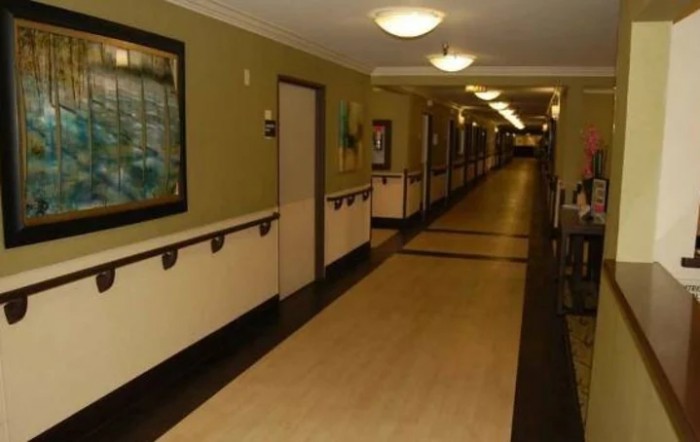
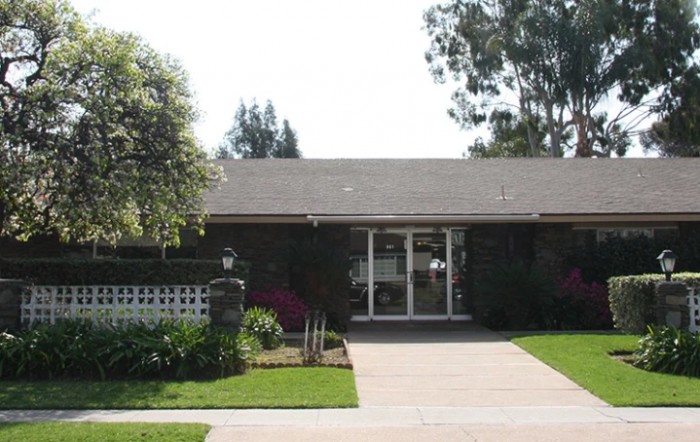
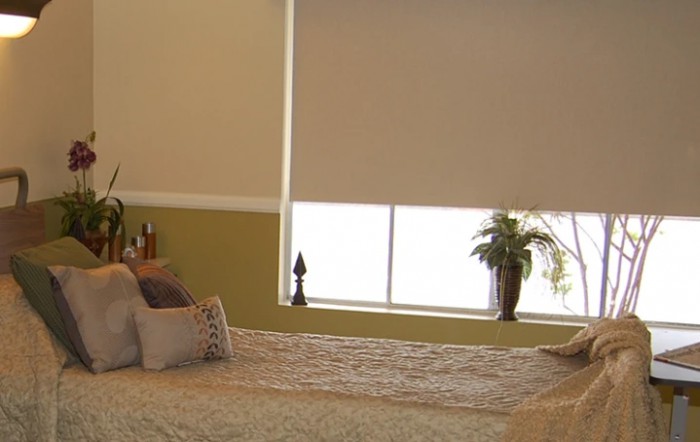
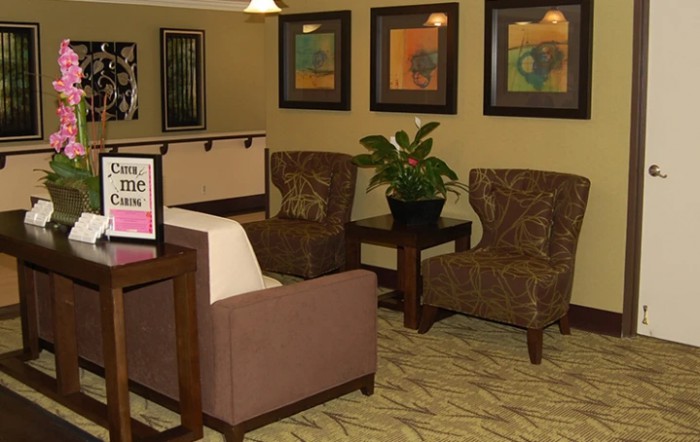
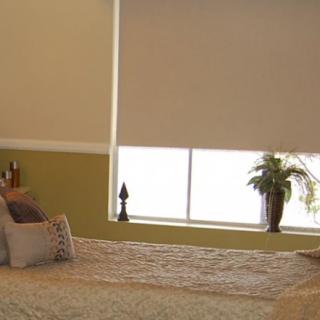
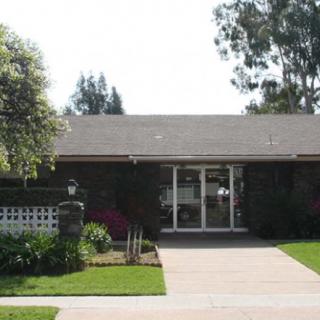
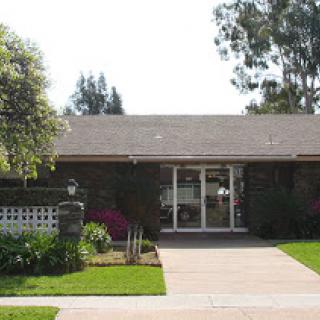
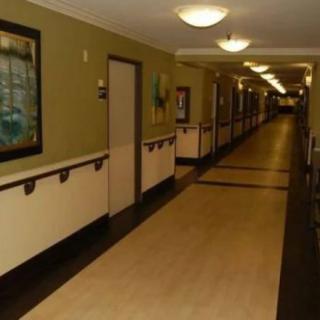
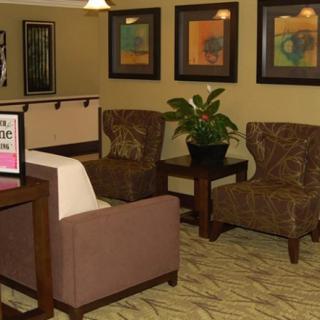
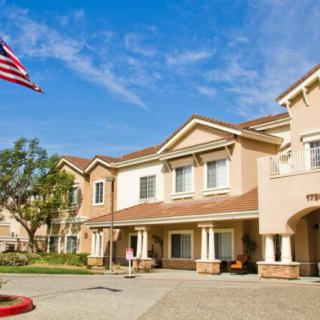
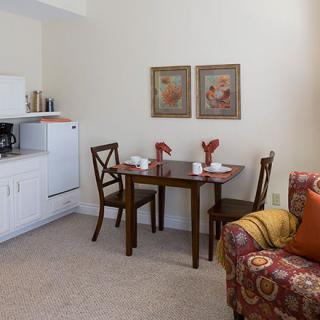
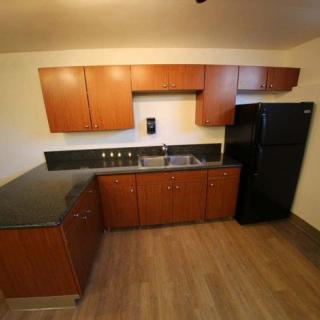
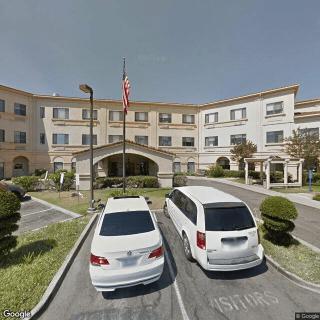
Mesa Verde Residential Care Center on seniors.fyi includes 7 photos including images showing interior, bedroom, plant, garden, landscaping, decor, windows, hallway, and more.
Medicaid waivers for assisted living services provide vital support for seniors and individuals with disabilities in need of long-term care, with varying state-specific eligibility criteria and benefits. These waivers cover personal care and case management but often do not fully cover room and board, leading to waiting lists for many applicants.
The article examines the complexities of assisted living for individuals with disabilities, emphasizing the need for tailored care solutions that enhance quality of life and social inclusion, while addressing financial challenges and advocating for community integration. It discusses various housing options, the importance of financial assistance through public benefits, and highlights trends towards integrated and technology-driven solutions in disability-focused housing.
Assisted living for adults with disabilities has transformed to provide personalized care and support services aimed at improving residents' quality of life while balancing independence and assistance. However, low-income individuals often face challenges in affording these services, requiring navigation of various financial resources and advocacy for better policies and solutions.
Lighting, Hallway, Doors, Paintings, and Handrails
Garden
Exercise Equipment, Gym, Fitness, and Workout Space
Plant
Get PricingAsk A QuestionSchedule A TourContact Senior Advisor
By clicking submit, you agree to our Partner's Terms of Use. You
also consent to receive calls and texts, which may be autodialed, from our Partner. Your consent is not a condition to
using our Partner's service. Please visit our Partner's Privacy Policy for information about their privacy practices.






 12 resident community capacity
 Assisted Living
 Board and Care Home
 Respite Care
 Skilled Nursing Facility
 Cable or satellite TV
 Dining room
 Fully furnished
 Garden
 Housekeeping services
 Move-in coordination
 Outdoor space
 Telephone
 Wi-Fi/high-speed internet available
 John Wayne Orange Co (4 miles away)
 24-hour supervision
 Activities of daily living assistance
 Assistance with bathing
 Assistance with dressing
 Assistance with transfers
 Diabetes diet
 Meal preparation and service
 Medication management
 Special dietary restrictions
 Transportation arrangement (medical)
 Transportation to doctors appointments
 Friendly staff and informative tour experience.




 A Detailed Exploration of Assisted Living Medicaid Waivers Across the United States
 Comprehensive Residential Support and Assisted Living Solutions for Individuals with Disabilities
 Comprehensive Supportive Living Arrangements for Adults with Disabilities