
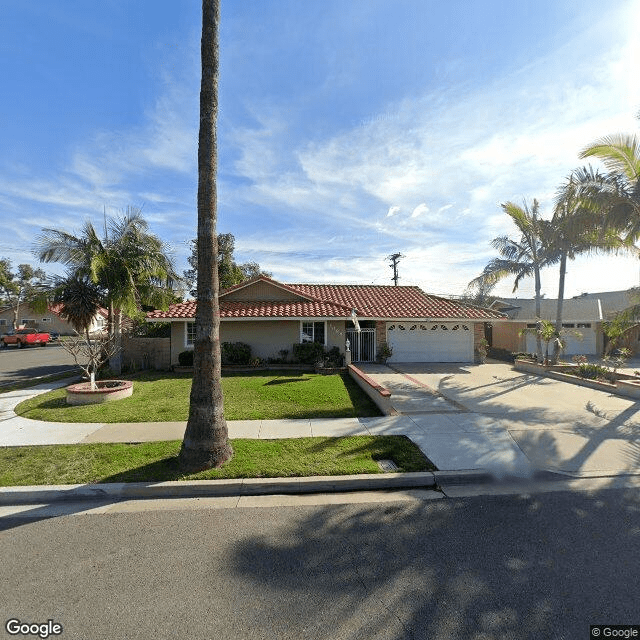
3088 Johnson Avenue, Costa Mesa, CA 92626
For more information about senior living options: (866) 208-4318
Casa Reina Costs & Pricing
Casa Reina offers competitive pricing for its accommodations compared to the broader Orange County and California markets. For a semi-private room, Casa Reina charges $3,000 per month, which is notably lower than the county average of $3,431 and the state average of $3,333. When it comes to private rooms, Casa Reina remains attractive at $4,000, slightly less expensive than the Orange County rate of $4,104 and comparable to the California average of $3,939. Additionally, their one-bedroom suites are offered at $4,000 - again positioning them favorably against the county's average of $4,380 and near the state's average of $4,340. This pricing strategy reflects Casa Reina's commitment to providing quality care while ensuring affordability for residents seeking a supportive living environment.
| Floor plans | Casa Reina | Orange County | California |
|---|---|---|---|
| Semi-Private | $3,000 | $3,431 | $3,333 |
| Private | $4,000 | $4,104 | $3,939 |
| 1 Bedroom | $4,000 | $4,380 | $4,340 |
Memory care communities with a similar price nearby
-
from -$200 / mo
Candlewood Care Home III
$2,800 to $3,400 / month6.7 miles away -
from -$200 / mo
Leah Loving Elderly Care
$2,800 to $3,000 / month3.3 miles away -
from -$300 / mo
Loving Care Senior Home
$2,700 to $3,500 / month3.8 miles away -
from +$500 / mo
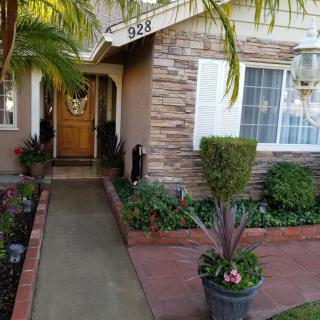
Comfort Keepers Home Care
$3,500 to $6,500 / month17.2 miles away -
from -$150 / mo
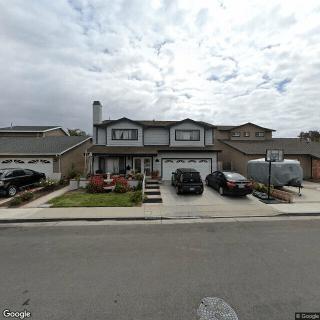
Alternative Senior Care - Freshwater
$2,850 to $3,250 / month6.7 miles away
Overall Review of Casa Reina
Pros
 The facility's small environment allows direct attention to residents.
- Staff help residents go out and stay active.
- The facility offers a good, balanced diet.
- Overall, care, food, and activities are very good.
- The place is nice and clean.
Cons
 The reviewer was unimpressed with the facility.
- The administrator was not available on weekends and unwilling to work with families on scheduling tours.
- One staff member spoke no English, and another spoke barely any English.
- The music and TV were way too loud.
- Residents seemed lethargic.
- The staff were not a good fit for the reviewer’s mother.
Review
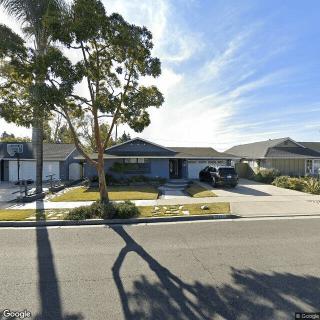
Casa Reina in Costa Mesa is best suited for families that prioritize a small, intimate setting where residents receive close, hands-on supervision, and where daily life centers on direct attention, consistent routines, and actively facilitated engagement. The layout and staffing scale mean staff can know residents well, monitor their needs closely, and tailor activities with a personal touch. This is a place where meals, daily structure, and activity programming feel cohesive because the community isn’t sprawling. For families who value immediacy of care and a calmer, more contained environment, Casa Reina offers a practical, no-nonsense option that leans into personalized oversight rather than volume of services.
Those weighing alternatives should consider whether weekend accessibility and language fluency are non-negotiables. If on-site collaboration with an administrator during weekends or tours conducted by staff who fluently speak English is essential, another community with stronger weekend leadership and clearer communication channels may be more reliable. Also, for families seeking larger campuses with broader amenity sets, more diverse programming, and a different social atmosphere, a bigger facility could be a better fit. In short, Casa Reina makes sense when these factors can be managed or deprioritized in favor of intimate care.
On the upside, the small environment yields tangible benefits. Direct attention means caregivers can stay on top of residents’ activity levels, mobility, and engagement, which helps keep seniors from stagnating. Residents are literally “looked after” in a way that can translate to quicker adjustments when needs shift. The nutrition program is described as balanced, with meals that support daily energy and well-being. The overall caregiving, food, and activity offerings are regarded as solid, strong enough to sustain daily quality of life for many residents and to provide reliable structure for families who want proof of consistent routine.
However, the main drawbacks carry enough weight to influence decisions. Administrative accessibility is uneven, with weekends often lacking an administrator presence and tour scheduling sometimes proving difficult. Language barriers among staff can complicate communication and care planning, especially for families that rely on clear, shared understanding of a resident’s preferences and progression. The auditory environment can also be a drawback: music or TV that is too loud can affect mood and engagement, contributing to a sense that some residents, at times, appear lethargic. A few reviews also hint at a fit issue between staff demeanor and a resident’s needs, underscoring the importance of a good personal rapport.
These pros and cons do not cancel each other out; they interplay in a way that tips the balance depending on priorities. The intimate, attentive model partially compensates for weekend access gaps because caregiving is consistently present on site, and the emphasis on active engagement can sustain meaningful daily routines even when administrative responsiveness isn’t perfect. The strong meals and structured activities provide stable anchors that many families value, potentially offsetting some communication hurdles. Yet when a family cannot tolerate language barriers or craves regular, predictable weekend access to leadership, the positives may be outweighed by the friction the downsides create.
In the end, Casa Reina should be considered by families who prize a small, hands-on atmosphere with reliable daily care and a thoughtful approach to meals and activities. It is less well-suited for those who require seamless weekend administrative collaboration, high-level administrative responsiveness, or a quieter, less stimulating environment. Families should weigh the importance of direct day-to-day oversight against the need for consistent weekend access and fluent staff communication. If those latter factors are negotiable, Casa Reina offers a practical, experienced option that can deliver steady quality in a compact, personal setting. If not, exploring larger facilities with stronger weekend leadership and multilingual staffing may prove to be a more comfortable match.
 6 resident community capacity
 Assisted Living
 Board and Care Home
 Memory Care
 Respite Care
 Activities off-site
 Cable or satellite TV
 Devotional services off-site
 Dining room
 Fully furnished
 Garden
 Housekeeping services
 Indoor common areas
 Move-in coordination
 Outdoor common areas
 Private
 Private bathrooms
 Telephone
 Wheelchair accessible showers
 Wi-Fi/high-speed internet available
 John Wayne Orange Co (2 miles away)
 24-hour supervision
 Ambulatory care
 Assistance with bathing
 Assistance with dressing
 Assistance with transfers
 Diabetes diet
 Diabetic care
 High acuity care
 Incontinence care
 Meal preparation and service
 Medication management
 Special dietary restrictions
 Transportation arrangement (medical)
 Transportation to doctors appointments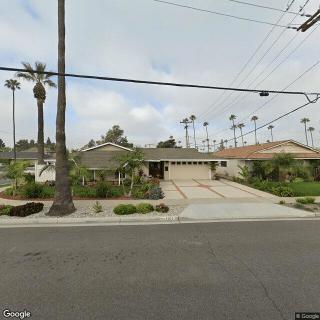


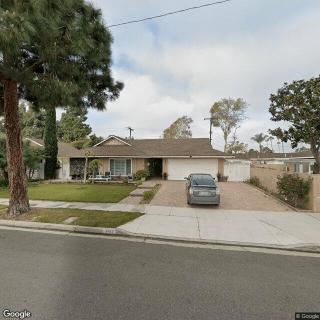
 A Holistic Dementia Care Guide: Effective Strategies for Memory Support
 Memory Care Pathways: A Holistic Guide to Dementia Support
 Comprehending Evening Confusion in Dementia: Causes, Manifestations, and Support