
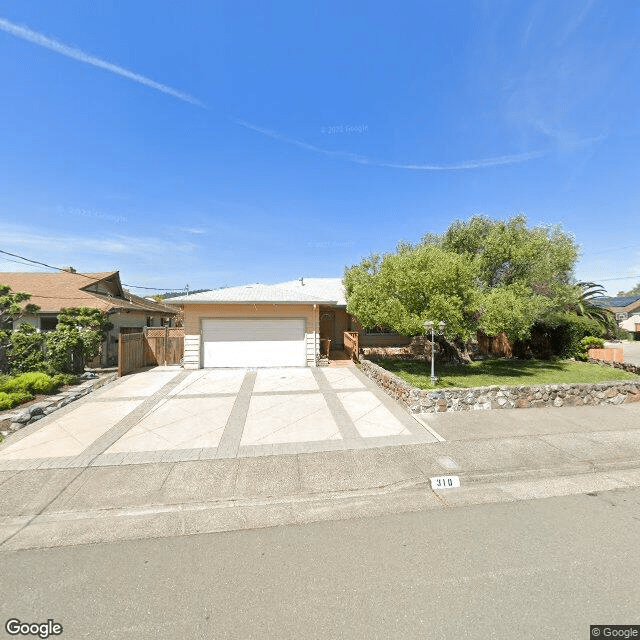
310 Golden Hind Passage, Corte Madera, CA 94925
To contact a resident: (415) 891-8083
For more information about senior living options: (866) 208-4318
A Loving Touch Care Home II Costs & Pricing
A Loving Touch Care Home II offers competitive pricing for its residential care services, particularly when compared to the broader market of Marin County and California as a whole. For semi-private accommodations, the facility charges $4,500 per month, which is slightly above the county's average of $4,362 but significantly higher than the state average of $3,333. Meanwhile, private rooms are priced at $6,000 per month, again reflecting a premium compared to Marin County's average of $4,771 and California's statewide average of $3,939. This pricing strategy may reflect the quality of care and amenities provided at A Loving Touch Care Home II, positioning it as a choice for families seeking specialized or elevated senior living experiences in Marin County.
| Floor plans | A Loving Touch Care Home II | Marin County | California |
|---|---|---|---|
| Semi-Private | $4,500 | $4,362 | $3,333 |
| Private | $6,000 | $4,771 | $3,939 |
Senior living communities with a similar price nearby
-
from -$500 / mo
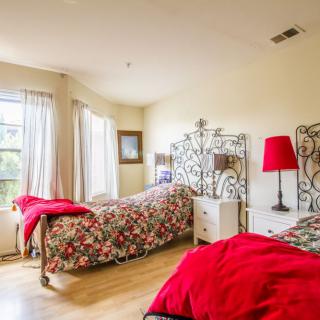
Golden Age Of Channing Way
$4,000 to $5,000 / month18.5 miles away -
from -$515 / mo

Interim Assisted Care of East Bay
$3,985 / month23.7 miles away -
from +$500 / mo
Aaron's Advance Care Home Inc.
$5,000 / month25.0 miles away -
from +$500 / mo
Poet's Vista Residential Care
$5,000 / month23.2 miles away -
from +$700 / mo
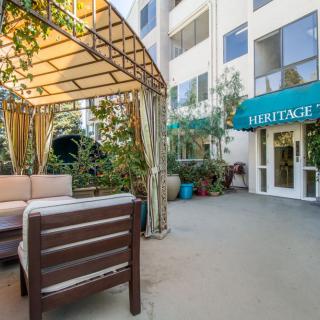
The Heritage Downtown
$5,200 to $7,200 / month23.7 miles away
Overall Review of A Loving Touch Care Home II
Pros
 The ladies here take beautiful care of Winifred.
- Winifred's hair is always beautifully done.
- Winifred's nails are painted.
- Winifred's clothes are immaculate.
- A little makeup is applied to Winifred.
- The staff are very sweet.
Review
This community is best suited for seniors who prize a small, intimate setting where care feels personal and there is a strong emphasis on daily grooming and presentation. Families drawn to a warm, neighborly atmosphere with consistent, affectionate staff will find this residence aligns with wants for dignity and visible attentiveness. Residents who require assistance with everyday tasks but do not demand heavy medical oversight will thrive here, as the environment prioritizes polished appearance and a feeling of being cherished. This is not a bustling campus with splashy amenities; it is a home where staff invest in the small rituals that matter, hair, nails, clothes, and a little makeup, to honor the person.
Consider alternatives if the primary needs include robust clinical oversight, memory care, or a broad, structured activity calendar. Larger assisted living communities with on-site nurses and dedicated memory-care wings can provide more medical support and security features. For families seeking more expansive programming, rehab services, or proactive care coordination with hospital partners, a continuum-of-care community or a retirement campus with multiple neighborhoods may be preferable. In short, when medical complexity or a wide social calendar is the priority, other options will likely deliver more of what’s needed.
The strongest pro is the staff’s warmth and the visible quality of daily care. The reviews repeatedly highlight how the hair is freshly done, nails painted, clothes immaculate, and makeup applied, signaling a level of attentiveness that goes beyond basic care. Such routines reflect reliable staffing and a culture that treats residents with dignity. For families, this translates into peace of mind during visits: it’s easy to see that a caregiver knows the resident’s preferences and treats grooming as a form of emotional support, not just a task. In a setting where personal presentation matters to the resident’s self-esteem, these details can be transformative.
The clear limitation is not spelled out in the anecdotes, but the implied scope is smaller and less medically focused than some families require. The intimate footprint often means fewer on-site specialists and a lean activity calendar, which can feel constraining for residents seeking constant stimulation or more complex care needs. Yet the counterbalancing asset is the same intimate staff-to-resident ratio: caregivers who know Winifred by name will likely notice subtle changes in health or mood quickly, enabling timely adjustments. The grooming routine itself becomes an anchor, regular, predictable, and performed with care, reducing anxiety around daily routines and contributing to a consistent sense of normalcy.
During a visit, verify how much autonomy residents retain over grooming choices, and who handles medical tasks such as medication administration, nursing visits, and emergency response. Ask about staffing levels and whether there is a consistent team assigned to residents, as consistency matters in care quality. Inquire about activity programming, transportation, dietary accommodations, and whether there is on-site professional oversight or partnerships for health services. Clarify pricing inclusions and whether memory support or rehabilitation services are available on site. Finally, request a trial stay or reference checks with current families to observe day-to-day interactions beyond polished appearances.
For families prioritizing personal dignity, visible warmth, and a homey atmosphere, A Loving Touch Care Home II represents a credible, low-friction choice. It delivers an exceptionally affectionate caregiving style and meticulous grooming that reassure families about daily quality of life. The trade-off is a narrower clinical footprint and potentially fewer structured activities or medical resources than larger communities. If those factors align with the loved one’s needs, move forward with confidence; if not, widen the search to campuses with broader medical capabilities or memory-care specializations. In either case, a careful tour focused on daily routines and resident interaction will reveal whether this home’s intimate strengths translate into sustained well-being.
 Board and Care Home
 Private
 Wheelchair accessible showers
 Metropolitan Oakland International (21 miles away)
 Ambulatory care
 High acuity care
 Incontinence care
 Medication management


 Supportive Employee Benefits That Help Caregivers Attain Better Work-Life Harmony
 Top Cars for Senior Drivers and Essential Safety Innovations
 A Closer Look at Private Pay Home Care