


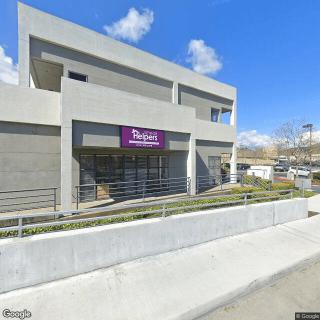
21 Golden Gate Drive Suite A, San Rafael, CA 94901
To contact a resident: (415) 451-0100
For more information about senior living options: (866) 208-4318
Home Helpers Costs & Pricing
Home Helpers provides in-home care services with a monthly cost of $6,323 for a private room, which reflects the premium nature of their personalized care offerings. When compared to average costs in Marin County, which stand at $4,771, and the broader California average of $3,939, it's clear that Home Helpers positions itself at a higher price point. This difference may be attributed to their commitment to quality service and individualized attention, catering specifically to clients who seek exceptional care in the comfort of their own homes. While the investment is notable, many families find value in the tailored support and peace of mind that comes with choosing Home Helpers.
| Floor plans | Home Helpers | Marin County | California |
|---|---|---|---|
| Private | $6,323 | $4,771 | $3,939 |
Overall Review of Home Helpers
Pros
 Home Helpers provides top-notch home care with compassionate, professional caregivers who go above and beyond to ensure comfort and support.
- The agency offers a personalized approach that brings peace of mind to families.
- Home Helpers is reliable, high-quality, and highly recommended.
- The team includes an RN on hand to assess needs and oversee care, ensuring knowledgeable supervision.
- Caregivers are experienced, kind, intuitive, and hard-working.
- Home Helpers collaborates with families to develop tailored care plans, enhancing quality of life for loved ones.
Review
This community is best suited for families who want aging loved ones to stay at home with hospital-grade attention and highly personalized care, rather than moving into a traditional assisted living setting. It shines for seniors who may be recovering from a hospital stay or who require ongoing medical oversight combined with compassionate, consistent caregiving. The strongest fit is for households seeking a dependable, flexible care partner that can adapt to changing needs and budgets while maintaining the dignity of everyday life. In short, the model works best for families prioritizing individualized attention, safety in the home, and the peace of mind that comes from having a knowledgeable team coordinate medical and daily living support.
Those considering alternatives should note that this approach may not fit every situation. If a loved one’s needs extend beyond in-home care, such as a desire for a structured social calendar, 24/7 on-site nursing in a highly supervised community, or dementia-specific memory care, an apartment- or campus-style setting with built-in programming may be preferable. Families seeking robust, year-round social engagement or highly specialized memory-care environments may find more comprehensive options in facility-based communities. Likewise, households prioritizing a highly contained, all-in-one residential experience with extensive on-site amenities might prefer an environment designed around a community lifestyle rather than home-based care.
The core strengths are unmistakable. Caregivers are described as compassionate, professional, and willingly going above and beyond to ensure comfort and support. The service builds a personalized care plan in collaboration with families, and the presence of an RN to assess needs and supervise care adds a level of clinical oversight that quietly elevates the entire offering. Reliability stands out, care teams are praised for being intuitive, knowledgeable, and hard-working, with families recounting how staff quickly mobilized to stabilize transitions from hospital to home. This combination of human warmth and medical coordination translates into real, measurable peace of mind for anxious relatives.
Nevertheless, the model carries inherent trade-offs. The most evident constraint is the lack of a traditional, communal setting that offers built-in social programs, structured activities, and on-site 24/7 nursing in a single facility. Those who crave a bustling senior community experience may feel the home-based approach is more focused on care tasks than social programming. Yet, the strong personalization and continuity of relationships help offset this gap: caregivers often become trusted extensions of the family, engaging loved ones cognitively, physically, and socially in meaningful ways, while safety-minded practices, evidenced by proactive checks and attentiveness, counterbalance the potential downsides of home-bound living.
From a practical standpoint, the engagement process appears to be straightforward and responsive. Families can expect care plans to be tailored around real-time needs, with an emphasis on listening and adjusting as the loved one’s conditions evolve. The availability of an RN for assessment provides an accessible clinical touchpoint, reducing the likelihood of misaligned care. Instances cited by families, such as timely action in urgent situations and careful attention to daily safety details, underscore a thoughtfully managed operation. Prospective clients should inquire about care-plan documentation, caregiver consistency, and how hospital-to-home transitions are coordinated, ensuring a clear path from initial assessment to ongoing delivery.
The bottom line for San Rafael families centers on alignment of needs and expectations. For those prioritizing high-quality in-home care with medical oversight, personalized attention, and reliable caregiver partnerships, Home Helpers represents a standout option. It delivers peace of mind, genuine engagement, and a practical, adaptable framework that supports aging in place without sacrificing dignity or safety. However, for households that require the full spectrum of a social, campus-like environment with specialized memory care and around-the-clock nursing within a single building, it is wise to explore facility-based alternatives. The best choice hinges on whether the priority is intimate, home-centered care or the comprehensive social-and-clinical ecosystem offered by an assisted living community.
 Metropolitan Oakland International (23 miles away)

 Urinary Tract Infections in Older Adults: Comprehensive Insights on Symptoms, Treatment, and Prevention
 California's Form 602A: An In-Depth Examination of Senior Care Assessment
 Comprehensive Look at Senior Blood Pressure Charts: Normal and Elevated Levels by Age