

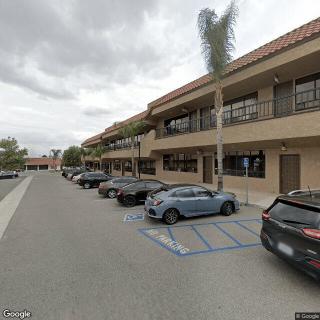
1239 Pomona Rd, Corona, CA 92882
To contact a resident: (951) 280-3660
For more information about senior living options: (866) 208-4318
Overall Review of Option Care
Cons
 The place is the worst.
- They offer the cheapest medical supplies, employ untrained nurses, and have confused customer service representatives, making them a horrible company to deal with.
- The first nurse sent did not know how to administer IV meds and was not comfortable changing the central line dressing.
- The nurse left after calling a superior and did not do anything.
- They send medical supplies that are not needed and use the cheapest dressing change kit.
- They overcharge for poor service.
- The insurance company should know how unprofessional and untrained the company is.
- Financing papers and benefits cards take too long to arrive.
Review
Option Care in Corona, CA is best suited for families who must prioritize the absolute lowest-cost option and can tolerate a service that sacrifices clinical reliability for price. The pattern evident from the available feedback is a service model that leans toward affordability over consistent nursing competency and care coordination. For households with complex medical needs, where IV administration accuracy and centralā€‘line dressing changes matter, this choice introduces undue risk. In practical terms, the crowd this community serves best comprises those willing to accept frequent gaps in care and to compensate with additional family oversight or alternative arrangements.
Those evaluating alternatives should note that several critical expectations are unlikely to be met here. If dependable IV administration, properly performed central-line dressing changes, consistently trained staff, and transparent, timely billing are non-negotiable, this provider should be dismissed in favor of more established home-health partners. Families seeking a responsive, easily navigated customer experience, a dedicated case manager, and reliable coordination with insurance will find better options elsewhere. The realities described point to a mismatch between need for professional clinical oversight and what Option Care delivers.
On the upside, the limited information available points to a pared-back model: basic supplies and a straightforward referral flow after hospital discharge. For some households, that minimalist framework may appear attractive when the main goal is reducing upfront costs. Yet this perceived simplicity collapses under the weight of inconsistent nursing performance and misaligned supply choices. The absence of robust clinical execution effectively nullifies any cost advantage, since safety and efficacy hinge on competent nursing and appropriate materials.
The main cons are consequential and amplifying. Untrained nurses performing IV administration or attempting central-line care creates clear safety hazards. Frequent miscommunications, staff turnover, and a lack of continuity undermine care quality and family confidence. The emphasis on the cheapest kits, coupled with reports of unnecessary or insufficient supplies, raises infection-control concerns and invites preventable complications. Administrative delays, especially in securing financing papers and benefits cards, compound stress and threaten continuity of care. Billing opacity and potential overcharges add another layer of risk when stable care depends on predictable, transparent charges.
Decision-makers should demand concrete assurances before engaging. Require documented credential verification for every nurse, a named supervisor, and a clear escalation protocol for urgent situations. Insist on written service-level agreements that define response times, IV administration procedures, and dressing-change standards. Request a detailed, itemized care plan with costs and a definitive timeline for financing and benefits processing. If this option is pursued, implement a short trial period with frequent check-ins and a ready contingency plan to switch providers if safety or reliability fall short.
Overall, Option Care in Corona should be considered only by those facing extreme budget constraints and who can actively supervise care, tolerate gaps, and shoulder responsibility for safety. For the majority of seniors and families navigating post-discharge needs, more established home-health providers with transparent processes, trained clinicians, and dependable billing practices represent the wiser path. The weight of negative signals in the available feedback, untrained staff, inconsistent supplies, and slow administrative processes, outweigh any potential savings. In practical terms, peace of mind and predictable, safe care rarely emerge from choosing this option without stringent safeguards and ongoing oversight.
 Ontario International (12 miles away)
 Nurturing assisted living with convenient access to doctors, pharmacies, a nearby hospital, and nearby dining and parks.





 Comprehensive Insights and Practical Strategies to Help Older Adults Avoid Falls
 6 Crucial Ways an Elder Law Attorney Assists Families
 Navigating the Tax Landscape of Caregiving: Credits, Deductions, and Beyond