
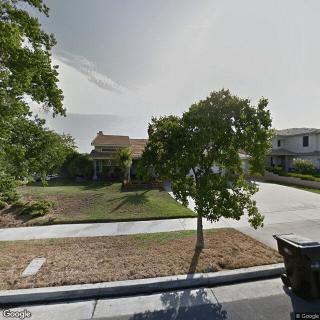
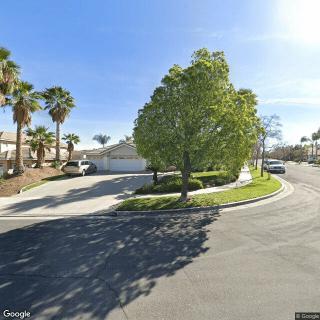
4089 Inverness Drive, Corona, CA 92883
For more information about senior living options: (866) 208-4318
Overall Review of Living From The Heart Senior Homes
Pros
 The staff are patient, knowledgeable, and caring toward all residents.
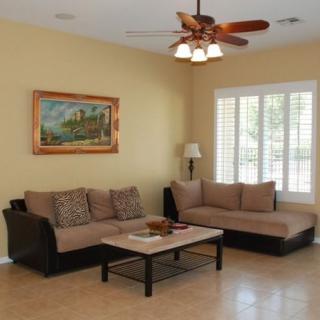
- The facility is clean, uncluttered, and well maintained.
- All residents seem very happy and comfortable.
- The meals are home-cooked and personalized to each resident’s diet.
- The environment feels warm, welcoming, and caring.
- The staff are courteous, friendly, and responsive to residents and families.
- The property offers ample space to move around and plenty of bathrooms.
- The ownership is appreciated for caring about the clients.
Cons
 The facility could only accommodate one person in a room, preventing the reviewers from keeping both parents together.
- Its smaller size means there are fewer larger activities, which was seen as a limitation.
Review
Living From The Heart Senior Homes in Corona is best suited for seniors who want a warm, home-like environment where care feels personal, attentive, and predictable. This community shines for individuals or couples who prize a small, intimate setting, where staff members know residents by name and tailor attention to daily routines, preferences, and dietary needs. Residents who require memory-support or dementia care will find a cadence of one-on-one activities and a calm, uncluttered atmosphere that supports orientation and comfort. Cleanliness, respectful staff, and a kitchen that delivers home-style, diet-aware meals are consistently evident, making it an appealing choice for families prioritizing dignity and individualized care over a bustling, large-scale program.
That said, not every family will find this the right fit. Alternatives should be considered for couples who want to stay together in a shared living arrangement, as the facility typically offers single-occupancy rooms. The smaller footprint also translates into fewer large-group activities and a more individualized schedule, which may feel limiting for residents who thrive on a broad array of social events or expansive programming. Those seeking two-person suites or expansive campuses with a wide menu of amenities may prefer a larger community with more flexible room configurations and activity calendars.
The strongest positives here are the caregiving atmosphere and the environment in which care is delivered. Staff are repeatedly described as patient, knowledgeable, and deeply caring toward residents, with an emphasis on daily kindness and reliable responsiveness. The setting is clean and uncluttered, with ample bathrooms and easy-to-navigate floor plans that promote safe movement for residents who are aging or coping with neurodegenerative conditions. The emphasis on home-cooked meals tailored to each resident’s dietary needs further reinforces a sense of personal regard and respect for individual health requirements.
Care quality is reinforced by observable resident contentment and by accounts from family members who describe consistent attentiveness and a reassuring level of comfort for their loved ones. One review from a retired hospice nurse highlights a professional, compassionate approach to end-of-life care, noting clean, well-groomed residents, courteous staff, and a supportive visiting presence. The same caregiver team maintains a welcoming environment, chairs, beverages, and conversation are readily offered, to ease family interactions and routine visits. The sense that residents seem happy and well cared-for underpins the overall appeal of this small, hands-on operation.
However, the practical implications of size matter in decision-making. While the intimate setting fosters deeper relationships and highly personalized care, families must accept a trade-off: fewer room configurations and a cozier social calendar. Prospective residents should verify room options, confirm whether couples can be accommodated in some arrangement, and assess whether the level of social programming aligns with personal preferences. Dietary customization is a clear strength, but it should be matched with a clear understanding of activity offerings, transportation arrangements, and caregiver availability during peak times.
In the end, the community represents a principled choice for families seeking a high-touch, well-maintained home where caregivers excel at individualized attention and residents feel genuinely cared for. It is less suitable for those who require proximity to shared two-person living spaces, or for individuals who rely on a broad, orchestra-like activity calendar to sustain daily motivation. For families prioritizing warmth, meticulous cleanliness, strong staff-resident connections, and deeply personalized care plans, this option stands out as a practical, trustworthy placement that delivers on its promise of comfort and dignity.
 6 resident community capacity
 Assisted Living
 Cable or satellite TV
 Dining room
 Fully furnished
 Garden
 Housekeeping services
 Move-in coordination
 Outdoor space
 Telephone
 Wi-Fi/high-speed internet available
 Ontario International (17 miles away)
 24-hour supervision
 Activities of daily living assistance
 Assistance with bathing
 Assistance with dressing
 Assistance with transfers
 Diabetes diet
 Meal preparation and service
 Medication management
 Special dietary restrictions
 Transportation arrangement (medical)
 Transportation to doctors appointments



 Beyond the Bingo Hall: 50+ Enriching Activities for Seniors in Assisted Living
 Understanding the Distinctions: Assisted Living and Memory Care Explained
 Guiding Elderly Parents Who Refuse Assisted Living: 6 Practical Steps