
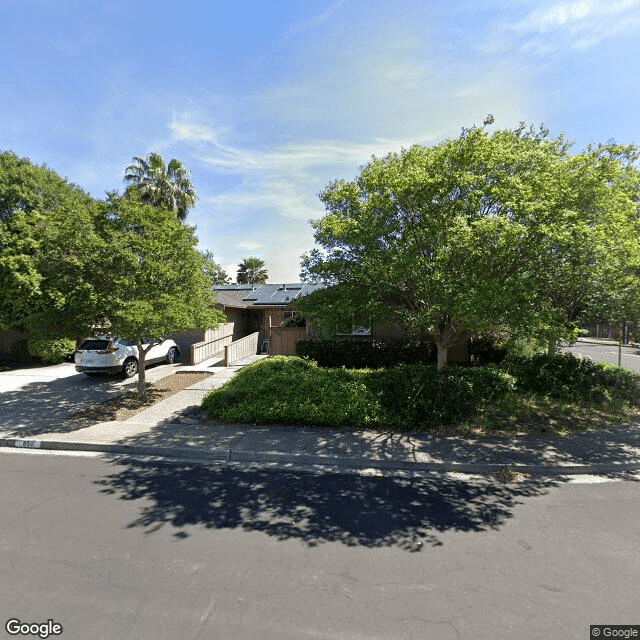
850 Grenola Drive, Concord, CA 94518
For more information about senior living options: (866) 208-4318
Trinity Manor Costs & Pricing
Trinity Manor offers a private room at a monthly cost of $5,500, which is notably higher than both the average for Contra Costa County at $4,088 and the statewide average in California, which stands at $3,939. This pricing reflects Trinity Manor's commitment to providing an elevated level of care and amenities that may not be present in other facilities. While the costs are above local and state averages, many families find value in the enhanced quality of life and tailored services available at Trinity Manor, making it a compelling choice for those seeking premium care options in the region.
| Floor plans | Trinity Manor | Contra Costa County | California |
|---|---|---|---|
| Private | $5,500 | $4,088 | $3,939 |
Assisted Living communities with a similar price nearby
-
from +$1000 / mo

Khivi Care
$6,500 / month23.4 miles away -
from -$500 / mo
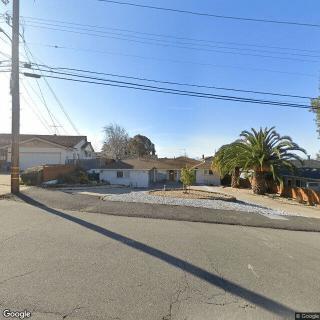
Blessing Home
$5,000 to $6,000 / month15.6 miles away -
from -$1000 / mo

Pleasanton Senior Care Villa
$4,500 / month20.3 miles away -
About the same
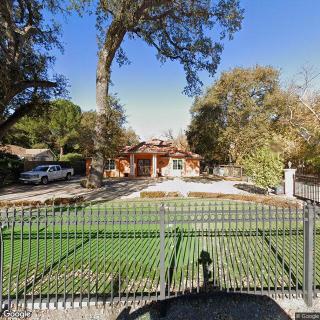
Bethel Care Home On Cottage
$5,400 / month4.5 miles away -
from -$500 / mo
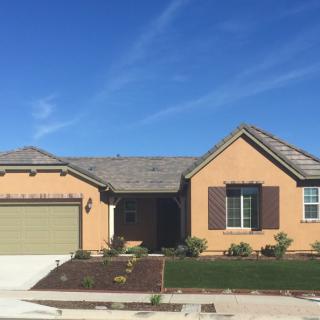
Harmony Care Home
$5,000 to $6,500 / month15.5 miles away
Overall Review of Trinity Manor
Pros
 The staff and administration are caring and helpful.
- They consistently respond when residents call and are readily available to assist.
- Concord Royale is a great assisted living facility.
- The staff are among the most caring the reviewer has encountered.
- Every client is treated with dignity and love.
- The surroundings at Trinity Manor are pleasant and the care helps residents adjust easily.
- The staff are consistently attentive and kind.
- The meals are delicious and nutritious, with accommodations for picky eating.
- The facility offers many activities and holiday events for residents.
- The rooms are clean and cheery, and the director is actively involved with clients.
Cons
 A friend's mother stayed at a highly rated rehab, and no one answered her buzzer.
- Communication with some staff members can be difficult due to language barriers.
- The facility was not too fancy or modern, which some relatives would not have liked.
- The price was on the higher side.
- There was little to no music or activities brought in.
Review
Trinity Manor in Concord is best suited for seniors who want a warm, hands-on care environment where staff know residents well and respond quickly to needs. The community earns strong, consistent praise for caregivers who appear genuinely invested in residents’ comfort and safety, and for leadership that stays engaged with daily operations. Families repeatedly describe a culture of dignity, patience, and kindness, with staff who treat each person as an individual rather than a checklist. The setting favors a homey, practical atmosphere over a glossy hotel look, featuring private rooms designed for easy mobility, clean spaces, and meals that residents and families frequently call nutritious and tasty. For families seeking dependable, compassionate daily care and a supportive team that meets evolving needs, Trinity Manor delivers with credibility.
Those who may want to consider alternatives are typically budget-minded families or those seeking a more modern or upscale ambiance, more visible social programming, or a facility with a stricter rehab focus. Several reviews note the home’s unpretentious, not-too-fancy environment, which fits some tastes but may feel dated to others. Language barriers occasionally hinder communication with some staff, a factor that can complicate care planning if clear, rapid updates are essential. For residents who require intensive medical rehabilitation, highly specialized clinical services, or a more contemporary aesthetic, Trinity Manor may not be the best fit. Individuals looking for expansive on-site amenities or a bustling, resort-style atmosphere may prefer other options that cater to those preferences.
The strongest positives center on caregiving. The staff consistently appears on call, attentive, and patient, with multiple accounts of staff going out of their way to check on residents and address little needs before they become problems. The executive director and administration are repeatedly singled out for hands-on involvement and clear communication, which helps families feel informed and connected. Hospice coordination, when appropriate, emerges as a notable strength, smoothing transitions and ensuring comfort. Private rooms, with thoughtful layouts for walkers, are a recurring plus, and the dining experience garners frequent praise for quality and flexibility to accommodate picky eaters. Cleanliness, safety, and a calm, respectful environment are consistently described, reinforcing a sense of security for families and residents alike.
Still, certain drawbacks temper the overall impression. Price is cited as on the high side in at least one perspective, which can push Trinity Manor out of reach for some households, especially when compared with other options that offer similar care levels at lower rates. Occasional comments about less showy amenities, an older feel rather than a modern, flashy setting, may matter to families prioritizing design or mood lighting, even if the care quality remains strong. One review notes that while activities exist, some days do not feel as lively as others, and there are moments when informal social programming isn’t as visible. These gaps are not universal experiences, but they do matter for families seeking a dynamic, highly energized activity calendar.
The key to Trinity Manor’s appeal is how its care strengths offset the less-glitzy aspects. The deep, dependable care from long-tenured staff reduces turnover risk and creates a reliable daily rhythm, which matters profoundly for memory care and for residents who fear disruption. The ability to coordinate hospice services on-site helps families manage transitions without the stress of vetting and arranging external support, turning a challenging time into a smoother, more predictable journey. A homey atmosphere, solid meals, safety, and cleanliness provide a solid foundation that often outweighs the lack of luxury touches or the higher price point, especially for families who value continuity, respect, and quiet competence over showroom polish.
For families weighing this community, the practical recommendation is clear: Trinity Manor is a strong match for seniors who prize genuine warmth, consistent staffing, and the reassurance of a hands-on administrative team. It is a particularly good fit for residents who benefit from stable routines, excellent safety and cleanliness, and on-site coordination with hospice when needed. Those with tighter budgets, a preference for a newer, more modern aesthetic, or a requirement for aggressive rehabilitation programming may want to compare alternatives that emphasize cost savings, contemporary design, or more intensive clinical services. A visit should be followed by a candid conversation about language support, room options, meal preferences, and the exact level of care anticipated in the next 6 to 12 months.
 6 resident community capacity
 Assisted Living
 Board and Care Home
 Activities off-site
 Cable or satellite TV
 Devotional services off-site
 Dining room
 Fully furnished
 Garden
 Housekeeping services
 Indoor common areas
 Move-in coordination
 Outdoor common areas
 Private
 Respite or short term stays offered
 Telephone
 Wheelchair accessible showers
 Wi-Fi/high-speed internet available
 Metropolitan Oakland International (18 miles away)
 24-hour supervision
 Ambulatory care
 Assistance with bathing
 Assistance with dressing
 Assistance with transfers
 Diabetes diet
 Diabetic care
 High acuity care
 Incontinence care
 Meal preparation and service
 Medication management
 Special dietary restrictions
 Transportation arrangement (medical)
 Transportation to doctors appointments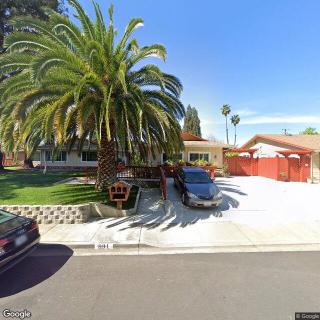



 Senior Transition Services: Understanding Their Role, Cost, and Importance
 Exploring the Path to Senior Living: A Comprehensive Look at Independent Living and Assisted Living
 Is Assisted Living Deductible on Your Taxes? Understanding the Complexities of Assisted Living Expenses and Deductions