

945 Faned Way, Concord, CA 94518
For more information about senior living options: (866) 208-4318
Grand Oak Manor Costs & Pricing
Grand Oak Manor offers competitive pricing for its residents compared to the broader market in Contra Costa County and throughout California. With a monthly cost of $2,800 for semi-private accommodations, Grand Oak Manor is notably more affordable than the county average of $3,471 and the state average of $3,333. Similarly, for private rooms priced at $3,500 per month, Grand Oak Manor presents an attractive alternative to the county's average of $4,088 and California's statewide average of $3,939. This positioning not only reflects Grand Oak Manor's commitment to providing high-quality care but also highlights its value as a financially considerate option in an increasingly challenging housing market.
| Floor plans | Grand Oak Manor | Contra Costa County | California |
|---|---|---|---|
| Semi-Private | $2,800 | $3,471 | $3,333 |
| Private | $3,500 | $4,088 | $3,939 |
Memory care communities with a similar price nearby
-
from +$200 / mo
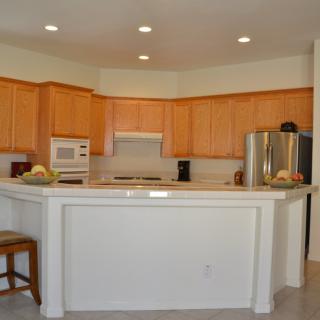
Laylor Care Home For The Elderly
$3,000 to $4,000 / month12.1 miles away -
from +$395 / mo

Harbor Bay Assisted Living
$3,195 to $5,000 / month18.0 miles away -
from -$300 / mo
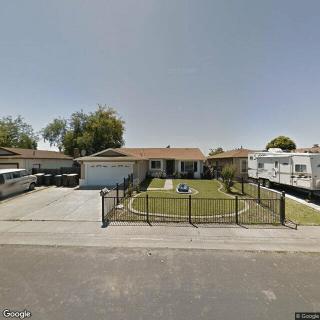
Village Golden Care Home
$2,500 to $3,800 / month21.1 miles away -
from +$195 / mo

TreVista at Antioch
$2,995 to $5,995 / month12.7 miles away -
from +$200 / mo

Joy Senior Center
$3,000 to $3,800 / month18.6 miles away
Overall Review of Grand Oak Manor
Pros
 The staff are wonderful and always helpful.
- They are very good at keeping the rooms and bathrooms nice and clean.
- They would definitely recommend this place to a friend or family member.
Cons
 They need to have more of a healthy variety.
Review
Grand Oak Manor in Concord is best suited for seniors who prize hands-on, friendly service and a clean, orderly living environment. From a senior-living advisor’s perspective, we see this community as a practical fit for families seeking dependable daily support and a calm, predictable routine. The two plainspoken reviews portray a staff that is consistently attentive and ready to help, paired with rooms and bathrooms kept in pristine condition. For residents who want a straightforward, low-stress setting where housekeeping and staff responsiveness ground daily life, this manor delivers with quiet effectiveness.
That practicality comes with tradeoffs. The same reviewers flag a dining program that could stand more healthful variety and less reliance on sugar and salt. For seniors who require strict dietary control or who crave a more varied, nutrient-dense menu, Grand Oak Manor may feel limited over time. Families evaluating care plans should ask how menus can adapt to evolving tastes and medical needs, and whether there are guaranteed options beyond a standard fare. Those who want a more dynamic culinary experience or more intensive nutrition support should compare this community with others that emphasize a broader kitchen program.
The core strengths, courteous, capable staff and consistently clean living spaces, do a solid job of offsetting some evident dining gaps. When caregivers arrive with a helpful attitude and daily routines run smoothly, a resident’s sense of safety and dignity is reinforced, and families gain confidence that essential needs will be met without constant supervision. Clean rooms and well-kept bathrooms reduce infection risk and simplify daily caregiving, contributing to a smoother transition for residents moving from independent living to assisted routines. Yet these advantages cannot fully erase concerns about limited meal variety, particularly for residents who place a premium on flavor, culinary variety, and tailored nutrition.
There are clear signs of responsiveness that matter to long-term satisfaction. Reviewers note a willingness to adjust meals to reduce sugar and salt and to add healthier options, which suggests a menu that can evolve with resident feedback. This posture matters because it transforms a potential weakness into a trackable improvement path. Prospective families should probe during tours about how menus are developed, how often options rotate, and whether resident councils or regular surveys drive dietary changes. In a community where dining quality weighs heavily, seeing a proactive kitchen and dining leadership team is a reassuring indicator.
Compared with many peers, Grand Oak Manor delivers lower-stress routines and dependable housekeeping that translate into practical, everyday peace of mind. For residents who value quiet days, reliable staff presence, and a tidy, well-maintained setting, these are decisive advantages. For others, those who equate value with culinary variety, broader on-site services, or a richer social calendar, the math may not add up. The two four-star reviews signal solid baseline performance, but more data would be needed to gauge consistency across shifts and seasons. This is not a fail-fast decision; it’s a call to align expectations with what the community reliably delivers.
Practical path forward: arrange a visit, request a meal tasting, and press for specifics on diet customization and menu planning cadence. Confirm staff-to-resident ratios, incident response times, and the cadence of housekeeping. Ask for a trial stay to observe the flow of care during peak activity hours and to experience the dining environment firsthand. If the verdict centers on a calm, clean, well-staffed atmosphere with a reasonable dining program, Grand Oak Manor earns a confident recommendation. If nutrient-dense variety and richer programming are non-negotiable, keep alternatives in view and compare against facilities offering stronger culinary and clinical offerings.
 4 resident community capacity
 Assisted Living
 Board and Care Home
 Memory Care
 Respite Care
 Cats allowed
 Dogs allowed
 Activities off-site
 Bath tubs
 Cable or satellite TV
 Devotional services off-site
 Dining room
 Fully furnished
 Garden
 Housekeeping services
 Indoor common areas
 Move-in coordination
 Outdoor common areas
 Private
 Private bathrooms
 Telephone
 Wheelchair accessible showers
 Wi-Fi/high-speed internet available
 Metropolitan Oakland International (18 miles away)
 24-hour supervision
 Assistance with bathing
 Assistance with dressing
 Assistance with transfers
 Diabetes diet
 Diabetic care
 High acuity care
 Incontinence care
 Meal preparation and service
 Medication management
 Special dietary restrictions
 Transportation arrangement (medical)
 Transportation to doctors appointments





 Five Subtle Dementia Indicators to Observe: An In-Depth Guide to Understanding “Does My Mom Have Dementia?”
 Dementia, Paranoia, and Caregiver Guidance: Understanding the Connection
 Engaging Memory Care Activities That Enhance Quality of Life