
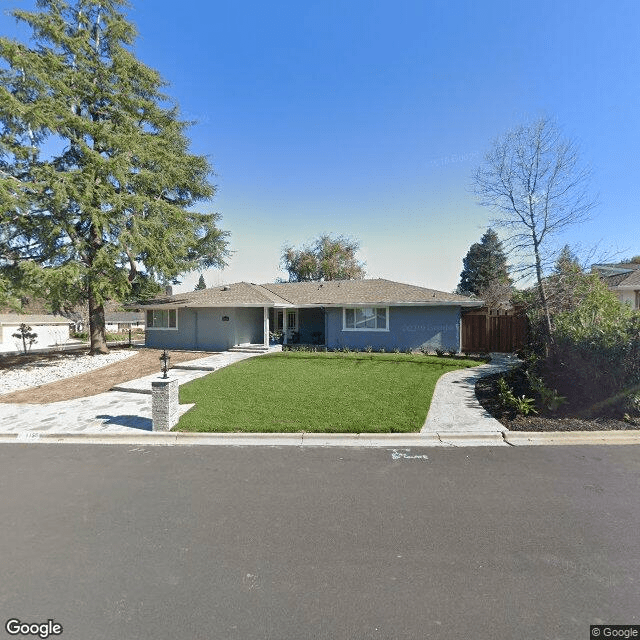
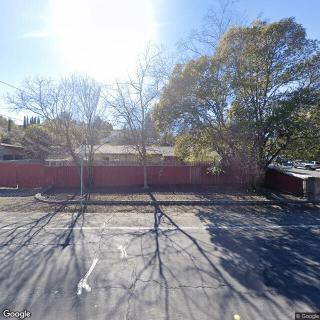
1150 St Francis Dr, Concord, CA 94518
To contact a resident: (925) 798-1737
For more information about senior living options: (866) 208-4318
St Francis Home Costs & Pricing
St. Francis Home offers a compelling value for its residents, with monthly costs that are notably lower than both Contra Costa County and the broader California average. For a semi-private room, St. Francis Home charges $2,800, which is significantly less than the county rate of $3,471 and the state average of $3,333. Similarly, for a private room, the cost at St. Francis Home is $3,200, in contrast to Contra Costa County's $4,088 and California's average of $3,939. This pricing structure not only underscores St. Francis Home's commitment to affordability but also highlights its competitive positioning within the local market for residential care options.
| Floor plans | St Francis Home | Contra Costa County | California |
|---|---|---|---|
| Semi-Private | $2,800 | $3,471 | $3,333 |
| Private | $3,200 | $4,088 | $3,939 |
Senior living communities with a similar price nearby
-
from +$200 / mo
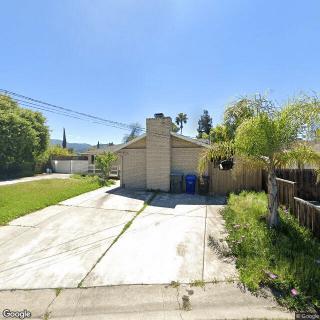
Golden Harmony Elderly Care
$3,000 / month3.0 miles away -
from +$100 / mo
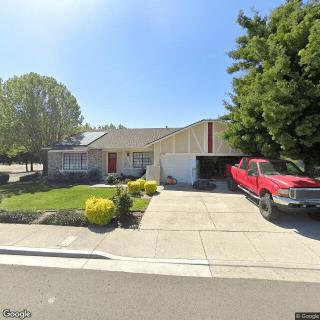
Parkside Manor
$2,900 to $3,600 / month20.3 miles away -
from +$200 / mo
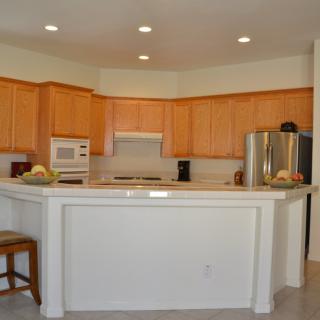
Laylor Care Home For The Elderly
$3,000 to $4,000 / month10.9 miles away -
from -$300 / mo
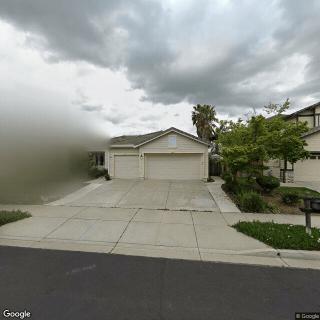
Brentwood Care Home
$2,500 to $4,000 / month16.3 miles away -
from +$200 / mo

Palm Garden Home Care
$3,000 to $4,000 / month9.2 miles away
Overall Review of St Francis Home
Pros
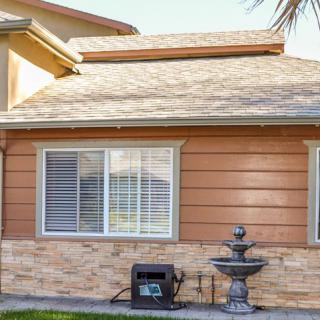
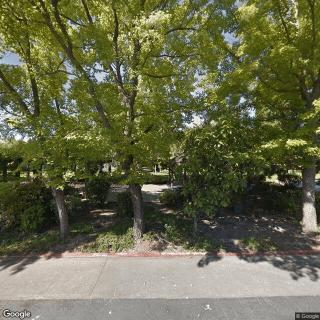
 The neighborhood is beautiful and the house sits on a corner lot.
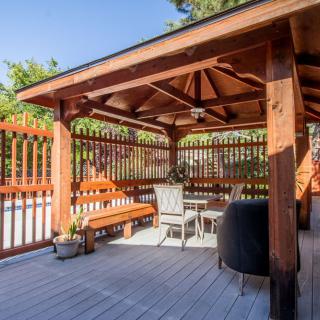
- The porch area and backyard are very nice.
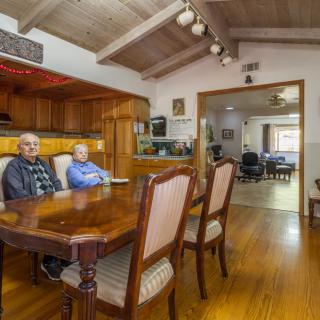
- Inside, the home is very nice with a huge living room, hardwood floors, and a fireplace.
- The bedrooms are fairly good-sized and can be shared or made into private rooms.
- There is a nice, large shared bath, and there is at least one smaller bath.
- The place is clean and homey, with several Christian icons around contributing to a welcoming atmosphere.
- Staff are helpful, with two nice staff members giving a tour.
Cons
 There were steps to the front door with no ramp in front.
- There were no private baths available.
- The staff's accents might be hard for her to understand.
- No one was ready to give them a tour at the scheduled tour time.
- The room and bathroom were shared.
- The residents were lounging in the living room in their nightgowns.
Review
St Francis Home is best suited for seniors who want a warm, home-like living environment in a quiet Concord neighborhood and who are comfortable sharing living spaces rather than insisting on private apartments. The appeal rests on a roomy, house-style setting with generous common areas, a welcoming porch and yard, and a flexible approach to rooming. For couples or roommates who can live without en suite bathrooms and who value social interaction and a casual, residential atmosphere, this community can feel for many like the right fit.
Those most likely to want alternatives are residents who require private bathrooms, standardized, highly structured programming, or front-entrance accessibility. The absence of private baths means privacy expectations must be tempered from the outset. Accessibility is also mixed: the front door has steps with no ramp, while a ramp exists on the garage side. Families needing fully accessible entry to accommodate walkers, wheelchairs, or heavy mobility needs may find this a hurdle. Additionally, the environment leans toward a faith-informed, homelike vibe, which may not suit secular or differently faith-aligned families seeking a strictly secular setting.
The advantages are meaningful. The property’s setting, beautiful neighborhood, corner lot, pleasant porch and backyard, creates a calm, residential mood that can be reassuring for residents and visiting families. Inside, a very large living room with hardwood floors and a fireplace reinforces a sense of “home,” while large bedrooms offer flexibility: rooms can accommodate couples, be shared, or potentially be reworked into private spaces. The presence of a large shared bathroom, along with at least one smaller bath, keeps daily routines practical for roommates or couples without private en-suites. In short, the pros favor social connection, comfort, and a lived-in, reassuring atmosphere, which can offset the privacy trade-offs for many.
On the downside, the most notable drawbacks center on privacy and accessibility. No private baths means roommates must share facilities, which can be a deal-breaker for someone prioritizing personal space and independent routines. Front-entry steps without a ramp present real access issues for residents with limited mobility, even though a ramp exists on the garage side. The daily rhythm described by observers, residents lounging in the living room in nightgowns, suggests a laid-back pace that may be wonderful for some, but may also signal a less structured routine for others who expect more activity coordination or dress norms. Finally, tours can feel unsettled: one reviewer noted that staff were not ready at the scheduled time, though polite staff members eventually led the tour. There is also a sense of a religiously inflected ambiance, marked by Christian icons, which may be comforting to some and off-putting to others.
The way the positives balance the negatives is tangible but depends on individual priorities. The homey, spacious layout and the ability to reconfigure living arrangements provide practical flexibility when private baths are not essential. The large common areas promote socialization and oversight, which can mitigate concerns about isolation. The partial accessibility, garage-side ramp, is better than none, yet it does not fully resolve entry barriers for all mobility levels, so potential residents must weigh the importance of easy front-door access against the cost of the privacy trade-off. The religious ambiance can be a strength for faith-aligned families seeking comfort and shared values, but it may require careful alignment with the resident’s own beliefs and routines.
For families weighing options, this community fits best those who prize a home-like, social setting over formal privacy, and who can work within the constraints of shared baths and limited front-entry accessibility. It’s a practical pick for seniors who value warmth, a strong sense of neighborhood charm, and flexibility in room use, provided expectations are aligned with a quiet pace and a casual daily rhythm. Those prioritizing private en-suite bathrooms, rigorous daily programming, or fully accessible front entry should actively compare alternatives with more complete private accommodations or on-site care structures. A thoughtful next step is to tour with a prepared checklist: confirm room configurations, verify whether private bath options exist, assess ease of front-entry access for current mobility needs, discuss daily activity offerings, and speak with current residents about how the house functions as a day-to-day home.
 Board and Care Home
 Private
 Metropolitan Oakland International (20 miles away)
 Diabetic care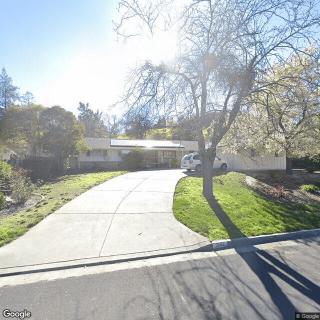


 Exploring the World of Home Health Nurses: Qualifications, Roles, and Hiring Tips
 Navigating Medicare Coverage for In-Home Care Services
 In-Home Care Costs in 2025: A Detailed State-by-State Exploration