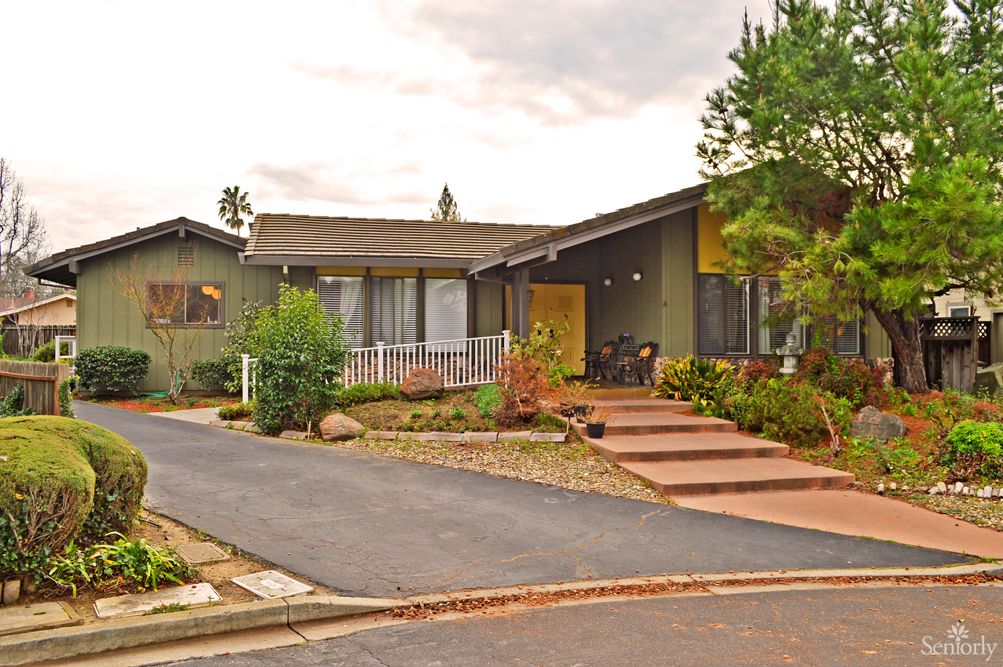
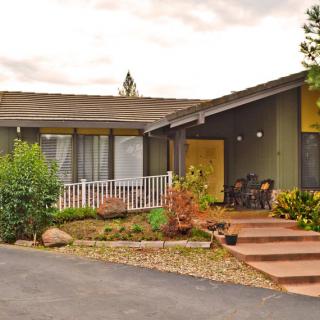

1751 Alray Drive, Concord, CA 94521
For more information about senior living options: (866) 208-4318
Penny's Guest Home (Alray) Costs & Pricing
Penny's Guest Home (Alray) offers private accommodations at a competitive rate of $3,000 per month. This pricing stands favorably against the average costs in Contra Costa County, where similar private rooms are priced at approximately $4,088, and across California, where the average is around $3,939. By providing a lower monthly fee than both the county and statewide averages, Penny's Guest Home positions itself as an appealing option for individuals seeking quality care without straining their budgets. This careful pricing strategy underscores a commitment to accessibility while maintaining high standards of service.
| Floor plans | Penny's Guest Home (Alray) | Contra Costa County | California |
|---|---|---|---|
| Private | $3,000 | $4,088 | $3,939 |
Assisted Living communities with a similar price nearby
-
About the same
Laylor Care Home For The Elderly
$3,000 to $4,000 / month10.5 miles away -
from -$500 / mo
Brentwood Care Home
$2,500 to $4,000 / month15.9 miles away -
About the same

Palm Garden Home Care
$3,000 to $4,000 / month10.3 miles away -
from +$195 / mo
Harbor Bay Assisted Living
$3,195 to $5,000 / month20.8 miles away -
from +$400 / mo

An Oak Grove Manor
$3,400 to $3,800 / month3.7 miles away
Overall Review of Penny's Guest Home (Alray)
Pros
 The Director is very nice.
- The owner was very nice.
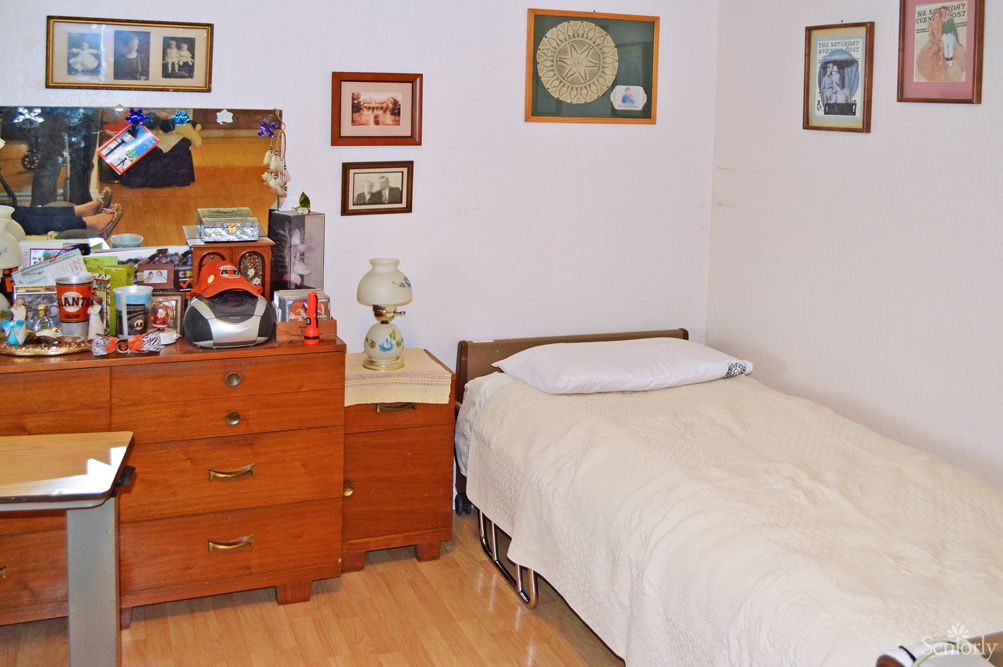
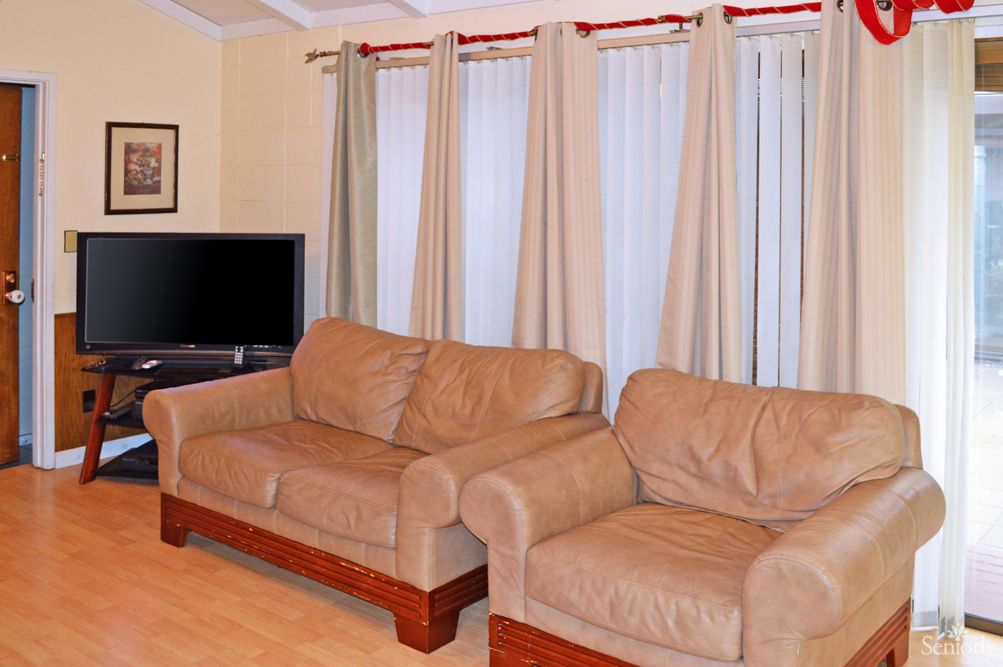
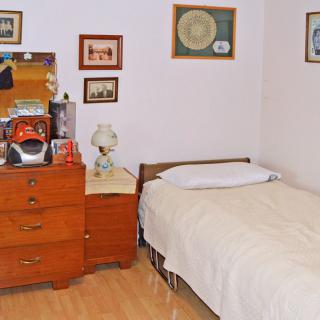
- The place is clean, bright, and friendly.
- Its proximity is a real plus.
- They would definitely consider it because of its close proximity.
Cons
 There was no separate bathroom.
- There was only one bathroom there.
- There was only one bathroom in the place, which had to be checked.
Review
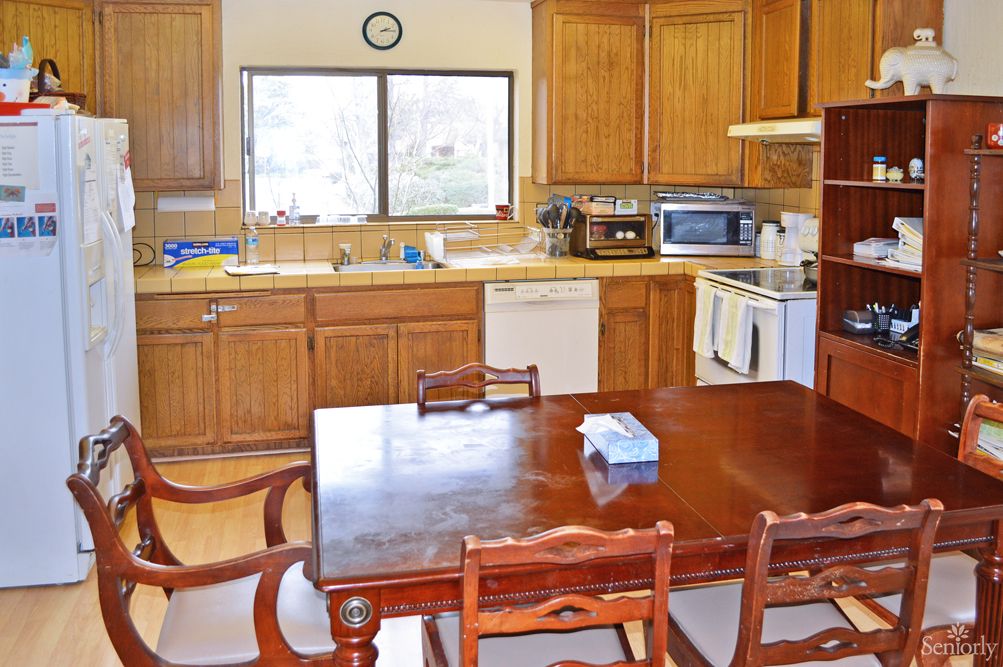
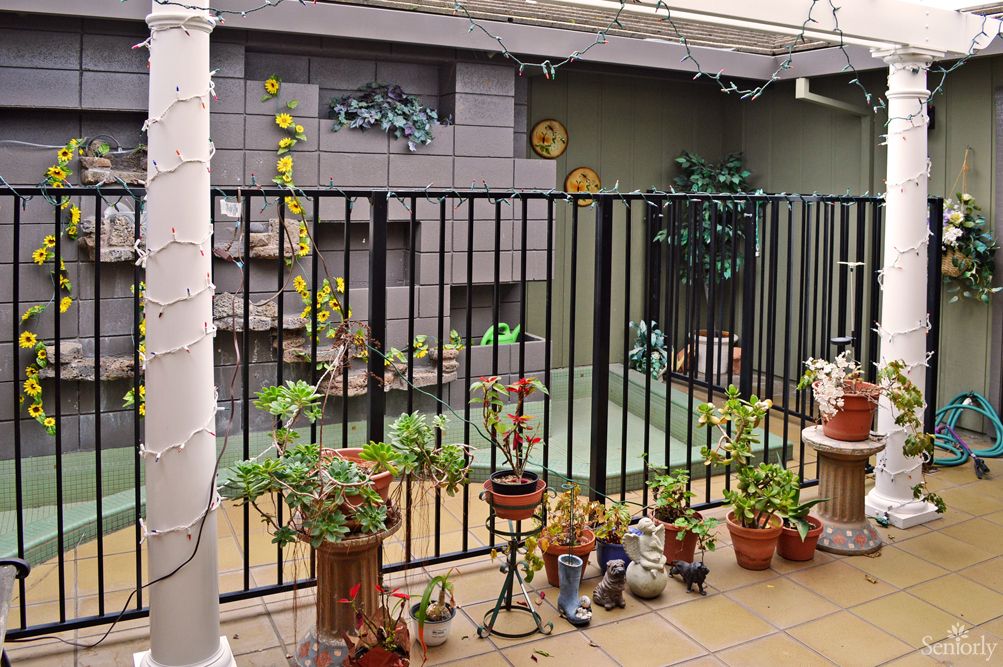
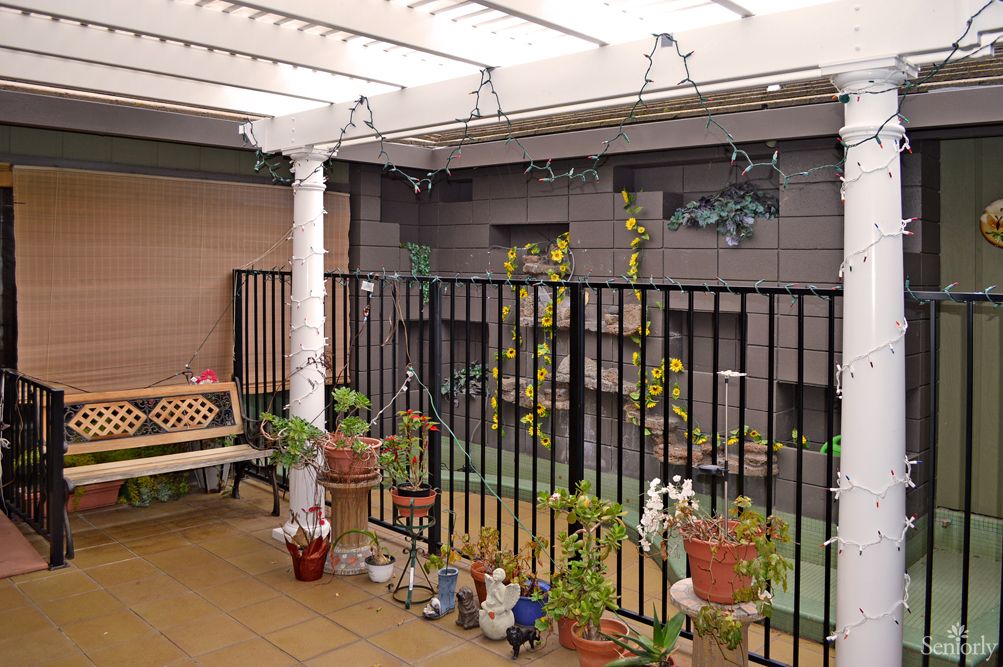
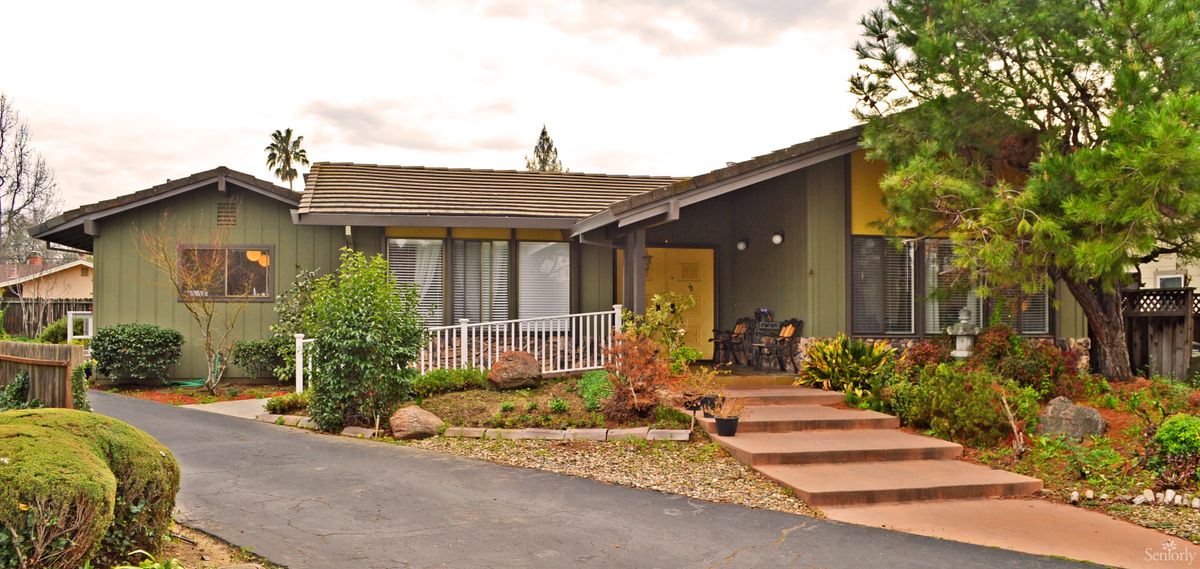
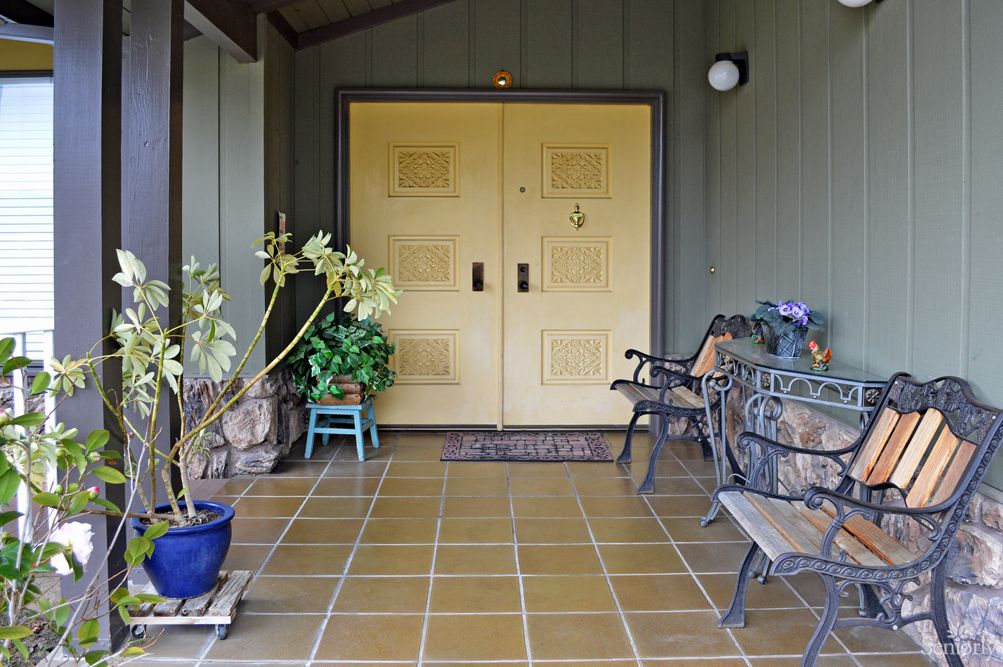
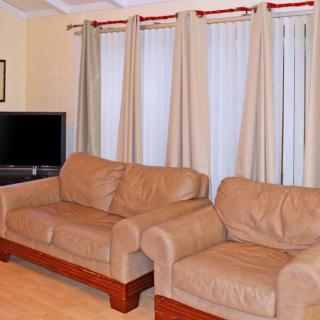
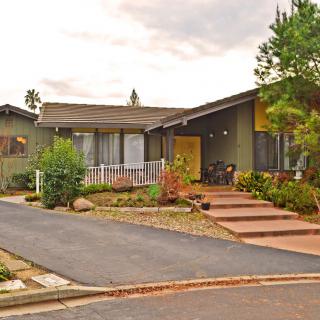
This community is best suited for seniors who want an intimate, home-like setting where staff are directly accessible and care feels personal. Penny’s Guest Home in Concord offers a compact, low-key environment that promotes routine, predictable days, and frequent staff interaction. It appeals particularly to families seeking proximity and ease of visit, with the reassurance that a small team can provide steady oversight. The director and owner come through as genuinely pleasant and attentive, and the overall vibe is clean, bright, and welcoming. For residents who prioritize a warm, almost familial atmosphere over a bustling campus feel, this setting can be a strong fit.
However, several caveats push families to consider alternatives. Those who require more than a single bathroom or value substantial privacy may find this arrangement limiting. The facility’s footprint is small, with a capacity of six residents and two caretakers, which inevitably constrains privacy and individual space. For seniors who need private en-suites or who demand a broader calendar of activities and amenities, larger communities with more bathrooms and diverse programs are likely to serve better. Similarly, residents with higher medical needs or who rely on more robust nursing support may outgrow a setting that relies on a tight two-caretaker model.
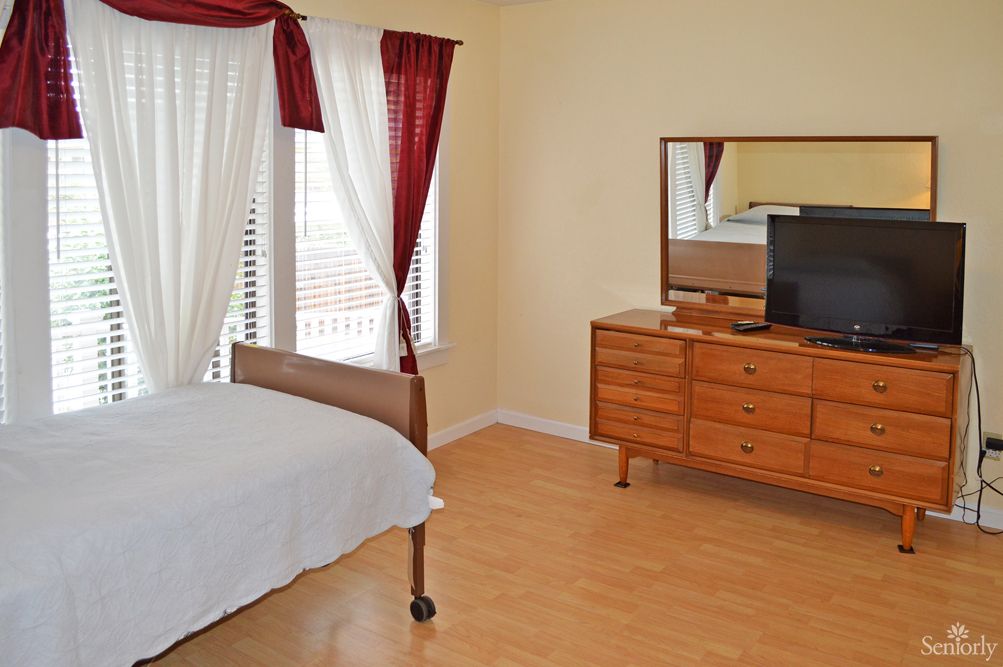
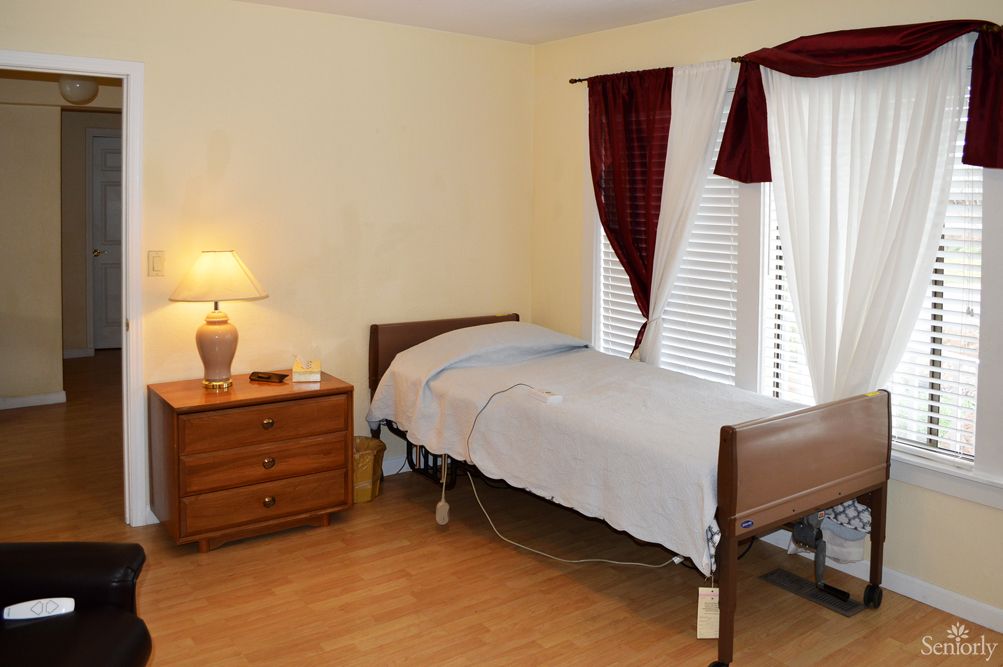
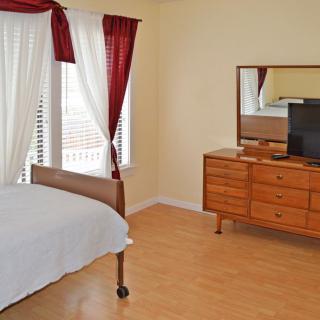
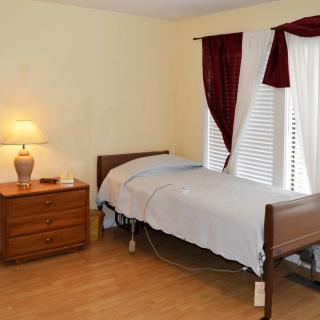
The strongest positives here lie in the tight-knit care dynamic and the sense of attention that a six-bedhome can cultivate. A two-to-six caregiver ratio translates into hands-on supervision and quicker response times, while the compact layout supports consistent routines and clear communication with staff. Clean, bright rooms and a friendly atmosphere reinforce a sense of safety and comfort. Proximity to family is repeatedly highlighted as a real plus, enabling easier quick visits and a lower barrier to ongoing involvement. In short, the intimacy of the operation can compensate for some limitations when the priority is visible, people-centered care.
The primary drawback revolves around the bathroom situation. The consistent note across reviews is the absence of a separate bathroom, effectively a single bathroom for the home’s occupants. This constraint can affect privacy, scheduling, and convenience, particularly for residents with mobility issues or those who value private restroom access. It also reduces options for socialization that are common to larger communities, where more facilities often mean less bottlenecked use and more privacy during morning routines or nighttime care. While the small scale can offset some inconveniences through familiarity and rapid assistance, the bathroom limitation remains a substantive con.
From a decision-making perspective, families should approach this option with a clear checklist. Schedule an in-person tour and specifically verify how many private bathroom options exist, how often the single bathroom is shared, and what contingency plans are in place for peak times. Probe the day-to-day schedule, meal service, and any planned activities, and ask about night staffing and emergency procedures. Clarify whether any rooms offer en-suite arrangements or if there is flexibility for minor room reconfiguration. Finally, speak with residents or families already connected to the home to gauge consistency between promotional impressions and lived experience.
The bottom line positions Penny’s Guest Home as a compelling choice for a small, personal care setting where warmth, direct access to caregivers, and close family involvement trump the appeal of larger, more feature-rich facilities. The director’s pleasant demeanor and the home’s clean, bright environment create a reassuring foundation. Yet the single bathroom stands out as the defining constraint, shaping privacy, daily flow, and social dynamics. If privacy and more extensive care capabilities are priorities, alternatives with greater bathroom availability and broader programming should be pursued. For families prioritizing proximity, a trusted small-team approach, and a homelike rhythm, Penny’s Guest Home warrants serious consideration.
 6 resident community capacity
 Assisted Living
 Board and Care Home
 Respite Care
 Cable or satellite TV
 Dining room
 Fully furnished
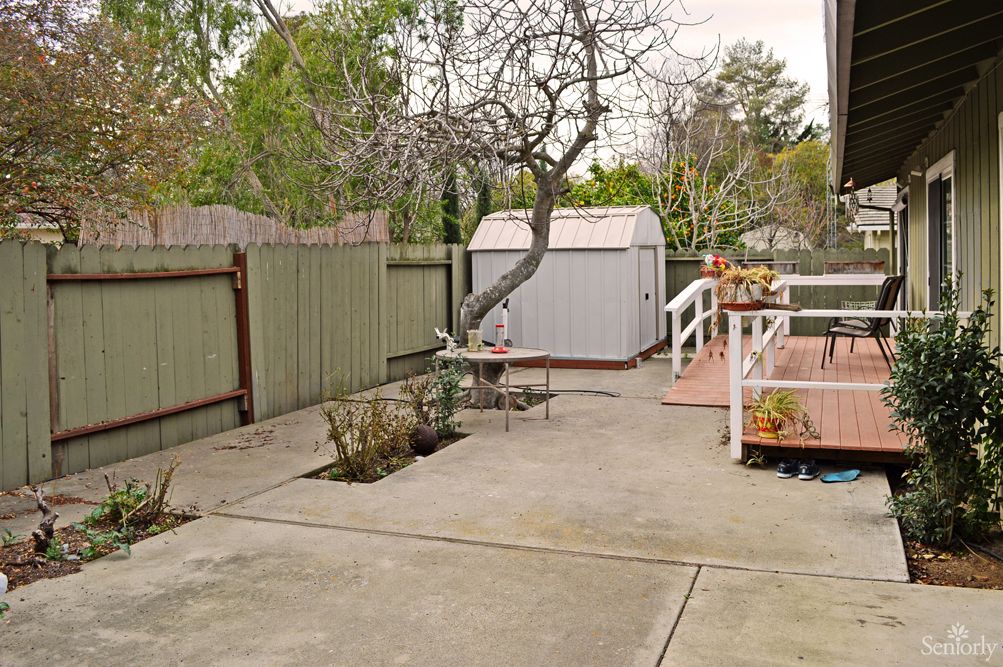
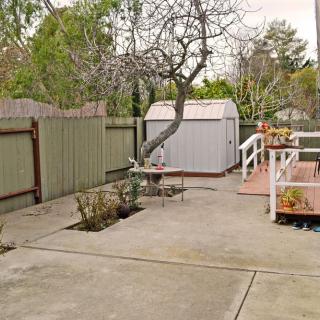
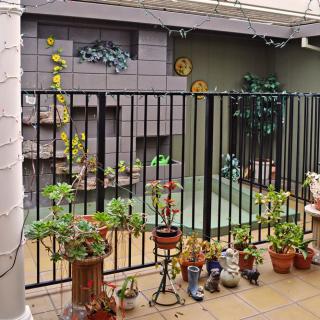
 Garden
 Housekeeping services
 Move-in coordination
 Outdoor space
 Private
 Small library
 Telephone
 Wheelchair accessible showers
 Metropolitan Oakland International (21 miles away)
 24-hour supervision
 Activities of daily living assistance
 Assistance with bathing
 Assistance with dressing
 Assistance with transfers
 Diabetes diet
 Meal preparation and service
 Medication management
 Special dietary restrictions




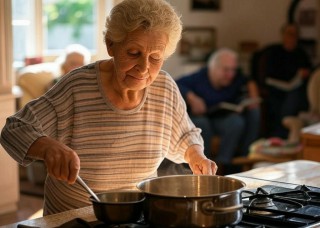 Comprehensive Insights into Activities of Daily Living (ADLs) and Their Assessment
 Medicare Coverage for Assisted Living: An In-Depth Exploration
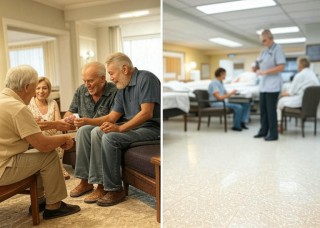 Choosing the Right Senior Care: A Detailed Exploration of Assisted Living and Nursing Homes