

1841 Andrea Lane, Concord, CA 94519
For more information about senior living options: (866) 208-4318
Agape Assisted Living Costs & Pricing
Agape Assisted Living offers private room accommodations at a monthly rate of $5,700, which significantly exceeds both the average costs in Contra Costa County, currently at $4,088, and the state average for California, standing at $3,939. This pricing reflects Agape's commitment to providing exceptional care and a quality living environment tailored to meet the unique needs of its residents. While it is above the regional and statewide averages, many families may find that the value offered by Agape in terms of personalized services and amenities justifies the higher investment in assisted living support.
| Floor plans | Agape Assisted Living | Contra Costa County | California |
|---|---|---|---|
| Private | $5,700 | $4,088 | $3,939 |
Assisted Living communities with a similar price nearby
-
from -$700 / mo

Blessing Home
$5,000 to $6,000 / month18.5 miles away -
from -$300 / mo

Bethel Care Home On Cottage
$5,400 / month7.5 miles away -
from -$700 / mo
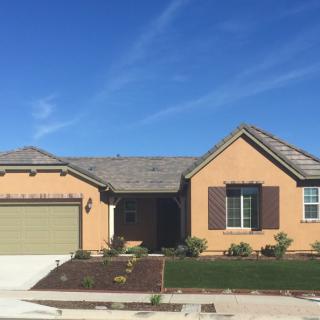
Harmony Care Home
$5,000 to $6,500 / month14.3 miles away -
from -$200 / mo

Carnelian III
$5,500 / month7.1 miles away -
from -$1100 / mo

Milan Villa Senior Living
$4,600 to $9,200 / month24.6 miles away
Overall Review of Agape Assisted Living
Pros
 They describe Agape Senior Living as a warm, compassionate home where love and care are evident.
- The staff, including Luke and Gabriela, are dedicated to meeting each resident's needs with great compassion.
- Dorina and Imogene are noted for being attentive and loving full-time staff.
- The caregivers are exceptional, treating residents with kindness, respect, and genuine affection.
- The team coordinates seamlessly with hospice, providing support that brings families peace of mind.
- The facility is spotless, clean, and well-maintained, offering a comfortable and welcoming environment.
- Mealtimes are delicious, flavorful, and thoughtfully prepared, enjoyed by residents.
- The care at Agape exceeds expectations and comes highly recommended for dignified, compassionate care.
Cons
 The reviewer found the facility pleasant but not right for their mom.
Review
Agape Assisted Living in Concord is best suited for families seeking an intimate, home-like environment where an older adult or a person with a chronic, demanding health profile can receive steady, compassionate care from a small, consistently available team. The community earns high marks for warmth, attention, and an ethos of dignity. Residents benefit from a setting that feels less like a facility and more like a carefully managed home, with staff who prioritize personal connections, patient listening, and individualized attention. The care philosophy is palpable in daily life: caregivers like Luke and Gabriela, along with Dorina and Imogene, are described as dedicated, affectionate, and relentlessly present for each resident’s needs, every day.
That emphasis, however, comes with a clear caveat: Agape may not be the right fit for every situation. For families whose loved one requires extensive 24/7 medical nursing, rapid emergency response, or a highly active calendar of events and programs, a larger community with broader on-site medical staff and activity options may be a better match. The anecdote about a reviewer finding a placement “pleasant but not right” for mom underscores a fundamental truth: when needs extend beyond a calm, homey routine and into more intensive clinical oversight or diverse social programming, a bigger campus may better accommodate those requirements. Prospective families should assess whether the intimate model aligns with the level of medical support and daily stimulation their loved one actually requires.
Yet the strongest pros here, cleanliness, a welcoming atmosphere, and consistent, high-quality caregiving, tend to offset the main drawbacks for many families. The facility is repeatedly described as immaculate and well maintained, with a homelike calm that reduces anxiety for residents and visitors alike. Mealtimes are a standout, with meals characterized as delicious and thoughtfully prepared, reinforcing the sense that daily life at Agape is both comfortable and nourishing. The staff’s ability to work in harmony with hospice and other care partners provides families with confidence that medical coordination and comfort go hand in hand, which softens concerns about what a smaller operation can or cannot handle.
The operation and governance of Agape further support a strong decision for families prioritizing reliability and accessibility. The owners, Luke and his wife, are recognized as capable, friendly stewards, and the administrator is described as easy to reach by phone or email. That level of open communication translates into care plans that feel transparent and responsive, a critical factor for families navigating complex transitions. Full-time staff like Dorina and Imogene exemplify the consistency that makes residents feel secure, while the overall team demonstrates a capacity to tailor care to individual histories, preferences, and routines without sacrificing dignity or pace.
From the resident perspective, Agape offers a pace and environment where social opportunities can be chosen or declined at any moment. Residents can socialize when desired or retreat to quieter spaces, with rooms described as pleasant and comfortable. The homey, peaceful ambiance contributes to a sense of stability for families and residents alike, especially for those who value predictable routines and deliberate, unhurried care. The consistent communication about weekly happenings and the attentive care provided during visits help families feel informed, connected, and confident that their loved one is being treated with respect and genuine affection.
Ultimately, the decision favors Agape for families seeking a committed, warmly run, clean, small-scale community where caregivers treat residents with remarkable kindness and attention. It suits seniors who prioritize a peaceful, dignified living environment and clear, open lines of communication with staff and administrators. For those whose loved one requires more expansive medical resources, a robust activity calendar, or faster escalation options, alternatives with larger campuses may offer advantages. Agape stands out as a prudent choice for a tranquil, well-managed home where compassion is not a marginal feature but the core operating principle.
 6 resident community capacity
 Assisted Living
 Board and Care Home
 Respite Care
 Dogs allowed
 Activities off-site
 Bath tubs
 Cable or satellite TV
 Devotional services off-site
 Dining room
 Fully furnished
 Garden
 Housekeeping services
 Indoor common areas
 Laundry
 Move-in coordination
 Outdoor common areas
 Private
 Private bathrooms
 Telephone
 Wheelchair accessible showers
 Wi-Fi/high-speed internet available
 Metropolitan Oakland International (21 miles away)
 24-hour supervision
 Ambulatory care
 Assistance with bathing
 Assistance with dressing
 Assistance with transfers
 Diabetes diet
 Diabetic care
 High acuity care
 Incontinence care
 Meal preparation and service
 Medication management
 Special dietary restrictions
 Transportation arrangement (medical)
 Transportation to doctors appointments
 Christian services




 8 Key Indicators That Suggest It May Be Time to Transition from Assisted Living to Skilled Nursing Care
 Vibrant Senior Living: A Comprehensive Guide for Active Older Adults
 When to Transition from Assisted Living to Memory Care: Key Indicators, Steps, and Finding the Right Community