
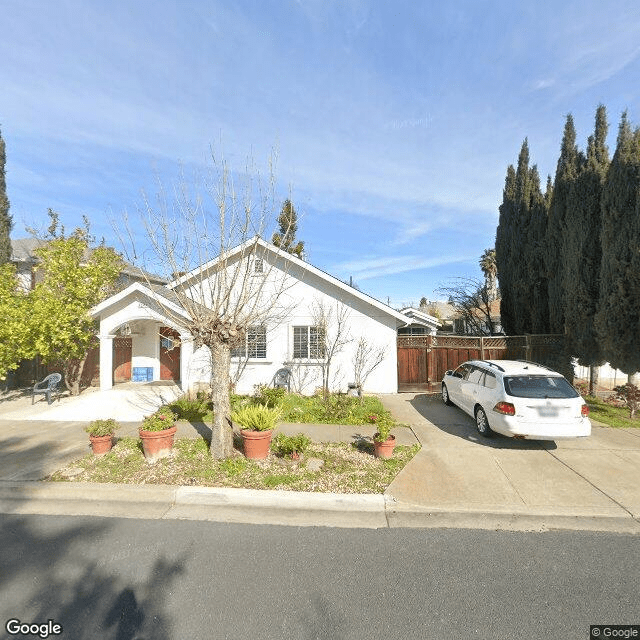
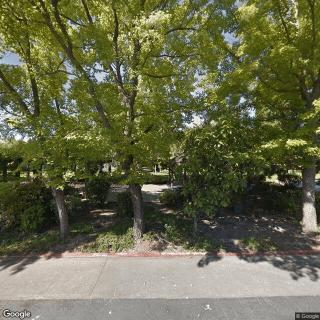
3647 Wren Ave, Concord, CA 94519
To contact a resident: (925) 788-2530
For more information about senior living options: (866) 208-4318
LT Cozy Home Care Costs & Pricing
At LT Cozy Home Care, the monthly cost for a private room is set at $4,600. This rate reflects the personalized care and attention provided to each resident, ensuring a supportive and comfortable environment. When compared to the average costs in Contra Costa County, which stand at approximately $4,088 for similar accommodations, LT Cozy Home Care positions itself slightly higher. Additionally, it surpasses the state average of $3,939 for private rooms across California. This pricing strategy underscores our commitment to delivering exceptional care and services tailored to meet the unique needs of our residents while maintaining a homelike atmosphere.
| Floor plans | LT Cozy Home Care | Contra Costa County | California |
|---|---|---|---|
| Private | $4,600 | $4,088 | $3,939 |
Assisted Living communities with a similar price nearby
-
from +$400 / mo
Blessing Home
$5,000 to $6,000 / month18.6 miles away -
from -$600 / mo
Golden Age Of Channing Way
$4,000 to $5,000 / month21.0 miles away -
About the same
Pleasanton Senior Care Villa
$4,500 / month22.6 miles away -
from +$800 / mo

Bethel Care Home On Cottage
$5,400 / month7.6 miles away -
from +$400 / mo
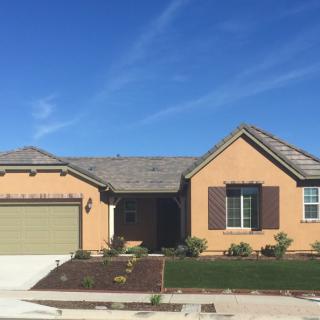
Harmony Care Home
$5,000 to $6,500 / month14.2 miles away
Overall Review of LT Cozy Home Care
Pros
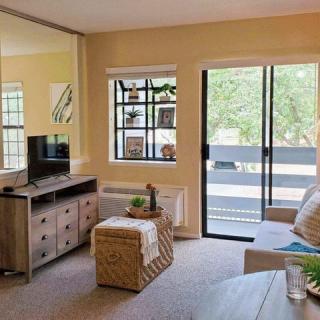
 The bedroom in the back with a sliding door to the deck is nice.
- The staff were very pleasant.
- The caregivers were friendly and easy to talk to.
- It was a nice home.
- Both homes are great, with great people running them.
Cons
 The reviewer gave it a 1/5 rating.
 - The residents were not interactive, with two on hospice and another sitting in the living room.
- The location was farther from the reviewer's home than they would have liked.
- The home was clean but older and not as fresh as the reviewer would prefer.
- There were no activities or much social interaction.
- No one answered the door during the scheduled visit, and there was a missed opportunity to reschedule when Luke was ill.
- The staff were pleasant but not the right place for mom.
- The caregivers were friendly and easy to talk to but not as cozy as the name implies.
Review
LT Cozy Home Care in Concord is best suited for families seeking a very small, family‑run, home‑like setting where caregivers know residents by name and privacy, pace, and a quiet atmosphere take precedence over formal programming. The layout and vibe cater to residents who don’t require a bustling activities calendar or institutional feel, and who are comfortable with a more intimate level of care. The home appears to attract residents who are older and whose needs can be met through basic assistance in a friendly, neighborly environment, including situations where family members remain closely involved in day‑to‑day oversight.
Those considering alternatives should note a few red flags for anyone who prioritizes social engagement, proactive communication, or modern amenities. If robust daily activities, structured programming, and highly proactive care coordination are nonnegotiables, this is unlikely to be the best fit. Distance from the family home is also a practical concern; for families needing frequent in‑person check‑ins or excursions, a nearby option with stronger outreach and scheduling reliability will typically deliver less friction. Additionally, for households seeking a newer facility with brighter common areas and a more contemporary kitchen or living spaces, other providers may offer a more satisfying “cozy” perception in practice.
On the upside, the home’s strengths lie in its intimate scale and the personal touch that comes with a family‑run operation. Residents can benefit from a setting that feels like a private residence rather than a care institution, with staff who are described as pleasant and easy to talk to. The physical footprint includes a bedroom toward the back with a deck door, which adds a private outdoor amenity and a sense of personal space. Cleanliness is noted, and the two bathrooms accessed from the hall provide practical, straightforward functionality without the clutter of a larger facility. In short, the care environment can feel dependable and predictable for families who value consistency and direct access to familiar faces.
Yet the most consequential drawbacks are structural to the model. There is little to no programmed social activity or communal engagement, which can lead to isolation for residents who crave interaction or purposeful daily routines. Scheduling and responsiveness appear inconsistent, one visit noted there was no door answer, and a caregiver who was supposed to reschedule due to illness did not follow up promptly. The presence of hospice or high‑needs residents reflects a capacity to manage advanced care in a home setting, but it can also amplify the importance of rapid communication and reliable availability, areas where experience here seems uneven. The overall impression is of a cozy, quiet home rather than a resource-rich living environment, with “cozy” falling short of expectations for some reviewers.
In practical terms, the pros and cons must be weighed against what matters most to the family. If a resident’s priority is a short drive from neighborhood familiarity, close, personal attention, and a calm, private setting with familiar faces, LT Cozy Home Care may deliver sufficient comfort and continuity. If, however, a resident needs regular social activities, a busy calendar of events, highly predictable staffing and scheduling, or a more polished, modern atmosphere, the negatives will likely outweigh the positives. Families should press for specifics during tours: how activities are organized, how often staff respond to inquiries, how often visits are rescheduled, and how communications are documented and shared with family members.
Bottom line: LT Cozy Home Care serves a distinct niche, one defined by small scale, family involvement, and a quiet, homey feel. It can be a comforting choice for residents who prioritize privacy and personal attention over programming and institutional polish. For most other families, especially those seeking robust social engagement, aggressive scheduling reliability, and a more contemporary setting, alternatives in Concord or nearby communities are worth exploring. The operator’s other nearby home option, recalling favorable feedback from some reviewers, may be more aligned with expectations for coziness and consistent care, reinforcing the idea that this provider can differ meaningfully from one house to the next.
 6 resident community capacity
 Assisted Living
 Board and Care Home
 Cable or satellite TV
 Dining room
 Fully furnished
 Garden
 Housekeeping services
 Move-in coordination
 Outdoor space
 Private
 Telephone
 Wi-Fi/high-speed internet available
 Metropolitan Oakland International (21 miles away)
 24-hour supervision
 Activities of daily living assistance
 Ambulatory care
 Assistance with bathing
 Assistance with dressing
 Assistance with transfers
 Diabetes diet
 Diabetic care
 High acuity care
 Meal preparation and service
 Medication management
 Special dietary restrictions
 Transportation arrangement (medical)
 Transportation to doctors appointments
 Christian services


 Vibrant Senior Living: A Comprehensive Guide for Active Older Adults
 When to Transition from Assisted Living to Memory Care: Key Indicators, Steps, and Finding the Right Community
 Assisted Living and Memory Care: Understanding Their Core Differences