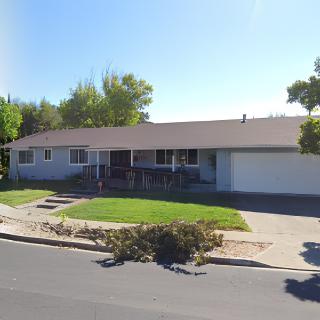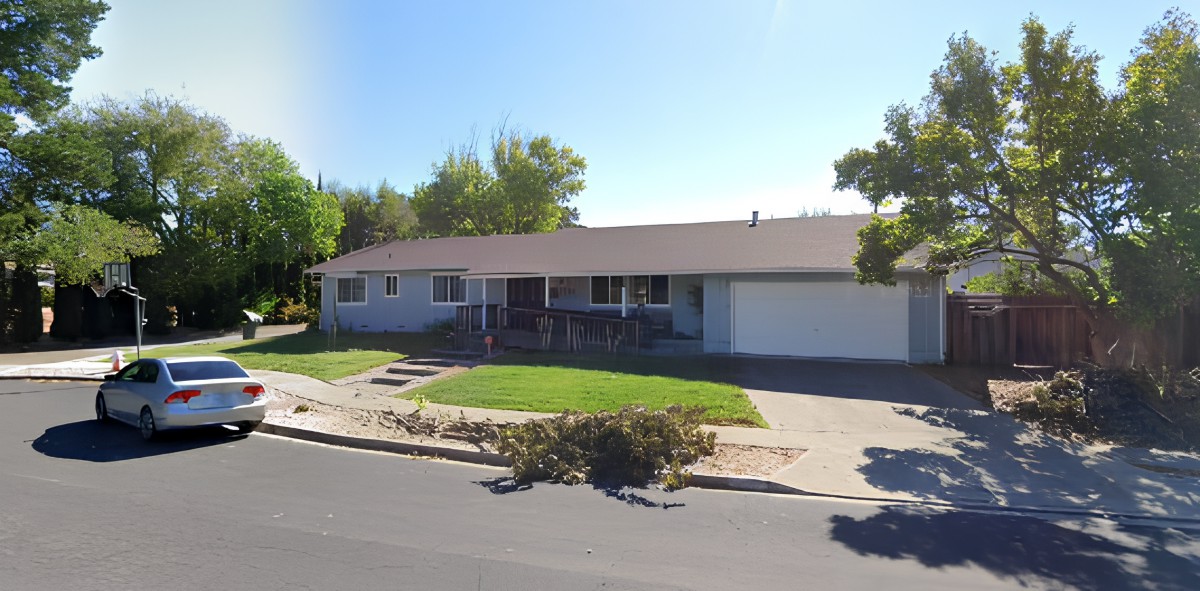
1034 Stimel Drive, Concord, CA 94518
For more information about senior living options: (866) 208-4318
Overall Review of Jefferson Care Home
Pros
 The sister received loving care for over nine years at JCH, with Dennis Ambat as administrator.
- Dennis went over the top to ensure they both had their basic needs met and felt loved and respected.
- He went the extra mile to enable activities within their capacities, such as taking walks and putting away their own laundry.
- He made life fun by decorating for the holidays and helping them participate in the decorations as they could.
- JCH is located in an ideal area at the end of a dead-end street in a quiet neighborhood, with a park nearby.
- The Jefferson Care Home is described as a true home—a place of attentive care, cleanliness, humor, and compassion.
- Residents were treated as valuable members of a family, with medical needs met.
Cons
 The reviewer notes that no one called to inform them that their mother had passed away.
Review
Jefferson Care Home in Concord is best suited for families seeking a small, home-like setting where personal attention and long-tenured caregiving are the core. The community relies on an administrator who actively shapes daily life, and residents benefit from consistent, relationship-focused care rather than a clinical, impersonal atmosphere. This is the kind of place where staff know individual routines, preferences, and small ways to celebrate life, creating a sense of belonging rather than a rigid, institutional cadence. The quiet, end-of-street location and nearby park space amplify the feeling of safety and manageability for seniors who wish to stay engaged without the bustle of larger facilities.
That said, alternatives should be on the radar for families with specific expectations around medical intensity, memory-care specialization, or crisis communication. If around-the-clock medical supervision, rapid escalation capabilities, or highly structured memory-care programming are non-negotiable, Jefferson Care Home may fall short. A complaint reflected in the experiences shared by families highlights a moment of poor crisis communication, the kind of gap that matters when news is difficult and timing is critical. For residents with high-acuity needs, or for those who want formalized notifications and documented emergency protocols, a larger campus with dedicated nursing teams and more transparent communications might be more appropriate.
The strongest counterweight to these limitations lies in Ambat’s leadership and the relational care that permeates the home. Two families describe care that feels as much like belonging to a family as a resident’s routine allows, caregivers meeting basic needs and then elevating everyday life with humor, warmth, and patient empowerment. The ability to involve residents in activities, like decorating for holidays or taking short walks, demonstrates a commitment to dignity and autonomy. In practice, this means residents aren’t just recipients of care; they are participants who retain agency within a supportive, affectionate framework, which can significantly boost mood and quality of life over time.
Environment and day-to-day atmosphere further reinforce the positive dynamic. The home presents as clean, comfortable, and non-clinical, with a tone of approachability that makes navigation of routines feel predictable rather than precarious. Families report that staff treat residents as valuable individuals, a factor that translates into reliable help with daily tasks, timely medical coordination, and opportunities for meaningful social engagement. Proximity to a nearby park for strolls and outdoor time also supports physical well-being and mental stimulation, helping seniors maintain a sense of normalcy and routine in the aging process.
Still, the cautionary note about crisis communication cannot be dismissed. A single lapse, being unable to relay critical news about a loved one’s death, casts a long shadow over otherwise strong relational care. It is not enough to rely on warm, daily interactions if emergent situations are inadequately communicated. The facility’s 3.7 rating, shaped by two highly positive experiences and one highly negative one, signals that Jefferson Care Home excels in person-centered care but has meaningful opportunities to strengthen processes that protect families during emergencies. Prospective clients should weigh the emotional benefits of a home-like environment against the necessity for reliable, timely updates when navigation through difficult moments is required.
Bottom line: Jefferson Care Home offers compelling value for families prioritizing intimacy, warmth, and long-term relational care in a tranquil Concord setting. It is less well-suited for those who demand robust clinical oversight, formalized crisis protocols, or advanced memory-care programming on a large campus. Interested families should visit with a focused checklist that includes observing staff responsiveness during routine tasks, asking about crisis communication protocols, and reviewing how medical information is documented and shared. If those elements align with a desire for a lovingly tended, human-centered environment, Jefferson Care Home stands out as a practical and heartfelt option worth pursuing.
 6 resident community capacity
 Assisted Living
 Board and Care Home
 Respite Care
 Cable or satellite TV
 Dining room
 Fully furnished
 Garden
 Housekeeping services
 Move-in coordination
 Outdoor space
 Telephone
 Wi-Fi/high-speed internet available
 Metropolitan Oakland International (18 miles away)
 24-hour supervision
 Activities of daily living assistance
 Assistance with bathing
 Assistance with dressing
 Assistance with transfers
 Diabetes diet
 Meal preparation and service
 Medication management
 Special dietary restrictions
 Transportation arrangement (medical)
 Transportation to doctors appointments






 Senior Transition Services: Understanding Their Role, Cost, and Importance
 Exploring the Path to Senior Living: A Comprehensive Look at Independent Living and Assisted Living
 Is Assisted Living Deductible on Your Taxes? Understanding the Complexities of Assisted Living Expenses and Deductions