

3480 Buskirk Avenue, Pleasant Hill, CA 94596
To contact a resident: (925) 932-3656
For more information about senior living options: (866) 208-4318
Overall Review of Tender Loving Care
Pros
 Brian is absolutely the best, consistently encouraging and kind.
- Daniel and the therapy team are top-notch and very knowledgeable.
- Miriam Morrill is a compassionate and competent physical therapist who helped with neck pain and fast-tracked care.
- Coop and Carrie are affirming, thoughtful therapists who listen well.
- The staff is efficient and the office is beautiful.
- Stan is amazing as a physical therapist.
- Emily and Erin are miracle workers who have helped the patient feel better.
- Therapists take time to know clients and tailor routines to their needs.
Cons
 The facility is described as charging hospital-level prices and leaving patients with surprise bills.
 - Todd is described as not wanting to work with disabled children and as canceling the 4:30 appointment.
- Jennifer in reception is described as incredibly rude and argumentative, hindering scheduling and insurance discussions.
- The scheduling process is said to cause long wait times and restrict the ability to book more appointments due to insurance limits.
- Management is described as prioritizing getting people in and out within six months, implying a focus on turnover over long-term care.
Review
Tender Loving Care in Pleasant Hill is best suited for adults who want aggressive, hands-on physical therapy and rehabilitation delivered by highly skilled clinicians, with a strong track record in post-surgical recovery, musculoskeletal rehab, and active lifestyle restoration. The center earns praise for therapists who design individualized home programs, take time to understand each patient’s goals, and produce tangible improvements in strength, range of motion, and daily function. It is a solid choice for someone who prefers a clinic environment with experienced rehab professionals and a responsive, resourceful team that can push through setbacks toward meaningful progress.
Those who may want to consider alternatives include families seeking near-perfect scheduling predictability and fully transparent, hospital-level billing practices. A recurring theme across reviews is friction around appointment availability, wait times, and insurance-related scheduling hurdles, including instances of “hospital-style” billing surprises. Parents pursuing long-term pediatric or autism-focused therapies, especially when consistency and ongoing engagement are critical, may find the staff mix uneven and the front-desk experience challenging. In short, for families prioritizing frictionless administration and trouble-free funding conversations, other options could be worth examining.
The strongest pros hinge on the depth and breadth of clinical talent. Multiple clinicians, often cited by name, are described as top-tier: therapists who are knowledgeable, compassionate, and dedicated to individual progress plans. Postoperative and injury recoveries frequently highlight rapid gains, with patients reporting renewed capacity for training, walking through pain, or regaining neck and back mobility. The sense that therapists listen, tailor routines, and stay engaged with patients’ day-to-day goals emerges repeatedly. The office environment, too, is praised for efficiency and the therapists’ willingness to educate and coach at length, producing a sense of reassurance that a credible recovery pathway exists.
Yet, the main cons cannot be dismissed. Several reviews flag billing and scheduling as notable pain points. Instances of unexpected charges associated with hospital-like billing, delays in securing frequent appointments, and long wait times point to a systemic friction that can complicate budgeting and planning. Front-desk interactions receive mixed feedback, occasionally described as courteous and professional, other times as abrasive or unhelpful, adding a layer of stress to already demanding rehabilitation journeys. When a patient relies on prompt access to care, such disruptions can erode the overall value proposition, even as the clinical outcomes remain compelling.
The key pros do offset the cons in ways that matter for serious rehab. Exceptional therapists consistently deliver measurable improvements, and their commitment to personalized home programs helps sustain progress beyond each session. The combination of skilled manual therapy, targeted exercises, and the willingness to adapt plans as goals evolve often translates into faster recovery than most comparable clinics. The environment itself, an organized, aesthetically pleasing setting with a culture of attentiveness, supports adherence to prescribed routines and fosters trust. For individuals who can navigate scheduling quirks and vet billing questions with some diligence, the payoff in function and confidence can be substantial.
Decision-makers should align expectations with these realities. If recovering from spine, hip, neck, or other musculoskeletal injuries and aiming for aggressive, accountable rehab, Tender Loving Care offers a compelling mix of clinical excellence and practical rehab philosophy. Prospective clients should enter discussions with a clear plan for appointment scheduling and billing: request upfront explanations of anticipated charges, confirm the number of visits covered by insurance, and establish a preferred schedule that minimizes gaps. It is wise to identify a single or small team of therapists whose approach matches the patient’s goals and to set a plan for regular progress reviews to avoid drift.
In the end, Tender Loving Care stands out for its clinical strength and patient-centered rehab results, particularly for adult patients intent on restoring function after surgery or injury. For families who can tolerate occasional administrative bumps and who value a proven therapeutic alliance with highly capable clinicians, this facility is a sound, results-driven choice. If transparency in billing, near-perfect scheduling consistency, or specialized long-term pediatric therapy is non-negotiable, it pays to compare alternatives or demand concrete assurances before committing. The right fit hinges on balancing the extraordinary clinical upside with the practicality of access and administrative clarity.
 Metropolitan Oakland International (18 miles away)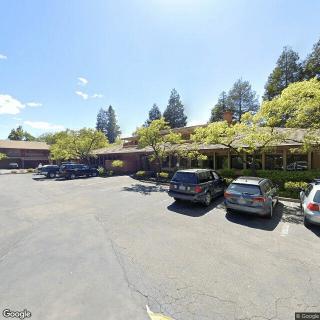







 Comprehensive Exploration of Living Wills and Other Advance Directives
 A Detailed Exploration of Living Wills and Advance Directives
 Comprehensive Guide to Medicare Coverage for Hospice Care