


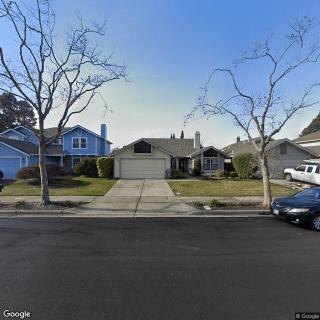
1319 Linden Drive, Concord, CA 94520
For more information about senior living options: (866) 208-4318
Blue Horizon Living Costs & Pricing
At Blue Horizon Living, the monthly cost for a semi-private room stands at $3,700. This price reflects a competitive positioning when compared to Contra Costa County, where similar accommodations average around $3,471, and it is slightly above the statewide average of $3,333 for California. While Blue Horizon Living's rates may be higher than both local and state averages, they often encompass additional amenities and services that contribute to enhanced care and support for residents. This investment in quality can provide peace of mind for families seeking exceptional living conditions for their loved ones.
| Floor plans | Blue Horizon Living | Contra Costa County | California |
|---|---|---|---|
| Semi-Private | $3,700 | $3,471 | $3,333 |
Memory care communities with a similar price nearby
-
from -$700 / mo
Laylor Care Home For The Elderly
$3,000 to $4,000 / month12.8 miles away -
from -$505 / mo
Harbor Bay Assisted Living
$3,195 to $5,000 / month18.4 miles away -
from +$300 / mo
Golden Age Of Channing Way
$4,000 to $5,000 / month18.4 miles away -
from -$200 / mo
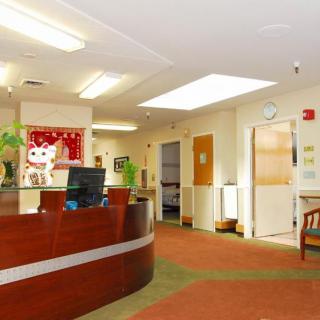
East Bay Assisted Living
$3,500 to $5,000 / month15.0 miles away -
from +$275 / mo
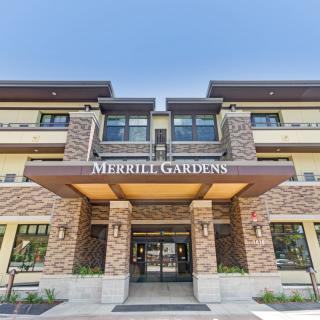
Merrill Gardens at Lafayette
$3,975 to $8,995 / month5.8 miles away
Overall Review of Blue Horizon Living
Pros
 The facility and its owner and caregivers are incredible.
- They truly care about each individual in their care.
- It is a home away from home for residents.
- They are knowledgeable about medications and prioritize quality of life over medicating.
- They are kind and selfless.
- The food is homemade and healthy.
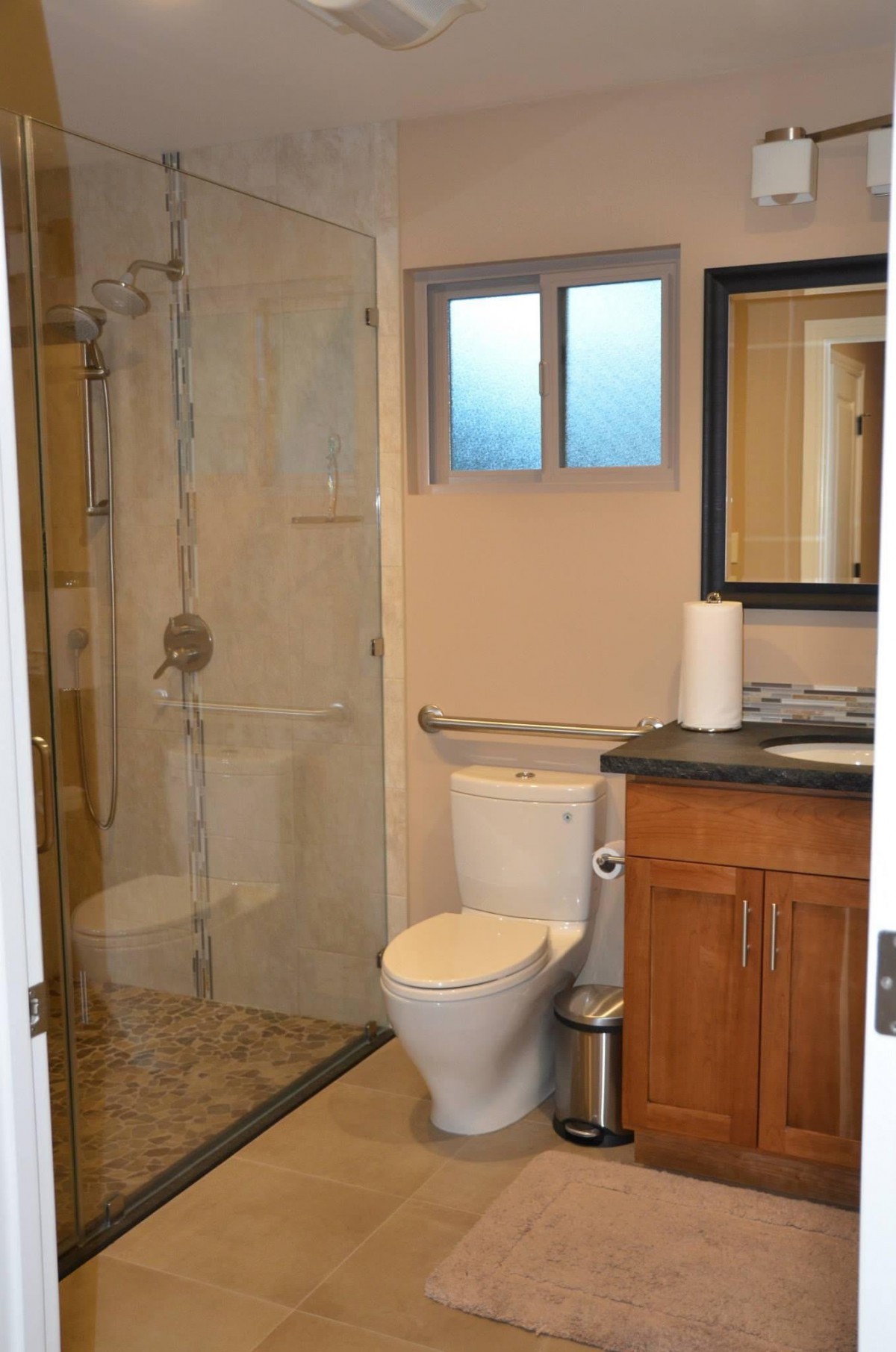
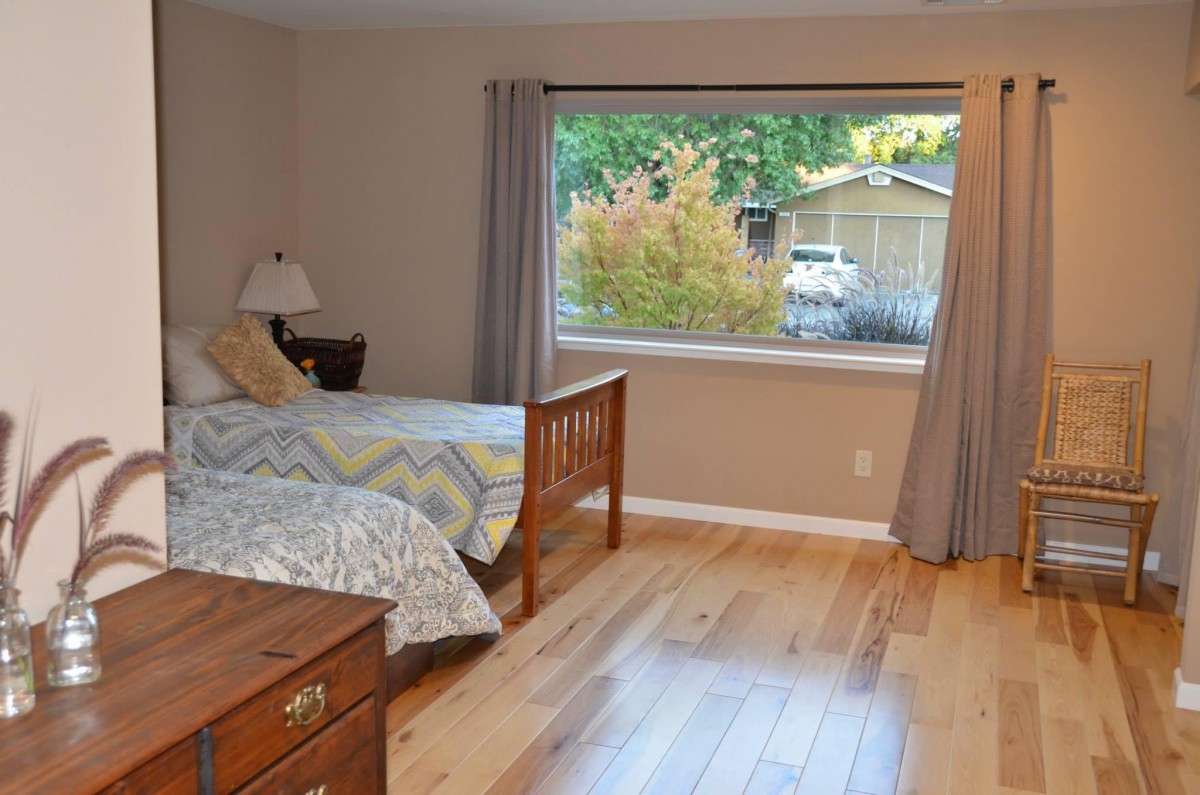
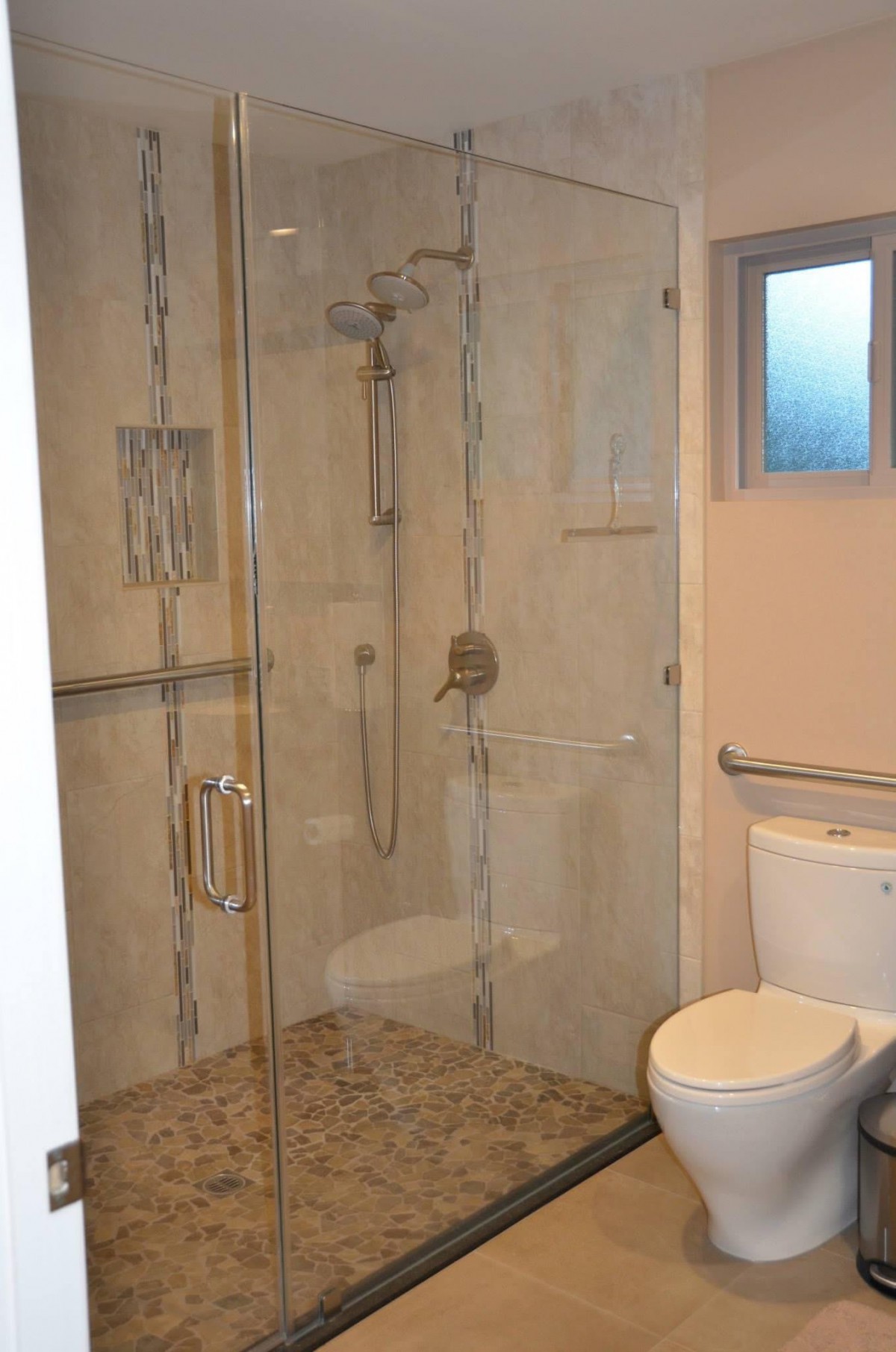
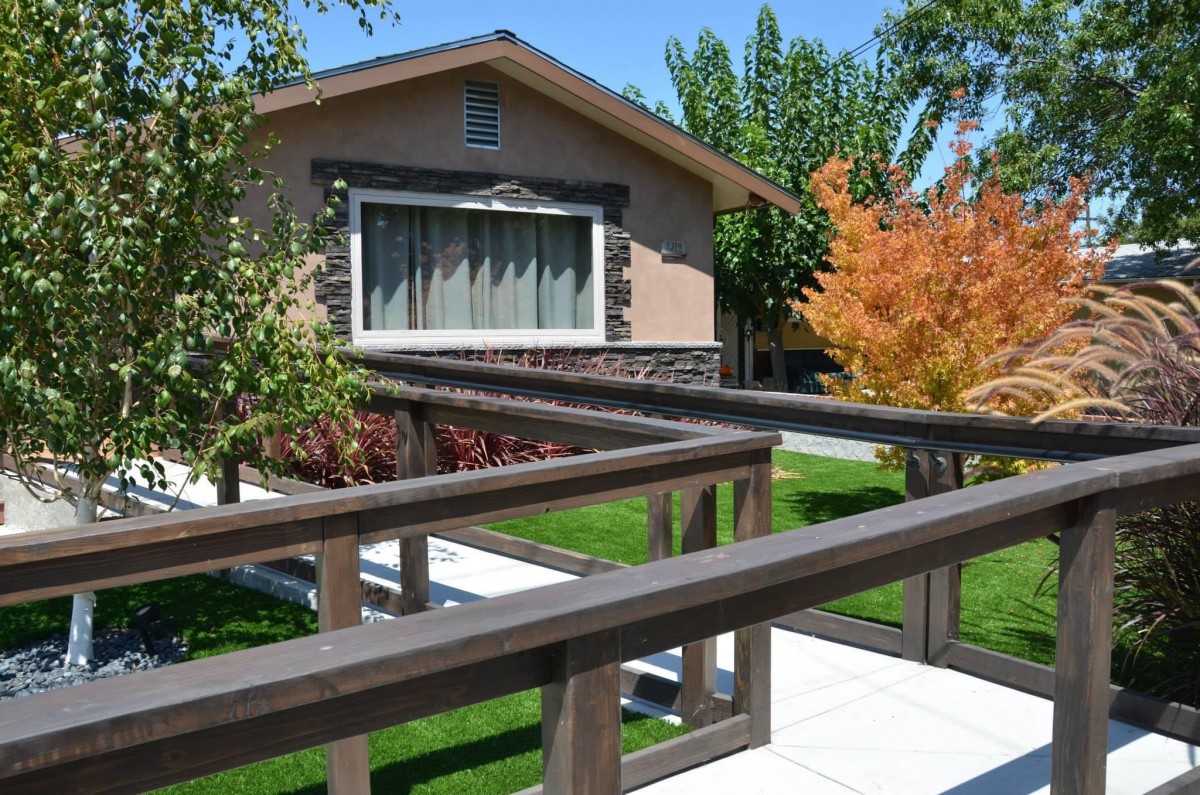
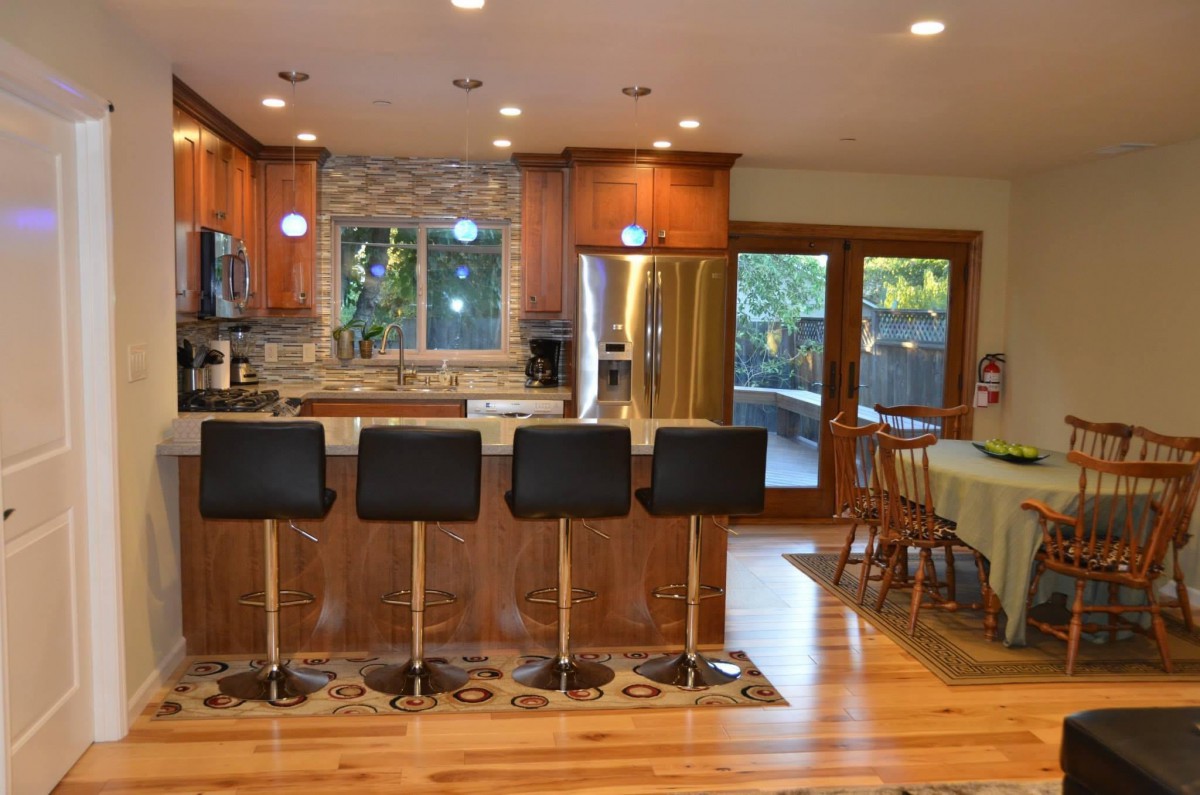
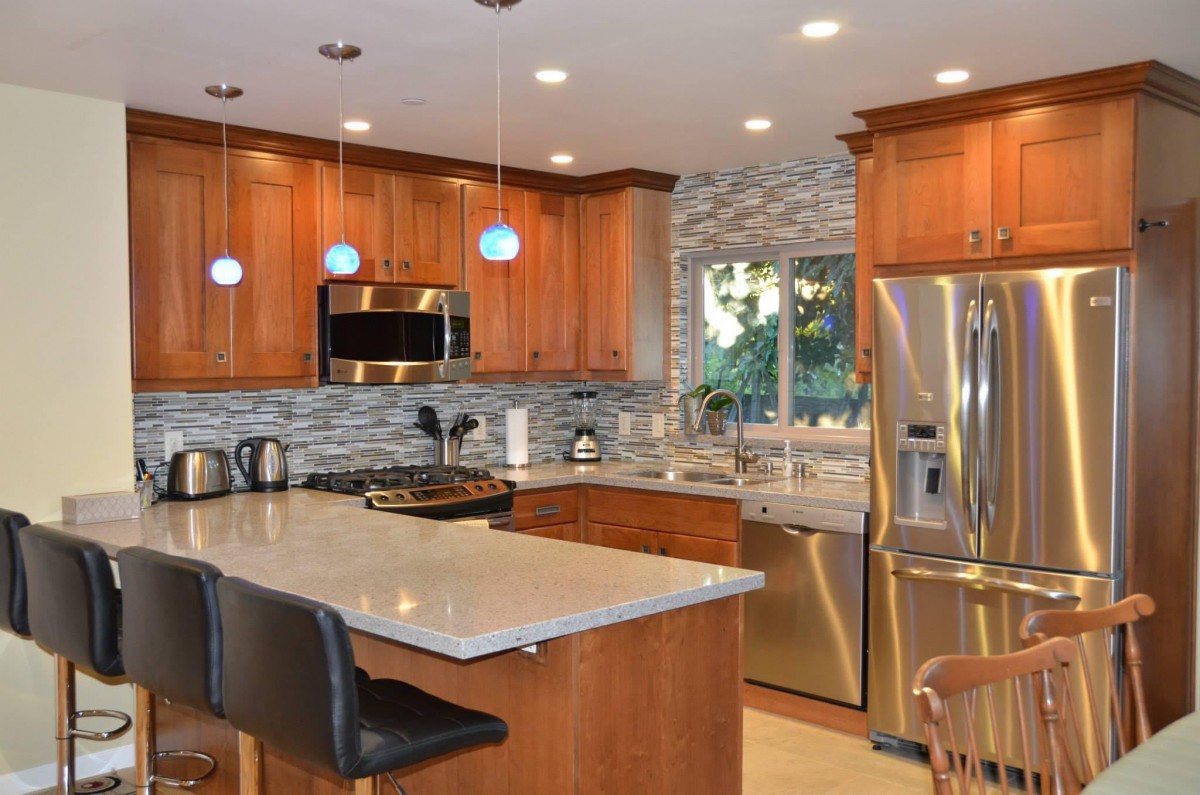
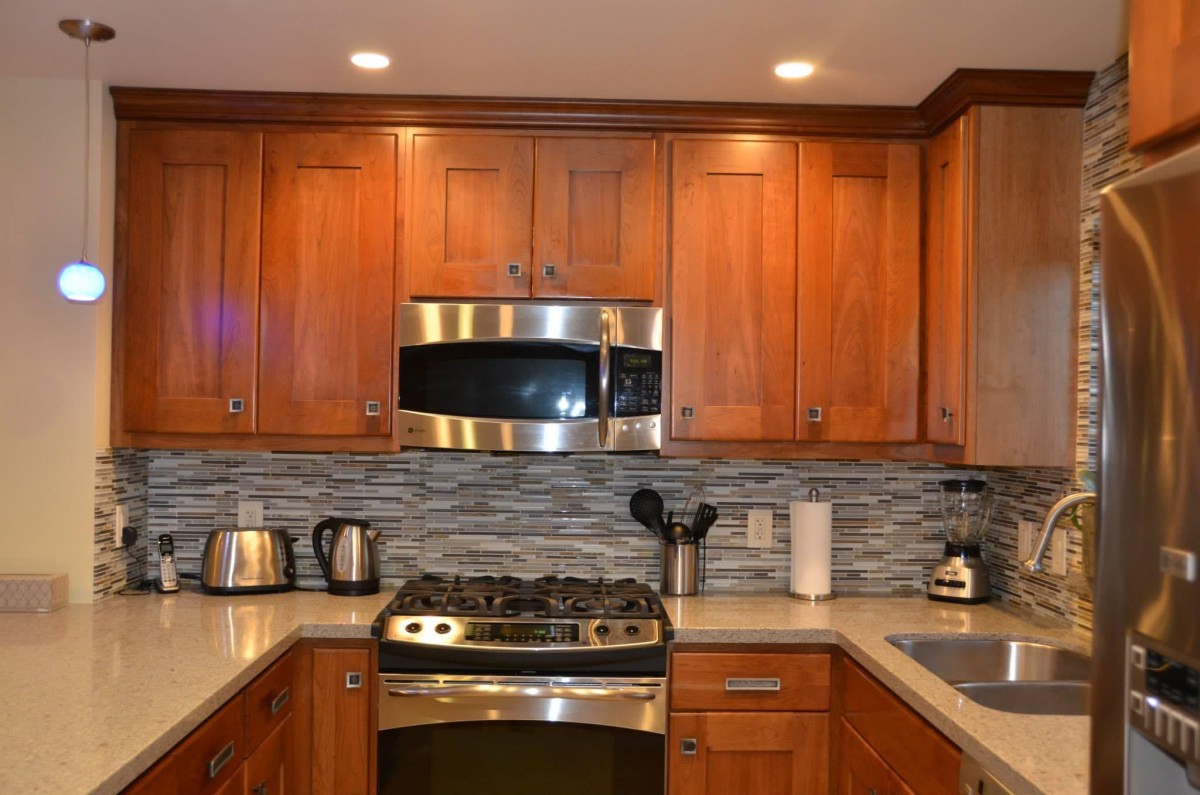
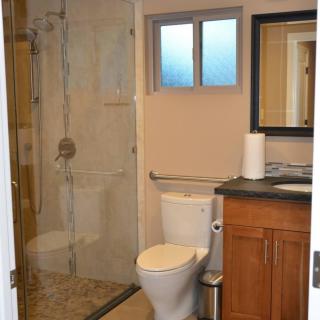
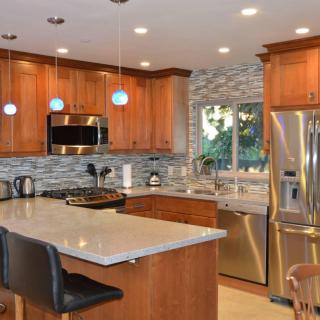
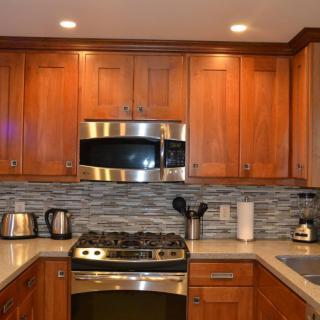
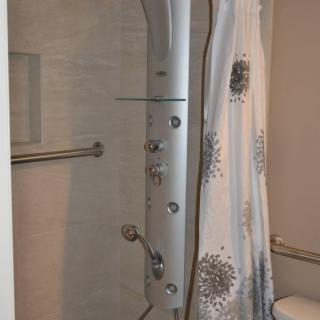
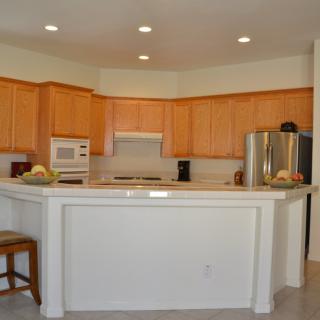
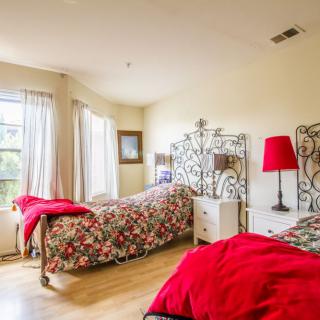
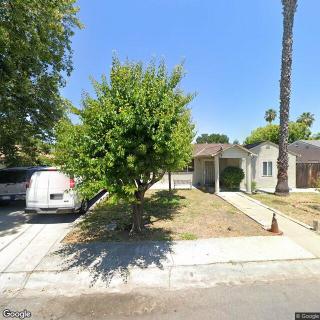
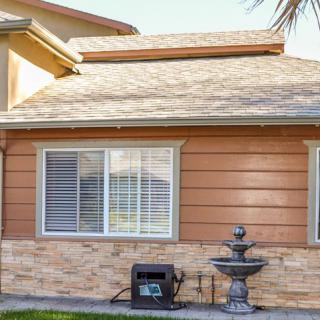
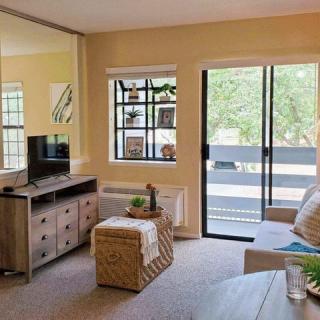
- The house is fully remodeled for home care, making it attractive and highly functional.
- There is a warm, friendly atmosphere evident in the interactions between residents and caregivers.
Cons
 They never called after a virtual tour was scheduled.
Review
Blue Horizon Living in Concord, CA is best suited for seniors who want a warm, home-like board-and-care setting where caregivers know residents by name and daily life orbits around comfort, home-cooked meals, and highly personal attention. The house itself feels redesigned for living with elders: intimate, functional spaces, and a staff culture that reads like a close-knit caregiving family. For families seeking a place that prioritizes dignity, meaningful interaction, and a sense of belonging over clinical bustle, Blue Horizon delivers with notable sincerity and consistency.
Those who may want to consider alternatives are residents with substantial medical needs or those requiring rigorous 24/7 nursing oversight. If complex medication regimens, frequent physician interventions, or dementia care programs with formal memory-care protocols are non-negotiables, a larger assisted living community or a dedicated memory-care campus may be more appropriate. A practical caveat also lives in the communication side: a reviewer noted a virtual tour was scheduled but never happened, signaling that prompt inquiry responses may not be guaranteed and should be confirmed before making decisions.
The strongest upside lies in the care philosophy and the people delivering it. The owner and core caregivers display genuine dedication, treating residents as if they were their own family and maintaining a steady, attentive presence. This fosters a sense of safety and emotional well-being that is hard to replicate in more clinical settings. The staff’s patience shines when residents are distressed or in pain, and updates to families are regular and thoughtful, providing reassurance about condition and changes. In a setting where staying engaged and socially connected matters, this level of relational warmth acts as a powerful offset to the absence of a licensed nurse on site.
Another major pro is the home environment itself: a remodeled, purpose-built residence that feels welcoming, attractive, and highly functional for elder living. The care team demonstrates attentiveness to dietary needs and appetite, offering home-made, healthy meals that contribute to overall quality of life. The emphasis on living with dignity rather than medicating aggressively translates into a lifestyle where residents continue to participate in daily routines, socialize with peers, and enjoy individualized attention. For families prioritizing a nurturing atmosphere and continuous, visible caregiver involvement, these attributes often outweigh the limitations of not having on-site clinical staff.
On the con side, the absence of a licensed nurse on site is the central trade-off. Medication oversight appears to be managed by the owner and her lead caregiver, with a philosophy focused on quality of life rather than routine pharmacological adjustment. For families comfortable with community-provided oversight and external medical coordination, this may be a manageable arrangement; for those with complex medication needs or high risk medical conditions, it invites closer scrutiny and clear, documented plans. The one-outlier feedback about a missed follow-up call for a tour is a practical reminder to verify responsiveness and to set expectations upfront before committing to a move.
In the end, Blue Horizon Living offers a compelling proposition for the right resident: a compact, deeply personal caregiving environment where kindness, attentiveness, and a home-centered lifestyle trump institutional formality. It is less suited for seniors who require intensive clinical management or robust on-site medical programming. Prospective families should schedule in-person visits, request a clear outline of how medications are managed, meet the caregiving team, and confirm the process for ongoing family updates. If a small, intimate setting with a caregiver-driven culture is the priority, this community earns strong consideration; if medical intensity or expansive activity programming is non-negotiable, alternatives warrant careful comparison. Consider a trial period or a carefully structured visit to verify fit before making a final choice.
 6 resident community capacity
 Assisted Living
 Board and Care Home
 Memory Care
 Activities off-site
 Bath tubs
 Beautician on-site
 Cable or satellite TV
 Dining room
 Fully furnished
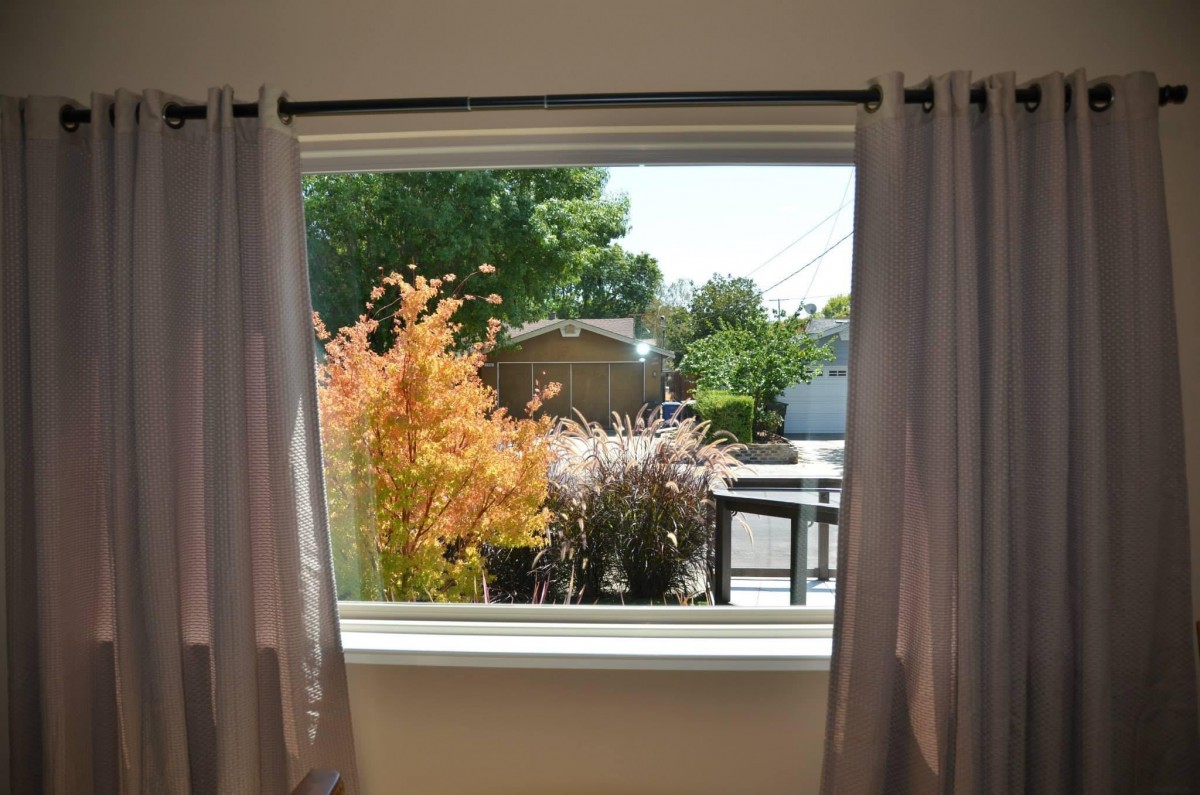
 Garden
 Housekeeping services
 Indoor common areas
 Move-in coordination
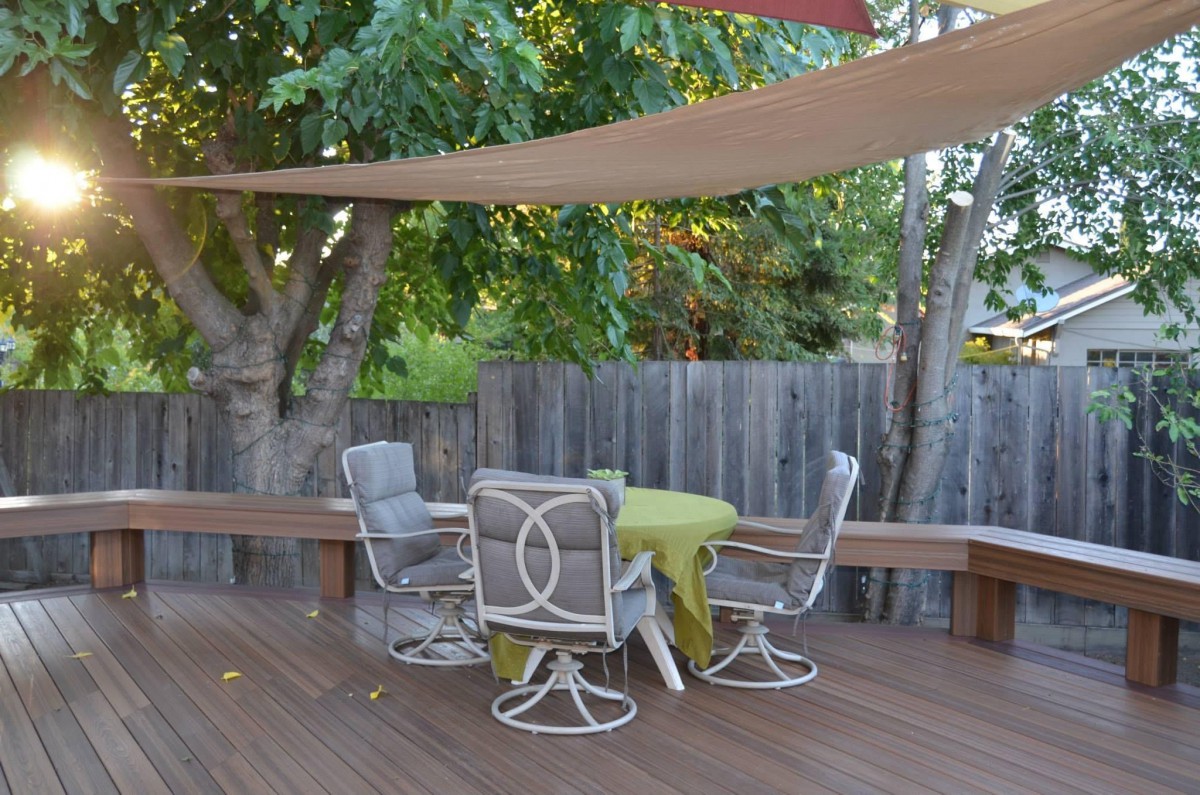
 Outdoor common areas
 Private bathrooms
 Respite or short term stays offered
 Telephone
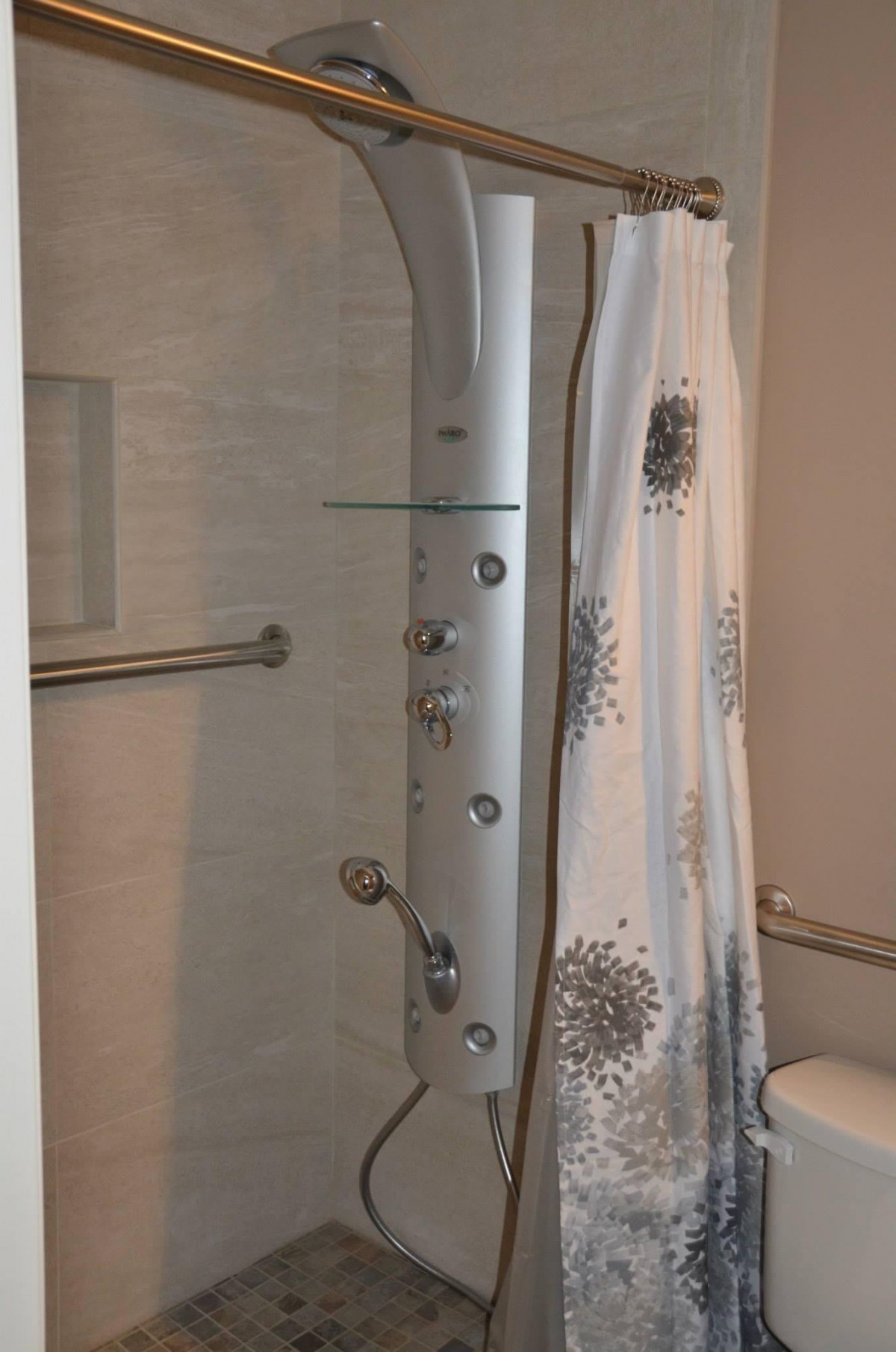
 Wheelchair accessible showers
 Wi-Fi/high-speed internet available
 Metropolitan Oakland International (19 miles away)
 24-hour supervision
 Ambulatory care
 Assistance with bathing
 Assistance with dressing
 Assistance with transfers
 Diabetes diet
 Incontinence care
 Meal preparation and service
 Medication management
 Special dietary restrictions
 Transportation arrangement (medical)
 Transportation to doctors appointments


 Illuminating Insights About Alzheimer's Disease: Ten Crucial Realities
 A Thorough Discussion of Medications Potentially Linked to Dementia Risk
 Why Do Dementia Patients Sleep So Much? Understanding Oversleeping, Stages, and Care Approaches