
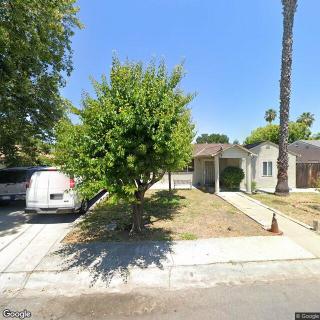
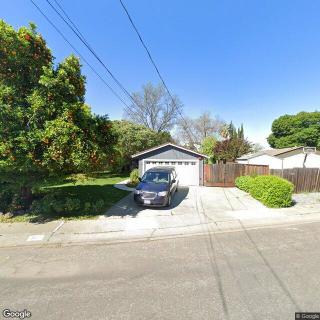
1841 Florence Lane, Concord, CA 94520
For more information about senior living options: (866) 208-4318
Overall Review of A Ohana Home for Seniors
Pros
 Ohana Care is professional, prompt, and embodies the Aloha spirit.
- They are highly recommended for their services.
- Ohana Care provides the best team for loved ones and helps families cherish meaningful time together.
- The facility is beautiful and the staff feel like a friendly family.
- The service at Ohana Home Care is highly regarded, with caring, loving staff.
- The facility is clean and professional, and pricing is affordable for families.
Cons
 The company is described as dishonest, with a lack of character and integrity, and caregivers allegedly abandoned after dinner with no overnight staff.
- Caregivers are claimed to stop showing up for contracted in-home care, and Ohana’s customer service is described as nonexistent and unresponsive, with no refunds issued.
- The company is accused of scamming elderly loved ones and taking money inappropriately from vulnerable seniors, refused refunds included.
- Owners are alleged to take advantage of patients and avoid returning owed refunds, repeatedly dodging calls about refunds.
- There are reports of neglect, including wet diapers, wandering at night, and residents falling and being unable to get up.
Review
A Ohana Home for Seniors in Concord is best suited for families seeking a small, home-like setting where caregivers build personal relationships with residents, and where affordability and a warm, family-oriented vibe are valued over institutional polish. Positive voices highlight professional, prompt care delivered with an Aloha spirit, and families repeatedly note that staff feel like part of the extended family. The facility’s clean, welcoming environment and the sense that caregivers provide individualized attention can be particularly appealing to seniors who do not require heavy clinical oversight but do need reliable daytime support and a nurturing atmosphere.
Those most likely to want alternatives are families who cannot tolerate gaps in nighttime staffing or who require consistent, highly regulated 24/7 supervision. Several reviewers raise serious concerns about staff coverage after dinnertime, alleging that caregivers may be unavailable during the night and that residents can be left without help for long stretches. There are also assertions of management and financial transparency issues, including disputes over refunds and responsiveness. For families prioritizing airtight accountability, documented governance, and a guarantee of ongoing nighttime support, these reports should prompt caution and a comparison with other options.
On the plus side, the pros are meaningful and not easy to dismiss. Caregivers are described as loving, attentive, and capable of forming lasting bonds with residents, which translates into meaningful daily interactions and a sense of security for families. A number of residents were able to remain in the home for extended periods, with families praising the consistent warmth, the tidy and well-kept living spaces, and the reasonably priced care that made long-term placement feasible. Cleanliness and a welcoming atmosphere reinforce the impression that a resident’s daily life can remain dignified and comfortable, especially for those who prize a homelike setting over a clinical environment.
Yet the cons carry substantial weight, especially for families evaluating risk as part of a long-term plan. Nighttime staffing gaps, if true, threaten resident safety and can lead to anxiety for family members. The most serious concerns voiced involve safety lapses, wet diapers, residents wandering, and falls, without immediate assistance during nocturnal hours. Add to that the repeated allegations of poor customer service and difficulties obtaining refunds, and a pattern emerges that undermines trust in sustained accountability. The mention that owners reside upstairs can fuel questions about governance, oversight, and the ability to address problems promptly.
The key question is whether the strengths can realistically offset the notable risks. For families who prioritize a warm, intimate setting and are comfortable with a high-touch model that relies on strong caregiver relationships, the positives may outweigh the potential downsides, provided diligent due diligence is done. Prospective residents who can set clear expectations, insist on a transparent staffing plan, and demand concrete, written policies about night coverage and refunds may still find value here. However, for those who require ironclad night-time supervision, predictable staffing, and frictionless financial handling, the drawbacks are not easily dismissed and should steer toward alternatives.
In practical terms, families considering A Ohana should pursue a disciplined, information-first approach. Visit with questions focused on night staffing schedules, caregiver ratios after dinner, and who is responsible for overnight checks. Request a copy of the current staffing plan, a contract that specifies service levels, and recent state licensing or survey results. Speak with multiple families who have current or recent residency and ask for specifics about nighttime safety, response times, and any financial disputes. If the answers align with transparent operations and reassure that nighttime coverage is dependable, the home can be a strong fit; if not, it is prudent to explore larger licensed facilities or other small homes with more established governance and clearer refund procedures. This community can be a genuine fit for some, but it demands careful scrutiny and a preparedness to walk away if the balance between warmth and risk doesn’t sit right for the individual case.
 6 resident community capacity
 Assisted Living
 Board and Care Home
 Memory Care
 Respite Care
 Cable or satellite TV
 Dining room
 Fully furnished
 Garden
 Housekeeping services
 Move-in coordination
 Outdoor space
 Small library
 Telephone
 Metropolitan Oakland International (19 miles away)
 24-hour supervision
 Activities of daily living assistance
 Assistance with bathing
 Assistance with dressing
 Assistance with transfers
 Diabetes diet
 Meal preparation and service
 Medication management
 Mental wellness program
 Special dietary restrictions





 Estimating the Expenses of At-Home Dementia Care: A Detailed Exploration
 Comprehensive Insights on the Late Stages of Dementia: What to Expect and How to Provide Care
 Medications Associated with Dementia Risk: A Comprehensive Overview