
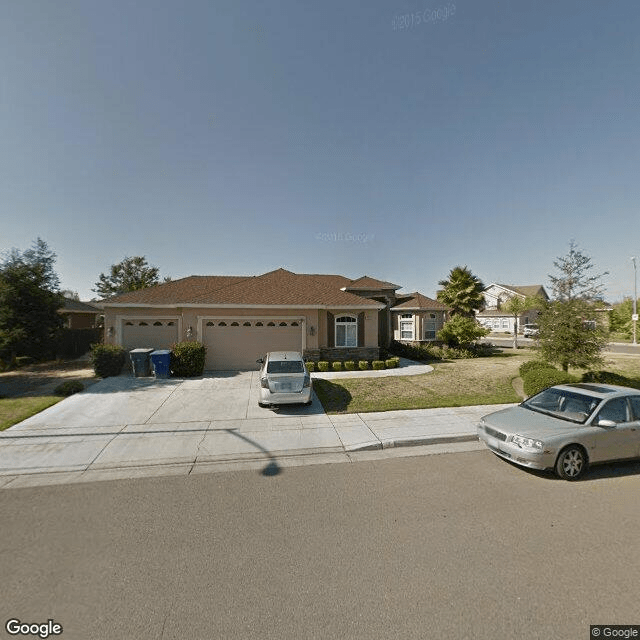
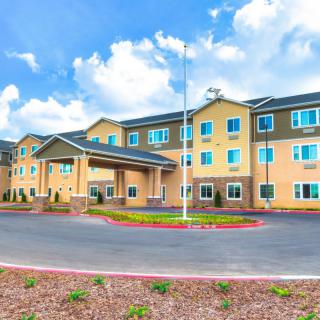
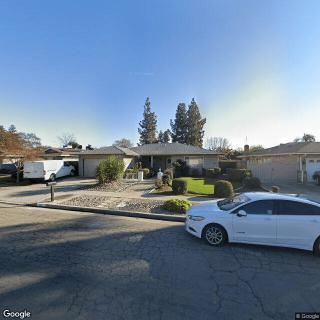
47 West Menlo Avenue., Clovis, CA 93612
For more information about senior living options: (866) 208-4318
Rendercare Costs & Pricing
Rendercare's monthly costs are competitive when compared to both Fresno County and the broader state of California. For a one-bedroom unit, Rendercare offers its services at $3,500, which is slightly higher than Fresno County's average of $3,398 but still significantly lower than the state average of $4,340. In terms of semi-private accommodations, Rendercare remains at $3,500, surpassing the county's more affordable rate of $2,991 while being on par with the state's price of $3,333. When it comes to private rooms, Rendercare's fee of $3,800 positions it above Fresno County's average of $3,589 but below California's statewide cost of $3,939. Overall, Rendercare presents a valuable option for residents seeking quality care without excessively high costs relative to regional benchmarks.
| Floor plans | Rendercare | Fresno County | California |
|---|---|---|---|
| 1 Bedroom | $3,500 | $3,398 | $4,340 |
| Semi-Private | $3,500 | $2,991 | $3,333 |
| Private | $3,800 | $3,589 | $3,939 |
Memory care communities with a similar price nearby
-
from +$500 / mo
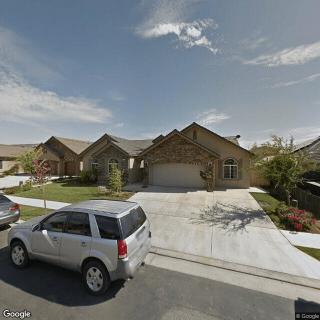
A Place Called Home II
$4,000 / month2.9 miles away -
from -$300 / mo
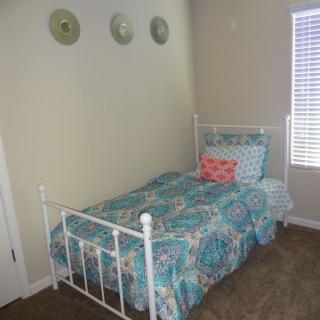
Blossom Creeks Assisted Living
$3,200 to $3,800 / month7.4 miles away -
About the same
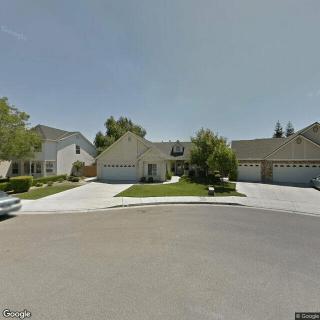
Pryor Falls
$3,600 to $3,900 / month2.1 miles away -
from -$200 / mo
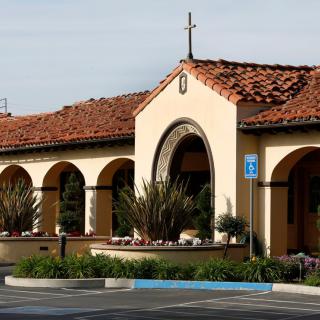
Nazareth House
$3,300 / month5.6 miles away -
from -$300 / mo
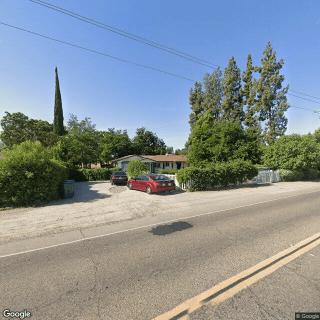
Clovis Guest Home
$3,200 / month3.5 miles away
Overall Review of Rendercare
Pros
 The facility is a good place for loved ones.
- The community is easygoing.
- The staff strive to make the food taste good for residents.
- The food and care are good.
- Loved ones are happy there.
- The staff are friendly and compassionate, and residents can go outside and interact with them.
- Visitation is convenient and staff keep families well informed.
- The community is recommended to others.
Cons
 They are a little understaffed.
Review
Rendercare in Clovis is best suited for families seeking a low-stress, resident-centered option where companionship and practical daily living come first. The community embraces an easygoing vibe, inviting residents to move through days at their own pace while staff prioritize real, ongoing relationships. Food matters here, and cooks make a concerted effort to deliver meals residents enjoy, which can make a tangible difference for appetite and morale. The combination of approachable caregivers, the opportunity to spend time outdoors, and a visitor-friendly culture gives families confidence that a loved one will be cared for with kindness and attentiveness. This is not a place that overwhelms with formal programming; rather, it emphasizes warmth, consistency, and practical support.
Who may want to consider alternatives? If a resident requires high-intensity daily assistance, frequent medical management, or specialized memory-care services, this community may not be the best fit. Families seeking a rigorous, highly structured activity calendar or 24/7 nursing coverage should compare options that advertise stronger clinical staff and dedicated memory-care programming. Those needing a more clinical model, with physicians on site regularly or more invasive care capabilities, will likely find other communities that better align with medical priorities. In short, this is a practical home for steady, amiable care rather than extreme clinical support.
Pros that stand out: the atmosphere is unhurried, with staff who express genuine warmth and a focus on daily comfort. Residents report being happy, and families note that communication is excellent, with updates that arrive promptly and clearly. The ability to visit at any time relieves family anxiety and helps monitor subtle changes in well-being. Compassionate care is evident in practice: staff engage residents, encourage outdoor time, and facilitate social interaction with teammates. While staffing levels may feel lean at times, the visible dedication and reliable communication help offset potential gaps, creating a sense of steady reliability.
Another practical upside is the way outdoor time and casual interaction sustain mood and cognition. Residents get fresh air, opportunities for light activity, and meaningful moments with staff that feel more like companionship than routine checks. The overall environment does not pressure residents into rigid schedules, which supports dignity and autonomy. The combination of good meals, friendly faces, and accessible staff creates a welcoming daily rhythm that families can observe during visits, reducing the sense of detachment that can come with care settings. These dimensions are especially valuable for seniors who prize social contact and personal connection.
On the flip side, the central con, relative understaffing, can manifest as slower responses or occasional delays in assistance, especially during busy periods. Yet the reviews consistently highlight that staff are personable and communicative, which mitigates worry and helps families stay informed about any changes. The best remedy for this dynamic is to verify staffing patterns across shifts during tours and to ask how care plans adapt when demand rises. For families where constant immediacy is non-negotiable, or where complex medical tasks require frequent hands-on attention, it is prudent to explore alternatives with deeper clinical depth.
Bottom line: Rendercare is a solid fit for a senior who values a relaxed, friendly environment, dependable communication, and strong family access, with decent meals and genuine staff care. Those who can tolerate occasional staffing gaps in exchange for a warm atmosphere and freedom to visit may find this community highly satisfying. However, for residents requiring intensive daily nursing, rapid response capabilities, or specialized memory-care programming, it pays to compare with options that advertise higher staffing levels and more comprehensive clinical services. The next step is a personal visit, armed with questions about shift coverage, activity variety, meal options, and how care plans are adjusted as needs evolve.
 6 resident community capacity
 1-bedroom apartments
 Assisted Living
 Board and Care Home
 Memory Care
 Activities on-site
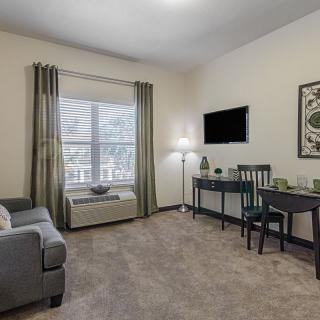
 Cable or satellite TV
 Devotional services on-site
 Dining room
 Fully furnished
 Garden
 Housekeeping services
 Indoor common areas
 Move-in coordination
 Outdoor common areas
 Private
 Private bathrooms
 Telephone
 Wheelchair accessible showers
 Wi-Fi/high-speed internet available
 Fresno Yosemite International (4 miles away)
 24-hour supervision
 Ambulatory care
 Assistance with bathing
 Assistance with dressing
 Assistance with transfers
 Diabetes diet
 Diabetic care
 Meal preparation and service
 Medication management
 Special dietary restrictions
 Transportation arrangement (medical)
 Transportation to doctors appointments
 An In-Depth Look at Reminiscence Therapy in Dementia Care
 Dementia-Related Hallucinations: Causes, Experiences, and Practical Approaches
 Illuminating Insights About Alzheimer's Disease: Ten Crucial Realities