
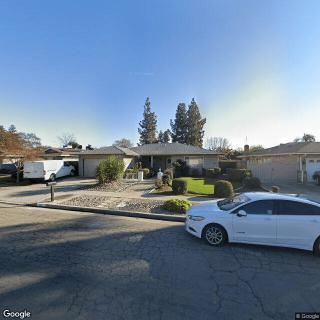
3194 Laverne Avenue, Clovis, CA 93611
For more information about senior living options: (866) 208-4318
Overall Review of Laverne Senior Carehome
Pros
 The staff kept everything clean.
- There was outside therapy available for residents.
- A Kaiser therapist conducted exercises with her.
Cons
 She didn’t like the food and didn’t like the place overall.
- She disliked being woken up at 7 or 8 in the morning, put in a wheelchair, and kept there until about 6:00 after dinner.
- She found being in bed for most of the night to be a long time.
- She was unhappy with the lack of privacy, including two people sharing a room.
- She was uncomfortable with bedpans used without a divider and sometimes not covered.
- She found the food to be inexpensive, basic, and bland.
- She was irritated when two staff members spoke in their native tongue in the room and she couldn’t understand them.
Review
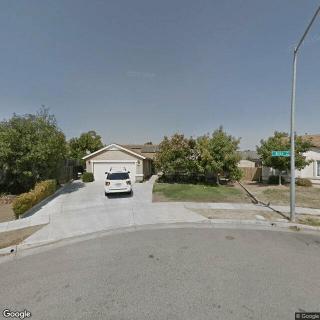
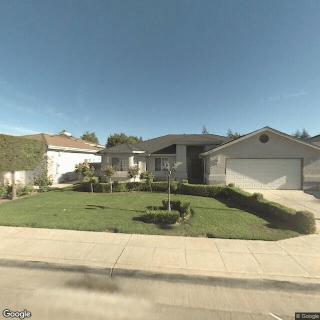
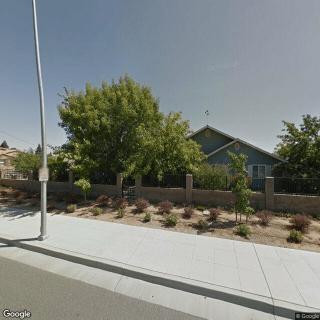
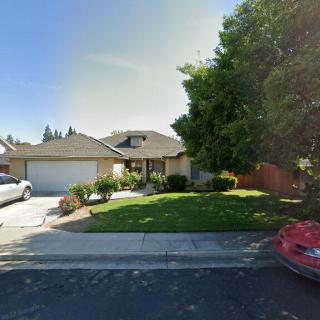
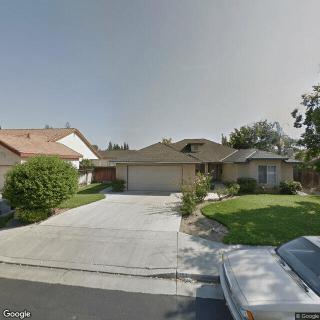
Laverne Senior Carehome in Clovis is best suited for families seeking a quiet, home‑like atmosphere where a small group of residents share daily life and attention from a limited, intimate staff team. The setting is a private home rather than a large, institutional facility, with only a few residents at a time. This arrangement can foster a more personal touch and easier oversight, especially for seniors who want to avoid the hustle of bigger communities. However, privacy is inherently limited in this model, and care expectations should align with a modest level of daily assistance rather than aggressive medical support or highly varied programming.
Those weighing this option should explicitly consider alternatives if privacy, an individualized dining experience, or a robust activity schedule are nonnegotiables. Prospective residents who require private rooms, frequent hands‑on medical supervision, or extensive, structured engagement should look toward larger assisted living settings. Families who prioritize clear, multilingual communication in a more formalized environment may also want to compare options, as the small home format can limit language accommodation and formal care planning. In short, this community is not ideal for seniors needing intensive care, specialized activities, or high‑end amenities.
On the positive side, the home’s cleanliness and the absence of a rigid institutional vibe offer a comforting baseline. Outside therapy appears as a meaningful structured activity, providing a touchpoint for mobility and exercise that some residents may not find in a more solitary setting. The intimate scale means staff can keep a closer eye on residents, and the environment can feel less overwhelming than a large campus. For families seeking straightforward, low‑key care with basic assistance and a calmer daily rhythm, these elements can be valuable.
The drawbacks are sharp and central to the decision. The schedule describes a full day spent largely in motionless periods: waking early and being kept in a wheelchair for most of the day, then returned to bed after supper, producing a long, sedentary stretch that can undermine mobility and engagement. Privacy is compromised by shared rooms and by moments when personal care occurs with others nearby or without clear separation. Food is described as basic and inexpensive, not necessarily unpalatable, but not likely to satisfy more demanding tastes, dietary restrictions, or the desire for varied, nutritious meals. Activities beyond occasional outside therapy are sparse, leaving some residents with limited opportunities for social interaction or purposeful engagement.
Communication and cultural dynamics emerge as meaningful, if delicate, points of consideration. The absence of strong, direct privacy in shared spaces and rooms can exacerbate discomfort for residents who value confidentiality. In addition, staff interactions occur in a way that can feel exclusionary to residents who do not share the dominant language or who prefer routine language accompaniment, which may limit real-time, clear communication about daily needs and preferences. These factors can color the day‑to‑day experience, especially for families attentive to consistent updates, meaningful engagement, and a sense of involvement in care decisions.
Ultimately, the decision hinges on tradeoffs: the appeal of a small, clean, homey environment with limited but steady supervision versus the reality of a tightly scheduled, shared-room setup, bland meals, and limited activities. The pros, cleanliness, a quieter setting, and some structured exercise through outside therapy, do not fully offset the core concerns of privacy, daily routine rigidity, and the lack of robust programming. For families prioritizing intimate care and a low‑key pace, Laverne Senior Carehome can be acceptable, but those needing privacy, diverse meals, or comprehensive activity calendars should pursue alternatives with larger staffs, private rooms, and richer daily engagement. Before deciding, stakeholders should verify room configurations, meal options, daily schedules, and the facility’s capacity to accommodate evolving care needs, then compare directly with other Clovis offerings that align with higher privacy, stronger programming, and clearer communication channels.
 6 resident community capacity
 Assisted Living
 Board and Care Home
 Respite Care
 Cable or satellite TV
 Dining room
 Fully furnished
 Garden
 Housekeeping services
 Move-in coordination
 Outdoor space
 Telephone
 Wi-Fi/high-speed internet available
 Fresno Yosemite International (2 miles away)
 24-hour supervision
 Activities of daily living assistance
 Assistance with bathing
 Assistance with dressing
 Assistance with transfers
 Diabetes diet
 Meal preparation and service
 Medication management
 Special dietary restrictions
 Transportation arrangement (medical)
 Transportation to doctors appointments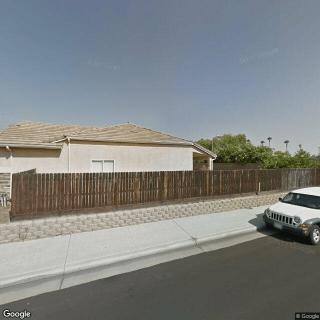
 Is Assisted Living Deductible on Your Taxes? Understanding the Complexities of Assisted Living Expenses and Deductions
 Assisted Living Support for Veterans: A Complete and Detailed Overview
 Exploring the Contrasts Between Assisted Living and Skilled Nursing