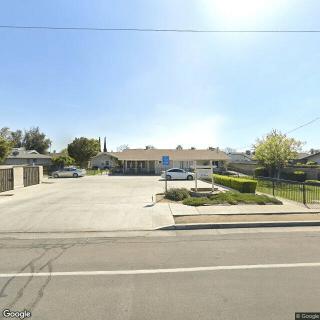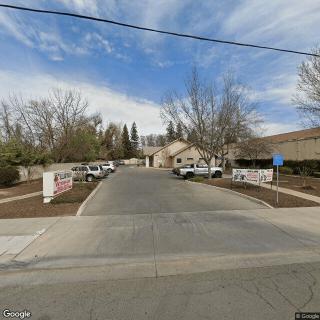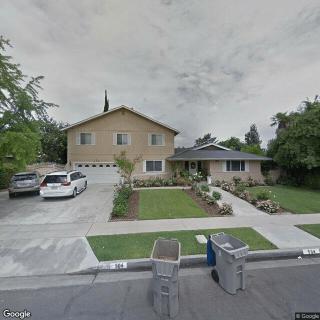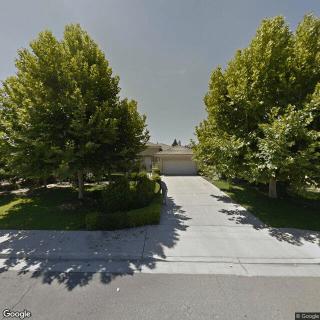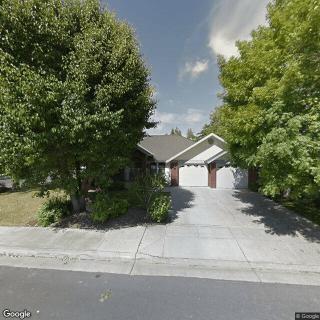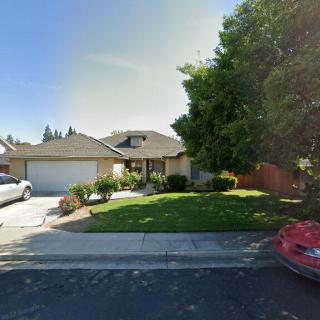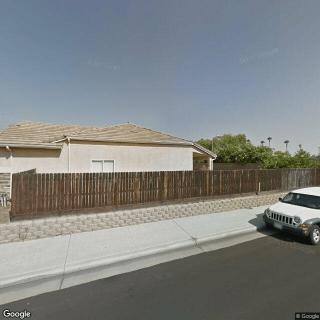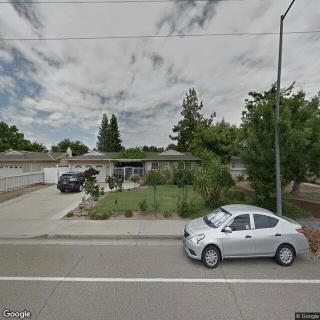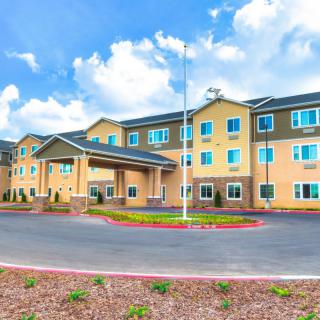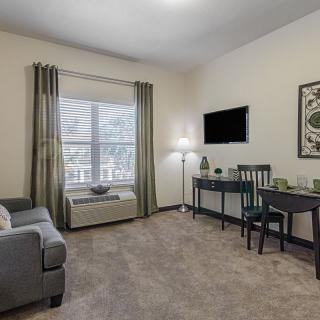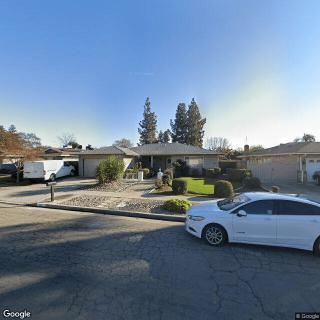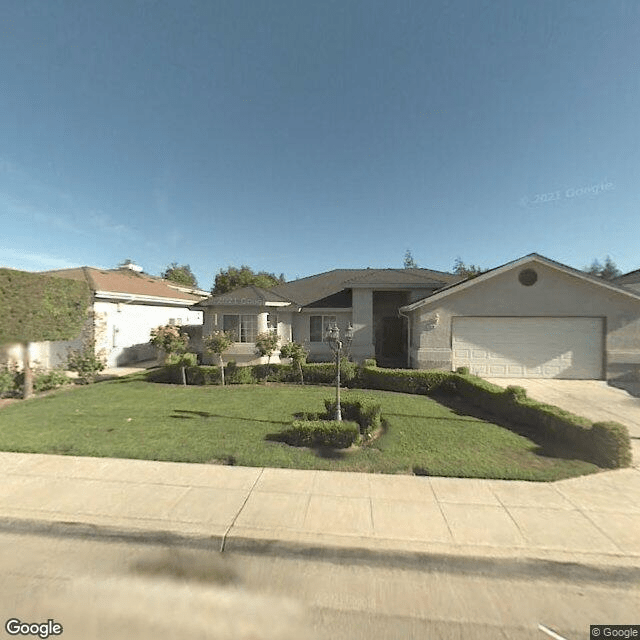
Christina's Care Home II in Clovis, CA

Save
Christina's Care Home II

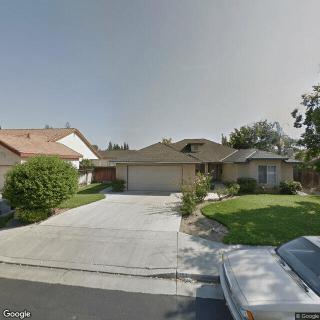
Christina's Care Home II in Clovis, CA

1910 Indianapolis Avenue, Clovis, CA 93611

For more information about senior living options: (844) 490-3973

2.5 from 2 reviews
Assisted Living Board and Care Home Memory Care Respite Care

Christina's Care Home II Costs & Pricing

Christina's Care Home II offers competitive pricing in comparison to both Fresno County and the broader California market. For a semi-private room, residents can expect to pay $2,000 per month, which is significantly lower than the county average of $2,991 and even more so compared to the state average of $3,333. Moving to studio accommodations, Christina's Care Home II charges $2,400 monthly - again undercutting Fresno County's average of $3,349 and California's average of $4,145. Lastly, for those seeking private rooms, the cost at Christina's Care Home II is set at $2,500 per month; this is notably more affordable than the county's average of $3,589 and just slightly below California's statewide figure of $3,939. Overall, Christina's Care Home II presents an attractive option for families looking for quality care without compromising their budget.

Floor plansChristina's Care Home IIFresno CountyCalifornia
Semi-Private$2,000$2,991$3,333
Studio$2,400$3,349$4,145
Private$2,500$3,589$3,939

What level of care are you interested in?

Assisted Living

Memory Care

Independent Living

Skilled Nursing Facility

Continuing Care Retirement Community (CCRC)CCRC

Other


Request a tour at Christina's Care Home II

    Overall Review of Christina's Care Home II

    Pros

    • pro They are very attentive and responsive.
    • pro Things are going pretty well so far.
    • pro They were chosen because they were the best fit for the reviewers' needs.

    Cons

    • pro It was horrible.
    • pro They left the reviewer's grandmother to rot alive.
    • pro They would not recommend it.
    • pro They would rate it zero stars.

    Review

    Christina's Care Home II in Clovis, CA is best suited for families seeking a compact, home-like setting where staff know residents well and respond quickly to day-to-day needs. It is most appropriate for adults who require help with routine activities and constant monitoring but do not demand a large, highly structured program or extensive clinical oversight. In short, this is the kind of place where personal attention and a smaller footprint can matter more than resort-like amenities, particularly for those in the early to mid stages of needing assistance and who value a calm, intimate environment.

    That said, several families should consider alternatives. The strongest red flag in the available feedback is a harsh accusation of neglect, which raises serious safety concerns and warrants caution. Even when care appears attentive, such warnings cannot be ignored, because in a smaller home, staffing levels and supervisory capacity can swing more quickly than in larger facilities. For loved ones with complex medical needs, significant behavioral challenges, or high fall risk, options with larger care teams, more consistent oversight, and documented safety records often provide better long-term reassurance.

    On the upside, at least one reviewer notes the staff as very attentive and responsive, a critical advantage in a small-care setting where rapid assistance is essential. That responsiveness can translate into timely help with daily routines, quicker medication prompts, and more consistent supervision, which many families prioritize over elaborate programming. The accompanying detail that meals hover around average and that there is a desire for more entertainment or activities suggests a clear trade-off: strong personal care in exchange for a lean activity calendar and modest culinary variety. When combined with the severe negative claim, this creates a mixed picture that demands careful vetting.

    The core tension is clear: the strongest asset - hands-on, responsive staff - can mitigate some downsides of a small operation, but it may not fully offset the most serious risks raised by a troubling review. Limited resources mean fewer specialized services, fewer enrichment opportunities, and potential scheduling bottlenecks that can frustrate residents who crave regular social engagement. Prospective movers should verify staffing ratios, the extent of on-site medical oversight, and how emergencies are handled, ensuring that the level of care aligns with the resident's medical and safety needs.

    Before deciding, visit with a critical eye: tour during different times of day, observe staff interactions with residents, and ask to meet the direct caregivers who would be assigned to a loved one. Request the latest state inspection or licensing report, a copy of the current menu, and an activity calendar to see how daily life actually unfolds. Inquire about medication management procedures, staff turnover, and how care plans are developed and updated. If possible, request a short trial stay or day visit to assess compatibility with routines, communication style, and comfort with the environment.

    Ultimately, Christina's Care Home II can serve as a reasonable choice for families prioritizing a warm, intimate setting with attentive staff and a quieter pace, provided that the care needs are not exceptionally high and expectations are anchored to what a small home can realistically deliver. However, given the range of feedback - particularly the one-star caution about neglect - this option warrants a conservative approach. Compare it against alternatives with stronger safety records, more robust programming, and transparent oversight. Proceed only after thorough diligence, explicit assurances on safety and supervision, and a clear plan that aligns with the specific needs and expectations of the resident and family.

    Features

    Housing

    • 6 resident community capacity 6 resident community capacity

    Types of Care

    • Assisted Living Assisted LivingAssisted living facilities provide crucial support and care for seniors who may need help with daily tasks such as medication management, bathing, and meal preparation. These communities offer a safe and comfortable environment where seniors can maintain their independence while receiving the assistance they need to thrive in their golden years.
    • Board and Care Home Board and Care HomeBoard and care homes provide a smaller, more intimate setting for seniors who require assistance with daily tasks but do not need the level of care offered by a nursing home. They offer personalized care, meals, and social activities in a homelike environment, ensuring that seniors receive individualized attention and support in their golden years.
    • Memory Care Memory CareMemory care is crucial for seniors as it provides specialized support and services for individuals with dementia or Alzheimer's disease. These programs offer a safe and secure environment where residents receive personalized care, cognitive stimulation, and help with daily activities. Memory care helps seniors maintain their independence, quality of life, and dignity while also providing peace of mind for their families.
    • Respite Care Respite CareRespite care provides temporary relief for caregivers, allowing them to recharge and attend to their own needs. It also gives seniors the opportunity to socialize, receive professional care, and experience a change of scenery, promoting overall well-being and reducing feelings of isolation.

    Amenities

    • Cable or satellite TV Cable or satellite TVCable or satellite TV is important for seniors because it provides entertainment, news, and companionship, helping to combat loneliness and boredom. It also offers a wide range of programming options tailored to different interests and preferences.
    • Dining room Dining roomDining rooms are important for seniors as they provide a space for socialization, connection, and nutritious meals. They offer opportunities for residents to bond over shared meals, foster a sense of community, and promote healthy eating habits. Dining rooms also ensure that seniors have access to well-balanced meals tailored to their dietary needs and preferences.
    • Fully furnished Fully furnishedFully furnished senior living communities are important for seniors because they provide convenience, comfort, and a hassle-free moving experience. Seniors can easily settle into their new living space without the stress of having to buy and move furniture. This allows them to focus on enjoying their new home and community.
    • Garden GardenGardens are important for seniors as they provide a peaceful and therapeutic environment for relaxation, physical activity, and socialization. Being in nature has been shown to reduce stress, improve mood, and promote overall well-being. Gardens also offer opportunities for seniors to engage in gardening activities, which can improve mobility, flexibility, and cognitive function. Additionally, gardens create a sense of community and connection with others who share a passion for plants and outdoor spaces.
    • Housekeeping services Housekeeping servicesHousekeeping services are important for seniors because they help maintain a clean and safe living environment, promote independence, and reduce the risk of accidents or illnesses. Additionally, having assistance with household chores can alleviate physical strain and allow seniors to focus on other aspects of their well-being.
    • Move-in coordination Move-in coordinationMove-in coordination is important for seniors because it helps ease the transition into their new living environment. It ensures that all logistics, such as packing, organizing movers, and setting up utilities are taken care of, allowing seniors to focus on settling in and adjusting to their new home. Having a smooth move-in process can alleviate stress and anxiety, making the transition smoother and more enjoyable for seniors.
    • Outdoor space Outdoor spaceOutdoor spaces are important for seniors as they provide opportunities for physical activity, social interaction, exposure to natural light and fresh air, and a sense of connection to nature. Having access to outdoor spaces can improve overall well-being and quality of life for older adults living in senior communities.
    • Private PrivatePrivacy is important for seniors as it allows them to maintain their independence, dignity, and sense of control over their own lives. It also gives them the space and freedom to relax, reflect, and engage in activities that bring them joy and fulfillment. Creating private spaces within senior living facilities is crucial for promoting overall well-being and quality of life.
    • Telephone TelephoneTelephones are important for seniors as they provide a lifeline for communication with loved ones, emergency services, and healthcare providers. They offer a sense of security and independence, enabling seniors to stay connected and access assistance when needed.
    • Wi-Fi/high-speed internet available Wi-Fi/high-speed internet availableWi-Fi/high-speed internet is important for seniors to stay connected with loved ones, access online resources, and participate in virtual activities to combat feelings of loneliness and isolation. It also allows them to easily manage healthcare needs, access entertainment, and engage in lifelong learning opportunities.

    Transportation

    • Fresno Yosemite International (3 miles away) Fresno Yosemite International (3 miles away)

    Care Services

    • 24-hour supervision 24-hour supervision24-hour supervision is important for seniors to ensure their safety, well-being, and access to immediate assistance in case of emergencies or health issues. This constant support provides peace of mind for both seniors and their loved ones, allowing them to age in place with dignity and security.
    • Activities of daily living assistance Activities of daily living assistanceActivities of daily living assistance are important for seniors because they provide essential support with tasks such as eating, bathing, dressing, and mobility. This assistance helps seniors maintain their independence, dignity, and overall quality of life as they age.
    • Ambulatory care Ambulatory care"Ambulatory care services provide essential medical support and treatment to seniors without requiring hospitalization, allowing them to maintain their independence and quality of life while managing chronic conditions or receiving routine medical care."
    • Assistance with bathing Assistance with bathingAssistance with bathing is crucial for seniors as it helps maintain personal hygiene, prevents infections, and ensures their overall well-being and comfort. It also provides a sense of dignity and independence for seniors who may struggle with this task on their own.
    • Assistance with dressing Assistance with dressingAssistance with dressing is important for seniors because it helps maintain their independence, promotes personal hygiene, prevents accidents and injuries, and improves overall quality of life. This service ensures that seniors can continue to dress comfortably and confidently, despite any physical limitations they may have.
    • Assistance with transfers Assistance with transfersAssistance with transfers is crucial for seniors as it helps prevent falls and injuries, maintains their independence, and ensures they can safely navigate their living environment. It also provides peace of mind for both seniors and their loved ones.
    • Coordination with health care providers Coordination with health care providersCoordination with health care providers is crucial for seniors to ensure proper medical care, medication management, and overall well-being. This collaboration helps prevent overlapping treatments, track progress more effectively, and provide comprehensive support tailored to individual needs.
    • Diabetes diet Diabetes dietA diabetes diet is crucial for seniors as it helps manage blood sugar levels, reduce risks of complications, and improve overall health and well-being. By following a balanced and nutritious diet tailored to their specific needs, seniors can better control their diabetes and enhance their quality of life.
    • Diabetic care Diabetic careDiabetic care is crucial for seniors as they are more susceptible to developing diabetes due to aging and other health conditions. Proper management of diabetes can help prevent complications such as heart disease, vision loss, and nerve damage, improving the overall quality of life for seniors in senior living communities.
    • Incontinence care Incontinence careIncontinence care is essential for seniors to maintain their dignity, hygiene, and overall quality of life. By addressing incontinence issues promptly and effectively, seniors can enjoy a sense of independence and comfort in their daily activities.
    • Meal preparation and service Meal preparation and serviceMeal preparation and service are crucial for seniors as they may have limited mobility or energy to cook nutritious meals. Having access to healthy and convenient food options can ensure they are getting the proper nutrition needed to maintain their overall health and well-being.
    • Medication management Medication managementMedication management is crucial for seniors to ensure they are taking the right medications at the correct dosages and times. This helps prevent adverse drug interactions, reduces the risk of medication errors, and promotes overall health and well-being. Proactive management also allows for adjustments as needed based on changing health conditions or new prescriptions.
    • Special dietary restrictions Special dietary restrictionsSpecial dietary restrictions are important for seniors because age-related changes in metabolism and health conditions can make it difficult for their bodies to process certain foods. By following a diet tailored to their specific needs, seniors can maintain their overall health and well-being, manage chronic conditions, and reduce the risk of complications such as malnutrition or food interactions with medications.
    • Transportation arrangement (medical) Transportation arrangement (medical)Transportation arrangements for medical purposes are essential for seniors as they may have difficulty driving themselves to appointments or accessing public transportation. Having reliable and safe transportation options ensures that seniors can receive timely medical care and maintain their health and well-being.
    • Transportation to doctors appointments Transportation to doctors appointmentsTransportation to doctors' appointments is crucial for seniors as it ensures they have access to necessary medical care and support for their health needs. Without reliable transportation, seniors may struggle to attend important appointments, leading to potential delays in treatment and health complications. Providing transportation services helps seniors maintain their overall well-being and quality of life.
    Dining

    • Diabetes diet Diabetes dietA diabetes diet is crucial for seniors as it helps manage blood sugar levels, reduce risks of complications, and improve overall health and well-being. By following a balanced and nutritious diet tailored to their specific needs, seniors can better control their diabetes and enhance their quality of life.
    • Special dietary restrictions Special dietary restrictionsSpecial dietary restrictions are important for seniors because age-related changes in metabolism and health conditions can make it difficult for their bodies to process certain foods. By following a diet tailored to their specific needs, seniors can maintain their overall health and well-being, manage chronic conditions, and reduce the risk of complications such as malnutrition or food interactions with medications.

    Activities

    • Community-sponsored activities Community-sponsored activitiesCommunity-sponsored activities are important for seniors as they provide opportunities for social interaction, mental stimulation, and physical activity. These activities can help improve overall well-being, combat loneliness and isolation, and promote a sense of belonging and purpose among older adults.
    • Scheduled daily activities Scheduled daily activitiesScheduled daily activities are important for seniors because they provide structure, socialization, mental stimulation, and physical activity. Engaging in regular activities can improve overall well-being and quality of life for seniors living in a community setting.

    Description

    Welcome to Christina's Care Home II, a nurturing assisted living community located in the heart of Clovis, CA. Designed for comfort and well-being, our facility offers a range of care services, including board and care home accommodations, specialized memory care, and respite care tailored to meet the unique needs of each resident.

    At Christina's Care Home II, we prioritize the quality of life for our residents. Our inviting environment features a beautifully furnished dining room where nutritious meals are served, alongside a serene garden and outdoor spaces perfect for relaxation. Residents enjoy complimentary housekeeping services and seamless move-in coordination to ensure a smooth transition into their new home. Each private room is equipped with essential amenities such as Wi-Fi/high-speed internet access and telephone services.

    Our dedicated team is committed to providing comprehensive support with activities of daily living (ADLs), ensuring residents receive personalized assistance with bathing, dressing, transfers, and more. We also offer specialized care services including medication management, diabetes care, meal preparation accommodating special dietary restrictions, and transportation arrangements for medical appointments.

    Social engagement is key to fostering a vibrant community spirit at Christina's Care Home II. Our scheduled daily activities encourage residents to participate in fun and engaging programs that promote mental stimulation and social interaction.

    Conveniently located near an abundance of local amenities, including cafes, parks, pharmacies, physicians' offices, restaurants, places of worship, theaters, hospitals, as well as easy access to transportation options, Christina's Care Home II provides not just a place to live but a thriving community where residents can feel safe and supported.

    Experience compassionate care in a warm environment at Christina's Care Home II, where every resident is treated like family.

    Nearby Places of Interest

    This part of Clovis, California is a vibrant and convenient area with easy access to essential amenities and services. There are several pharmacies nearby, making it convenient for residents to access medication and healthcare needs. In terms of healthcare providers, there are physicians, dentists, and pediatricians within a short distance. The area also offers a variety of dining options ranging from fast food to casual dining restaurants. For those who enjoy outdoor activities, there are parks in the vicinity where one can relax or exercise. Additionally, there are places of worship nearby for spiritual nourishment. Transportation is easily accessible with the Fresno Yosemite International Airport located just a few miles away. Overall, this part of Clovis provides a well-rounded living environment with ample resources for seniors to enjoy a comfortable and fulfilling lifestyle.

    Pharmacies

    • CVS Pharmacy (0.4 miles)
    • Walgreens (0.7 miles)
    • CVS Pharmacy (0.8 miles)
    • Target Pharmacy (1.2 miles)
    • CVS Pharmacy (1.4 miles)
    • The Medicine Shoppe Pharmacy (2 miles)
    • Walgreens (2.1 miles)

    Physicians

    • Fogg Remington Eyecare (0.8 miles)
    • K&H Dental (0.8 miles)
    • 420 Canicare (2.5 miles)
    • Ben Magleby, DDS Family Dentist (2.7 miles)
    • Magnolia Pediatrics (2.8 miles)
    • Nadeem Rahman, MD (3 miles)
    • Ahroon Carl Richard MD (3.1 miles)

    Cafes

    • Panera Bread (1 miles)
    • Kuppa Joy Coffee House (2.1 miles)
    • Dutch Bros Coffee (2.6 miles)
    • Starbucks (2.7 miles)
    • Collect Coffee Bar (3.2 miles)

    Restaurants

    • Chipotle Mexican Grill (1 miles)
    • IHOP (1.1 miles)
    • Raising Cane's Chicken Fingers (1.2 miles)
    • McDonald's (1.2 miles)
    • Snowhite Drive-In (1.3 miles)
    • Huckleberry's (1.3 miles)
    • McDonald's (1.3 miles)

    Parks

    • Melody Park (1.3 miles)
    • Cottonwood Park & Dog Run (3.4 miles)
    • Railroad Park (3.9 miles)

    Places of Worship

    • Clovis Christian Church (1.6 miles)
    • First Baptist Church Of Clovis (2.5 miles)
    • New Harvest Church (3.5 miles)

    Hospitals

    • Kaiser Permanente Health Care (2.8 miles)
    • Clovis Community Hospital Surgery Department (3.1 miles)
    • Sante Health Systems (4.3 miles)

    Transportation

    • Fresno Yosemite International Airport (FAT) (2.9 miles)
    • Baggage Claim (3 miles)
    • Fresno Yosemite International Airport, Cell Phone Waiting Area (3 miles)

    Theaters

    • Maya Cinemas Fresno 16 (3.2 miles)

    Frequently Asked Questions

    How much does it cost to live at Christina's Care Home II in Clovis, CA?
    Where is Christina's Care Home II?
    Does Christina's Care Home II provide care for residents with dementia or Alzheimer's disease?

    Nearby Communities

    • Golden Care Homes

      Golden Care Homes

      Clovis, CA

       
      $1,800 to $2,200 / month

      pro Affordable pricing (semi-private $1,800; private $2,200) with nearby amenities.

    • Stephen House

      Stephen House

      Clovis, CA


      pro Small, home-like board-and-care with personalized care and comprehensive services.

    • Laverne Senior Carehome

      Laverne Senior Carehome

      Clovis, CA

      2 from 1 review
       

      pro Clean environment with attentive staff and available therapy.

    • Laverne Place

      Laverne Place

      Clovis, CA

      4.5 from 4 reviews
      $2,500 / month

      pro Friendly, personalized staff; couples-friendly master bedroom; beautiful garden; strong value.

    • Dignity Gardens Home

      Dignity Gardens Home

      Clovis, CA

      4.6 from 7 reviews
       

      pro Caring staff and well-maintained gardens create a pleasant, clean environment.

    • Royal Gardens III

      Royal Gardens III

      Clovis, CA

       
      $2,750 to $3,500 / month

      pro Affordable pricing with diabetes-focused care.

    • Carmel Village at Clovis Senior Living

      Carmel Village at Clovis Senior Living

      Clovis, CA

      4.6 from 59 reviews
      $3,395 to $4,800 / month

      pro Caring, professional staff in a clean, safe setting with engaging activities and strong memory-care features.

    • Truewood By Merrill, Clovis

      Truewood By Merrill, Clovis

      Clovis, CA

      4 from 30 reviews
       

      pro Comprehensive care options with 24/7 safety, memory-care programming, and restaurant-style dining.

    • Fresno Guest Home VI

      Fresno Guest Home VI

      Fresno, CA

      4.6 from 19 reviews
      $2,800 / month

      pro Affordable private-room option with extensive nearby amenities.

    Related Resources

    • dementia careA Holistic Dementia Care Guide: Effective Strategies for Memory Support
      The guide on holistic dementia care outlines the complexity of dementia and stresses the need for individualized caregiver strategies that include medical treatment, psychological support, and environmental adaptations, while emphasizing early detection, various therapeutic options, and caregiver support to enhance quality of life and maintain dignity.

    • dementia careMemory Care Pathways: A Holistic Guide to Dementia Support

      "Memory Care Pathways: A Holistic Guide to Dementia Support" outlines the complexities of dementia and its various types, emphasizing early detection, patient-centered care strategies, caregiver support, and long-term care options while addressing legal and financial considerations to enhance the quality of life for individuals with dementia and their families.

    • sundown syndromeComprehending Evening Confusion in Dementia: Causes, Manifestations, and Support

      Sundown syndrome, or sundowning, is a phenomenon in dementia patients characterized by increased confusion and agitation during late afternoon and evening, influenced by factors like disrupted circadian rhythms and fatigue. Effective caregiver strategies include establishing routines and managing environmental light while addressing caregiver stress through support services.


    Get Pricing Ask A Question Schedule A Tour Contact Senior Advisor