Sunrise of Claremont offers competitive pricing for its various room types when compared to both Los Angeles County and the broader state of California. For studio and semi-private rooms, Sunrise of Claremont maintains an attractive rate of $3,510 per month, which is notably lower than the county average for studios at $4,172 and slightly above the semi-private average of $3,349. In contrast, private accommodations such as one-bedroom units are priced significantly higher at $5,550 compared to both the county's average of $4,603 and California's average of $4,340. However, for two-bedroom apartments, Sunrise's cost of $6,090 aligns closely with the county's figure of $6,164 while remaining more expensive than the state's average of $5,270. Overall, residents can find appealing options at Sunrise that provide value relative to local and state averages across different living arrangements.
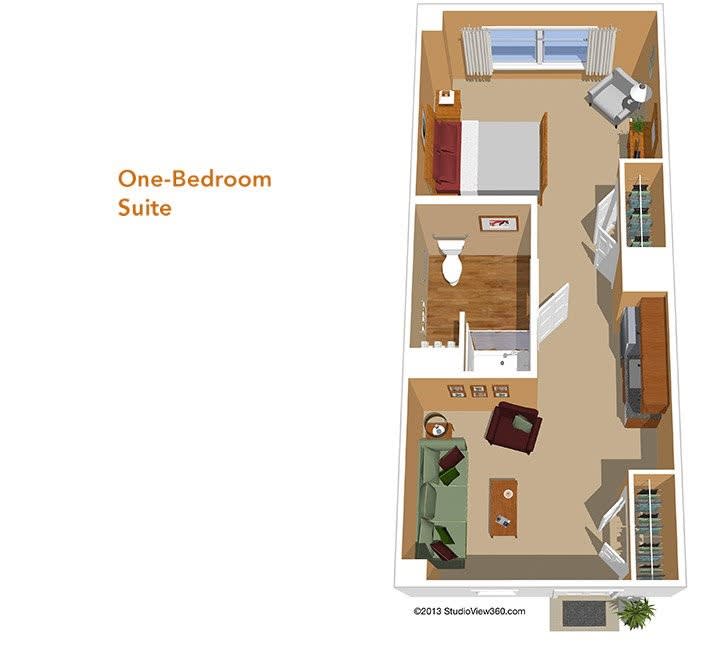
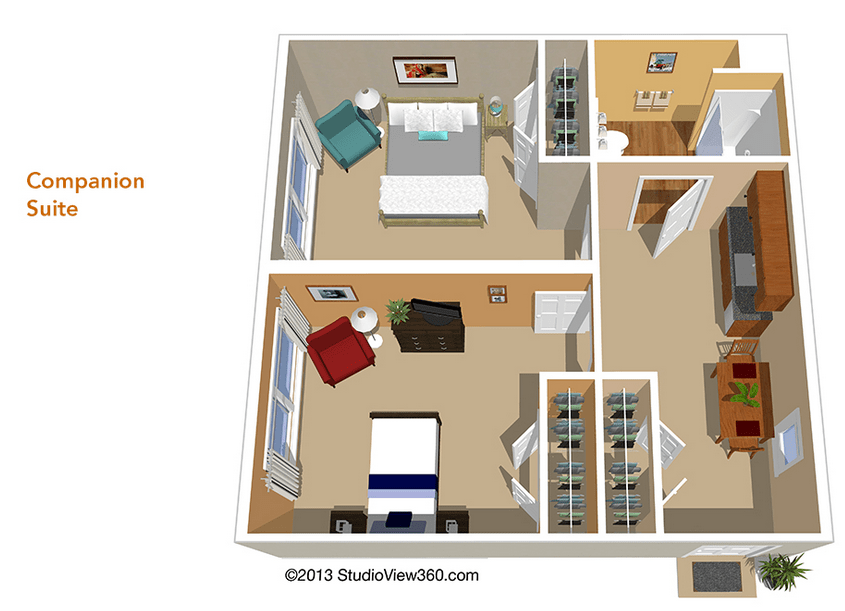
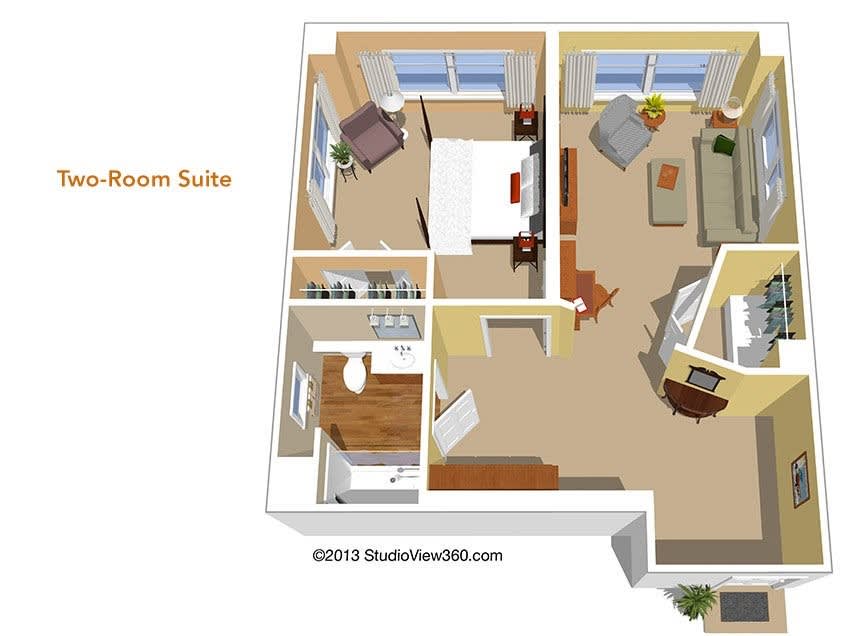
Floor plans
Sunrise of Claremont
Los Angeles County
California
Semi-Private
$3,510
$3,349
$3,333
Studio
$3,510
$4,172
$4,145
1 Bedroom
$5,550
$4,603
$4,340
2 Bedrooms
$6,090
$6,164
$5,270
Memory care communities with a similar price nearby
Memory care and dementia-specific care come through clearly in resident experiences.
Several reviewers discuss the memory care setting directly, describing a care approach tailored to cognitive needs and daily support. Others specifically note dementia experience and a progression of care levels, and they report feeling confident in how staff handle residents as needs change. A few also say the memory care area felt old or dark during tours, but they still praised the guide and the friendliness they encountered.
common14 reviews mention this
Caring staff is a repeated theme
Residents and families repeatedly describe the staff as warm, attentive, and capable.
Across reviews, families describe staff as kind, caring, and engaged with residents, including during day-to-night coverage. Reviewers also mention responsiveness—either keeping families informed about day-to-day needs or quickly addressing concerns when they come up. Even where reviewers had reservations (such as tour impressions or COVID-related inconsistencies), they still frequently said staff members were helpful and supportive.
common8 reviews mention this
Clean, well-kept facilities stand out
Cleanliness and upkeep are commonly highlighted in reviews.
Many reviewers say the community is very clean and well maintained, including common areas and resident spaces. A few mention details like rooms looking immaculate or dining spaces appearing clean during visits. One reviewer did express a negative tour impression about cleanliness and the overall feel, while others referenced renovations or updates underway.
common10 reviews mention this
Food quality is mixed but service helps
Food gets mixed feedback, but dining service and meal options are often noted.
Several reviewers describe the food as good or excellent, with some also liking having multiple choices and meals supported by staff at the table. Others describe variability—saying quality and variety can be lacking at times, or that food was not very good even though dining was described as clean and nicely presented. A few also frame dining as a tradeoff tied to overall value and cost, especially when meal-related charges add up.
caveat4 reviews mention this
Pricing is a frequent concern
Cost and rate increases are recurring concerns in family feedback.
Multiple reviewers say the community feels expensive, including comments about rate increases that seemed higher than expected. In at least one account, the billed amount rose over time and the reviewer questioned charges they felt were not clearly explained upfront. Another reviewer says the price was higher than reasonable for what they received, while some others did describe it as a good value relative to the care they felt they were getting.
How we summarize
Counts show how many written reviews mention each theme; a review can touch several themes, and only frequently mentioned themes are displayed.
Features
Housing
81 resident community capacity
Studio apartments
Types of Care
Assisted Living
Memory Care
Amenities
Activities off-site
Activities on-site
Air-conditioning
Bath tubs
Beautician on-site
Beauty salon
Cable or satellite TV
Computer center
Devotional services off-site
Devotional services on-site
Dining room
Fitness room
Fully furnished
Gaming room
Garden
Ground floor units
Handicap accessible
Housekeeping services
Indoor common areas
Kitchenette
Laundry
Located close to restaurants
Located close to shopping centers
Move-in coordination
Outdoor common areas
Outdoor patio
Outdoor space
Private bathrooms
Resident parking
Respite or short term stays offered
Restaurant-style dining
Security gate
Small library
Telephone
Wellness center
Wheelchair accessible showers
Wi-Fi/high-speed internet available
Transportation
Ontario International (9 miles away)
Community operated transportation
Transportation & parking
Transportation arrangement
Transportation arrangement (non-medical)
Care Services
12-16 hour nursing
24-hour call system
24-hour supervision
Activities of daily living assistance
Assistance with bathing
Assistance with dressing
Assistance with transfers
Coordination with health care providers
Diabetes diet
Diabetic care
High acuity care
Incontinence care
Meal preparation and service
Medication management
Mental wellness program
Mild cognitive impairment
Special dietary restrictions
Specialized memory care programming
Transportation arrangement (medical)
Transportation to doctors appointments
Dining
Diabetes diet
Guest meals
Low / no sodium
Low fat
Meals provided
No Sugar
Professional chef
Restaurant style dining
Room service
Special dietary restrictions
Special dining programs
Activities
Activities off-site
Activities on-site
Art classes
BBQs or picnics
Community-sponsored activities
Concierge services
Day trips and outings
Devotional activities offsite
Devotional activities on-site
Fitness programs
Forever fit
Happy hour
Live musical performances
Planned day trips
Reminiscence programs
Resident-run activities
Scheduled daily activities
Sensory-based programs
Stretching classes
Languages Spoken
English
Nearby Places of Interest
Claremont, California, offers a variety of amenities and services that make it a desirable location for senior living. Within close proximity, there are several pharmacies, physicians' offices, and hospitals, providing easy access to healthcare services. Additionally, the diverse range of restaurants and cafes in the area offer opportunities for dining out or enjoying a casual meal. Places of worship are also nearby for those seeking spiritual fulfillment. Transportation options include train stations and an airport within a reasonable distance for convenient travel. For leisure activities, there are theaters and parks nearby for entertainment and outdoor recreation. Overall, this part of Claremont provides a well-rounded community with essential services and recreational opportunities suitable for seniors looking to settle in the area.
Pharmacies
CVS Pharmacy (0.9 miles)
CVS Pharmacy (2.2 miles)
CVS Pharmacy (2.6 miles)
CVS Pharmacy (3.1 miles)
Walgreens (3.9 miles)
Walgreens (4 miles)
CVS Pharmacy (4.3 miles)
Physicians
Inland Neurosurgery Institute (1.8 miles)
The Robert & Beverly Lewis Family Cancer Care Center (3 miles)
Chapparal Medical Group (3.1 miles)
Heavenly 3D 4D Ultrasounds (3.7 miles)
Tarick Smaili, MD (4.3 miles)
Foothill Dermatology Medical Center (4.8 miles)
Womens View Medical Group (4.8 miles)
Restaurants
Old Stump Brewing Co. (1.9 miles)
Bardot (2.1 miles)
The Hat (2.9 miles)
McDonald's (3.4 miles)
McDonald's (3.6 miles)
Lazy Dog Restaurant & Bar (3.6 miles)
Raging Waters (4.6 miles)
Places of Worship
Charisma Life Church (2.1 miles)
St Anthony's Catholic Church (4.6 miles)
First Presbyterian Church Upland (5 miles)
Real Life (5.9 miles)
Transportation
Pomona Station (2.1 miles)
Montclair Metrolink Station (3 miles)
Ontario International Airport - Terminal 2 (9 miles)
Baggage Claim T2 (9 miles)
Hospitals
Pomona Valley Hospital Medical Center (3.2 miles)
Casa Bonita (3.6 miles)
San Antonio Community Hospital Maternity Information Services (5.9 miles)
Sunrise of Claremont offers competitive pricing for its various room types when compared to both Los Angeles County and the broader state of California. For studio and semi-private rooms, Sunrise of Claremont maintains an attractive rate of $3,510 per month, which is notably lower than the county average for studios at $4,172 and slightly above the semi-private average of $3,349. In contrast, private accommodations such as one-bedroom units are priced significantly higher at $5,550 compared to both the county's average of $4,603 and California's average of $4,340. However, for two-bedroom apartments, Sunrise's cost of $6,090 aligns closely with the county's figure of $6,164 while remaining more expensive than the state's average of $5,270. Overall, residents can find appealing options at Sunrise that provide value relative to local and state averages across different living arrangements.
The features offered by Sunrise of Claremont are integral to supporting residents with dementia or Alzheimer's disease at various stages. The 24-hour supervision ensures safety and immediate assistance, fostering a secure environment for individuals who may be prone to confusion. Activities of daily living assistance, including help with bathing, dressing, and transfers, promotes dignity while catering to personal needs that can become challenging as cognitive function declines. Coordination with health care providers ensures that medical needs are met efficiently, while medication management helps minimize the risks associated with medication errors. The incontinence care provided adds an essential layer of comfort for residents and families alike. Meal preparation and service not only address nutritional needs but also encourage social interaction during dining. Engaging residents through mental wellness programs and sensory-based activities stimulates cognitive function, enhancing overall quality of life. Specialized memory care programming is tailored to meet individual capabilities and preferences, helping residents maintain a sense of purpose and identity. Additionally, transportation arrangements for medical appointments facilitate access to necessary health care services without undue stressors on residents or their families. Together, these features create a comprehensive support system designed to enhance the well-being of those facing the challenges of memory loss.
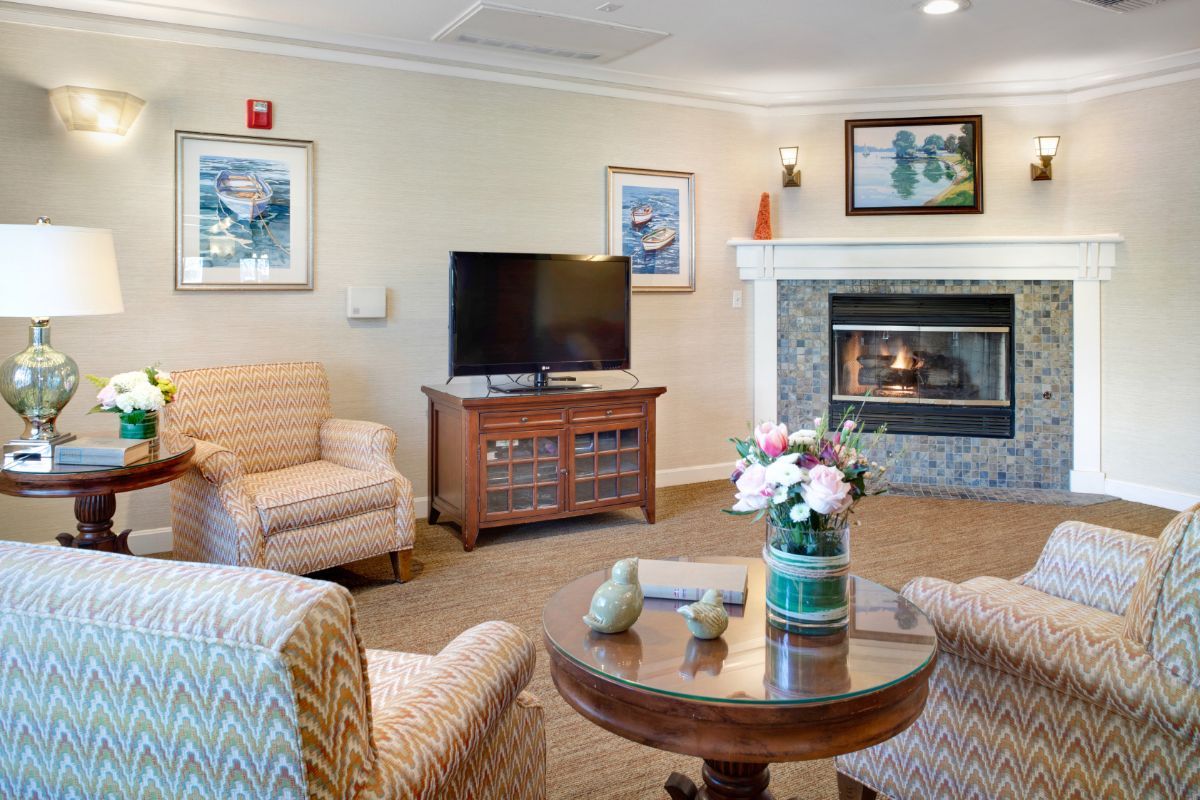
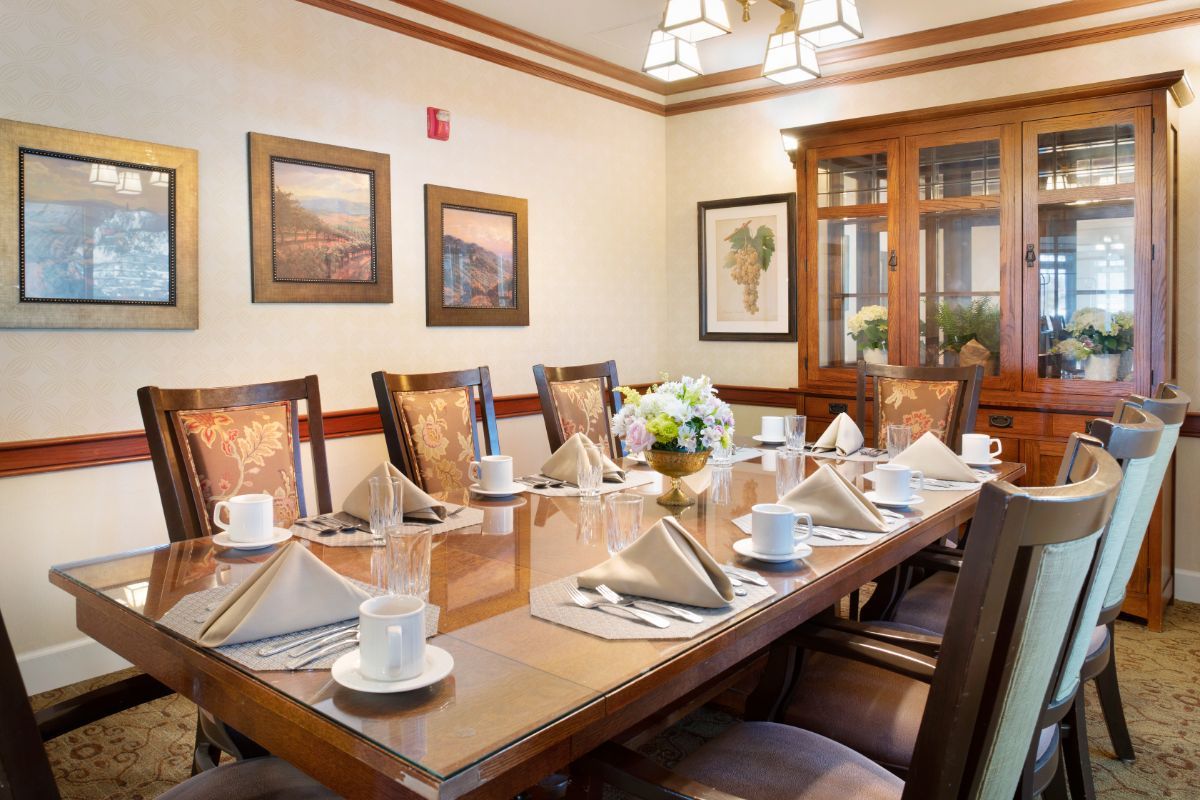
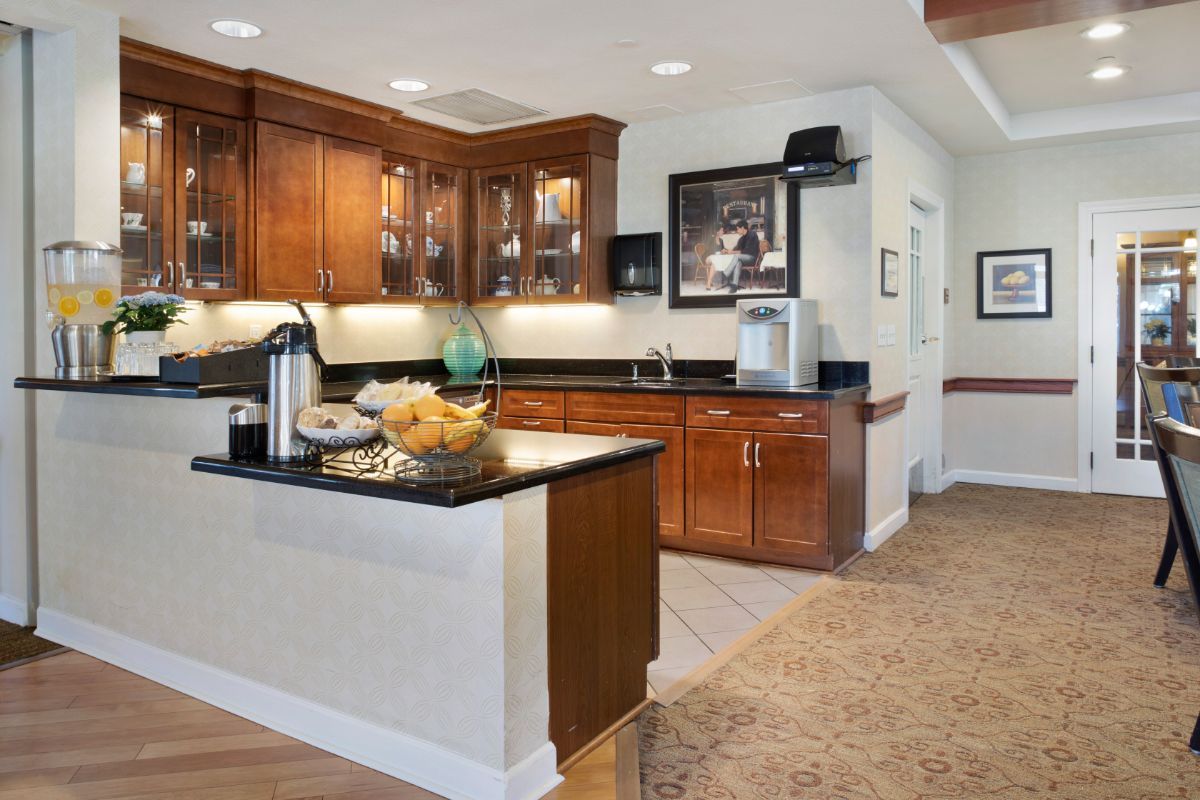
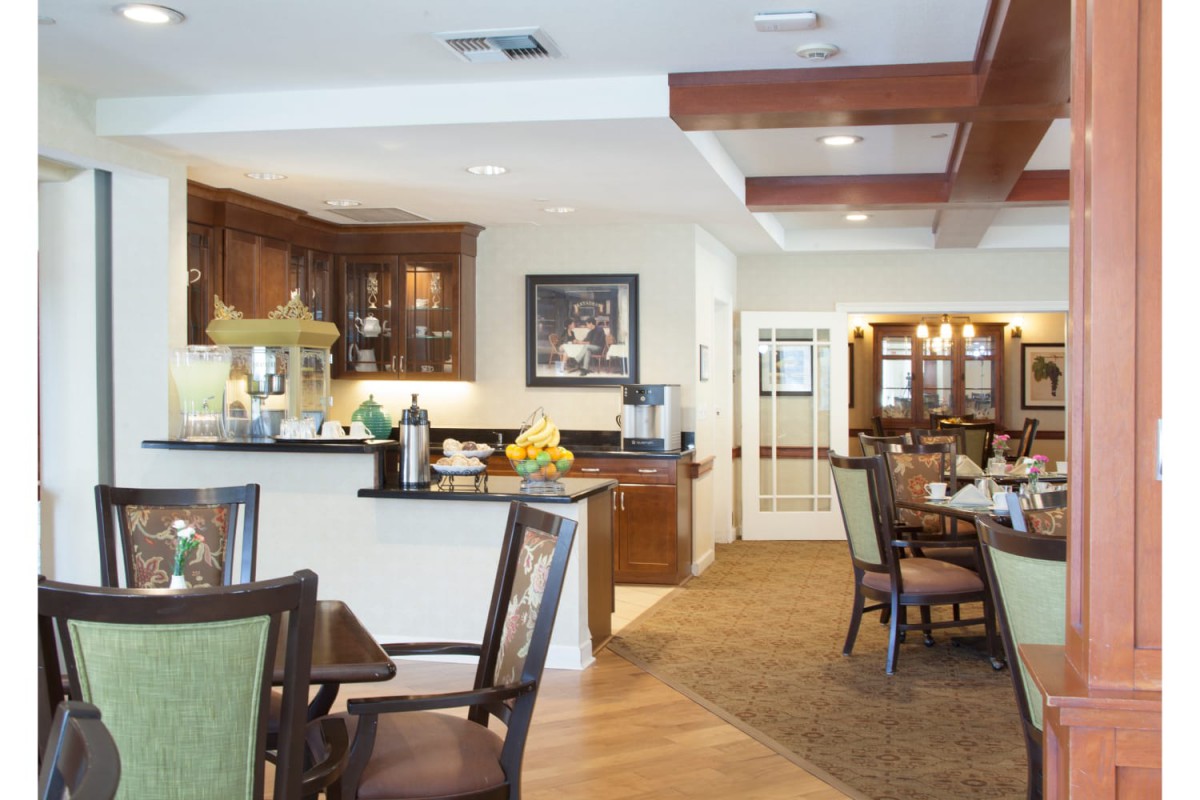
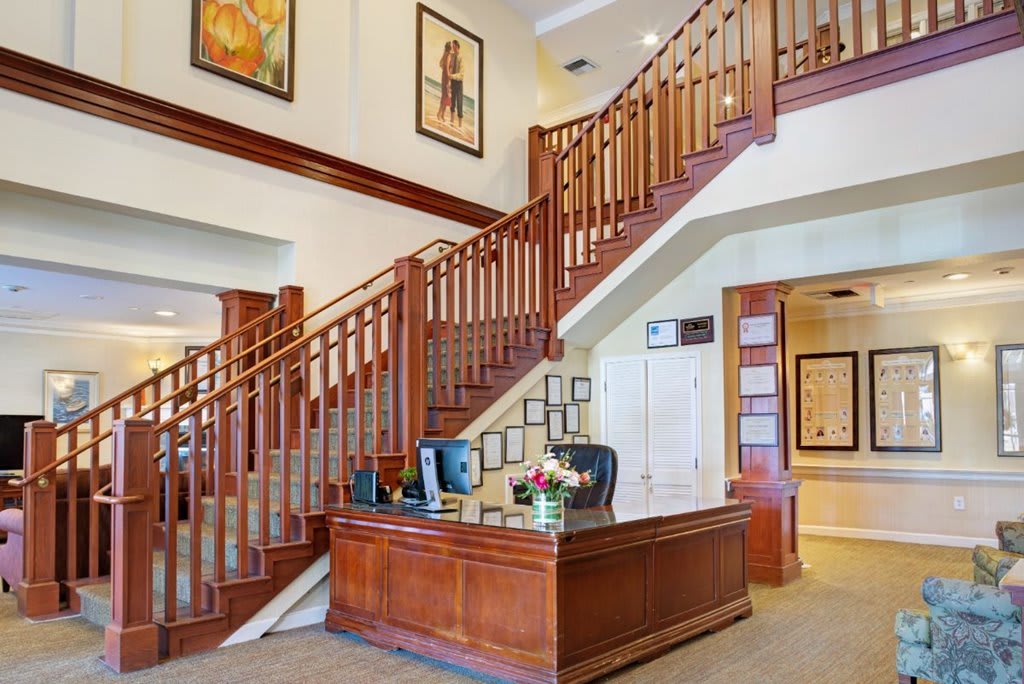
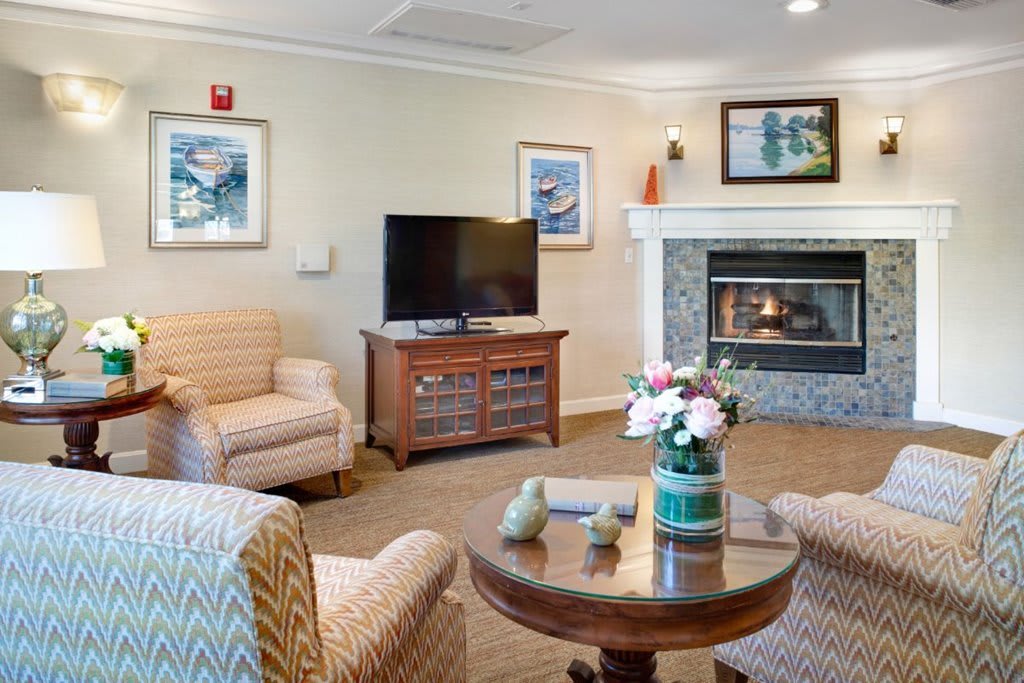
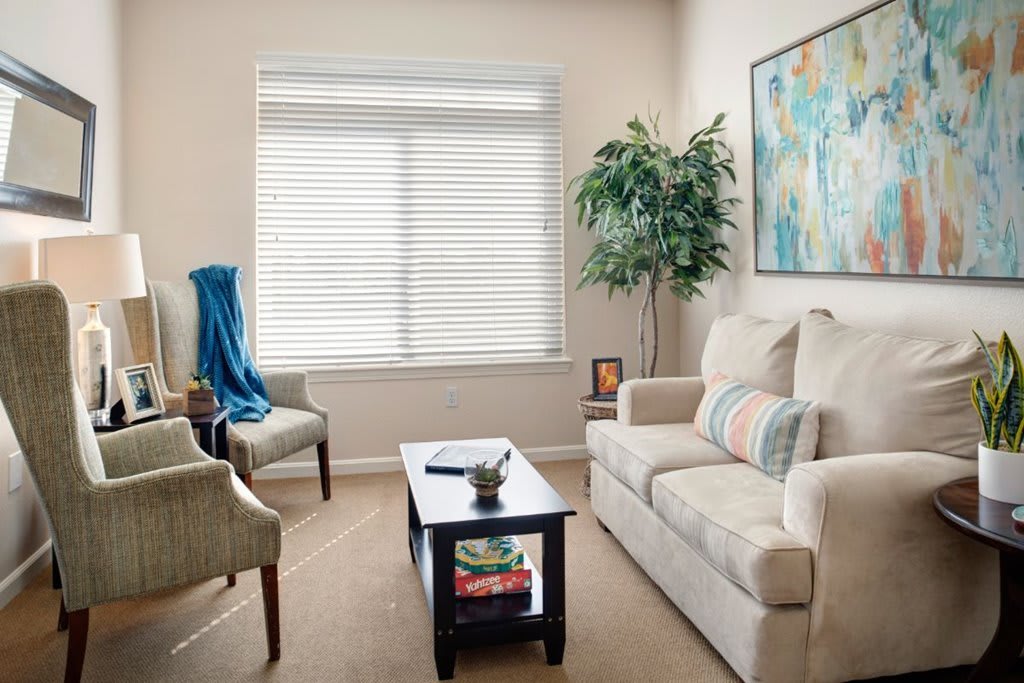
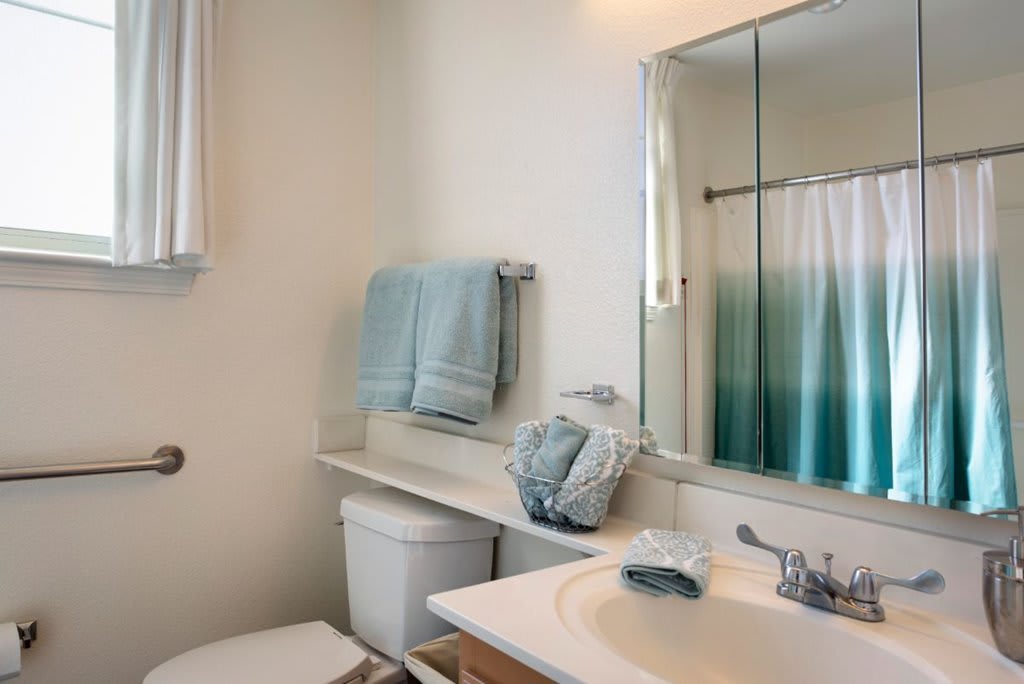
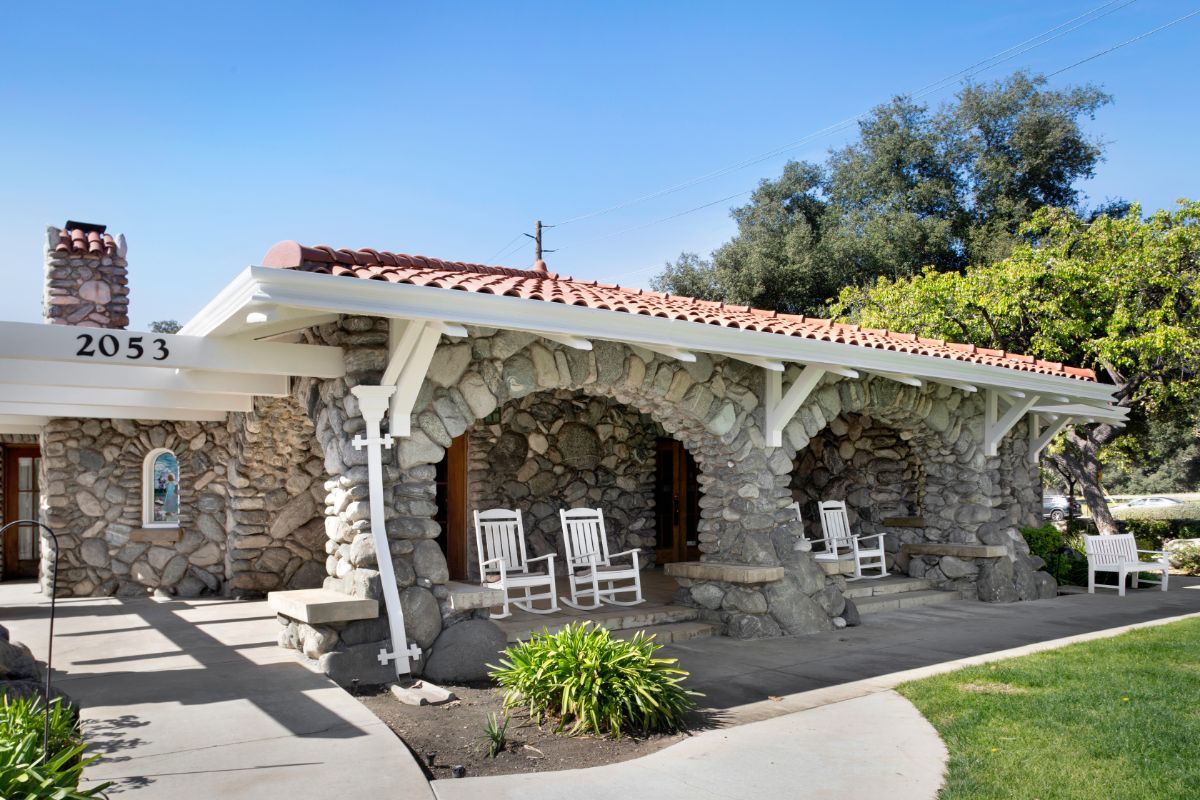
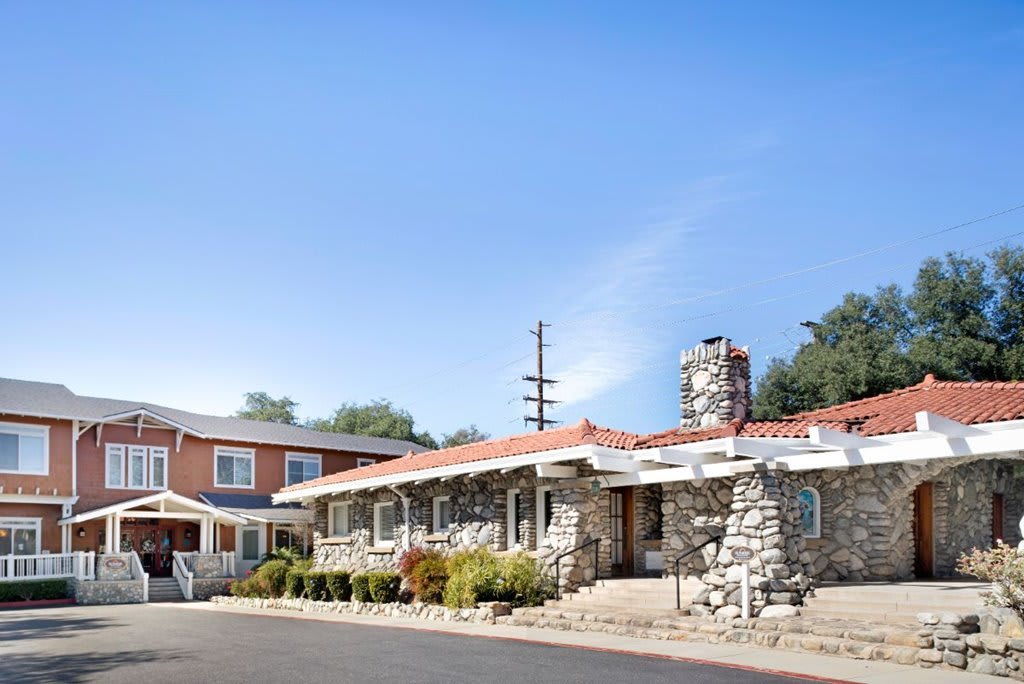
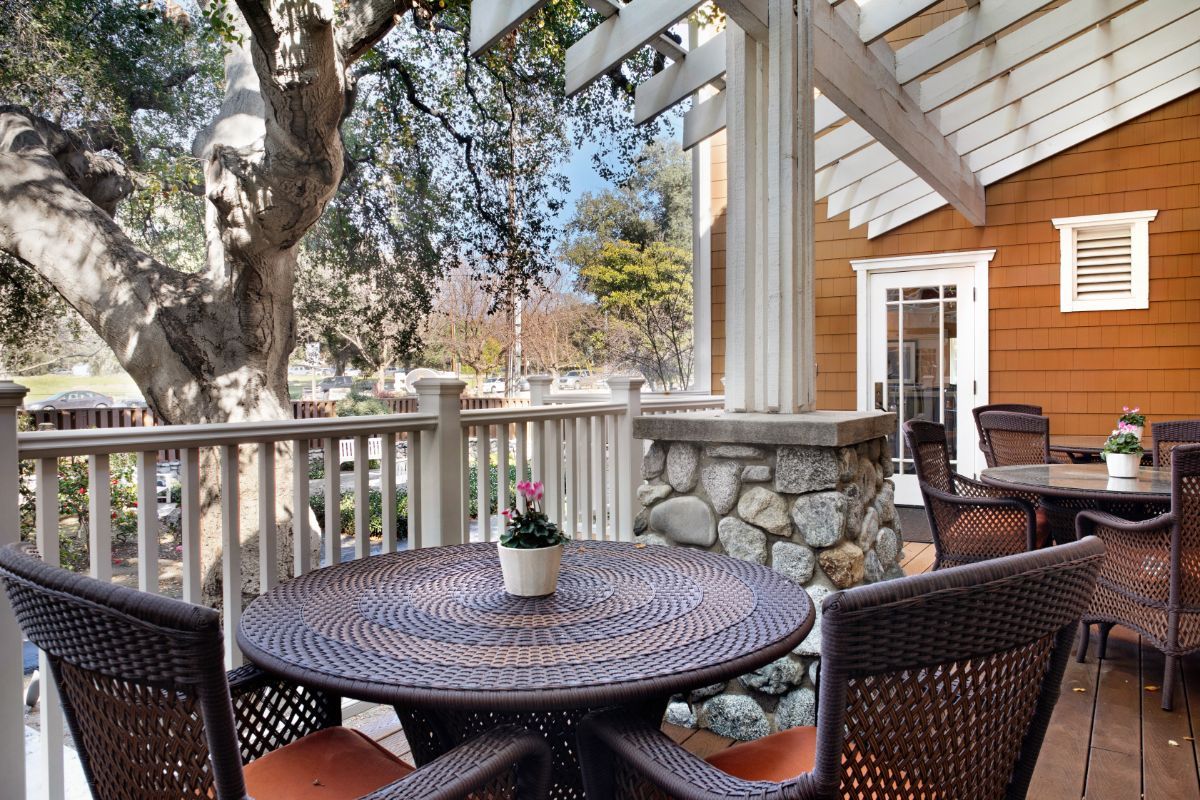
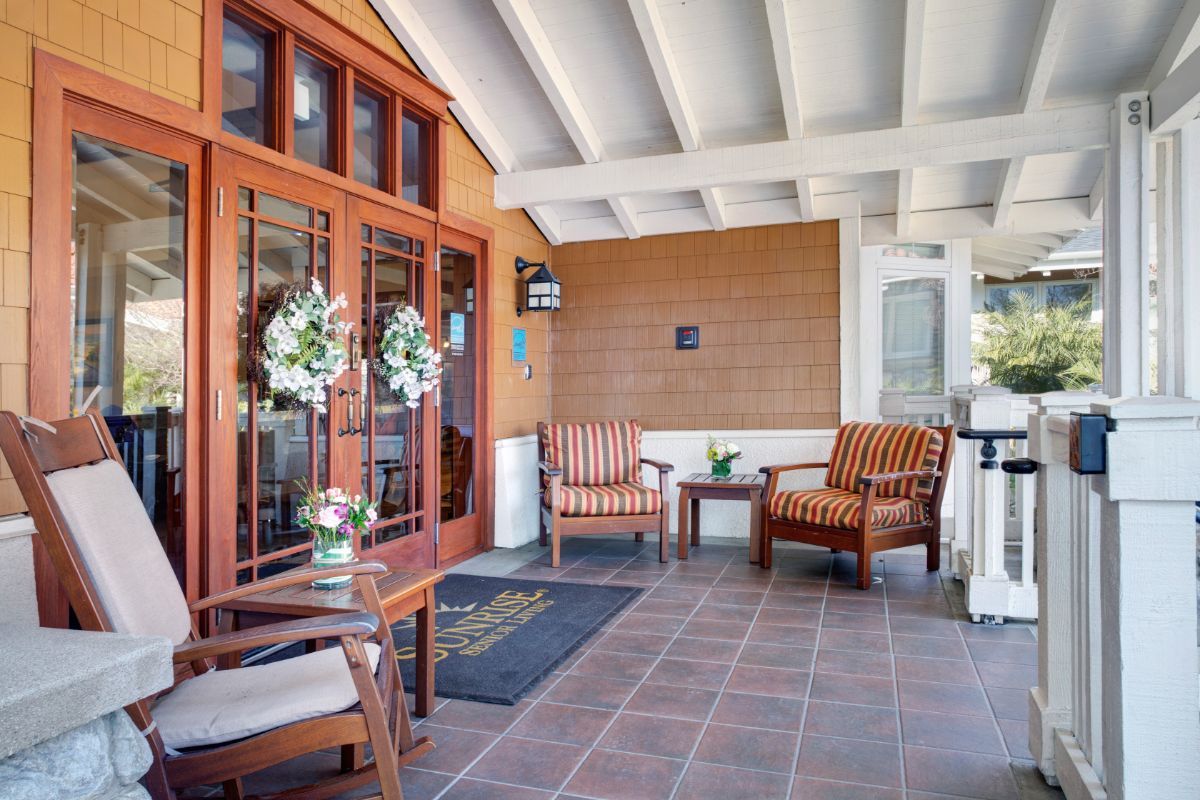
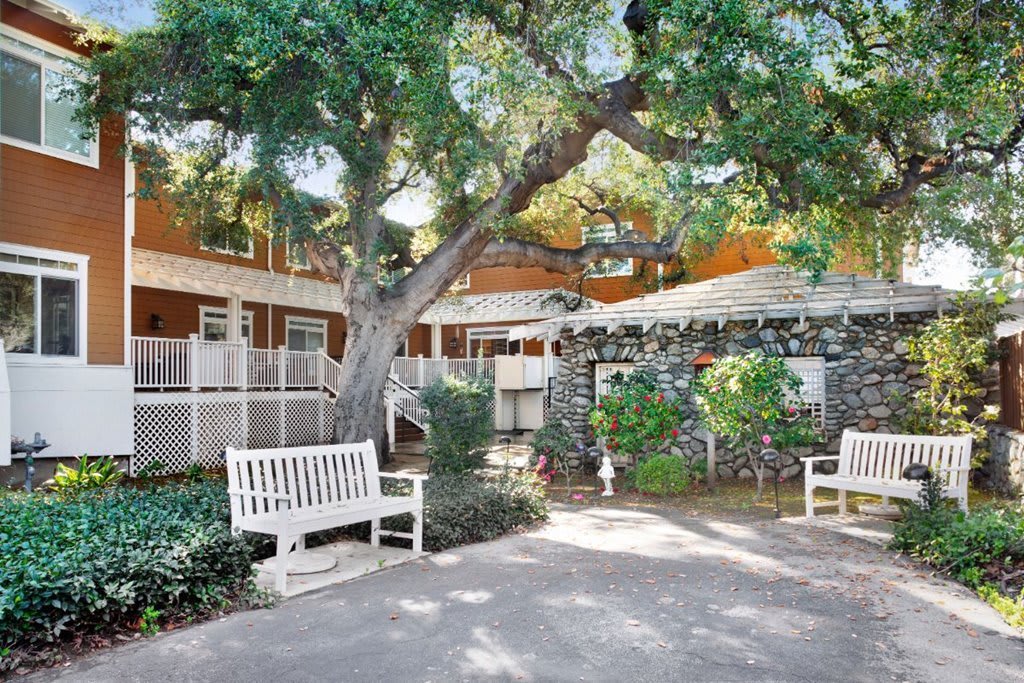
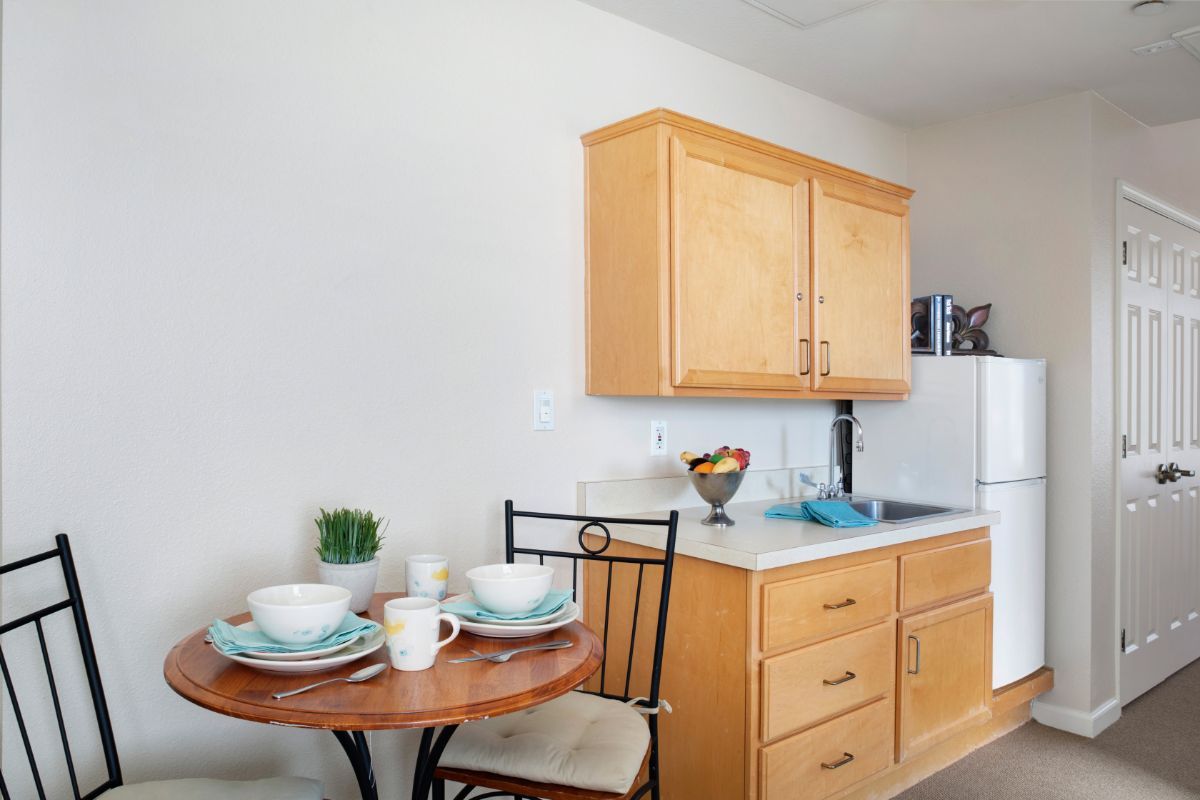
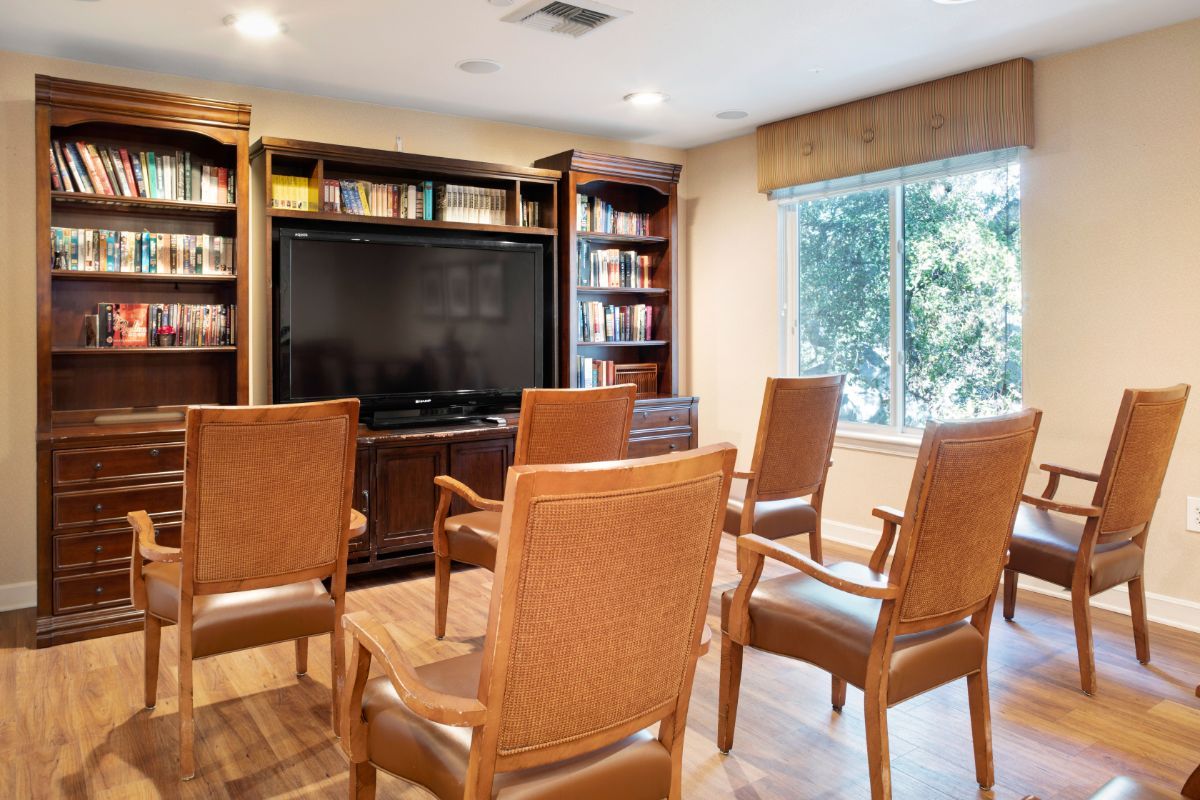
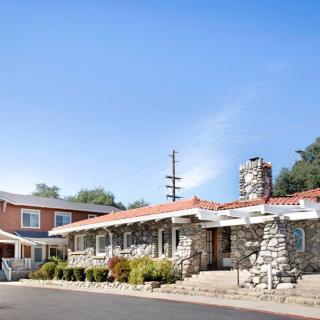
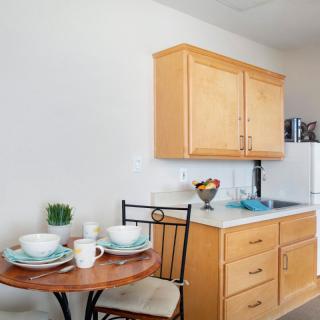
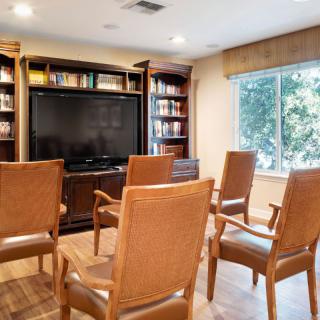
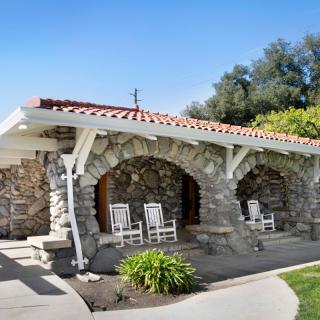
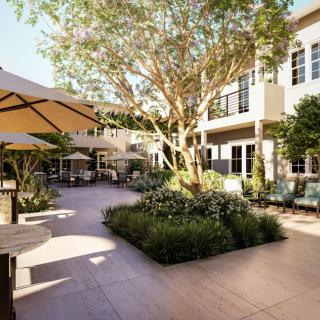
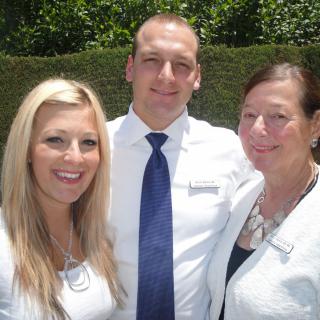
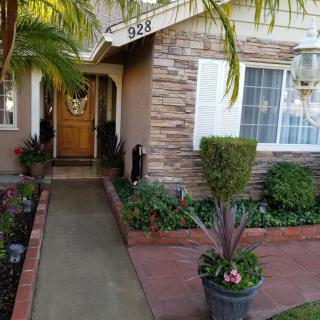
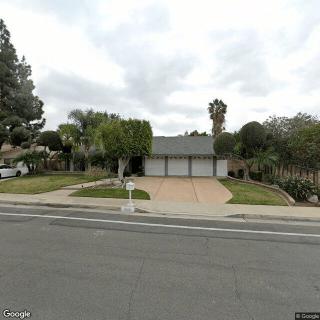
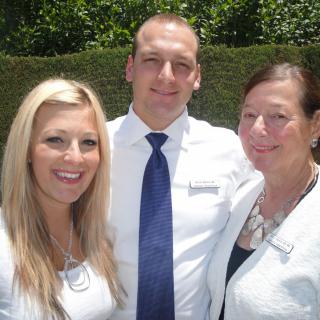
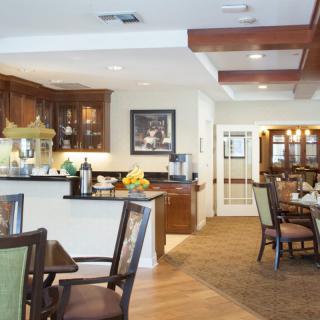
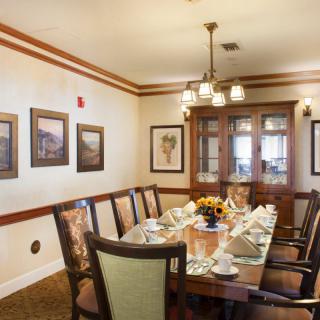
Sunrise of Claremont on seniors.fyi includes 38 photos including images showing interior, floor plan, decor, bathroom, dining, living room, outdoor, artwork, and more.
Nearby Communities
Sunrise Assisted Living
Claremont, CA
4.4 from 39 reviews
Excellent memory-care support with friendly, helpful staff and a welcoming atmosphere.
House Of Grace
Claremont, CA
5 from 9 reviews
$2,000 to $4,200 / month
Small, six-resident house enables highly personalized, attentive dementia care in a well-maintained, safe setting with experienced management.
A & E Residential Care
Claremont, CA
Small, intimate setting with personalized care and comprehensive daily living support.
Giana's Home 1
Claremont, CA
Comprehensive care with 24-hour supervision, medication management, diabetes diet, meals, and transportation support.
Access Village*
Claremont, CA
5 from 2 reviews
Diabetes-specific care with on-site social spaces.
Leisure Living of Claremont
Claremont, CA
5 from 3 reviews
$3,500 to $4,200 / month
Memory care specialization with personalized care and engaging on-site activities
Claremont Manor
Claremont, CA
4.3 from 93 reviews
$4,400 to $6,400 / month
Compassionate staff, diverse housing options, and engaging activities in a well-maintained, welcoming campus.
La Verne Manor
La Verne, CA
5 from 4 reviews
$1,013 to $2,000 / month
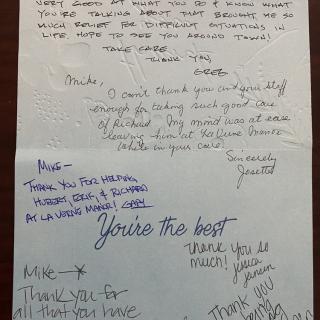
Happy residents with daily care, engaging activities, and clean, well-maintained rooms.
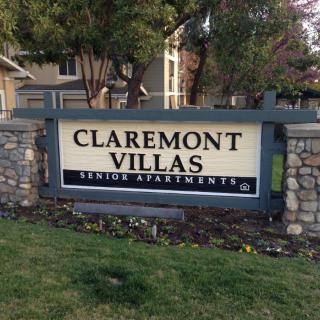
Claremont Villas
Claremont, CA
4.5 from 66 reviews
$771 to $1,114 / month
Renovated, clean apartments with friendly staff in a walkable Claremont Village location.
Dementia, primarily caused by Alzheimer's disease but also linked to other conditions, leads to cognitive decline impacting memory and daily functioning, with individuals experiencing varied awareness of their impairments. Despite memory loss, emotional connections persist, enabling responses to familiar stimuli, highlighting the need for caregivers to provide compassionate support that recognizes both limitations and retained emotional depth.
The article presents five subtle indicators of dementia, such as memory lapses and mood swings, to help families assess cognitive decline in loved ones. It emphasizes early detection, open communication, and seeking professional help while providing practical support steps.
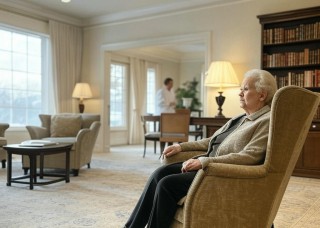
Dementia encompasses progressive neurological disorders that impair cognitive functions and can lead to paranoia due to cognitive decline and emotional changes. The article discusses the triggers of paranoia in dementia, caregiver strategies for managing it, and the importance of distinguishing between dementia-related paranoia and other psychiatric conditions.
Get PricingAsk A QuestionSchedule A TourContact Senior Advisor
By clicking submit, you agree to our Partner's Terms of Use. You
also consent to receive calls and texts, which may be autodialed, from our Partner. Your consent is not a condition to
using our Partner's service. Please visit our Partner's Privacy Policy for information about their privacy practices.









 81 resident community capacity
 Studio apartments
 Assisted Living
 Memory Care
 Activities off-site
 Air-conditioning
 Bath tubs
 Beautician on-site
 Cable or satellite TV
 Computer center
 Devotional services off-site
 Dining room
 Fitness room
 Fully furnished
 Gaming room
 Garden
 Ground floor units
 Handicap accessible
 Housekeeping services
 Indoor common areas
 Kitchenette
 Laundry
 Located close to restaurants
 Located close to shopping centers
 Move-in coordination
 Outdoor common areas
 Outdoor patio
 Private bathrooms
 Resident parking
 Respite or short term stays offered
 Restaurant-style dining
 Security gate
 Small library
 Telephone
 Wellness center
 Wheelchair accessible showers
 Wi-Fi/high-speed internet available
 Ontario International (9 miles away)
 Community operated transportation
 12-16 hour nursing
 24-hour call system
 Assistance with bathing
 Assistance with dressing
 Assistance with transfers
 Diabetes diet
 Diabetic care
 High acuity care
 Incontinence care
 Medication management
 Mental wellness program
 Special dietary restrictions
 Transportation arrangement (medical)
 Art classes
 BBQs or picnics
 Concierge services
 Day trips and outings
 Happy hour
 Live musical performances
 Sensory-based programs
 English
 Excellent memory-care support with friendly, helpful staff and a welcoming atmosphere.


 Delving into the Inner World of Dementia: Insights into Thoughts and Awareness
 Five Subtle Dementia Indicators to Observe: An In-Depth Guide to Understanding “Does My Mom Have Dementia?”
 Dementia, Paranoia, and Caregiver Guidance: Understanding the Connection