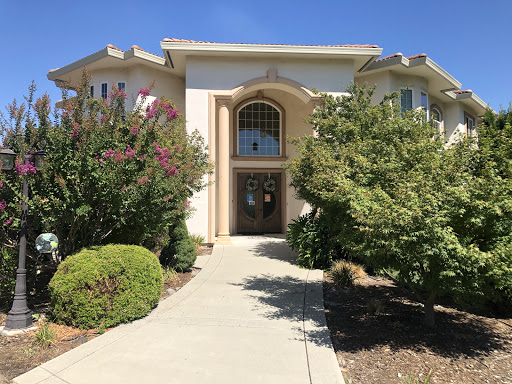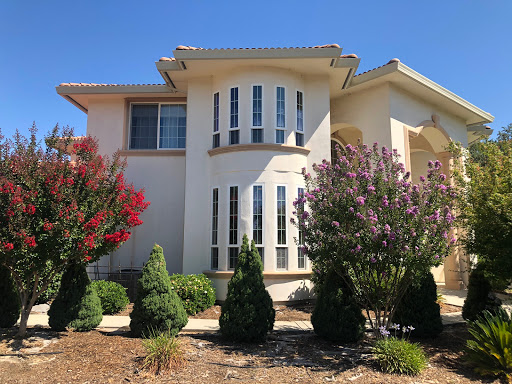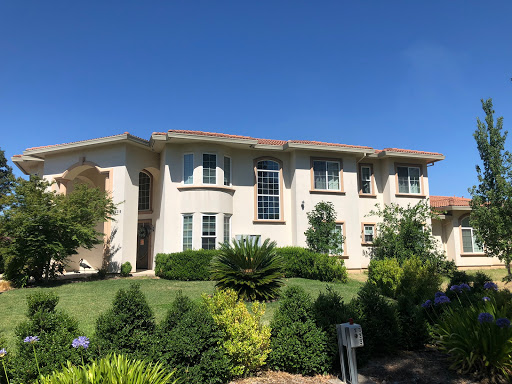
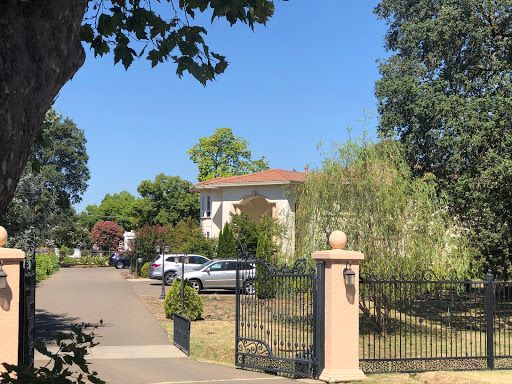
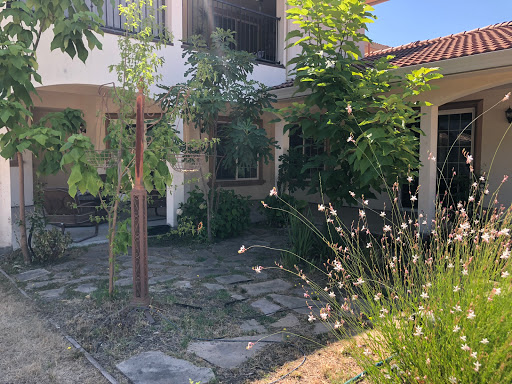
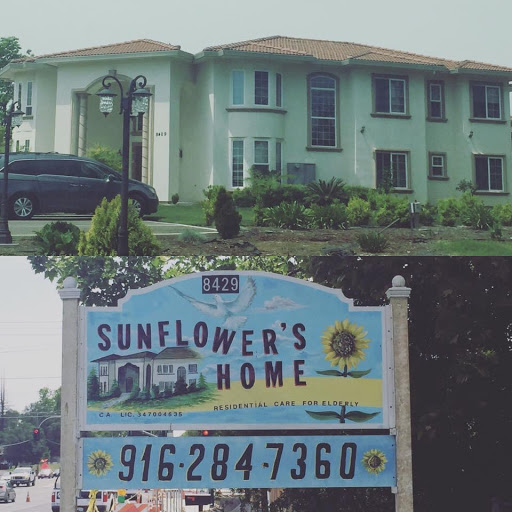
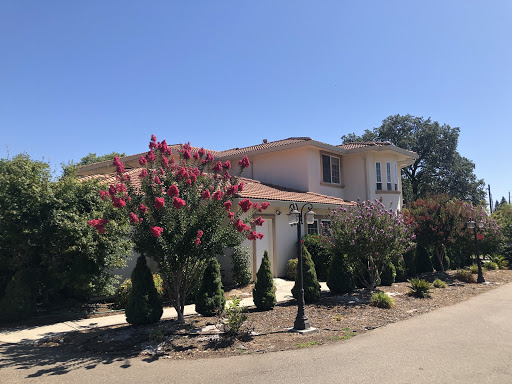
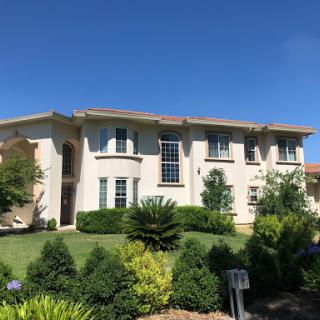
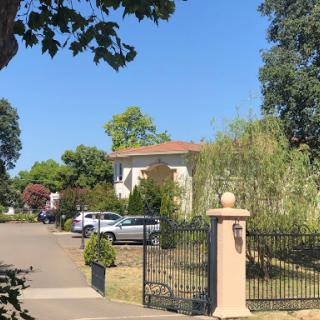
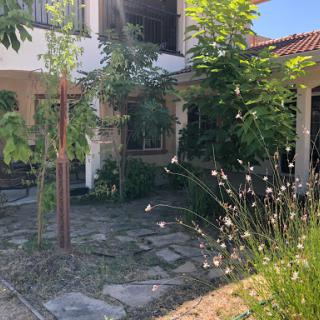
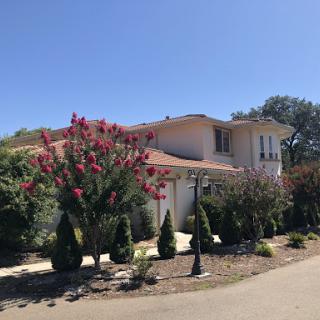
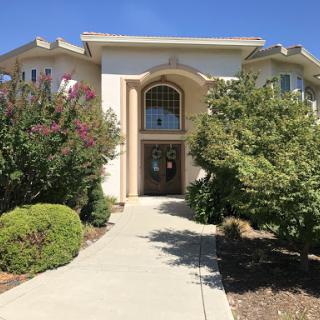
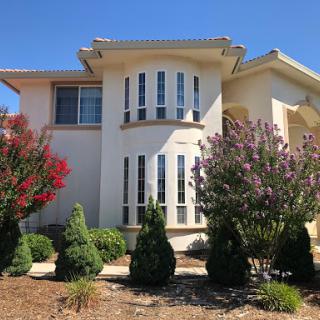
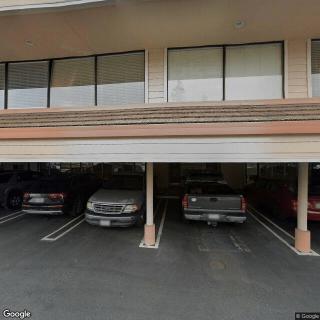
8429 Sunrise Boulevard, Citrus Heights, CA 95610
For more information about senior living options: (866) 208-4318
Sunflower's Home Costs & Pricing
Sunflower's Home offers competitive pricing for its private room accommodations, with a monthly cost of $3,000. This rate is notably lower than the average costs in Sacramento County, where similar private rooms are priced at approximately $3,686, and even more so compared to the broader California average of $3,939. By providing these services at a reduced rate, Sunflower's Home not only makes quality care more accessible but also positions itself as an attractive option for families seeking affordable yet comfortable living arrangements for their loved ones.
| Floor plans | Sunflower's Home | Sacramento County | California |
|---|---|---|---|
| Private | $3,000 | $3,686 | $3,939 |
Assisted Living communities with a similar price nearby
-
from -$500 / mo
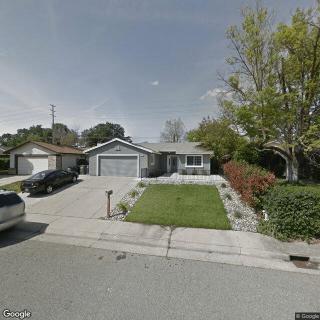
Sunrise Senior Care
$2,500 to $3,500 / month2.2 miles away -
About the same
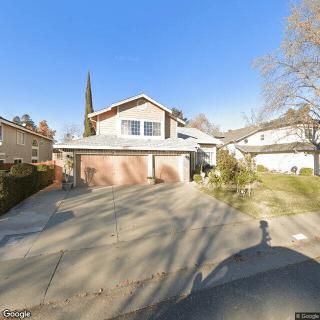
Afable Care Home
$3,000 to $3,500 / month5.1 miles away -
from -$500 / mo

Gina's Home Care
$2,500 / month6.2 miles away -
About the same
Love & Care for Elder
$3,000 to $4,500 / month3.5 miles away -
About the same

Hear Seniors
$3,005 to $3,870 / month7.7 miles away
Overall Review of Sunflower's Home
Pros
 The facility is a one-of-a-kind residential care home with top-class care and very friendly staff.
- It delivers great care and great staff, with residents expressing deep gratitude for their experience.
- It is a fabulous medical facility offering spectacular and specialized care.
- Sunflowers/Sunflower’s Home is one of the nicest RCFE facilities, with a dialed-in program, squeaky-clean operations, and involved owners.
- Residents have praised long-term stays, noting top-tier service and prompt assistance.
- The staff are superb and friendly, with owners actively involved in daily operations to keep everything up to date.
- Staff assistance is available within minutes of requesting help through the call center.
Review
Sunflower’s Home is best suited for families seeking a small, tightly run residential care home in Citrus Heights that delivers hands-on, owner-led oversight, exceptionally responsive staff, and a remarkably clean, well-organized environment. It thrives for seniors who want personal attention, predictable routines, and a sense of accountability that comes from owners who are involved in daily operations. This community shines when a loved one benefits from quick access to help, a calm, home-like setting, and highly attentive caregiving, rather than a sprawling campus with extensive medical departments. Those who anticipate needing hospital-level services or a large-scale facility should consider alternatives.
The core strengths read like a checklist for meticulous care: a one-of-a-kind RCFE feel, top-tier care, and a staff culture described as friendly and dedicated. Reviewers highlight the hands-on involvement of the owners, which translates into a care program that feels dialed in and consistently aligned with resident needs. Cleanliness and organization are repeatedly cited, reinforcing the impression of a facility that treats safety and daily structure as non-negotiables. The ability to secure staff assistance within minutes, via a centralized call system, is not just a convenience but a hallmark of reliable responsiveness that families value when a loved one has daily support needs.
On the con side, the most salient caveat is practical rather than philosophical: Sunflower’s Home operates as a small, high-touch setting, which naturally means limited availability and admission competition. For families needing immediate placement, or for those seeking a facility with a broad menu of on-site medical specialists, the size and structure of this community may feel constraining. While the reviews extol specialized care and medical competence, there is an implicit ceiling to the level of medical complexity that can be managed in a residential care home format. In short, this is not the pick for someone requiring extensive, hospital-grade medical oversight or a large, memory-care–oriented campus.
Those trade-offs are effectively offset by the upside: the intimate staff-to-resident ratio and the owners’ daily involvement translate into dependable supervision, faster problem resolution, and a consistently clean, well-run environment. For families, the payoff is clear, peace of mind from knowing help is genuinely at hand, not just available upon request. The longevity of residents and the repeated testimonials from people with years in the facility speak to stability, trust, and a culture that keeps operations current. When rapid assistance, personal attention, and a coherent care plan matter most, Sunflower’s Home delivers them with a level of polish that outpaces many peers in the small-home segment.
Alternatives come into focus for families whose priorities are different. If cost constraints, larger scale, or a broader medical footprint are decisive, consider mid-sized assisted living communities or hospital-affiliated options that provide more extensive on-site oncology, wound care, or specialty memory-care programs. Those seeking a campus with expansive activity calendars, resort-style amenities, or 24/7 on-site nursing coverage may find a larger operator a better fit. Similarly, if certainty of immediate placement is essential and competition for beds is a deal-breaker, exploring multiple options in advance helps prevent last-minute compromises.
In the end, Sunflower’s Home stands out for seniors who value precision in daily care, rapid responsiveness, and a genuinely warm, well-run home atmosphere. It is a strong recommendation for families willing to navigate a small-capacity model in exchange for top-tier personal care, consistent oversight, and a trusted, long-tenured staff. Those who cannot compromise on medical breadth, immediate availability, or campus-size amenities should look to alternatives with broader medical services or larger communities. A deliberate visit, tour the facility, meet the owners, observe the call-center workflow, and talk to current residents and families, will confirm that this is the right match for the loved one’s needs and the family’s expectations.
 6 resident community capacity
 Assisted Living
 Board and Care Home
 Activities off-site
 Cable or satellite TV
 Dining room
 Fully furnished
 Garden
 Housekeeping services
 Indoor common areas
 Move-in coordination
 Outdoor common areas
 Private
 Telephone
 Wi-Fi/high-speed internet available
 Sacramento International (17 miles away)
 24-hour supervision
 Ambulatory care
 Assistance with bathing
 Assistance with dressing
 Assistance with transfers
 Diabetes diet
 High acuity care
 Incontinence care
 Meal preparation and service
 Medication management
 Special dietary restrictions
 Transportation arrangement (medical)
 Transportation to doctors appointments

 8 Key Indicators That Suggest It May Be Time to Transition from Assisted Living to Skilled Nursing Care
 Vibrant Senior Living: A Comprehensive Guide for Active Older Adults
 When to Transition from Assisted Living to Memory Care: Key Indicators, Steps, and Finding the Right Community