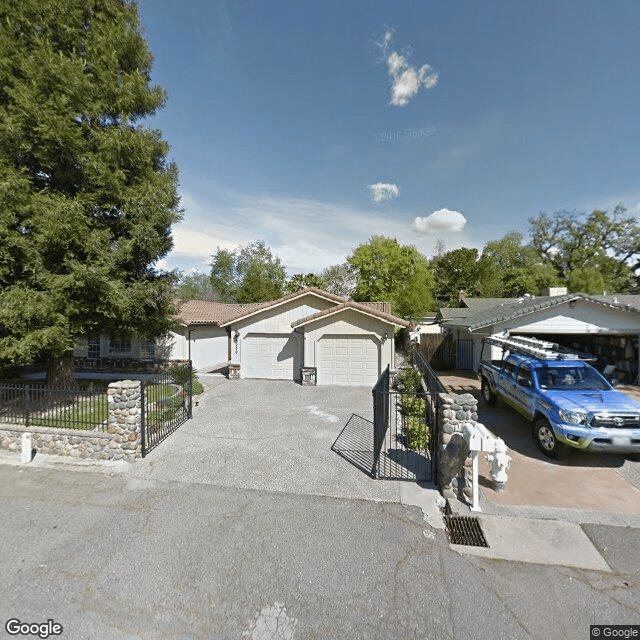
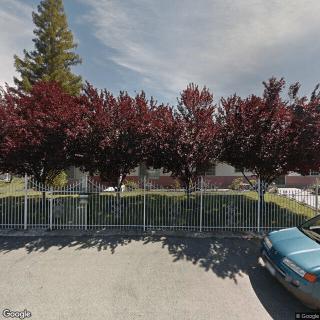
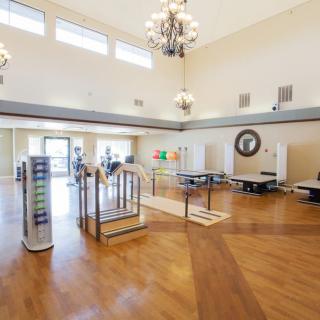
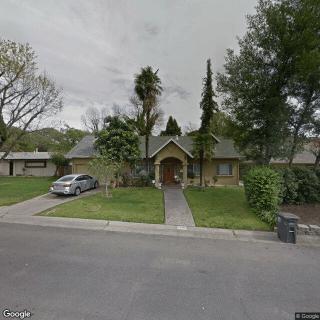
Eva's Care Home in Citrus Heights, CA

Save
Eva's Care Home

Eva's Care Home in Citrus Heights, CA

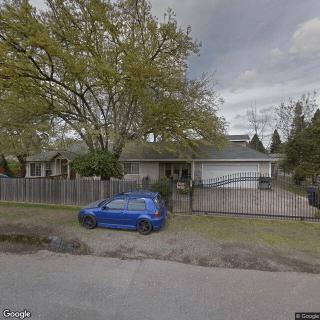
8220 Catalpa Drive, Citrus Heights, CA 95610

For more information about senior living options: (844) 490-3973

4.1 from 21 reviews
5 stars
15
4 stars
1
3 stars
1
2 stars
0
1 stars
4

Assisted Living Board and Care Home

Eva's Care Home Costs & Pricing

At Eva's Care Home, the monthly cost for a private room is set at $3,500, which positions it as a competitive option compared to the broader market. In Sacramento County, similar accommodations average around $3,686, while the statewide average in California rises to $3,939. This pricing reflects a commitment to providing quality care while remaining accessible within the regional landscape. Residents can find comfort in knowing that Eva's Care Home offers a cost-effective alternative without compromising on the standards of care essential to their well-being.

Floor plansEva's Care HomeSacramento CountyCalifornia
Private$3,500$3,686$3,939

Overall Review of Eva's Care Home

Pros

  • pro The staff are very patient and keep residents as comfortable as possible.
  • pro The facility maintains open communication with families about their loved ones.
  • pro The administrator and staff are kind, courteous, and responsive.
  • pro Citrus Heights Terrace is the best home for loved ones, with patient, attentive care from the team.
  • pro Tina is professional, caring, and puts residents and staff first; the staff are warm and the facility is clean and spacious.
  • pro The transition to Citrus Heights Terrace is smooth, with staff who provide patience and kindness, helping residents feel safe and engaged.
  • pro The dining areas, bathrooms, and common spaces are cleaned promptly and thoroughly; the caregivers do a great job with patience and compassion.

Cons

  • pro The staff are often too busy due to chronic understaffing, resulting in mediocre care.
  • pro The administrator, Veronica, is standoffish and offers excuses when questioned about preventing falls and bed sores.
  • pro The facility failed to inform or call for an ambulance after a resident's fall, leaving her with a hip fracture for hours.
  • pro Residents are found in soiled incontinence or wet pants, and hygiene is not adequately addressed.
  • pro Personal items and clothing are frequently lost or misplaced.
  • pro Some medications are discontinued because staff have trouble administering them.
  • pro There are reports of abuse and harsh treatment of residents.
  • pro The facility sometimes smells of urine, and cockroaches have been observed in residents' rooms.
  • pro A resident's mattress had a large urine stain after moving out, indicating long-term neglect.

Review

This community is best suited for families seeking a small, home-like setting with a clear focus on memory-care and assisted-living, where daily life centers on attentive staff and steady communication with families. It works well for residents who respond to consistent routines, direct access to caregivers, and a sense of belonging in a tightly run home. Reviewers repeatedly point to a hands-on administrator and a warm caregiving team that knows residents by name, makes themselves available, and keeps family members in the loop about care plans. The environment tends to feel clean, welcoming, and safe, with comfortable rooms and spaces that invite social connection. For families who value a personable, family-oriented atmosphere over institutional distance, this community delivers where it counts.

Those weighing alternatives should consider whether the loved one requires more formal medical oversight or a larger operation with standardized QA processes. If 24/7 nursing coverage, rigorous fall-prevention protocols, or highly structured activity programs are priorities, a bigger memory-care or skilled-nursing facility may be a better fit. Several voices in the reviews flag staffing consistency and responsiveness as potential weaknesses, suggesting that options with longer-tenured staff and stronger housekeeping controls could offer greater peace of mind. Families who want ironclad safety metrics, predictable staffing ratios, and transparent incident reporting will likely want to compare licensing records and visit multiple facilities before deciding. In short, the charm and accessibility here are compelling, but not a universal substitute for formalized clinical oversight.

The strongest advantages lie in the personnel core and the culture of open communication. Families consistently praise the administrator's professionalism, the caring attitude of caregivers, and the ease of getting medical questions answered. Cleanliness and upkeep are highlighted as ongoing strengths, with well-maintained rooms and communal areas contributing to a sense of dignity and safety. Dining is described as satisfactory, and the overall environment supports meaningful visits and ongoing resident engagement. Yet the flip side is equally real: when staffing dips, responses can slow, and some residents experience delays in assistance or gait/skin concerns that require timely intervention. A few reviews raise serious questions about management action and safety, underscoring the need for prospective families to verify current practices firsthand.

From a practical perspective, the facility radiates stability when leadership remains active and staff turnover stays manageable. The stories of Tina and her team emphasize patience, empathy, and a willingness to partner with families on care decisions, which translates into smoother transitions for new residents and clearer care plans for families. The memory-care focus is evident in how staff handle behaviors with patience and humor, and in the obvious attention given to personal preferences and routines. However, the memory-care environment can be stressful for the staff, and turnover pressures sometimes show up as inconsistent coverage or variability in day-to-day attentiveness. Prospective residents should weigh whether current staffing levels and morale align with the quality promises seen in resident testimonials.

Environment and operations round out the decision. The physical plant earns praise for being bright, clean, and thoughtfully laid out, with welcoming outdoor spaces and rooms designed to support ease of care. Maintenance responsiveness and prompt housekeeping support are noted positives. That said, a handful of reviewers reference concerns such as unpleasant odors, episodes of inadequate hygiene, or losses of personal items, which point to the importance of a thorough in-person evaluation and a review of recent inspection findings. The presence of such mixed signals should push families to observe a full day in the facility, speak with several frontline caregivers, and request a complete care plan and activity schedule to assess whether day-to-day operations meet expectations.

The bottom line is practical and clear. For families who want a warm, home-style environment with visible leadership, strong resident relationships, and a memory-care focus that feels personal rather than corporate, this community deserves serious consideration. It delivers meaningful positives when staffing is stable, communication is proactive, and care teams know residents well. Yet the concerns voiced by some families about staffing gaps, hygiene lapses, and potential safety issues cannot be dismissed. If those risks are a deal-breaker, or if a higher level of clinical oversight and formalized safety protocols are non-negotiable, exploring alternatives with documented staffing stability and certified QA processes is prudent. A structured tour, candid conversations with Tina and frontline staff, and a careful review of licensing records will reveal whether this community will meet the long-term needs and expectations of the loved one.

Features

Housing

  • 6 resident community capacity 6 resident community capacity

Types of Care

  • Assisted Living Assisted LivingAssisted living facilities provide crucial support and care for seniors who may need help with daily tasks such as medication management, bathing, and meal preparation. These communities offer a safe and comfortable environment where seniors can maintain their independence while receiving the assistance they need to thrive in their golden years.
  • Board and Care Home Board and Care HomeBoard and care homes provide a smaller, more intimate setting for seniors who require assistance with daily tasks but do not need the level of care offered by a nursing home. They offer personalized care, meals, and social activities in a homelike environment, ensuring that seniors receive individualized attention and support in their golden years.

Amenities

  • Activities off-site Activities off-siteEngaging in off-site activities is crucial for seniors to maintain social connections, stay active, and stimulate their minds. It promotes overall well-being and helps combat feelings of isolation and loneliness.
  • Activities on-site Activities on-siteActivities on-site are important for seniors because they provide opportunities for socialization, mental stimulation, physical activity, and overall well-being. Engaging in activities can help seniors stay active, maintain their independence, and improve their quality of life.
  • Beautician on-site Beautician on-siteHaving a beautician on-site at a senior living community is important for seniors as it allows them to easily access grooming and personal care services, boosting their self-esteem and overall well-being. It also provides convenience and helps seniors maintain their sense of independence and personal style.
  • Cable or satellite TV Cable or satellite TVCable or satellite TV is important for seniors because it provides entertainment, news, and companionship, helping to combat loneliness and boredom. It also offers a wide range of programming options tailored to different interests and preferences.
  • Devotional services off-site Devotional services off-siteDevotional services off-site are important for seniors as they provide spiritual nourishment, social engagement, and a sense of community outside of the senior living facility. This can enhance overall well-being and help combat feelings of isolation and loneliness often experienced by older adults.
  • Dining room Dining roomDining rooms are important for seniors as they provide a space for socialization, connection, and nutritious meals. They offer opportunities for residents to bond over shared meals, foster a sense of community, and promote healthy eating habits. Dining rooms also ensure that seniors have access to well-balanced meals tailored to their dietary needs and preferences.
  • Fully furnished Fully furnishedFully furnished senior living communities are important for seniors because they provide convenience, comfort, and a hassle-free moving experience. Seniors can easily settle into their new living space without the stress of having to buy and move furniture. This allows them to focus on enjoying their new home and community.
  • Garden GardenGardens are important for seniors as they provide a peaceful and therapeutic environment for relaxation, physical activity, and socialization. Being in nature has been shown to reduce stress, improve mood, and promote overall well-being. Gardens also offer opportunities for seniors to engage in gardening activities, which can improve mobility, flexibility, and cognitive function. Additionally, gardens create a sense of community and connection with others who share a passion for plants and outdoor spaces.
  • Housekeeping services Housekeeping servicesHousekeeping services are important for seniors because they help maintain a clean and safe living environment, promote independence, and reduce the risk of accidents or illnesses. Additionally, having assistance with household chores can alleviate physical strain and allow seniors to focus on other aspects of their well-being.
  • Indoor common areas Indoor common areasIndoor common areas are crucial for seniors as they provide a space for socialization, recreation, and community engagement, promoting overall well-being and reducing feelings of isolation and loneliness.
  • Move-in coordination Move-in coordinationMove-in coordination is important for seniors because it helps ease the transition into their new living environment. It ensures that all logistics, such as packing, organizing movers, and setting up utilities are taken care of, allowing seniors to focus on settling in and adjusting to their new home. Having a smooth move-in process can alleviate stress and anxiety, making the transition smoother and more enjoyable for seniors.
  • Outdoor common areas Outdoor common areasOutdoor common areas are important for seniors as they provide a space for socialization, physical activity, and relaxation. Being outside in nature can improve mood and overall well-being, while also encouraging movement and engagement with others. These spaces can help combat feelings of isolation and promote a sense of community among residents.
  • Outdoor space Outdoor spaceOutdoor spaces are important for seniors as they provide opportunities for physical activity, social interaction, exposure to natural light and fresh air, and a sense of connection to nature. Having access to outdoor spaces can improve overall well-being and quality of life for older adults living in senior communities.
  • Private PrivatePrivacy is important for seniors as it allows them to maintain their independence, dignity, and sense of control over their own lives. It also gives them the space and freedom to relax, reflect, and engage in activities that bring them joy and fulfillment. Creating private spaces within senior living facilities is crucial for promoting overall well-being and quality of life.
  • Private bathrooms Private bathroomsPrivate bathrooms are important for seniors in senior living communities because they provide independence, dignity, and comfort. Having a private bathroom allows seniors to maintain their personal hygiene routines without the need for assistance, promoting a sense of autonomy and privacy. Additionally, private bathrooms help prevent the spread of infections and provide a safe and clean environment for seniors to navigate safely.
  • Respite or short term stays offered Respite or short term stays offeredRespite or short term stays provide seniors with a temporary solution when their regular caregiver is unavailable, offering them the opportunity to receive additional care and support during times of need, while also giving caregivers a chance to rest and recharge.
  • Telephone TelephoneTelephones are important for seniors as they provide a lifeline for communication with loved ones, emergency services, and healthcare providers. They offer a sense of security and independence, enabling seniors to stay connected and access assistance when needed.
  • Wheelchair accessible showers Wheelchair accessible showersWheelchair accessible showers are crucial for seniors as they provide a safe and independent bathing option for those with mobility challenges. These showers help prevent falls and allow seniors to maintain their dignity and autonomy while ensuring they can bathe comfortably.
  • Wi-Fi/high-speed internet available Wi-Fi/high-speed internet availableWi-Fi/high-speed internet is important for seniors to stay connected with loved ones, access online resources, and participate in virtual activities to combat feelings of loneliness and isolation. It also allows them to easily manage healthcare needs, access entertainment, and engage in lifelong learning opportunities.

Transportation

  • Sacramento International (17 miles away) Sacramento International (17 miles away)

Care Services

  • 24-hour supervision 24-hour supervision24-hour supervision is important for seniors to ensure their safety, well-being, and access to immediate assistance in case of emergencies or health issues. This constant support provides peace of mind for both seniors and their loved ones, allowing them to age in place with dignity and security.
  • Activities of daily living assistance Activities of daily living assistanceActivities of daily living assistance are important for seniors because they provide essential support with tasks such as eating, bathing, dressing, and mobility. This assistance helps seniors maintain their independence, dignity, and overall quality of life as they age.
  • Assistance with bathing Assistance with bathingAssistance with bathing is crucial for seniors as it helps maintain personal hygiene, prevents infections, and ensures their overall well-being and comfort. It also provides a sense of dignity and independence for seniors who may struggle with this task on their own.
  • Assistance with dressing Assistance with dressingAssistance with dressing is important for seniors because it helps maintain their independence, promotes personal hygiene, prevents accidents and injuries, and improves overall quality of life. This service ensures that seniors can continue to dress comfortably and confidently, despite any physical limitations they may have.
  • Assistance with transfers Assistance with transfersAssistance with transfers is crucial for seniors as it helps prevent falls and injuries, maintains their independence, and ensures they can safely navigate their living environment. It also provides peace of mind for both seniors and their loved ones.
  • Coordination with health care providers Coordination with health care providersCoordination with health care providers is crucial for seniors to ensure proper medical care, medication management, and overall well-being. This collaboration helps prevent overlapping treatments, track progress more effectively, and provide comprehensive support tailored to individual needs.
  • Diabetes diet Diabetes dietA diabetes diet is crucial for seniors as it helps manage blood sugar levels, reduce risks of complications, and improve overall health and well-being. By following a balanced and nutritious diet tailored to their specific needs, seniors can better control their diabetes and enhance their quality of life.
  • Diabetic care Diabetic careDiabetic care is crucial for seniors as they are more susceptible to developing diabetes due to aging and other health conditions. Proper management of diabetes can help prevent complications such as heart disease, vision loss, and nerve damage, improving the overall quality of life for seniors in senior living communities.
  • High acuity care High acuity careHigh acuity care is important for seniors because it provides specialized medical attention and support for individuals with complex medical needs. This level of care ensures that seniors receive the appropriate treatment and assistance to maintain their health and quality of life as they age.
  • Incontinence care Incontinence careIncontinence care is essential for seniors to maintain their dignity, hygiene, and overall quality of life. By addressing incontinence issues promptly and effectively, seniors can enjoy a sense of independence and comfort in their daily activities.
  • Meal preparation and service Meal preparation and serviceMeal preparation and service are crucial for seniors as they may have limited mobility or energy to cook nutritious meals. Having access to healthy and convenient food options can ensure they are getting the proper nutrition needed to maintain their overall health and well-being.
  • Medication management Medication managementMedication management is crucial for seniors to ensure they are taking the right medications at the correct dosages and times. This helps prevent adverse drug interactions, reduces the risk of medication errors, and promotes overall health and well-being. Proactive management also allows for adjustments as needed based on changing health conditions or new prescriptions.
  • Special dietary restrictions Special dietary restrictionsSpecial dietary restrictions are important for seniors because age-related changes in metabolism and health conditions can make it difficult for their bodies to process certain foods. By following a diet tailored to their specific needs, seniors can maintain their overall health and well-being, manage chronic conditions, and reduce the risk of complications such as malnutrition or food interactions with medications.
  • Transportation arrangement (medical) Transportation arrangement (medical)Transportation arrangements for medical purposes are essential for seniors as they may have difficulty driving themselves to appointments or accessing public transportation. Having reliable and safe transportation options ensures that seniors can receive timely medical care and maintain their health and well-being.
  • Transportation to doctors appointments Transportation to doctors appointmentsTransportation to doctors' appointments is crucial for seniors as it ensures they have access to necessary medical care and support for their health needs. Without reliable transportation, seniors may struggle to attend important appointments, leading to potential delays in treatment and health complications. Providing transportation services helps seniors maintain their overall well-being and quality of life.
Dining

  • Diabetes diet Diabetes dietA diabetes diet is crucial for seniors as it helps manage blood sugar levels, reduce risks of complications, and improve overall health and well-being. By following a balanced and nutritious diet tailored to their specific needs, seniors can better control their diabetes and enhance their quality of life.
  • Meals provided Meals provided"Meals provided" are crucial for seniors in assisted living communities as it ensures they have access to nutritious, balanced meals without the stress of meal planning and preparation. This can help promote overall health and well-being for seniors who may have limited mobility or cognitive abilities.
  • Special dietary restrictions Special dietary restrictionsSpecial dietary restrictions are important for seniors because age-related changes in metabolism and health conditions can make it difficult for their bodies to process certain foods. By following a diet tailored to their specific needs, seniors can maintain their overall health and well-being, manage chronic conditions, and reduce the risk of complications such as malnutrition or food interactions with medications.
  • Vegetarian VegetarianA vegetarian diet is important for seniors because it can help lower the risk of chronic diseases, maintain a healthy weight, and provide essential nutrients needed for aging bodies. Additionally, plant-based diets are often easier on digestive systems and can contribute to overall well-being in older adults.

Activities

  • Activities off-site Activities off-siteEngaging in off-site activities is crucial for seniors to maintain social connections, stay active, and stimulate their minds. It promotes overall well-being and helps combat feelings of isolation and loneliness.
  • Activities on-site Activities on-siteActivities on-site are important for seniors because they provide opportunities for socialization, mental stimulation, physical activity, and overall well-being. Engaging in activities can help seniors stay active, maintain their independence, and improve their quality of life.
  • Community-sponsored activities Community-sponsored activitiesCommunity-sponsored activities are important for seniors as they provide opportunities for social interaction, mental stimulation, and physical activity. These activities can help improve overall well-being, combat loneliness and isolation, and promote a sense of belonging and purpose among older adults.
  • Devotional activities offsite Devotional activities offsiteDevotional activities offsite are important for seniors because they provide social engagement, spiritual growth, and a sense of community outside of their living environment. This can improve overall well-being, mental health, and combat feelings of isolation or loneliness.
  • Scheduled daily activities Scheduled daily activitiesScheduled daily activities are important for seniors because they provide structure, socialization, mental stimulation, and physical activity. Engaging in regular activities can improve overall well-being and quality of life for seniors living in a community setting.

Description

Eva's Care Home in Citrus Heights, CA, is a warm and welcoming board and care community dedicated to providing a supportive and enriching environment for its residents. Designed for comfort and convenience, Eva's Care Home offers a wide array of amenities that cater to the needs and preferences of its residents, ensuring they feel at home while receiving the care they need.

The facility boasts fully furnished living spaces with private bathrooms, creating a sense of privacy and independence. Residents can enjoy beautiful outdoor spaces and gardens, as well as inviting indoor common areas where they can socialize or relax. With housekeeping services, move-in coordination support, and wheelchair accessible showers, every detail has been thoughtfully considered to enhance quality of life.

Eva's Care Home provides comprehensive care services tailored to individual needs. Trained staff members assist with activities of daily living such as bathing, dressing, transfers, meal preparation, medication management, and are proficient in handling high acuity care including specialized diabetic care and incontinence management. Additionally, the community arranges transportation for medical appointments to ensure residents attend essential healthcare visits.

Residents can indulge in delicious meals that accommodate special dietary restrictions, whether vegetarian or specific health-related diets, served in a communal dining room that fosters interaction among residents. A variety of on-site activities along with community-sponsored events keep residents engaged, offering opportunities for enjoyment and socialization through scheduled daily activities and devotional gatherings off-site.

Conveniently located near cafes, parks, pharmacies, physicians' offices, restaurants, theaters, places of worship, hospitals, and public transportation options ensures that residents have easy access to essential services and recreational opportunities within the vibrant Citrus Heights area.

At Eva's Care Home in Citrus Heights, CA., your loved ones will find not just a place to live but a nurturing community that prioritizes their well-being while celebrating their individuality.

Nearby Places of Interest

Located in Citrus Heights, California, this area offers convenient access to essential services for seniors. With multiple pharmacies such as Safeway Food & Drug and Kaiser Pharmacy within a short distance, residents can easily obtain their medication needs. There are also several cafes like Starbucks and Dutch Bros Coffee nearby for those looking to socialize or enjoy a cup of coffee. In terms of dining options, restaurants like Nixtaco and Umi Sushi provide a variety of culinary choices. For outdoor recreation, parks such as Maidu Regional Park and Harry Crabb Park offer opportunities for leisurely strolls or picnics. Medical care is readily available with physicians like Mary Jammal MD and hospitals like Kaiser Permanente Hospital in close proximity. Additionally, transportation options like Roseville Amtrak make it easy to get around the area. Places of worship such as St Mel's Catholic Church cater to spiritual needs. Overall, this area provides a well-rounded environment for senior living with its mix of amenities and services.

Pharmacies

  • Safeway Food & Drug (1.1 miles)
  • Rite Aid (1.1 miles)
  • Rite Aid (2 miles)
  • Kaiser Pharmacy (2.5 miles)
  • Walgreens (2.6 miles)
  • CVS Pharmacy (2.6 miles)
  • Rite Aid (2.7 miles)

Cafes

  • Starbucks (1.3 miles)
  • Starbucks (1.8 miles)
  • Starbucks (2.6 miles)
  • Dutch Bros Coffee (3.2 miles)
  • Dutch Bros Coffee (3.7 miles)
  • Starbucks (4 miles)
  • Dutch Bros Coffee (5 miles)

Restaurants

  • Nixtaco (1.4 miles)
  • Umi Sushi (1.9 miles)
  • Chevy's Fresh Mex Restaurants (2.2 miles)
  • Roundhouse Deli (2.5 miles)
  • Wendy's (2.5 miles)
  • Raising Cane's Chicken Fingers (2.6 miles)
  • Bennett's Kitchen Bar Market (2.7 miles)

Parks

  • Maidu Regional Park (1.8 miles)
  • Harry Crabb Park (2.4 miles)
  • Hillsborough Park (2.9 miles)
  • Diamond Oaks Park (3.5 miles)
  • H. C. Elliott Park (4.6 miles)
  • Robert L Doyle Park (5.1 miles)
  • Negro Bar State Park (5.2 miles)

Physicians

  • Mary Jammal MD (2.2 miles)
  • Naveen Mishra (2.7 miles)
  • Sutter Medical Group (2.8 miles)
  • Kaiser Permanente Department of Psychiatry (2.9 miles)
  • Caparas Maria J MD - Kaiser Permanente Medical Group-Maria Caparas (2.9 miles)
  • Sutter Medical Group Offices (3.1 miles)
  • Roseville Internal Medicine (3.2 miles)

Hospitals

  • Kaiser Permanente Hospital (2.4 miles)
  • Yuan Franklin E MD - Kaiser Permanente Medical Group (2.5 miles)
  • Kaiser Permanente Labor and Delivery (2.6 miles)
  • Sutter Roseville Outpatient I.V. Therapy (3.7 miles)
  • Sutter Roseville Medical Center (3.8 miles)
  • San Juan Surgery Center (3.8 miles)

Transportation

  • Roseville Amtrak (2.5 miles)

Theaters

  • Regal Ua Olympus Pointe (3 miles)
  • Century Theatre (4.1 miles)

Places of Worship

  • SDA Ukrainian Church (3.9 miles)
  • Crossroads Christian Fellowship Wesleyan Church (3.9 miles)
  • St Mel's Catholic Church (4.4 miles)

Frequently Asked Questions

How much does it cost to live at Eva's Care Home in Citrus Heights, CA?
Where is Eva's Care Home?

Nearby Communities

  • Golden Crest Care Center

    Golden Crest Care Center

    Citrus Heights, CA

    4.3 from 4 reviews
    $2,500 to $3,500 / month

    pro Clean, well-maintained facility with attentive, warm staff and a welcoming, home-like atmosphere.

  • Citrus Pines Senior Living

    Citrus Pines Senior Living

    Citrus Heights, CA

    5 from 5 reviews
     

    pro Small, personalized board-and-care with 24/7 supervision and on-site amenities (dining, housekeeping, transportation).

  • Aurelia's Home Care

    Aurelia's Home Care

    Citrus Heights, CA

     
    $2,000 to $3,075 / month

    pro Lower rates than local averages for semi-private and private rooms.

  • Sunflower's Home

    Sunflower's Home

    Citrus Heights, CA

     
    $3,000 / month

    pro Affordable private room with comprehensive care and ample on-site/off-site activities and amenities.

  • A Five Star Residence for Seniors

    A Five Star Residence for Seniors

    Citrus Heights, CA

    5 from 8 reviews
    $2,500 to $3,200 / month

    pro Warm hospitality and a spacious, welcoming living space with private ensuite.

  • Magic Moments

    Magic Moments

    Citrus Heights, CA


    pro Extensive nearby amenities and services (cafes, parks, pharmacies, physicians, restaurants, worship, theaters, hospitals).

  • Pine Creek Care Center

    Pine Creek Care Center

    Roseville, CA

    4.1 from 107 reviews
     

    pro Caring staff and effective rehab services.

  • The Terraces of Roseville

    The Terraces of Roseville

    Roseville, CA

    4.4 from 143 reviews
    $3,195 to $4,695 / month

    pro Friendly staff, strong community, and good value pricing for the area.

  • Citrus Crest Care Home

    Citrus Crest Care Home

    Citrus Heights, CA

     
    $2,500 to $4,200 / month

    pro Small, intimate setting with personalized care and affordable rates.

Related Resources

  • assisted living vs nursing homeChoosing the Right Senior Care: A Detailed Exploration of Assisted Living and Nursing Homes
    Choosing between assisted living and nursing homes involves evaluating emotional and financial factors, with assisted living offering independence and support for daily activities at a lower cost, while nursing homes provide intensive medical care for individuals with significant health needs. The decision is influenced by personal preferences, health status, cognitive function, and varying Medicaid coverage across states.

  • assisted living costUnderstanding the True Cost of Assisted Living in 2025: A Comprehensive Guide

    Assisted living in 2025 offers a crucial balance of independence and support for seniors, with costs varying from $2,500 to over $7,000 per month based on factors such as location and care level. Understanding pricing complexities, including regional differences and potential hidden fees, is essential for families to plan financially while ensuring quality care for their loved ones.

  • does medicaid pay for assisted livingUnderstanding Medicaid Coverage for Assisted Living: A Comprehensive Guide

    The guide outlines the complexities of Medicaid coverage for assisted living, highlighting significant state-to-state variations, limited coverage often restricted to personal care services, and the existence of specialized waivers for certain needs like memory care. It advises families to consult local Medicaid offices for options while emphasizing the importance of understanding state-specific regulations and facility policies.