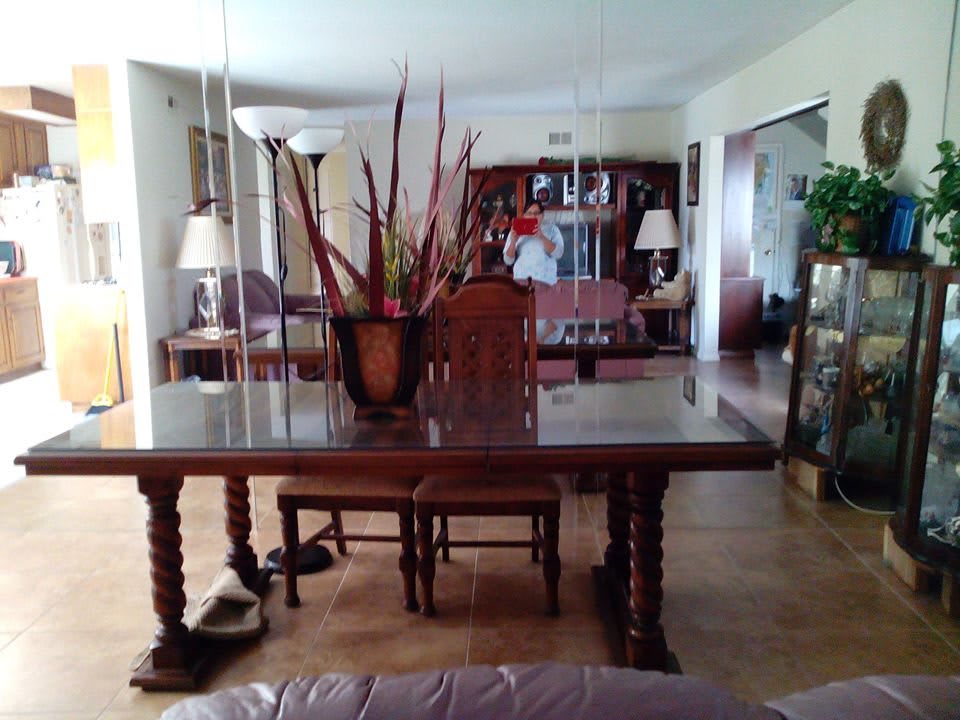
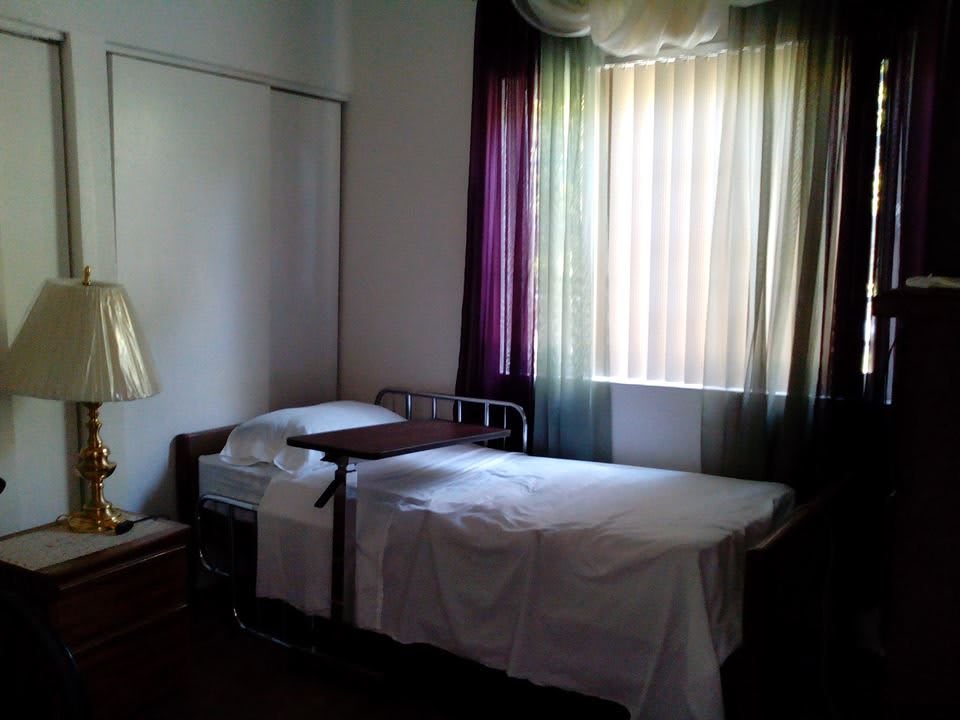
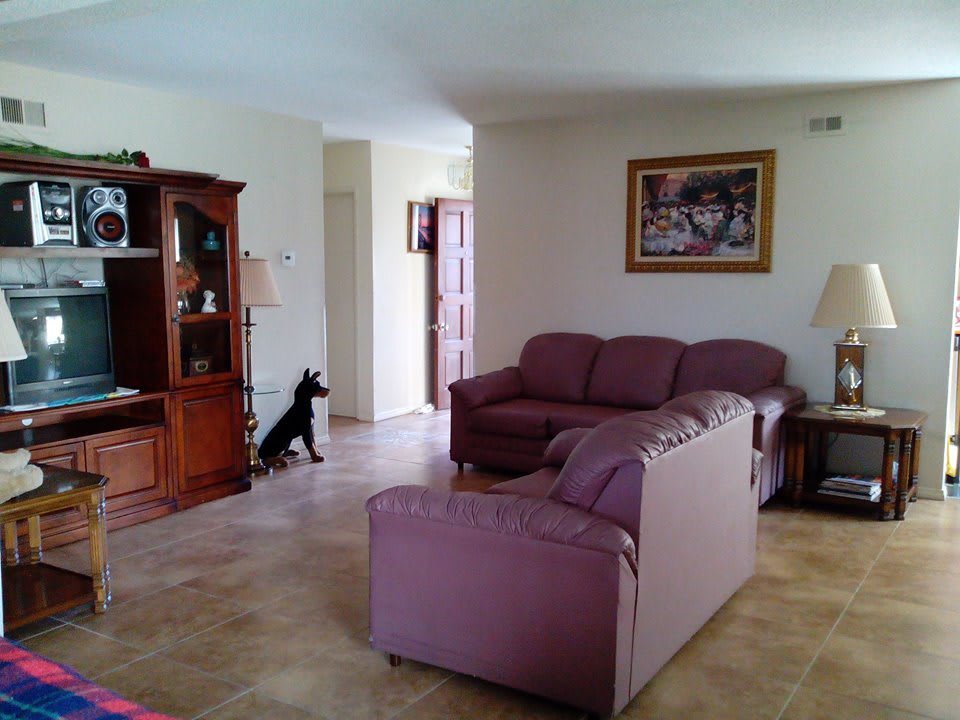
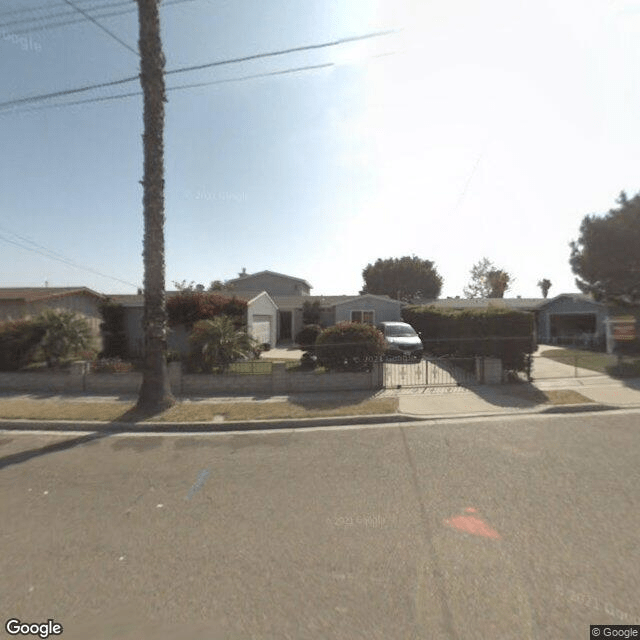
1340 Myra Court, Chula Vista, CA 91911
For more information about senior living options: (866) 208-4318
Jubilee Court Costs & Pricing
At Jubilee Court, the monthly costs for various types of accommodations are competitively positioned within the broader landscape of San Diego County and California. For a semi-private room, residents can expect to pay $3,500, which is slightly lower than the county average of $3,518; however, it remains on par with the state average of $3,333. Those opting for a private room will find Jubilee Court's rate at $3,700, demonstrating a considerable value compared to the higher county rate of $3,939. Additionally, the one-bedroom option is priced at $4,200 - again offering a more attractive alternative to both county and state averages of $4,315 and $4,340 respectively. Overall, Jubilee Court presents itself as an appealing choice with reasonable pricing tailored to both local and state standards.
| Floor plans | Jubilee Court | San Diego County | California |
|---|---|---|---|
| Semi-Private | $3,500 | $3,518 | $3,333 |
| Private | $3,700 | $3,939 | $3,939 |
| 1 Bedroom | $4,200 | $4,315 | $4,340 |
Memory care communities with a similar price nearby
-
from -$650 / mo
Alpine View Lodge
$2,850 to $3,550 / month21.3 miles away -
from -$300 / mo

Wellspring Assisted Living
$3,200 to $4,000 / month12.7 miles away -
from -$300 / mo
Baron's Residential Care Inc. - Lodi Gardens
$3,200 to $4,000 / month18.3 miles away -
from -$500 / mo

Lilac Chateau I
$3,000 to $4,500 / month17.4 miles away -
from -$565 / mo
Wesley Palms
$2,935 to $6,320 / month17.6 miles away
Overall Review of Jubilee Court
Pros
 The mother was pleased with the home environment and the close personal attention she received as a resident.
- With Exquisite Care Inc, the reviewer felt she was in a home where people really cared, and at a more affordable price.
- Having been there for 18 months, the reviewer described the experience as great, with the caregiver described as an angel who was always willing to help and listen.
- Jubilee Court has become the reviewer’s home away from home.
- The medications and other care were consistently administered when they were supposed to be.
- The location was conveniently close, less than ten minutes away.
- The staff were caring people who were very interested in residents' welfare.
Cons
 The reviewer warns others not to bring their loved one here.
- Mom spent 12 hours there with no overnight care.
- The dinner was described as slop.
- Mom spent the night in a wet diaper.
- There was a bad attitude from the head woman.
- One of the patients felt like a prisoner.
- The home had no awake staff during the night.
- The home was not clean and did not take good care of mom.
- There was no commode in the room and no care from 6 p.m. to 6 a.m.
- The price increased dramatically once Alzheimer's was mentioned, making it feel overpriced.
Review
Jubilee Court in Chula Vista is best suited for families seeking a very small, home-like setting where caregivers can establish close, personal relationships with residents during the day and where the overall vibe feels warm and intimate. This community often appeals to families who want a more personal, less clinical atmosphere than a large, impersonal assisted-living campus, and who are willing to tolerate variability in around-the-clock staffing in exchange for individualized attention when staff are present. The strongest fit appears to be residents who do not demand constant supervision and who can benefit from a caregiver-centric approach in a compact, domestic environment.
Those who should consider alternatives are families prioritizing guaranteed 24/7 awake staffing, rigorous nighttime monitoring, and consistently predictable care. The reviews reveal significant concerns about nighttime coverage, with reports of no awake staff from late afternoon through early morning and questions about who tends to urgent needs at night. For residents with advanced dementia, strong continence needs, or whose safety depends on continuous monitoring, Jubilee Court may fall short. Cleanliness and meal quality are other recurring red flags in some accounts, alongside perceptions of uneven responsiveness and management communication. If reliability and transparency across all hours of the day are non-negotiables, a larger facility with fuller staffing and clearer policies should be considered.
The strongest pros center on a perceived sense of home and personal attention when care staff are present. Several reviewers praise a genuinely caring, attentive caregiver who has made a meaningful difference in daily life, painting Jubilee Court as a place where residents feel “at home” and where staff members take time to listen. The small-home model can yield tighter-knit routines and more personalized interactions, which can translate into better day-to-day mood and engagement for some residents. Cost can also be a favorable factor relative to larger, more clinical options, with at least one account highlighting more reasonable pricing in this sector of care, aligned with the intimate setting.
These advantages are offset by substantive, recurring concerns about main cons that recur across multiple reviews. Nighttime coverage is the most consequential issue: without overnight staff, residents risk prolonged discomfort, unattended needs, and preventable distress, as described by families who collected a loved one early in the morning after a long night without care. Cleanliness and basic caregiving tasks, such as timely diaper changes or the provision of needed equipment like a commode, also appear inconsistent, undermining trust in daily operations. Additionally, there are reports of tense or dismissive interactions with management when questions arise, and there are mentions of abrupt discharges or price increases that can leave families feeling uncertain about what is included in the monthly rate. These factors collectively challenge the viability of Jubilee Court for residents requiring stable, predictable care.
In practice, families evaluating Jubilee Court should approach with a structured due-diligence plan. Visit at different times, especially during evening and night hours, to observe staffing levels and responsiveness firsthand. Ask for a transparent, written care plan that details how ADLs are supported around the clock, what night-time routines look like, and how medical needs (medication administration, symptom management) are supervised after hours. Probe pricing for clarity: what is included, what triggers increases, and how services are billed when specialized care becomes necessary. Request references from current residents or families, and check the facility’s licensing status and any inspection history for consistency. By anchoring decisions in concrete nightly coverage, cleanliness, and transparency, families can determine whether Jubilee Court’s intimate charm outweighs the practical risks for their loved one.
 6 resident community capacity
 Assisted Living
 Board and Care Home
 Memory Care
 Respite Care
 Activities on-site
 Bath tubs
 Cable or satellite TV
 Devotional services off-site
 Dining room
 Fully furnished
 Garden
 Housekeeping services
 Indoor common areas
 Move-in coordination
 Outdoor common areas
 Private
 Telephone
 Wi-Fi/high-speed internet available
 San Diego International-Lindbergh (12 miles away)
 24-hour supervision
 Ambulatory care
 Assistance with bathing
 Assistance with dressing
 Assistance with transfers
 Diabetes diet
 Diabetic care
 High acuity care
 Incontinence care
 Meal preparation and service
 Medication management
 Special dietary restrictions
 Transportation arrangement (medical)
 Transportation to doctors appointments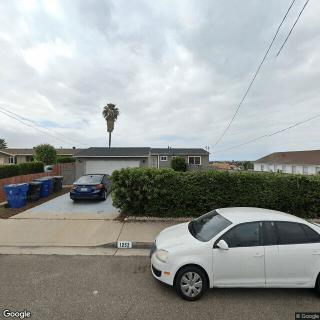


 Assisted Living and Memory Care: Understanding Their Core Differences
 Choosing the Right Senior Care: A Detailed Exploration of Assisted Living and Nursing Homes
 Safeguarding Your Memory Through the Golden Years: Eight Ways to Preserve Cognitive Health