

8900 Fair Oaks Boulevard, Carmichael, CA 95608
For more information about senior living options: (866) 208-4318
Dell Villa Care Home Costs & Pricing
Dell Villa Care Home offers competitive pricing for its residents, with monthly costs that are notably lower than the average rates in Sacramento County and across California. For a semi-private room, Dell Villa charges $3,000, which is approximately 3% less than the county's average of $3,106 and nearly 10% lower than the state average of $3,333. Similarly, their private rooms are priced at $3,500 - about 5% more affordable than Sacramento County's average of $3,686 and around 11% below California's average of $3,939. These cost advantages position Dell Villa Care Home as an appealing option for those seeking quality care without straining their financial resources significantly.
| Floor plans | Dell Villa Care Home | Sacramento County | California |
|---|---|---|---|
| Semi-Private | $3,000 | $3,106 | $3,333 |
| Private | $3,500 | $3,686 | $3,939 |
Assisted Living communities with a similar price nearby
-
from -$500 / mo
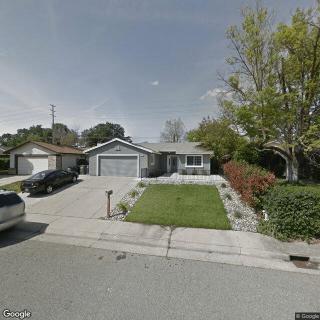
Sunrise Senior Care
$2,500 to $3,500 / month3.8 miles away -
About the same
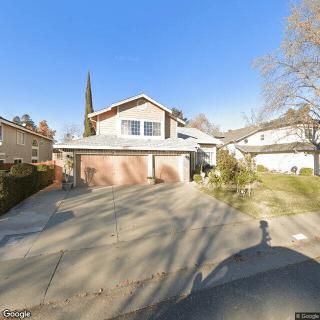
Afable Care Home
$3,000 to $3,500 / month7.3 miles away -
from -$500 / mo

Gina's Home Care
$2,500 / month0.4 miles away -
About the same
Love & Care for Elder
$3,000 to $4,500 / month5.8 miles away -
About the same

Hear Seniors
$3,005 to $3,870 / month3.6 miles away
Overall Review of Dell Villa Care Home
Pros
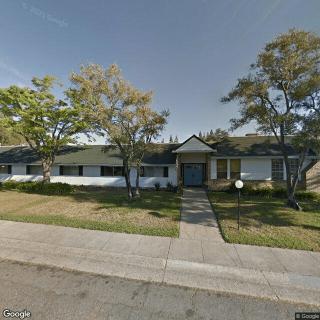
 The facility is clean, well maintained, tidy, organized, and welcoming, with hygiene and safety as top priorities.
- The caregivers are exemplary—professional, hardworking, kind, and compassionate.
- The environment is safe, healing, and healthy, and the facility is beautiful.
- Residents feel at home here and are happy, enjoying good food and company.
- The owner, Giulia, is friendly and helpful, the facility is well kept, and staff go above and beyond with unconditional care and compassion.
Review
This community is best suited for seniors who want a warm, home-like setting where daily living is supported by consistently attentive, compassionate care. It is ideal for residents who value safety, cleanliness, and personal connection with staff and fellow residents, and for families seeking transparency in daily routines, dependable meal service, and a living environment that feels welcoming and organized. For seniors who thrive with a strong sense of community and do not require highly technical medical protocols on a 24/7 basis, this setting offers a compelling match between daily comfort and dependable oversight.
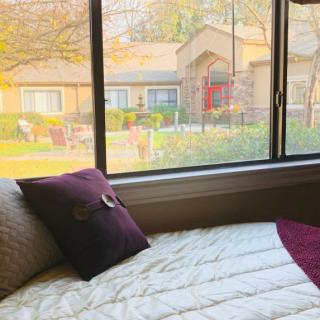
The standout strengths center on upkeep and atmosphere. The facility presents as exceptionally clean, well maintained, and orderly, with hygiene and safety clearly prioritized in every corner. Caregivers are repeatedly described as exemplary, professional, hardworking, kind, and genuinely caring, creating an environment that feels safe and nourishing. The home-like vibe is reinforced by a beautiful, welcoming setting where residents appear at ease, which is not incidental in a setting where dignity and comfort are at the forefront of daily routines.
Another core advantage is the depth of person-centered care in practice. Residents and families consistently note meaningful relationships with staff, and the atmosphere is described as safe, healing, and healthy. The care culture extends beyond basic assistance to attentive engagement that supports social connection and emotional well-being. The facility’s responsiveness to individual needs is evident in dietary accommodations and the provision of equipment to aid mobility and daily functioning. Night-time support is highlighted as a real strength, with awake caregivers helping residents through sleep-related concerns, which reduces anxiety for families and promotes continuous reassurance for residents.
However, prospective residents should consider who might want alternatives. For those requiring highly specialized medical oversight, aggressive wound or infusion therapies, or dedicated memory-care programs with extensive clinical staffing, a larger skilled-nursing environment may be a better fit. Similarly, families seeking a campus with intensive clinical resources, broader activity programming, or more extensive on-site healthcare services may find other communities align more closely with those needs. In short, this setting excels in warmth and everyday care, but it is not positioned as a high-intensity medical facility.
The key pros do offset the main limitations by delivering a deeply personalized, low-stress experience that can be hard to match in larger, more clinical environments. The intimate, home-like setting fosters trust and straightforward communication between residents, families, and caregivers. Cleanliness and safety reduce common elder-care anxieties, while the affectionate, professional staff turns routine assistance into meaningful daily interactions. The ability to tailor meals and accommodate dietary needs, combined with mobility-support equipment and reliable night coverage, creates a practical and reassuring care equation for many seniors who value comfort and consistent companionship over clinical sophistication.
For families actively evaluating options, the practical path is to prioritize visits that illuminate daily rhythms: meal times, night shifts, and opportunities for social engagement. Ask pointed questions about the scope of medical services, what happens on weekends, and how care plans are coordinated with external providers. Confirm the level of on-site nursing or physician availability and clarify how specialized needs, such as Parkinson’s or post-stroke care, are managed in practice. If the resident’s needs extend beyond assisted daily living into more intensive medical care, this may be a sign to explore alternatives with stronger clinical capacity while maintaining the strong-culture advantages evident here.
 6 resident community capacity
 Assisted Living
 Board and Care Home
 Cable or satellite TV
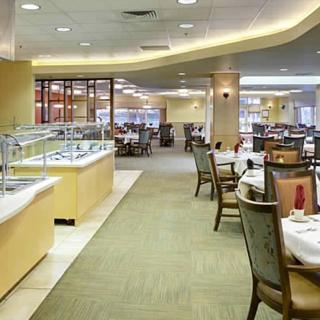
 Dining room
 Fully furnished
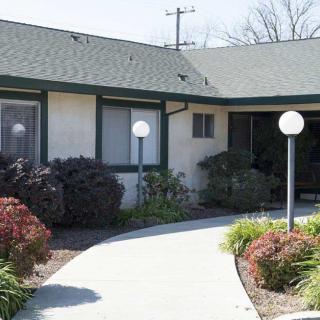
 Garden
 Housekeeping services
 Move-in coordination
 Outdoor space
 Private
 Telephone
 Wi-Fi/high-speed internet available
 Sacramento International (16 miles away)
 24-hour supervision
 Activities of daily living assistance
 Assistance with bathing
 Assistance with dressing
 Assistance with transfers
 Diabetes diet
 Meal preparation and service
 Medication management
 Special dietary restrictions
 Transportation arrangement (medical)
 Transportation to doctors appointments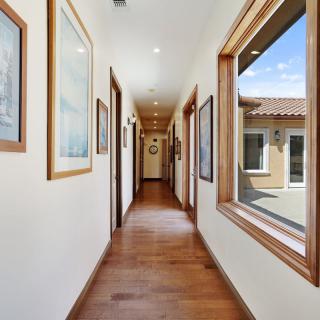

 Exploring the Path to Senior Living: A Comprehensive Look at Independent Living and Assisted Living
 Is Assisted Living Deductible on Your Taxes? Understanding the Complexities of Assisted Living Expenses and Deductions
 Assisted Living Support for Veterans: A Complete and Detailed Overview