
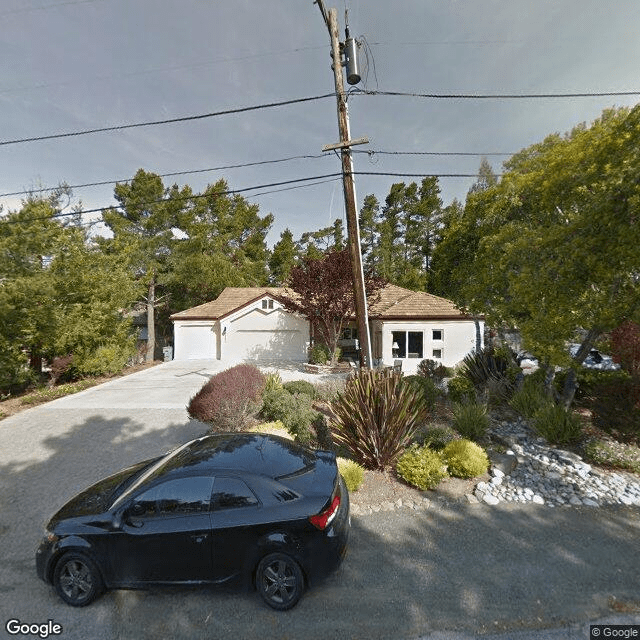
1155 Warren Road, Cambria, CA 93428
For more information about senior living options: (866) 208-4318
Cherish House In Cambria Costs & Pricing
Cherish House in Cambria offers competitive pricing for its residential care services, with a monthly cost of $3,500 for semi-private rooms and $4,500 for private accommodations. When compared to the broader market, Cherish House's semi-private rate is slightly below the average for San Luis Obispo County at $3,575 and is more in line with state averages of $3,333. However, the private room cost exceeds both county and state averages, with local rates at $4,372 and statewide costs around $3,939. This positioning suggests that while Cherish House provides appealing options for shared living arrangements, it may be viewed as a premium choice when it comes to private living spaces within the region.
| Floor plans | Cherish House In Cambria | San Luis Obispo County | California |
|---|---|---|---|
| Semi-Private | $3,500 | $3,575 | $3,333 |
| Private | $4,500 | $4,372 | $3,939 |
Assisted Living communities with a similar price nearby
-
About the same
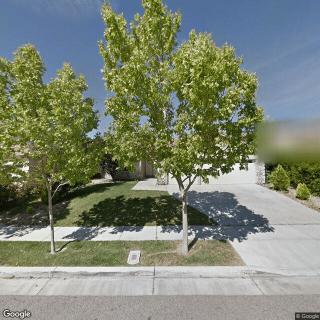
Christian Home For The Elderly
$3,500 to $4,200 / month24.3 miles away -
from +$512 / mo
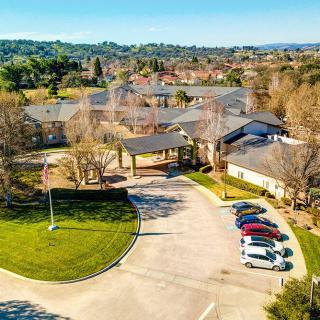
Creston Village
$4,012 to $7,025 / month24.5 miles away -
About the same
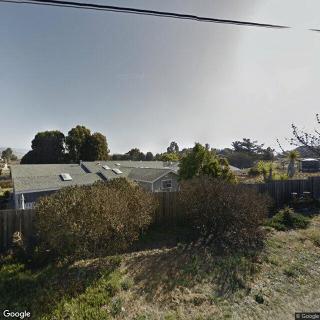
M & L South Bay Maxi Care
$3,500 / month22.0 miles away -
from -$500 / mo
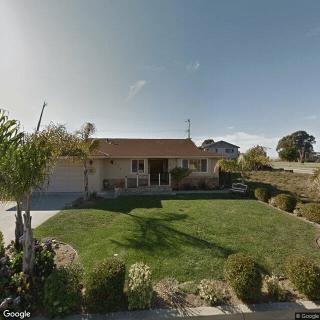
Sunrise TerraceV
$3,000 to $4,000 / month21.0 miles away -
from -$200 / mo
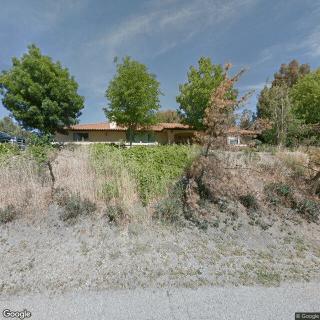
The Residence II
$3,300 to $3,800 / month24.4 miles away
Overall Review of Cherish House In Cambria
Pros
 The community is excellent.
- The staff are amazing and the best.
- The food is outstanding and the meals are homemade.
- The activities for residents help them stay very active.
- The community is highly recommended for outstanding care.
Review
Cherish House in Cambria is best suited for seniors who want a warm, hands-on assisted living experience where the caregiving staff feel highly reliable, meals taste like home, and daily activities keep life engaging. The community appears to attract residents who benefit from consistent routines and close caregiver interactions, with a focus on personal attention rather than a generic, impersonal setting. It is particularly well-matched for families who prioritize visible, nurturing support and want a living environment where staff familiarity translates into prompt assistance, reassuring safety, and a sense of belonging for their loved one.
Those weighing alternatives should note that Cherish House may be less ideal for families seeking extensive medical oversight, specialized memory-care programming, or a large, campus-style environment. If a relative requires intensive clinical care, a broader array of on-site medical services, or a more expansive social ecosystem with frequent specialized programming, exploring other options is prudent. Similarly, households looking for a more urban or upscale, resort-like senior living experience with numerous on-site amenities may want to compare with larger communities that emphasize breadth of services and venues.
The strongest advantages here are clear and cohesive: outstanding staff, home-style meals, and a robust menu of activities designed to keep residents active. The admiration for staff, portrayed as “the best”, suggests a level of bedside manner, responsiveness, and consistency that translates into reliable daily support, easier communication with families, and quicker problem resolution. The meals being described as outstanding and like home cooking reinforces confidence in nutrition, comfort, and the emotional satisfaction of dining together in a familiar flavor. The emphasis on activities that keep mom engaged points to meaningful social interaction, structured physical movement, and cognitive stimulation, all of which are central to preserving independence and mood.
Taken together, these strengths address the core trade-offs many families weigh when choosing assisted living. Strong personal care and a welcoming food-and-activity framework can offset concerns about social isolation, boredom, or neglect, providing a sense of daily purpose and emotional comfort that often proves more important to quality of life than flashy facilities. In practice, Cherish House appears to deliver a cohesive experience where caregivers know residents well, meals reinforce daily routines, and calendars offer predictable, engaging opportunities. For families, this alignment reduces anxiety about daily care and creates a solid foundation for ongoing oversight and involvement.
Given there are no explicit drawbacks cited in the available impressions, the decision hinges on alignment with care intensity, campus feel, and cost. The absence of stated cons suggests a consistent, positive experience, but families should still verify practical details: current staffing ratios during peak hours, availability of any memory-support features, pricing structures, and what “outstanding care” translates to in terms of measurable outcomes and daily metrics. A firsthand tour remains essential to confirm that the warmth described in testimonials translates into everyday interactions, and to observe mealtimes, activity participation, and resident autonomy firsthand.
In sum, Cherish House stands out as a strong choice for families seeking a nurturing, active, and food-forward living option where staff reliability and resident engagement are clearly prioritized. It is especially compelling for seniors who thrive on personal connections, regular activities, and meals that feel like home. Alternatives should be seriously considered for those who require more intensive medical care, memory-specific programming, or a larger, more expansive community footprint. Next steps are straightforward: arrange a thorough tour, engage with direct caregivers and administrators, sample a meal, review the activity calendar, and obtain transparent pricing. This approach will reveal whether Cherish House meets the specific expectations of care level, lifestyle, and family involvement desired.
 6 resident community capacity
 Assisted Living
 Board and Care Home
 Cats allowed
 Dogs allowed
 Activities off-site
 Bath tubs
 Cable or satellite TV
 Dining room
 Fully furnished
 Garden
 Housekeeping services
 Indoor common areas
 Move-in coordination
 Outdoor common areas
 Private
 Respite or short term stays offered
 Telephone
 Wi-Fi/high-speed internet available
 24-hour supervision
 Ambulatory care
 Assistance with bathing
 Assistance with dressing
 Assistance with transfers
 Diabetes diet
 High acuity care
 Incontinence care
 Meal preparation and service
 Medication management
 Special dietary restrictions
 Transportation arrangement (medical)
 Transportation to doctors appointments





 Beyond the Bingo Hall: 50+ Enriching Activities for Seniors in Assisted Living
 Understanding the Distinctions: Assisted Living and Memory Care Explained
 Guiding Elderly Parents Who Refuse Assisted Living: 6 Practical Steps