

1405 Teresa Drive, Morro Bay, CA 93442
For more information about senior living options: (866) 208-4318
Casa De Flores Costs & Pricing
Casa De Flores offers competitive monthly rental rates compared to the broader market in San Luis Obispo County and the state of California. For instance, a studio apartment at Casa De Flores is priced at $2,500, which is significantly lower than the county's average of $4,108 and the state's average of $4,145. The one-bedroom apartments similarly reflect this trend, costing $3,400 at Casa De Flores compared to county and state averages of $3,994 and $4,340 respectively. Even with larger two-bedroom units, Casa De Flores remains a more affordable option at $4,200 versus $5,170 in the county and $5,270 statewide. This pricing strategy positions Casa De Flores as an attractive choice for those seeking quality living without the financial strain often associated with housing in this region.
| Floor plans | Casa De Flores | San Luis Obispo County | California |
|---|---|---|---|
| Studio | $2,500 | $4,108 | $4,145 |
| 1 Bedroom | $3,400 | $3,994 | $4,340 |
| 2 Bedrooms | $4,200 | $5,170 | $5,270 |
Assisted Living communities with a similar price nearby
-
from -$325 / mo

Consolidated-Garden Creek At the Village
$2,175 to $3,795 / month10.0 miles away -
from +$495 / mo
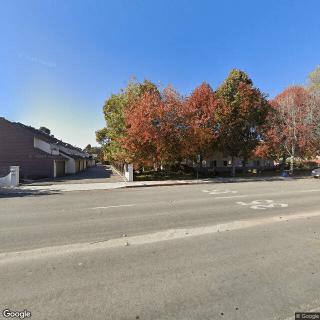
Wyndham Residence
$2,995 to $3,300 / month21.4 miles away -
from +$400 / mo

The Villages of San Luis Obispo
$2,900 to $4,800 / month10.0 miles away -
from +$300 / mo

Avila Senior Living at Downtown SLO
$2,800 to $6,800 / month10.8 miles away -
from +$200 / mo
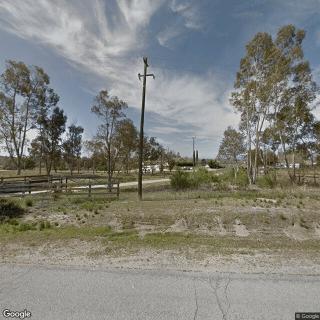
Yellow Rose Assisted Living
$2,700 to $3,300 / month22.5 miles away
Overall Review of Casa De Flores
Pros
 The staff at Casa de Flores is friendly, helpful, and appears to enjoy their work.
- Residents express how much they enjoy living there.
- There are activities, outings, and birthday celebrations.
- They offer ice cream from a soda fountain.
- Casa de Flores is described as a godsend, with love, compassion, and daily care.
- The staff is extraordinary, providing exceptional care and calm, dependable support.
- The facility is welcoming, well maintained, and aesthetically pleasing.
Cons
 The staff at Casa De Flores is completely uninformed regarding mental illness.
- They defer tasks to family members when they should be doing their jobs.
- Given the cost of over $3,000 a month, one would think they would do better.
- It was not a memory care facility, which could be a problem for residents needing memory support.
- It appeared to be more of a retirement home than assisted living, and may not be suitable for seniors with memory issues or needs that gates would help manage.
Review
Casa De Flores in Morro Bay is best suited for families seeking a warm, social, and staff-centered assisted living experience where care feels personal and daily life centers on hospitality and community. The community shines for seniors who are relatively independent but appreciate reliable daily assistance, regular outings, and a lively calendar of activities. It suits residents who prize a home-like atmosphere with attentive staff, welcoming common areas, and features such as on-site barbers, a fountain for treats, and well-kept, aesthetically pleasing spaces. For families prioritizing personal connections, visible compassion, and a cheerful, engaged resident community, this is a strong fit.
Those with more specialized memory-care needs or a demand for a gated, security-focused environment may want to explore alternatives. Several reviews note that Casa De Flores is not marketed as memory care and lacks secure fencing or dedicated dementia programming, which can be critical for residents who require constant memory support or predictable safety measures. For families seeking high-end culinary variety or a facility that marketizes itself as a medical-centered program, other options may better meet those expectations. Additionally, concerns about cost and administrative responsiveness in certain situations suggest it’s prudent to compare price structures and care management rigor with other nearby communities.
The strongest pros hinge on the staff and the social fabric. Reviewers repeatedly highlight extraordinary, caring staff who remember residents’ names, go the extra mile, and provide calm reassurance during stressful times. The atmosphere feels genuinely affectionate and professional, translating into smooth daily routines and a reassuring sense of continuity for families. The culinary and amenity slate, dining areas described as attractive, a barbershop on site, a quaint ice-cream fountain, varied social events, and opportunities for outings to local attractions, creates a lively, hotel-like vibe without sacrificing warmth. For many families, these elements offset the typical downsides of aging-in-place by delivering consistent human connection and joyful moments.
However, several meaningful cons temper the enthusiasm. The facility’s layout and programming are less suitable for memory-impaired residents who need secure, memory-care-focused oversight, and the absence of gates or specialized memory services can be a real mismatch for that population. Dining feedback is mixed, with some residents enjoying meals, while others describe menu variety as limited or cafeteria-style, underscoring that nutrition plans may not satisfy every palate. A few critical voices point to gaps in mental-health understanding among staff and to tasks that sometimes appear deferred to families, particularly when complex needs arise, all of which can erode confidence in ongoing, proactive care for certain residents. Together, these factors underscore a clear trade-off: warmth and social richness versus specialized clinical supports.
Prospective families should structure their evaluation around specific, practical questions for tours. Probe how the staff handles memory-related changes, what training exists for mental health needs, and how responsibilities are allocated when higher levels of care become necessary. Inquire about dining menus, flexibility in meal choices, and how activity calendars are crafted to include residents at varying energy levels. Clarify cost components, what is included in monthly pricing, and how fee increases are justified. Observe interactions during visit hours, note the pace of responses, and assess whether the environment feels truly safe and engaging for the individual’s current needs.
In the end, Casa De Flores delivers a compelling proposition for families prioritizing compassionate caregiving and a vibrant, sociable setting. The community’s human touch, cleanliness, and resort-like ambiance stand out as tangible benefits that can significantly enhance quality of life. The decision hinges on alignment between the resident’s care level and the facility’s offerings: it is an excellent match for those who do not require secure memory care or specialized medical programming, and who value daily joy, active outings, and staff who feel like extended family. For residents needing robust memory-support, stricter safety features, or gourmet dining aligned to restrictive medical diets, alternatives will likely serve better.
 120 resident community capacity
 Assisted Living
 Continuing Care Retirement Community (CCRC)
 Respite Care
 Cats allowed
 Dogs allowed
 Activities on-site
 Air-conditioning
 Beauty salon
 Cable or satellite TV
 Computer center
 Devotional services off-site
 Fitness room
 Fully furnished
 Gaming room
 Garden
 Housekeeping services
 Indoor common areas
 Kitchenette
 Move-in coordination
 Outdoor space
 Private bathrooms
 Restaurant-style dining
 Small library
 Telephone
 Wellness center
 Wi-Fi/high-speed internet available
 San Luis Obispo Co-McChesney (14 miles away)
 Community operated transportation
 24-hour call system
 Ambulatory care
 Assistance with bathing
 Assistance with dressing
 Assistance with transfers
 Diabetes diet
 Medication management
 Special dietary restrictions
 Concierge services
 Planned day trips

 How and When Medicaid May Cover Assisted Living Costs
 A Detailed Exploration of Assisted Living Medicaid Waivers Across the United States
 Comprehensive Residential Support and Assisted Living Solutions for Individuals with Disabilities