
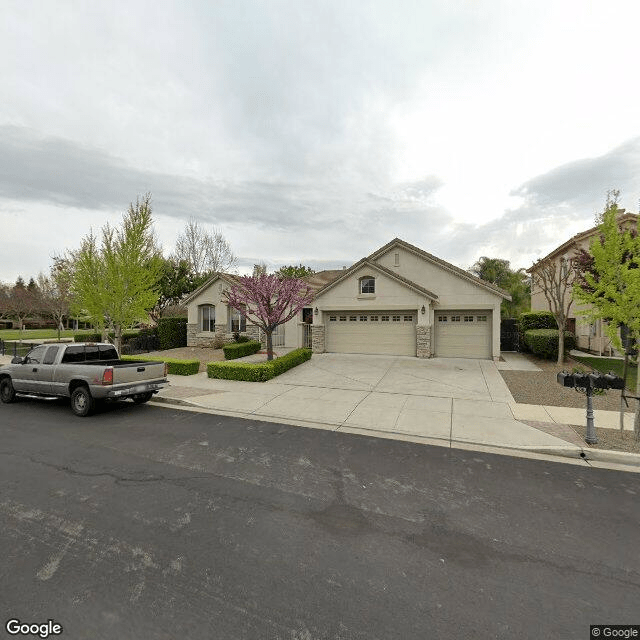
1720 Mediterraned Place, Brentwood, CA 94513
To contact a resident: (925) 260-8600
For more information about senior living options: (866) 208-4318
Overall Review of Lifetime Care LLC Inc.
Pros
 The caregivers were loving, gentle, and compassionate.
- The caregivers cared for Mom as if she were their own family member.
- Her care was exceptional.
- The staff proactively helped with household tasks without being asked.
- They saw needs and filled them, providing reliable support.
- Diane and Cristina stayed with Mom until the very end.
- The office delivered excellent communication, and scheduling improved over time.
- The local caregivers became like family friends, offering friendly and professional help.
- They provided peace of mind to the family.
Cons
 They were very unhappy with the company at this location.
- They experienced multiple scheduling issues and felt they were blamed for the second issue, which was unacceptable.
- The experience had not been five stars.
- They would not recommend the service.
- If reliable shift attendance was important, they would avoid this place.
- They were repeatedly given new caregivers, with about half not knowing how to fix meals unless instructed.
- Many caregivers would just sit unless asked to do something.
- The caregivers did not appear to have any training with Alzheimer's.
- The office staff fell short.
Review
Lifetime Care LLC Inc. in Brentwood is best suited for families seeking deeply personal, in-home senior care delivered by caregivers who treat the loved one as family. The strongest fit is for someone who wants hands-on assistance with daily living, meaningful companionship, and practical support around the house, along with end-of-life or palliative-type care where patience and gentleness matter most. Families repeatedly praise caregivers who are compassionate, patient, and proactive, meeting needs before they are verbalized and handling small tasks that ease the burden on the household. When a home-bound senior requires a steady presence, these caregivers can become an invaluable emotional anchor and a practical extension of family care.
Those weighing alternatives should note who may want a more predictable staffing model or specialized dementia training. The most persuasive reason to look elsewhere is the record of scheduling mixups and staff turnover that surfaced in several accounts. For families needing a guaranteed, consistent caregiver team with a dedicated supervisor, or for those whose loved one has complex memory care needs, a facility-based option or an agency with formal case management and fixed caregiver rosters may offer greater reliability. In short, if predictability and specialized training are non-negotiable, alternatives warrant serious consideration.
The positives here, compassion, professionalism, and a local, cost-competitive footprint, often tilt the decision in favor of Lifetime Care when scheduling is stable. The care teams described as “loving, gentle, and compassionate” can transform a difficult transition for a family, providing not just care, but peace of mind. Several families highlighted strong office communication and a responsive administrator who stepped in to align schedules and oversee care, signaling that the organization can mobilize to protect quality when take-charge oversight is in place. When the human connection is right, the benefit is substantial: fewer logistical worries and more confidence that a loved one is genuinely cared for.
However, the downsides cannot be ignored. Scheduling errors and caregiver turnover created real stress for some families, with several notes indicating repeated mixups and a sense that office staff lagged behind the caregiving needs. Some caregivers were not consistently familiar with the loved one’s routines or medical preferences, and one reviewer specifically pointed to limited Alzheimer’s training among staff. Taken together, these cons reduce reliability and elevate the emotional cost of the arrangement for families who depend on a steady, knowable routine and a team that consistently “gets” the memory or behavior challenges involved.
To manage risk effectively, prospective clients should demand concrete safeguards before starting service. Ask for a dedicated care manager who will co-author and monitor an up-to-date care plan, insist on a stable caregiver roster with minimal rotation, and require Alzheimer’s or dementia-specific training for every assigned aide. Put a real-time scheduling system in place, ideally with shared calendars and prompt notifications for any changes. Require backup coverage for inevitable sick days or vacations, and set a formal check-in cadence with the supervisor to review progress and adjust the plan as needs evolve. These steps turn a promising but imperfect service into a dependable operation.
In the end, this community is a strong match for families prioritizing compassionate, in-home care with a genuine family feel, provided the arrangement is engineered to minimize staffing variability. The mix of overwhelmingly positive caregiver experiences and purposeful administrative intervention suggests a pathway to excellent outcomes, once reliability is anchored with a dedicated supervisor, consistent staffing, and dementia-focused training. If those structures can be secured, Lifetime Care/HomeLife Senior Care delivers not just support, but compassionate continuity that can make a meaningful difference in daily life and in the quality of every day spent at home.
 Board and Care Home

 Engaging Brain Games and Innovative Apps to Keep Senior Minds Active
 Effective Strategies for Keeping Seniors' Minds Active: A Deep Dive into Brain Games and Apps
 In-Depth Look at the VA Aid and Attendance Program