
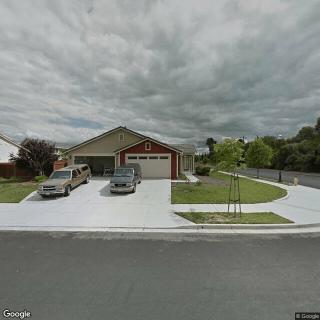
1720 Mediterraneo Place, Brentwood, CA 94513
For more information about senior living options: (866) 208-4318
Overall Review of Lifetime Care 2
Pros
 HomeLife Senior Care provided exceptional, compassionate care for the mom.
- The caregivers treated the mom as if she were their own family.
- The staff were incredible at helping the dad with household tasks without being asked.
- The caregivers were loving, gentle, and compassionate.
- Diane and Cristina supported the mom through to the very end.
- The office team offered excellent communication and reliable scheduling.
- The caregivers were friendly, professional, and local, and became like family friends.
- The services brought peace of mind and relief to the family.
Cons
 They were very unhappy with this company at this location.
- There were two scheduling issues in a week, and they were blamed for the second one, which was not acceptable.
- It wasn’t worth the stress and was not a five-star experience.
- They advised against using the company.
- The office staff fell short.
- Caregivers were repeatedly changed and often required instructions to be repeated; about half didn’t know how to fix meals unless told, and many sat idle.
- They questioned the caregivers’ training, noting no apparent Alzheimer's training, and would not recommend Homelife Senior Care.
Review
Lifetime Care 2 in Brentwood is best suited for families that want a deeply personal, at-home care approach delivered by a small team that treats the loved one like family. This community excells when the goal is continuous, compassionate support in familiar surroundings, with caregivers who handle daily tasks, provide gentle companionship, and respond to needs with little prompting. It works well for seniors who are comfortable with a local, home-based model and who value caregivers who will stay connected with family members, keep routines, and lend a hand with housekeeping or logistical moments that keep a home running smoothly.
That said, alternatives deserve consideration for anyone whose primary requirement is absolute reliability and consistency in staffing. If predictable schedules and a fixed caregiver roster are non-negotiable, or if the loved one needs highly specialized memory-care programming and a facility environment, a traditional assisted living community or a dedicated memory-care provider may deliver more uniform coverage and trained protocols. In-home options can suffer from caregiver turnover and scheduling gaps, so families balancing risk with desire for a home setting might prefer a model with more centralized staffing and stronger standardization.
On the positive side, the strongest asset here is the character and dedication of the caregiving team. Families repeatedly describe caregivers as loving, patient, and genuinely engaged, individuals who go beyond the call of duty, anticipate needs around the house, and bring a calm, caregiving presence into difficult moments. Local caregivers with a familiar community footprint add a practical feel: improved communication with the office, ease of coordinating help, and a sense that the care is anchored in long-standing relationships rather than transient visits. When a family needed end-of-life support or assistance with day-to-day tasks, the staff’s compassion stood out as the defining value.
Yet the program is not without friction. Early experiences commonly point to scheduling mixups, with multiple caregivers entering the same week and some clashes between families and the administrative side over who is covering a shift. Several reviews recount periods of inconsistent staffing, where caregivers rotated in and out and families had to repeatedly explain routines or dietary preferences. There is a recurring theme that some aides lacked specific training for Alzheimer’s or dementia care, and that front-office processes could fall short before these gaps were addressed. Taken together, these cons are material enough to impact peace of mind if not actively managed.
Those cons do not wholly negate the advantages when a proactive, responsive admin framework is in place. The pattern across the most hopeful reports shows that administrative oversight can stabilize operations: after a formal outreach from the office, scheduling fell into a reliable cadence, and families felt that communication largely improved. The combination of consistently compassionate caregivers and deliberate administrative fine-tuning yields a workable balance: care that is deeply human and home-centered, tempered by the practical reality of staffing logistics. When such alignment occurs, families describe a durable sense of relief and trust that the loved one is treated with respect and warmth.
For families evaluating this option, the practical takeaway is clear. Lifetime Care 2 is a solid fit for those who prize intimate, home-based care delivered with genuine empathy and who are willing to engage in a collaborative, proactive planning process to iron out scheduling and training gaps. It makes sense when the priority is a caregiver staff who feel like extended family and when administrative partners are prepared to respond quickly to scheduling hiccups. If, instead, a fixed, highly trained team with unwavering consistency and a structured memory-care program is required, it is sensible to explore alternatives and perhaps anchor the choice in a facility with dedicated dementia care pathways or a more rigid staffing model. Ask for a dedicated caregiver lead, inquire about dementia-specific training, and establish a clear, written scheduling plan with backup coverage before committing.
 6 resident community capacity
 Assisted Living
 Board and Care Home
 Cable or satellite TV
 Dining room
 Fully furnished
 Garden
 Housekeeping services
 Move-in coordination
 Outdoor space
 Telephone
 Wi-Fi/high-speed internet available
 24-hour supervision
 Activities of daily living assistance
 Assistance with bathing
 Assistance with dressing
 Assistance with transfers
 Diabetes diet
 Meal preparation and service
 Medication management
 Special dietary restrictions
 Transportation arrangement (medical)
 Transportation to doctors appointments



 Exploring the Path to Senior Living: A Comprehensive Look at Independent Living and Assisted Living
 Is Assisted Living Deductible on Your Taxes? Understanding the Complexities of Assisted Living Expenses and Deductions
 Assisted Living Support for Veterans: A Complete and Detailed Overview