

1809 Vallecito Ln, Bakersfield, CA 93309
For more information about senior living options: (866) 208-4318
Overall Review of Tender Homes Assisted Living
Pros
 The staff helped the father regain independence after surgery.
- Petro, Christine, and the staff provided compassionate and attentive care.
- Blue Pearl is described as clean, safe, and home-like.
- The staff are friendly, available around the clock, and highly accommodating.
- The staff treat residents like family and are deeply caring.
- Blue Pearl welcomes hospice patients and supports families throughout their care.
- The home maintains a low 1:2 staff-to-resident ratio, enabling better care.
- Blue Pearl is hospice-certified.
Cons
 The mother became unsettled and wanted to leave.
- They questioned how care could be provided with only one caregiver.
Review
Tender Homes Assisted Living in Bakersfield is best suited for families seeking an intimate, home-like environment where care is highly personalized and staff engagement is constant. It works especially well for residents who need daily assistance but still benefit from stability, predictable routines, and a sense of family. The community’s small footprint allows caregivers to know each resident closely, enabling quicker adjustments to needs and preferences. A deep sense of involvement from management and a transparent, family-friendly atmosphere helps reduce relocation stress during transitions or end-of-life planning. Hospice support and flexible visitation further strengthen its fit for families navigating complex care decisions.
Alternatives to consider would include larger, commercially run facilities that deliver broader activity calendars, more on-site rehabilitation programs, and a wider array of medical and specialty services. For residents with significant cognitive impairment or those who require a dedicated memory-care environment, specialized units elsewhere may be more appropriate. Families seeking robust on-site clinical care, continuous physician oversight, or a highly structured daily schedule might prefer communities with more expansive campuses and formal programming. In short, this setting is less about scale and more about personal attention; for some care goals, bigger operations can offer more breadth.
The strongest positives center on safety, cleanliness, and a clearly engaged caregiving team. The reviewed community is described as consistently clean, with meals prepared on-site and a willingness to accommodate dietary preferences and special requests. The staff-to-resident ratio is notably tight, cited as 1:2, which translates into vigilant supervision and timely assistance. Residents experience a home atmosphere where staff are perceived as part of a caring family rather than distant employees. The ability to stay hospice-certified and the flexibility to welcome loved ones at any time contribute to emotional security for families during difficult periods.
On the downside, one or two notes from families point to occasional variability in engagement: even with numerous activities, arts and crafts, outings, the participation of individual residents can be low, depending on mood or interest. A reviewer mentioned moments when a loved one seemed unsettled and wanted to leave, underscoring that even in a warm, well-staffed setting, behavior or mood shifts can challenge consistency of daily routines. These are not fatal flaws, but they highlight that the environment leans heavily on resident temperament and family collaboration to maximize engagement. For families expecting a guaranteed, bustling activity calendar, this may not be the perfect match.
That said, the same strengths that pay off in everyday comfort also offset these potential drawbacks. The close-knit staffing model means caregivers can tailor activities to individual preferences when possible, and family communication is described as proactive and timely. Hospice-certified operations reduce the stress of transitions at end of life and keep care aligned with the resident’s wishes, without the upheaval of relocations. Flexible visitation, reliable safety standards, and the ability to adjust care plans quickly create a reassuring framework for families managing complex needs. In practical terms, this is a setting where comfort, dignity, and personalized attention take precedence over grand amenities.
For families making a final judgment, the decision hinges on what matters most: intimate, caregiver-driven care with real-time communication and a comforting, at-home feel versus broader programming and resources found in larger communities. If the priority is a high-touch, low-stress environment with dedicated staff, strong family involvement, and hospice compatibility, Tender Homes stands out as a prudent choice. Prospective residents should ask about current activity offerings and how staff tailor plans to individual preferences, verify the stability of caregiving teams, and confirm the facility’s capacity to support memory care or mobility-focused goals if those needs emerge. Tour with questions about daily routines, meal customization, and how care plans are reviewed with families to ensure alignment with expectations.
 Assisted Living
 Activities on-site
 Devotional services off-site
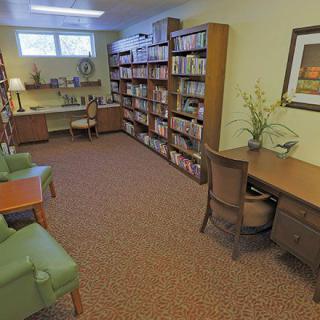
 Indoor common areas
 Meadows (7 miles away)
 Ambulatory care
 Diabetic care
 Meals provided



 Assisted Living and Memory Care: Understanding Their Core Differences
 Beyond the Bingo Hall: 50+ Enriching Activities for Seniors in Assisted Living
 Understanding the Distinctions: Assisted Living and Memory Care Explained