
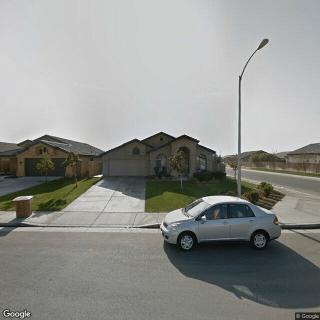
10000 Cobblestone Avenue, Bakersfield, CA 93311
For more information about senior living options: (866) 208-4318
Overall Review of Izene's Haven Assisted Living
Pros
 Petro, Christine, and the staff helped his father become independent again after his emergency neck surgery.
- The facility is clean, safe, and welcoming, with staff available 24/7 and a feeling that it is like home.
- The staff are caring and treat patients like family, providing compassionate care over many years.
- The home is very clean, meals are prepared on-site, and special requests are accommodated.
- The staff-to-resident ratio of 1:2 enables attentive, personalized care.
- The facility is hospice-certified, allowing residents to stay during hospice without changing living arrangements.
- Visitation is flexible, with staff encouraging families to visit at any time.
Cons
 How can they provide care with only one person.
Review
Izene’s Haven is best suited for families seeking a warm, home-like environment in Bakersfield where an aging loved one needs help with daily activities but benefits from a tightly knit caregiving team and a hospice-friendly approach. The model reflected in the supplied reviews emphasizes a small, residential feel with a 1:2 staff-to-resident ratio, hands-on ownership, and a culture that treats residents as family. Cleanliness and safety are consistently foregrounded, with around-the-clock staffing and a clear willingness to accommodate hospice needs and flexible visitations. In this setting, residents often experience meaningful improvements in independence, underscoring the value of continuous, personalized assistance rather than a clinical, impersonal routine.
That said, Izene’s Haven is not the best fit for every family. Alternatives to consider include communities with larger campuses that offer broader daily programming, extensive on-site medical teams, or specialized memory-care environments. For families prioritizing highly structured rehab protocols, a wider array of therapeutic services, or more formalized social activities and outings, a bigger, more resource-rich facility may deliver the level of oversight and schedule rigidity those needs require. Similarly, households seeking a highly clinical setting with round-the-clock medical specialists might find a larger provider better aligned with expectations for constant medical management.
The strongest pros, the intimate, hands-on care, and the owners’ visible commitment, offset several common drawbacks of smaller homes. A 1:2 ratio ensures that staff can respond quickly, tailor routines, and monitor subtle changes in condition that might be missed in higher-turnover environments. The family-like atmosphere reduces isolation and anxiety for both residents and families, while daily meals and dietary accommodations reflect a respect for personal preferences and comfort. The hospice-friendly posture and transparent family communication further diminish stress during sensitive phases of care, creating a sense of continuity that is rare in larger, more transactional facilities.
These advantages translate into practical outcomes: residents are not only kept safe and well-nourished but often experience tangible functional gains. The anecdotes of mobility improvements and regained independence after hospital stays are compelling indicators that well-structured, attentive care can restore confidence and capability. The presence of consistent caregivers who know the resident’s history , and who are empowered to adjust routines in real time , can accelerate recovery, support recovery goals, and ease transitions between levels of aid. For families weighing long-term placement, such outcomes carry meaningful weight.
Safety, cleanliness, and open communication emerge as concrete pillars in the described model. The reviews repeatedly highlight a spotless environment, consistent meal preparation, and a staff team that keeps families apprised of changes and preferences. Flexible visiting, and a policy stance that welcomes loved ones, further reduce the emotional burden of placement. These factors are not ancillary; they directly affect daily quality of life and long-term satisfaction for residents and families alike. If autonomy and dignity are paramount, Izene’s Haven-like homes stand out by delivering on these expectations without the rigidity that characterizes some larger campuses.
In sum, Izene’s Haven should be approached as a best-fit option for those who prize a genuine, small-home experience with vivid caregiver continuity, exceptional hospitality in daily life, and strong hospice compatibility. Families who prize highly individualized attention, consistent caregiver relationships, and a setting that feels “like home” will find the trade-off, reduced campus-scale programming and potentially fewer on-site specialists, well worth it. For others, particularly those needing expansive activity calendars, advanced clinical staffing, or specialized memory-care protocols, a larger or more medicalized community may be the prudent path. A careful tour, focused questions about staff stability, hospice capabilities, meal customization, and communication practices will reveal how closely Izene’s Haven aligns with the family’s goals.
 6 resident community capacity
 Assisted Living
 Board and Care Home
 Cable or satellite TV
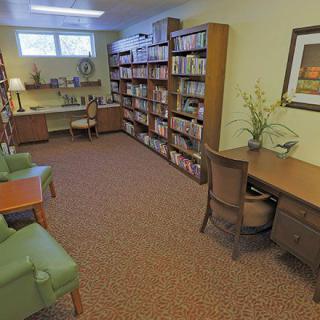
 Dining room
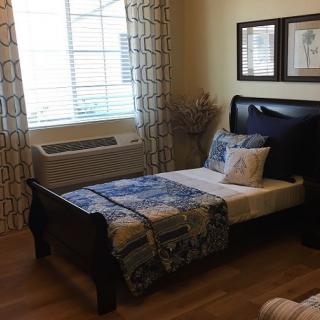
 Fully furnished
 Garden
 Housekeeping services
 Move-in coordination
 Outdoor space
 Telephone
 Wi-Fi/high-speed internet available
 Meadows (9 miles away)
 24-hour supervision
 Activities of daily living assistance
 Assistance with bathing
 Assistance with dressing
 Assistance with transfers
 Diabetes diet
 Meal preparation and service
 Medication management
 Special dietary restrictions
 Transportation arrangement (medical)
 Transportation to doctors appointments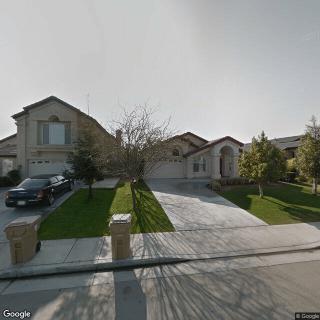


 Assisted Living Expenses and Long-Term Care Insurance: A Comprehensive Exploration
 Securing Financial Support for Assisted Living: A Comprehensive Overview
 Social Security Benefits and Assisted Living: Navigating Options Across the U.S.