
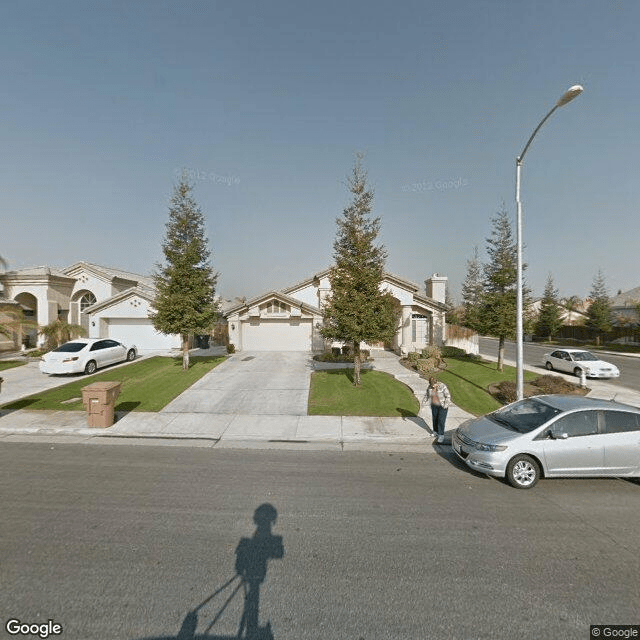
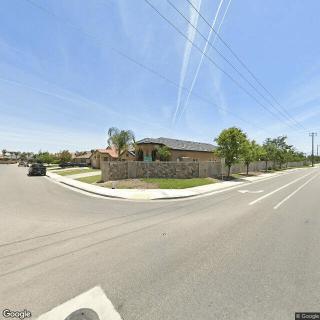
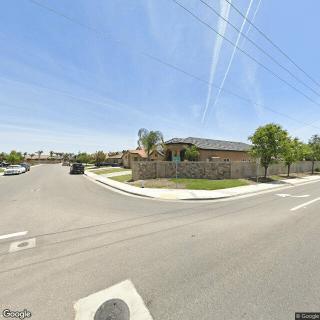
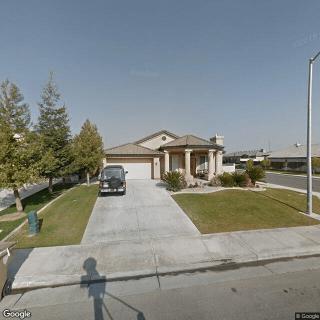
9802 Vertrice Avenue., Bakersfield, CA 93311
For more information about senior living options: (866) 208-4318
Balance Residential Care Costs & Pricing
Balance Residential Care offers competitive pricing for its services compared to both Kern County and the broader California market. For a semi-private room, residents pay $2,500 per month, which is notably lower than the county average of $2,887 and significantly less than the state average of $3,333. Similarly, the private room option at Balance Residential Care is set at $3,000 per month, offering considerable savings compared to Kern County's average of $3,456 and California's state average of $3,939. These rates position Balance Residential Care as an economical choice for individuals seeking quality residential care without compromising on affordability.
| Floor plans | Balance Residential Care | Kern County | California |
|---|---|---|---|
| Semi-Private | $2,500 | $2,887 | $3,333 |
| Private | $3,000 | $3,456 | $3,939 |
Assisted Living communities with a similar price nearby
-
About the same
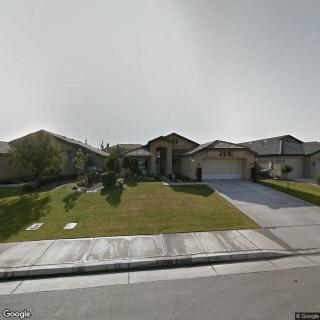
Divine Mercy Home Care
$2,500 to $3,500 / month0.3 miles away -
from +$200 / mo
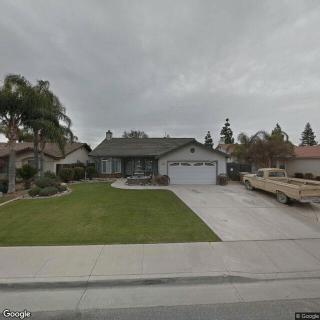
A Comfort Care Home
$2,700 to $3,500 / month6.6 miles away -
About the same

Golden Castle Assisted Living
$2,500 to $4,000 / month10.0 miles away -
from +$315 / mo

Oak Manor Care Center
$2,815 / month2.2 miles away -
from +$200 / mo

Silvercrest Manor
$2,700 to $3,000 / month11.5 miles away
Overall Review of Balance Residential Care
Pros
 Balance loved Mom.
- They kept her clean and safe.
- They got her to laugh and smile.
- They had the same caregivers consistently.
- Communication was very good between the owners and the family.
- They would pick Mom up from the hospital when the family was out of town.
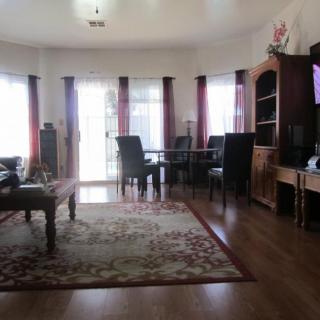
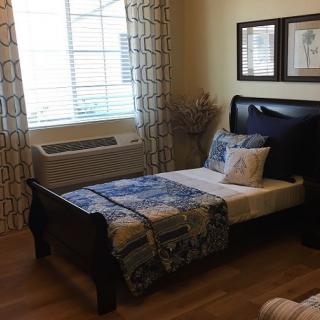
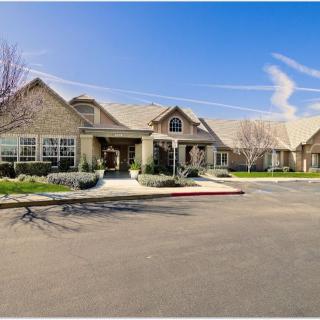
- The house is beautiful and full of light.
- The facility brought happiness to Mom in her last years.
Cons
 The food is okay.
Review
Balance Residential Care in Bakersfield is best suited for seniors who want a warm, home-like residential setting where stability of caregiving and personal connection are the priorities. This community excels when the goal is to place a loved one in an intimate environment with predictable, compassionate staff, where owners are closely involved and communication remains open. It works particularly well for residents who thrive on consistent attention, light-hearted social moments, and a sense of being treated like family rather than a number in a larger facility. The house itself reinforces that ethos: well-lit, inviting, and designed to feel comfortable rather than clinical. Families seeking happiness, dignity in daily routines, and practical support will find Balance Residential Care aligns with those expectations.
Those who should explicitly consider alternatives are families with higher clinical needs or expectations for specialized memory-care programming. The landscape described in the reviews suggests a small, residential model rather than a medicalized environment, which may not deliver the level of on-site nursing, continuous skilled care, or dementia-focused protocols some residents require. If the plan relies on frequent, intensive medical monitoring, transitional care after hospital stays, or robust therapy services, a larger or more medicalized community could be a better fit. Likewise, budget constraints or a preference for highly structured daily schedules and formal programs might steer families toward other options.
The strongest pros here are concrete and actionable: two caregivers on the premises provide a steady, attentive presence that translates into dependable supervision and timely assistance. That staffing model, combined with a clean, well-maintained, well-lit home, creates a climate of safety and ease for residents and their families. Clear, ongoing communication with the owners and caregivers means families stay informed and can participate in care planning. The ability to help with practical needs, like obtaining supplies and coordinating hospital pickups when families are away, adds a tangible layer of support that extends beyond basic care. These factors blend to produce daily life that feels manageable and personal, not transactional.
Add to that the social and programmatic elements: planned activities, appropriate television programming considerations, and access to the internet, all of which support engagement and well-being. Residents enjoy meals described as typical American cuisine, and the staff’s professional presentation reinforces a culture of attentiveness. Hospice providers who visit have expressed satisfaction, which signals alignment with the needs of families navigating end-of-life care. In short, the environment supports meaningful interaction, a sense of belonging, and practical reliability, which can be decisive for families prioritizing dignity, companionship, and ease of coordination.
Yet, every decision has trade-offs. The implicit trade-offs here center on scale and clinical depth. The small, residential framework means less focus on high-acuity medical care and fewer specialized memory-care resources than larger facilities. For residents with complex medical regimens, frequent skilled nursing, or aggressive therapy goals, Balance Residential Care may require careful planning to ensure ongoing supports outside the home-like setting. The “okay” label on some meals suggests variability in culinary options, and while dignity and atmosphere are strong, there is no emphasis on ever-expanding clinical programming. The strongest offset is the unfailingly steady human touch and transparent dialogue; the potential downside is the degree to which medical oversight and program breadth can scale with evolving needs.
For families choosing under these conditions, the decision is practical and pointed. Balance Residential Care shines for those who value a consistent caregiving team, a light-filled, homelike atmosphere, and straightforward access to daily supports and social activities. It’s a compelling choice for seniors seeking warmth, respect, and practical help with non-medical tasks, with a clear caveat: if the loved one’s care needs begin to demand robust clinical services or specialized memory care, it will be prudent to reassess against larger, more resource-rich communities. Prospective residents should visit with a focus on staff interactions, meet the owners, observe activity programming, and discuss anticipated medical supports to confirm alignment with current and potential future needs.
 6 resident community capacity
 Assisted Living
 Board and Care Home
 Activities off-site
 Bath tubs
 Cable or satellite TV
 Devotional services on-site
 Dining room
 Fully furnished
 Garden
 Housekeeping services
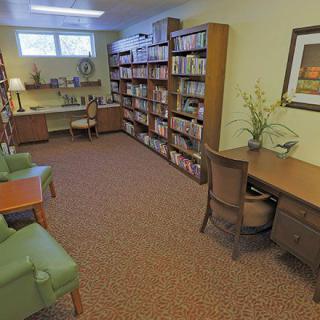
 Indoor common areas
 Move-in coordination
 Outdoor common areas
 Private
 Private bathrooms
 Respite or short term stays offered
 Telephone
 Wi-Fi/high-speed internet available
 Meadows (9 miles away)
 24-hour supervision
 Assistance with bathing
 Assistance with dressing
 Assistance with transfers
 Diabetes diet
 Incontinence care
 Meal preparation and service
 Medication management
 Special dietary restrictions
 Transportation arrangement (medical)
 Transportation to doctors appointments
 Exploring the Path to Senior Living: A Comprehensive Look at Independent Living and Assisted Living
 Is Assisted Living Deductible on Your Taxes? Understanding the Complexities of Assisted Living Expenses and Deductions
 Assisted Living Support for Veterans: A Complete and Detailed Overview