
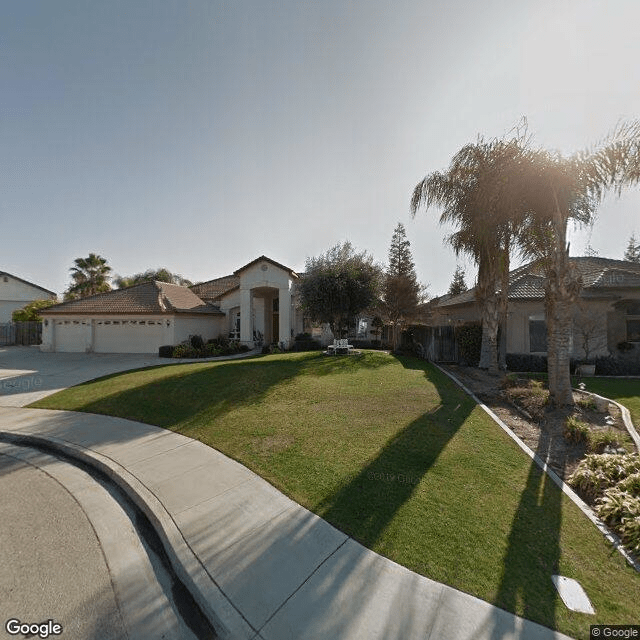
15319 Anita Catrina Ct., Bakersfield, CA 93314
To contact a resident: (661) 587-4417
For more information about senior living options: (866) 208-4318
Emerald Elder Care Costs & Pricing
Emerald Elder Care offers competitive pricing for its services compared to both Kern County and the broader California market. For a semi-private room, residents can expect to pay $2,500 per month, which is significantly lower than the county average of $2,887 and the state average of $3,333. Similarly, private rooms at Emerald Elder Care are priced at $3,000, again more affordable than Kern County's average of $3,456 and California's statewide average of $3,939. This cost structure not only highlights Emerald Elder Care's commitment to affordability but also positions it as an attractive option for families seeking quality elder care without compromising on financial stability.
| Floor plans | Emerald Elder Care | Kern County | California |
|---|---|---|---|
| Semi-Private | $2,500 | $2,887 | $3,333 |
| Private | $3,000 | $3,456 | $3,939 |
Senior living communities with a similar price nearby
-
About the same
Divine Mercy Home Care
$2,500 to $3,500 / month5.9 miles away -
from -$118 / mo
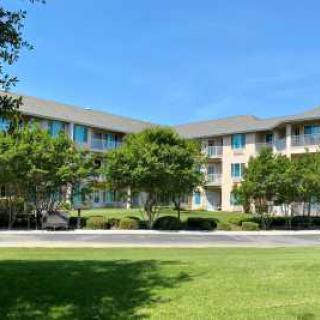
Solstice Senior Living At Bakersfield
$2,382 to $4,302 / month5.5 miles away -
About the same
Gracious Lady Alzheimer Care
$2,500 / month10.5 miles away -
from -$291 / mo
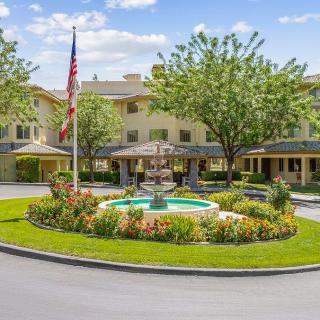
Holiday Columbus Estates
$2,209 to $2,959 / month12.2 miles away -
from +$200 / mo
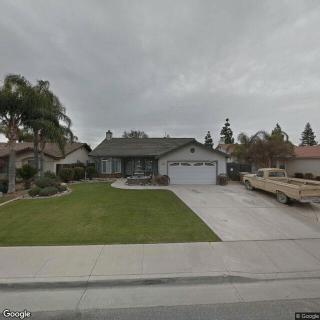
A Comfort Care Home
$2,700 to $3,500 / month2.3 miles away
Overall Review of Emerald Elder Care
Cons
 The house was very odd.
- The atmosphere was not friendly.
- There was nothing going on, with other residents still in bed.
Review
Emerald Elder Care in Bakersfield, CA appears best suited for families seeking an extremely quiet, low-stimulation environment where residents are largely sedentary and programming is minimal. The facility seems to attract an audience that does not prioritize a bustling social scene or regular organized activities, and where daytime momentum is not a defining feature of daily life. In other words, it may function as a fit for residents who tolerate, or even prefer, a muted atmosphere over lively engagement, provided that basic care needs are otherwise manageable.
Those who should seriously consider alternatives are families seeking warmth, consistent social interaction, and a visibly active community. The reference points in the reviews paint a stark contrast to vibrant Assisted Living culture: an odd-feeling house, a sense of unfriendly mood, and a lack of daytime engagement. For residents who value companionship, frequent staff interaction, and opportunities to participate in curated activities, other options in Bakersfield are likely to deliver a more appropriate quality of life. The presence of a male aide, as noted in the reports, could also be a deciding factor for families with preferences about caregiver gender or uniformity of staff diligence and approach.
From the limited but clear signals, there are effectively no compelling advantages highlighted by the posted feedback. The upside, if one seeks it, would be a perceived quiet and predictable environment, but these potential pros are overwhelmed by the core drawbacks: a “very odd” vibe, the absence of friendly social atmosphere, and residents remaining in bed with little to no daytime stimulation. The mismatch between expectations of elder care that supports mood, engagement, and social connection, and what is described, means any minor positives cannot meaningfully offset the dominant negatives. In practice, this translates to a facility that does not reliably deliver the daily vitality many families rely on when choosing care.
Decision-making here hinges on validating the environment against critical, real-world needs. Prospective families should probe the cadence of daily life: Is there a structured daily schedule, and are residents encouraged to participate? How visible is staff engagement, do aides and nurses circulate, chat with residents, and assist with purposeful activities, or is movement and interaction noticeably scarce? Ask for a sample day plan, meal hours, and opportunities for family involvement. It’s essential to observe the common areas at different times to gauge tone, warmth, and resident responsiveness. Clarify caregiver coverage, consistency, and whether resident preferences are honored in daily routines. Also address safety and supervision: are call bells answered promptly, and how are wandering residents or those needing reminders supported? These practical checks often reveal gaps that reviews cannot fully quantify.
The red flags from the reviews are stark and actionable: an odd, unfriendly environment, lack of meaningful engagement, and residents who appear not to be awake or participative during the day. These signals strongly suggest social isolation risks, mood decline, and potential neglect of incidental care needs. For families with loved ones who thrive on structure, companionship, or purposeful activity, Emerald Elder Care poses a high likelihood of dissatisfaction. The absence of visible programming also raises questions about cognitive and emotional well-being over time, not merely a misperception of a single day.
In the final analysis, Emerald Elder Care should be deprioritized for most families unless a specific, compelling constraint makes a calmer, low-energy setting the sole viable option. The prudent course is to pursue alternatives that demonstrate visible activity programming, a welcoming, friendly culture, and staff patterns that ensure reliable social and emotional engagement. Conducting in-person tours with a careful focus on atmosphere, staff interaction, and resident engagement will illuminate whether this residence can be adjusted to meet expectations, or if the search should continue toward communities that align with a more vibrant, person-centered standard of care.
 Board and Care Home
 Private
 Meadows (8 miles away)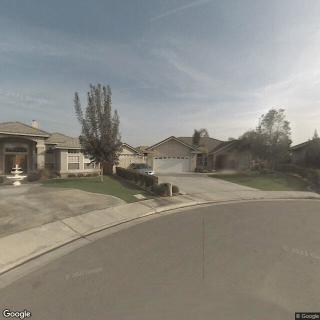
 Warm, home-like environment with caring staff and pet-friendly atmosphere.

 A Comprehensive Exploration of Common Misunderstandings about Powers of Attorney
 Senior Move Management: Understanding the Role, Value, and Associated Costs
 Weight Training for Seniors: Building Strength and Vitality