

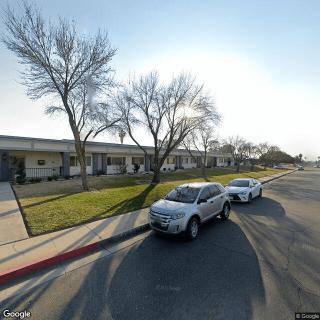
609 Linda Vista Dr, Bakersfield, CA 93308
To contact a resident: (661) 393-2561
For more information about senior living options: (866) 208-4318
Always Caring Board & Care Costs & Pricing
Always Caring Board & Care offers private room accommodations at a monthly cost of $4,849, which is notably higher than both the average in Kern County, currently at $3,456, and the broader California average of $3,939. This pricing reflects the premium services and personalized care that Always Caring provides to its residents, ensuring a supportive and comfortable environment tailored to individual needs. While it may be above local and state averages, many families find value in the enhanced quality of care and attention their loved ones receive in such an intimate setting.
| Floor plans | Always Caring Board & Care | Kern County | California |
|---|---|---|---|
| Private | $4,849 | $3,456 | $3,939 |
Senior living communities with a similar price nearby
-
from -$649 / mo

The Palms At San Lauren
$4,200 to $5,000 / month1.9 miles away -
from -$949 / mo

The Palms of San Lauren
$3,900 to $4,700 / month2.9 miles away -
from -$654 / mo

Ivy Park at Seven Oaks
$4,195 to $6,295 / month8.7 miles away -
from +$388 / mo

Hallmark Of Bakersfield
$5,237 to $6,004 / month5.9 miles away -
from +$611 / mo

Tedenek Elder Home
$5,460 / month8.2 miles away
Overall Review of Always Caring Board & Care
Pros
 The caregiving service is described as a blessing for families, delivering kindness, patience, and respect to their loved ones.
- The support provided frees families to rest, focus on work, and enjoy quality time together, making a huge difference.
- Families are grateful to have found this resource.
- The CareGiving In Home Care team is supportive and professional, with staff like Nicole being helpful and accommodating.
- The organization fosters a positive, collaborative culture where employees feel valued and inspired to do their best.
- The work environment emphasizes kindness, integrity, and excellence in care, with strong client relationships.
- CareGiving In Home Care's service is described as compassionate and high-quality, making a meaningful difference in clients' lives.
- Erika was wonderful to work with and accommodating, and Jessica was amazing and very caring.
Cons
 One reviewer described it as the worst experience ever, noting that Nicole Tibalan was 30 minutes late to the Zoom interview and joined without her camera on.
- Another reviewer would not recommend working with this organization or using their caregiver services, citing unprofessional and discourteous behavior.
- A representative was 15 minutes late to a scheduled Zoom meeting, and the reviewer had to call the office before anyone finally joined.
- The reviewer stated that the representative was evasive and did not provide clear answers to questions, raising concerns about reliability and transparency.
Review
This community is best suited for families seeking compassionate, in-home caregiving that keeps a loved one in familiar surroundings while receiving patient, respectful support. It works well for elders with moderate assistance needs who value steady, empathetic caregivers and a responsive office team. The strongest evidence comes from families reporting real relief, more rest, regained time to focus on work, and the chance to share quality moments with loved ones again, thanks to caregivers who honor dignity and provide steady companionship. Those who want a highly personalized caregiver match, someone who truly respects the client’s preferences and routines, will find value in the consistent praise for kindness, patience, and considerate approach. For families prioritizing staying at home over moving to a facility, this option often feels more sustainable, less disruptive, and deeply reassuring.
At the same time, some families should consider alternatives, or at least perform heightened due diligence before committing. A minority of reviews raise red flags about reliability and communication, particularly in intake and scheduling moments. Notable concerns center on unprofessional or late interactions, examples include a Zoom intake that ran late and left questions unanswered, and a caregiver-arrangement experience described as inadequate or evasive. While these portrayals are not universal, they signal the importance of clear, punctual communication and a well-defined intake process. Families with zero tolerance for scheduling hiccups or those needing highly consistent, 24/7 oversight may prefer providers with a longer track record of punctuality and crisper coordination, or consider a facility-based option that guarantees around-the-clock supervision.
The strongest pros cluster around the human core of caregiving: warmth, respect, and genuine teamwork. The reviews repeatedly underscore a culture of compassion and a mission-driven staff, with office teams described as supportive, organized, and professionally communicative. Families emphasize how the caregivers’ sensitivity translates into meaningful daily interactions, not just tasks completed. When a match works, the relationship feels personal and dependable, enabling loved ones to thrive at home rather than simply “being cared for.” Clients frequently highlighted specific caregivers who stood out for their attentiveness, and the broader team is praised for fostering an environment where care feels coordinated and heartfelt. Those factors, empathy, reliability in day-to-day interactions, and a respectful, professional office backbone, are what elevate the experience above mere routine assistance.
Still, the negatives cannot be dismissed. A couple of reviewers pointed to markedly poor experiences in the intake process and in formal communications, using terms like “unprofessional” and “discourteous.” One specific account notes lateness to a Zoom interview and evasive answers, which undermined trust in the provider’s reliability. Taken together, these disclosures suggest that the organization’s service quality can hinge on a single point of contact and a smooth onboarding process. For families evaluating options, these factors matter: a rocky start, weak follow-through on questions, or delayed responses can seed skepticism before real caregiving begins. The frequency of such concerns appears low relative to the overall positive feedback, but they are real and worthy of rigorous scrutiny.
When balance shifts in favor of the positives, the pros tend to offset the few major cons, but only with proactive safeguards. The overarching strength lies in a care culture that prioritizes human connection, respectful treatment, and a cohesive support network. In practice, this translates to less caregiver burnout for families, more predictable day-to-day routines for clients, and clearer, more supportive communication from leadership. The positive testimonials about individual caregivers and the sense of teamwork within the company suggest a durable, client-centered operation. If a provider can pair families with consistently reliable coordinators and maintain transparent scheduling practices, the rewards, reduced family stress, enhanced quality of life for the recipient, and genuine peace of mind, can far outweigh the occasional onboarding misstep.
For families weighing a decision, the practical path is straightforward: initiate a focused intake discussion that covers caregiver matching criteria, scheduling expectations, and backup plans. Seek explicit commitments on punctuality, responsiveness, and how changes in care will be communicated. Request recent references from clients with similar needs and ask to meet the caregivers who would be assigned to the case, especially the one who would be present most often. Consider starting with a short trial period to observe how the team handles daily routines, emergencies, and day-to-day communication. If reliability proves elusive despite strong interpersonal warmth, or if the onboarding process remains opaque, it is prudent to explore alternative home-care providers with a longer, steadier track record, or to evaluate facility-based options that can assure 24/7 supervision and standardized coordination. In the end, the best fit is a provider that combines compassionate, patient care with consistently clear, timely communication and dependable scheduling.
 Board and Care Home
 Meadows (2 miles away)




 8 Essential Assistive Devices for Older Adults
 Navigating the Financial Road to Nursing Home Care: In-Depth Guidance and Resources
 Supportive Employee Benefits That Help Caregivers Attain Better Work-Life Harmony