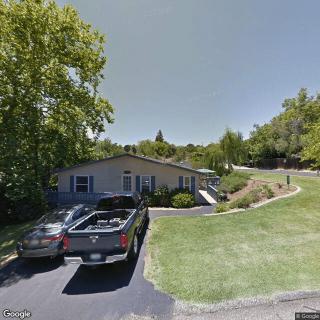
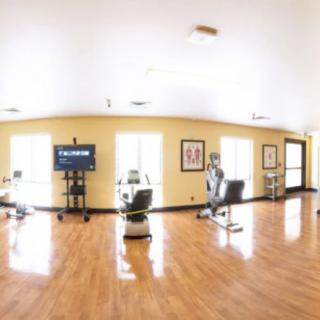
Shockley Woods Loving Hearts

12719 Shockley Woods Ct, Auburn, CA 95603

For more information about senior living options: (844) 490-3973

5 from 2 reviews
Assisted Living Board and Care Home Memory Care Respite Care

Overall Review of Shockley Woods Loving Hearts

Pros

  • pro The home is in a lovely, safe neighborhood and is always clean and well maintained.
  • pro The care the resident received while living there was outstanding.
  • pro Moving Mom to Better World Care was the right choice with no regrets.
  • pro The residential care home, with only four residents and full-time caregivers, provides a warm, friendly, and loving environment.
  • pro The resident had her own furnished room that could be personalized to her liking.
  • pro The community promotes family and offers events like a Thanksgiving dinner with music, creating a family-like atmosphere.

Cons

    Review

    Making the decision to seek more help for a parent is never easy, and the weight of that choice often sits with you long after the move. This account reflects a difficult but ultimately hopeful journey, where the author speaks candidly about the struggle of recognizing that a child can't shoulder everything and the relief found in discovering a place that could truly honor a loved one's needs. The experience is framed by a sense of gratitude for finding a home that felt right from the outset, set in a location described as a lovely and safe neighborhood. The property's upkeep and cleanliness were evident, and the care delivered there quickly stood out as outstanding, providing a foundation of trust and reassurance during a time of emotional vulnerability.

    The transition to Better World Care happened last year, marking a turning point that the author describes as entirely without regrets. Before settling, a thorough search had been conducted - visiting and evaluating a dozen large memory care facilities. Those visits revealed a level of care that did not sit right with the author, leaving lingering concerns about whether their mom would receive the attention and warmth she deserved in a more institutional setting. This arduous process underscored a desire for something different - less impersonal, more intimate, and more responsive to individual needs.

    Ultimately, the choice was to opt for a residential care home that could offer a notably smaller, more focused environment: a setting with only four residents and full-time caregivers. This configuration translated into a warm, friendly, and loving atmosphere that felt accessible and personal in a way that larger facilities often cannot. The author emphasizes that the smaller scale was a key factor in delivering care that felt tailored and heartfelt, a contrast to the impersonal dynamics sometimes found in bigger centers. It was clear from the start that the home could provide not just supervision but genuine companionship and attentiveness.

    A significant part of the favorable impression stemmed from the ability for the mom to live in her own furnished room, a space that could be personalized to her liking. The autonomy and comfort of having a private, homelike area contributed to a sense of dignity and belonging for the mom. The home's culture further reinforced this feeling through a strong emphasis on family. It wasn't merely a place to reside; it was framed as a family-like environment where care and camaraderie were woven into daily life. Special occasions and communal moments - the kind of meaningful rituals families share - were celebrated, such as a Thanksgiving dinner enriched with music, reinforcing the sense of belonging and community.

    The impact of such an environment became particularly meaningful when the mom herself began expressing her appreciation. On multiple occasions, she would tell her daughter how much she loved her new home and affirm that choosing this place had been the right decision. Those affirmations carried profound weight during a time that had been exceptionally challenging, serving as a heartfelt confirmation that the path chosen was not only practical but deeply nurturing. The mom's words provided the author with a sense of validation and gratitude, underscoring how essential it is for a care setting to feel like home and to honor the person's feelings and preferences.

    Taken together, the experience paints a portrait of a memory care option that stands apart through its intimate size, dedicated caregiving, and family-centered culture. The transition from a private home to a residential environment was accomplished in a way that prioritized the emotional and personal well-being of the mom, not just her physical needs. The consistently high standard of cleanliness and maintenance, combined with the warmth of the caregivers and the sense of belonging fostered within a small, close-knit group, culminated in a living arrangement where the mom could thrive with dignity, comfort, and genuine affection. The overall narrative is one of relief, confidence, and heartfelt gratitude for having found a place that felt like the right home at a moment when the right choice mattered most.

    Features

    Housing

    • 6 resident community capacity 6 resident community capacity

    Types of Care

    • Assisted Living Assisted LivingAssisted living facilities provide crucial support and care for seniors who may need help with daily tasks such as medication management, bathing, and meal preparation. These communities offer a safe and comfortable environment where seniors can maintain their independence while receiving the assistance they need to thrive in their golden years.
    • Board and Care Home Board and Care HomeBoard and care homes provide a smaller, more intimate setting for seniors who require assistance with daily tasks but do not need the level of care offered by a nursing home. They offer personalized care, meals, and social activities in a homelike environment, ensuring that seniors receive individualized attention and support in their golden years.
    • Memory Care Memory CareMemory care is crucial for seniors as it provides specialized support and services for individuals with dementia or Alzheimer's disease. These programs offer a safe and secure environment where residents receive personalized care, cognitive stimulation, and help with daily activities. Memory care helps seniors maintain their independence, quality of life, and dignity while also providing peace of mind for their families.
    • Respite Care Respite CareRespite care provides temporary relief for caregivers, allowing them to recharge and attend to their own needs. It also gives seniors the opportunity to socialize, receive professional care, and experience a change of scenery, promoting overall well-being and reducing feelings of isolation.

    Amenities

    • Cable or satellite TV Cable or satellite TVCable or satellite TV is important for seniors because it provides entertainment, news, and companionship, helping to combat loneliness and boredom. It also offers a wide range of programming options tailored to different interests and preferences.
    • Dining room Dining roomDining rooms are important for seniors as they provide a space for socialization, connection, and nutritious meals. They offer opportunities for residents to bond over shared meals, foster a sense of community, and promote healthy eating habits. Dining rooms also ensure that seniors have access to well-balanced meals tailored to their dietary needs and preferences.
    • Fully furnished Fully furnishedFully furnished senior living communities are important for seniors because they provide convenience, comfort, and a hassle-free moving experience. Seniors can easily settle into their new living space without the stress of having to buy and move furniture. This allows them to focus on enjoying their new home and community.
    • Garden GardenGardens are important for seniors as they provide a peaceful and therapeutic environment for relaxation, physical activity, and socialization. Being in nature has been shown to reduce stress, improve mood, and promote overall well-being. Gardens also offer opportunities for seniors to engage in gardening activities, which can improve mobility, flexibility, and cognitive function. Additionally, gardens create a sense of community and connection with others who share a passion for plants and outdoor spaces.
    • Housekeeping services Housekeeping servicesHousekeeping services are important for seniors because they help maintain a clean and safe living environment, promote independence, and reduce the risk of accidents or illnesses. Additionally, having assistance with household chores can alleviate physical strain and allow seniors to focus on other aspects of their well-being.
    • Move-in coordination Move-in coordinationMove-in coordination is important for seniors because it helps ease the transition into their new living environment. It ensures that all logistics, such as packing, organizing movers, and setting up utilities are taken care of, allowing seniors to focus on settling in and adjusting to their new home. Having a smooth move-in process can alleviate stress and anxiety, making the transition smoother and more enjoyable for seniors.
    • Outdoor space Outdoor spaceOutdoor spaces are important for seniors as they provide opportunities for physical activity, social interaction, exposure to natural light and fresh air, and a sense of connection to nature. Having access to outdoor spaces can improve overall well-being and quality of life for older adults living in senior communities.
    • Small library Small librarySmall libraries are important for seniors as they provide access to a variety of reading materials, including books, newspapers, and magazines. This can help stimulate their minds, keep them engaged, and provide a sense of community through book clubs and other social activities. Additionally, reading has been shown to improve cognitive function and overall mental well-being in older adults.
    • Telephone TelephoneTelephones are important for seniors as they provide a lifeline for communication with loved ones, emergency services, and healthcare providers. They offer a sense of security and independence, enabling seniors to stay connected and access assistance when needed.

    Care Services

    • 24-hour supervision 24-hour supervision24-hour supervision is important for seniors to ensure their safety, well-being, and access to immediate assistance in case of emergencies or health issues. This constant support provides peace of mind for both seniors and their loved ones, allowing them to age in place with dignity and security.
    • Activities of daily living assistance Activities of daily living assistanceActivities of daily living assistance are important for seniors because they provide essential support with tasks such as eating, bathing, dressing, and mobility. This assistance helps seniors maintain their independence, dignity, and overall quality of life as they age.
    • Assistance with bathing Assistance with bathingAssistance with bathing is crucial for seniors as it helps maintain personal hygiene, prevents infections, and ensures their overall well-being and comfort. It also provides a sense of dignity and independence for seniors who may struggle with this task on their own.
    • Assistance with dressing Assistance with dressingAssistance with dressing is important for seniors because it helps maintain their independence, promotes personal hygiene, prevents accidents and injuries, and improves overall quality of life. This service ensures that seniors can continue to dress comfortably and confidently, despite any physical limitations they may have.
    • Assistance with transfers Assistance with transfersAssistance with transfers is crucial for seniors as it helps prevent falls and injuries, maintains their independence, and ensures they can safely navigate their living environment. It also provides peace of mind for both seniors and their loved ones.
    • Diabetes diet Diabetes dietA diabetes diet is crucial for seniors as it helps manage blood sugar levels, reduce risks of complications, and improve overall health and well-being. By following a balanced and nutritious diet tailored to their specific needs, seniors can better control their diabetes and enhance their quality of life.
    • Meal preparation and service Meal preparation and serviceMeal preparation and service are crucial for seniors as they may have limited mobility or energy to cook nutritious meals. Having access to healthy and convenient food options can ensure they are getting the proper nutrition needed to maintain their overall health and well-being.
    • Medication management Medication managementMedication management is crucial for seniors to ensure they are taking the right medications at the correct dosages and times. This helps prevent adverse drug interactions, reduces the risk of medication errors, and promotes overall health and well-being. Proactive management also allows for adjustments as needed based on changing health conditions or new prescriptions.
    • Mental wellness program Mental wellness programMental wellness programs are essential for seniors as they promote cognitive stimulation, emotional support, and social engagement. These programs help prevent isolation, depression, and cognitive decline, ultimately enhancing the overall quality of life for older adults.
    • Mild cognitive impairment Mild cognitive impairment"Mild cognitive impairment" is important for seniors because it is an early stage of cognitive decline that can potentially progress to more severe conditions such as dementia. Recognizing and addressing mild cognitive impairment can help seniors receive appropriate care and support to maintain their quality of life and independence for as long as possible.
    • Special dietary restrictions Special dietary restrictionsSpecial dietary restrictions are important for seniors because age-related changes in metabolism and health conditions can make it difficult for their bodies to process certain foods. By following a diet tailored to their specific needs, seniors can maintain their overall health and well-being, manage chronic conditions, and reduce the risk of complications such as malnutrition or food interactions with medications.
    • Specialized memory care programming Specialized memory care programmingSpecialized memory care programming is crucial for seniors with cognitive impairments such as dementia or Alzheimer's disease. These programs provide a safe and supportive environment tailored to the unique needs of individuals with memory loss, helping them maintain their independence, dignity, and quality of life.

    Dining

    • Diabetes diet Diabetes dietA diabetes diet is crucial for seniors as it helps manage blood sugar levels, reduce risks of complications, and improve overall health and well-being. By following a balanced and nutritious diet tailored to their specific needs, seniors can better control their diabetes and enhance their quality of life.
    • Special dietary restrictions Special dietary restrictionsSpecial dietary restrictions are important for seniors because age-related changes in metabolism and health conditions can make it difficult for their bodies to process certain foods. By following a diet tailored to their specific needs, seniors can maintain their overall health and well-being, manage chronic conditions, and reduce the risk of complications such as malnutrition or food interactions with medications.

    Activities

    • Community-sponsored activities Community-sponsored activitiesCommunity-sponsored activities are important for seniors as they provide opportunities for social interaction, mental stimulation, and physical activity. These activities can help improve overall well-being, combat loneliness and isolation, and promote a sense of belonging and purpose among older adults.
    • Scheduled daily activities Scheduled daily activitiesScheduled daily activities are important for seniors because they provide structure, socialization, mental stimulation, and physical activity. Engaging in regular activities can improve overall well-being and quality of life for seniors living in a community setting.

    Description

    Shockley Woods Loving Hearts is an assisted living community located in Auburn, CA. We offer a variety of care services including board and care home, memory care, and respite care. Our goal is to provide a safe and comfortable living environment for our residents while also ensuring they receive the support they need.

    Our community provides numerous amenities to enhance the quality of life for our residents. We have a well-appointed dining room where delicious meals are served daily. Each resident's room is fully furnished, creating a cozy and welcoming atmosphere. Our outdoor space includes a beautiful garden where residents can enjoy nature.

    Housekeeping services are provided to ensure that the community remains clean and tidy at all times. We also offer move-in coordination to assist residents during their transition into our community. For those who enjoy reading, we have a small library with a variety of books to choose from. Residents can also stay connected with loved ones thanks to telephone access.

    At Shockley Woods Loving Hearts, we prioritize the health and well-being of our residents. Our caregivers provide assistance with activities of daily living such as bathing, dressing, and transfers. We also offer specialized care for individuals with diabetes or special dietary restrictions.

    Our community promotes mental wellness through a dedicated program that focuses on cognitive impairment and memory care programming. Medication management services are available to ensure that residents take their prescribed medications properly.

    Additionally, we provide a range of activities for residents to engage in on a daily basis. These include scheduled events and outings, fostering socialization among our residents.

    Conveniently located near several amenities, our community offers easy access to cafes, parks, pharmacies, physicians' offices, restaurants, theaters, and hospitals.

    At Shockley Woods Loving Hearts in Auburn, CA, we strive to create an environment where seniors feel supported and cared for while maintaining their independence and enjoying their golden years.

    Nearby Places of Interest

    Parks

    • Ashley Memorial Dog Park (0.3 miles)
    • Auburn State Recreation Area (1.4 miles)
    • Auburn Regional Park (2.9 miles)
    • Boulder Ridge Park (10.5 miles)
    • McBean Memorial Park (11.9 miles)
    • Lotus Park (11.9 miles)
    • Breen Park (12.4 miles)

    Restaurants

    • Taco Bell (0.5 miles)
    • Black Bear Diner Auburn (0.6 miles)
    • Jack In The Box (0.7 miles)
    • McDonald's (0.7 miles)
    • Beach Hut Deli (0.7 miles)
    • Awful Annie's (0.7 miles)
    • Ikedas Market (0.8 miles)

    Cafes

    • Starbucks (0.5 miles)
    • Starbucks (0.6 miles)
    • Starbucks (1.3 miles)
    • Dutch Bros Coffee (1.3 miles)
    • The Pour Choice (2 miles)
    • North Fork Chai (4.8 miles)
    • Starbucks (8.4 miles)

    Theaters

    • Regal Auburn - California (0.9 miles)
    • SMG Rocklin (11.3 miles)

    Physicians

    • Vista Complete Care (0.9 miles)
    • Sierra Optometry Center (1.3 miles)
    • Bloom Speech and Language (2.1 miles)
    • Next Level Dental (2.1 miles)
    • DaVita Auburn Dialysis (2.1 miles)
    • Guadalupe MD Avila-Kirwan Internal Medicine Uc Dav (2.2 miles)
    • Auburn Family Optometry (2.2 miles)

    Pharmacies

    • Save Mart Supermarkets (1.2 miles)
    • Rite Aid (1.3 miles)
    • Longs Drugs (1.3 miles)
    • CVS Pharmacy (1.3 miles)
    • Bel Air Pharmacy (1.5 miles)
    • Gold Country Compoundi (2.1 miles)
    • Sierra Compounding Pharmacy (3.3 miles)

    Hospitals

    • Siena Care Center (2.5 miles)

    Frequently Asked Questions

    Where is Shockley Woods Loving Hearts?
    Does Shockley Woods Loving Hearts provide care for residents with dementia or Alzheimer's disease?

    Nearby Communities

    Related Resources

    • reminiscence therapyAn In-Depth Look at Reminiscence Therapy in Dementia Care

      Reminiscence therapy is a structured method for older adults, especially those with dementia, to share life stories using prompts and sensory cues, fostering emotional well-being, social engagement, and self-identity. It aims to improve quality of life by enhancing interpersonal connections and cognitive stimulation while requiring careful facilitation to avoid distressing memories.

    • dementia hallucinationsDementia-Related Hallucinations: Causes, Experiences, and Practical Approaches

      Dementia, particularly Lewy body dementia, often involves hallucinations that can significantly distress both patients and caregivers due to disruptions in sensory processing and neurotransmitter imbalances. Effective management includes compassionate communication, environmental adjustments, and a multidisciplinary approach to care while addressing the emotional needs of caregivers.

    • alzheimer's factsIlluminating Insights About Alzheimer's Disease: Ten Crucial Realities

      Alzheimer’s disease is a progressive neurological disorder that significantly impacts memory and cognitive functions, accounting for 60-80% of dementia cases, with early diagnosis being crucial yet challenging. It involves brain changes like beta-amyloid plaques and tau tangles, influenced by genetic and lifestyle factors, and while there is no cure, symptom management and support for caregivers are essential.