
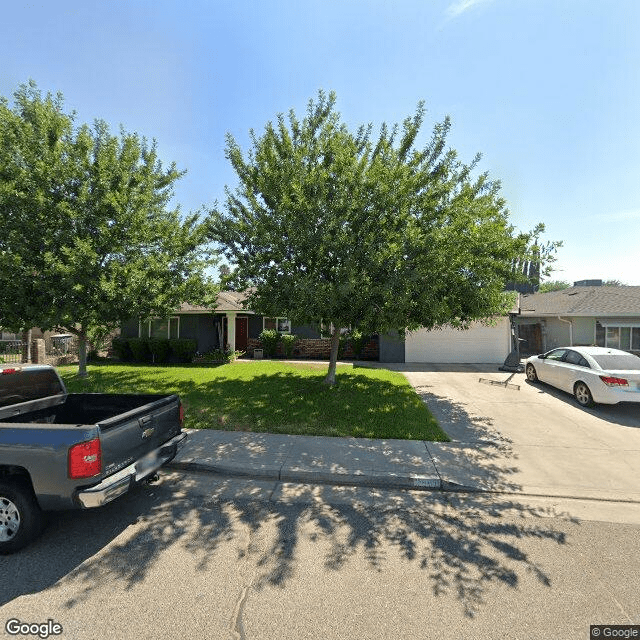
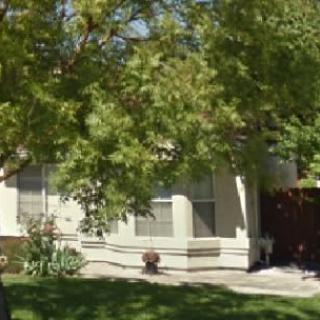
2868 5th Street, Atwater, CA 95301
To contact a resident: (209) 358-0493
For more information about senior living options: (866) 208-4318
Sue's Senior Connection Costs & Pricing
Sue's Senior Connection offers competitive pricing for its accommodations, particularly when compared to both Merced County and the broader California market. For a semi-private room, the cost at Sue's is $2,500 per month, which is notably lower than the county average of $2,651 and the state average of $3,333. Similarly, for those seeking more privacy in a private room setting, Sue's fee of $2,800 remains well below the county rate of $3,334 and the state average of $3,939. These pricing structures reflect Sue's commitment to providing affordable senior living options without compromising on quality care or comfort.
| Floor plans | Sue's Senior Connection | Merced County | California |
|---|---|---|---|
| Semi-Private | $2,500 | $2,651 | $3,333 |
| Private | $2,800 | $3,334 | $3,939 |
Senior living communities with a similar price nearby
-
from -$190 / mo
Valley Spring Memory Care
$2,310 to $3,003 / month24.1 miles away -
from +$300 / mo
Lifespring Senior Campus
$2,800 to $3,500 / month16.4 miles away -
from +$350 / mo
Pacifica Senior Living Merced
$2,850 to $3,995 / month7.1 miles away -
from -$161 / mo
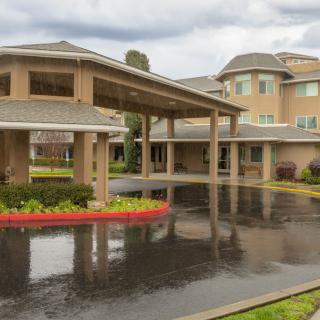
Holiday The Hampshire
$2,339 to $3,739 / month7.0 miles away -
from -$100 / mo
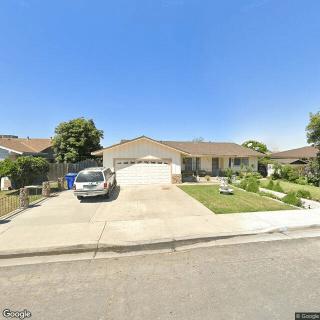
Christina's Home Care
$2,400 / month13.6 miles away
Overall Review of Sue's Senior Connection
Pros
 They were very pleased with the visit.
- They think their mom would really like this place.
- They appreciated the referral.
- They found the other clients friendly.
- They thought the food was good.
Cons
 There is not much privacy.
- There is a step-down into the enclosed patio/dining area.
- The step-into-shower has a threshold of about six inches, which can be inconvenient.
Review
Sue's Senior Connection in Atwater, CA is best suited for seniors who want a warm, home-like, small-house atmosphere where neighbors know each other, meals become a highlight, and socializing comes naturally. It works well for residents who prefer easy, low-key routines over the formality and distance sometimes found in larger campuses. Families seeking a straightforward, neighborly setting with a clear, uncomplicated care approach will find this environment aligns with daily life that feels more like a well-run house than a clinical facility. The vibe favors engagement, not exclusivity, and that matters for those who thrive on companionship and casual dining dynamics.
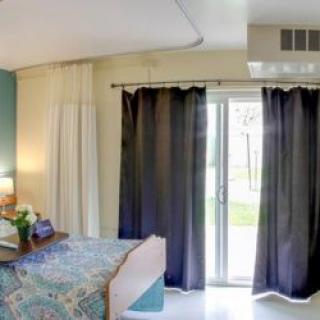
At the same time, certain realities point toward alternatives for some prospects. The layout described aligns with a tight-knit, perhaps less private footprint, where rooms feel more like long living areas than stand-alone private suites. For seniors who insist on high levels of privacy, private accommodations, or a floor plan designed around discreet corridors, this may feel limiting. Those requiring advanced mobility aids, memory-care supervision, or highly structured programming may be better served by facilities built around heavier clinical oversight and more barrier-free design. Allergies or sensitivities to pets would also tilt the decision toward quieter, more pet-free settings.
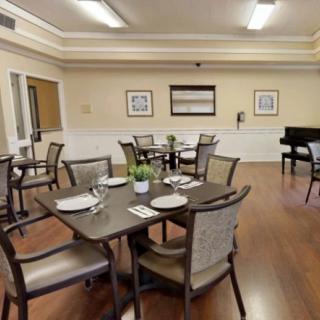
The strongest positives here are social and culinary. Residents are described as friendly and in reasonably good health, which supports an active, conversation-rich day. Food quality is noted as a definite plus, a practical contributor to daily satisfaction and routine, reducing meal-time friction and enhancing morale. The home-like long room at the front of the house with double doors suggests a welcoming, easy-flow shared space that encourages casual chats and spontaneous activities. The presence of a dog on site can be a meaningful mood booster for many residents and a natural catalyst for interaction, helping to anchor a sense of community.
On the downside, privacy is a recurring shortcoming. Not much privacy in a house where rooms are described in terms that imply shared or open spaces, and where the dining and patio areas flow from common rooms. The physical design includes a step-down into the enclosed patio/dining area and a step into a shower that is modest in height, both of which create potential safety hurdles for some residents and may complicate daily living for those with limited mobility. For anyone who values quiet, private routines, or fully accessible, barrier-free bathrooms, these features raise legitimate concerns about long-term suitability and ease of use as needs evolve.
The key is to weigh how the pros offset the cons. For families prioritizing companionship, a sense of belonging, and reliable meals, the positives can easily outweigh the privacy limitations. A pet-friendly environment adds warmth and can drive daily engagement, which is a concrete advantage for social seniors. However, the drawbacks are material enough to push a careful decision toward alternatives when privacy, independent living, or modern accessibility standards are non-negotiable. The decision hinges on whether the daily social texture and homelike comfort trump the absence of private space and the modest accessibility list.
In practical terms, a visit should focus on concrete, decision-critical checks. Probe room configurations to understand what level of privacy is truly available, ask about any private-room options or upcoming renovations, and verify safety features such as grab bars, non-slip flooring, and easy bathroom access. Observe how staff respond during routine moments, and assess noise levels during meals and common activities. Clarify the pet policy in writing if allergies exist or if a potential resident will be sharing space with a dog. If companionship, warmth, and good meals are the top priorities, Sue's Senior Connection presents a credible, well-regarded option. If privacy, private suites, or stronger barrier-free design are non-negotiable, it is wise to compare with communities that place those elements front and center.
 Board and Care Home
 Activities off-site
 Beautician on-site
 Private
 Ambulatory care
 Incontinence care
 Meals provided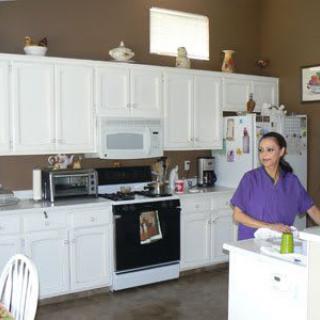

 California's Form 602A: An In-Depth Examination of Senior Care Assessment
 Comprehensive Look at Senior Blood Pressure Charts: Normal and Elevated Levels by Age
 Top Canine Companions for Older Adults