194 Clipper Court, Atwater, CA 95301
For more information about senior living options: (866) 208-4318
Guardian Angel Home Care II Costs & Pricing
Guardian Angel Home Care II offers competitive pricing for its residential care services, particularly when compared to the broader metrics in Merced County and California as a whole. For semi-private rooms, costs range from $3,500 to $3,657, which is notably higher than the county's average of $2,651 but falls within a reasonable margin above the state's average of $3,333. The private room rate at Guardian Angel Home Care II stands at $4,388, significantly exceeding both Merced County's average of $3,334 and California's state average of $3,939. This pricing reflects a commitment to quality care tailored to individual needs, albeit at a premium that may be indicative of enhanced services or amenities offered in this facility.
| Floor plans | Guardian Angel Home Care II | Merced County | California |
|---|---|---|---|
| Semi-Private | $3,500 to $3,657 | $2,651 | $3,333 |
| Private | $4,388 | $3,334 | $3,939 |
Memory care communities with a similar price nearby
-
from +$145 / mo
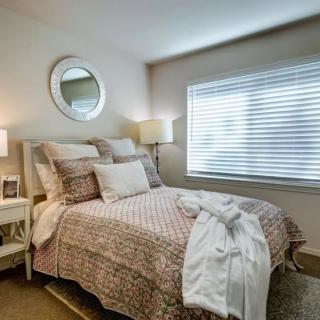
Cogir of Turlock
$3,645 to $4,780 / month18.4 miles away -
from -$650 / mo
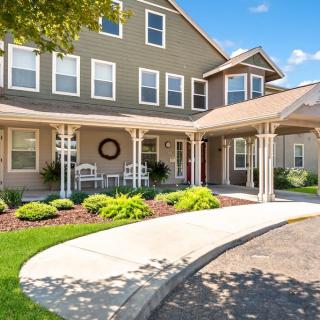
Pacifica Senior Living Merced
$2,850 to $3,995 / month6.5 miles away -
About the same
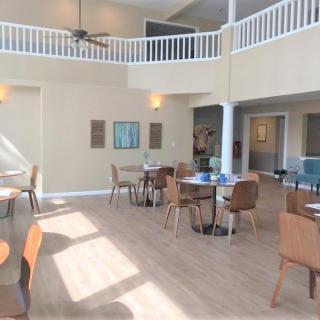
St. Francis Assisted Care
$3,500 to $5,500 / month17.0 miles away -
from +$300 / mo
Golden Age Living Turlock
$3,800 to $4,200 / month17.6 miles away -
from -$300 / mo

Guardian Angel Home Care
$3,200 to $3,530 / month4.9 miles away
Overall Review of Guardian Angel Home Care II
Pros
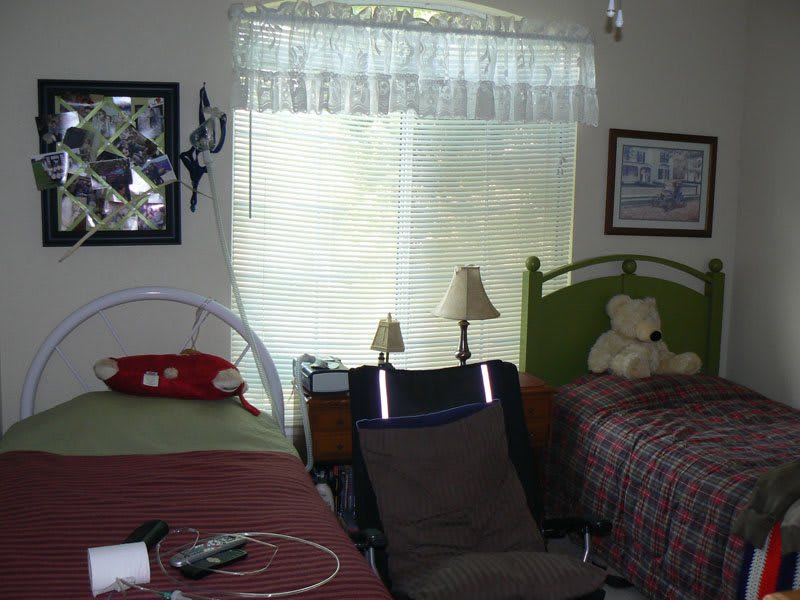
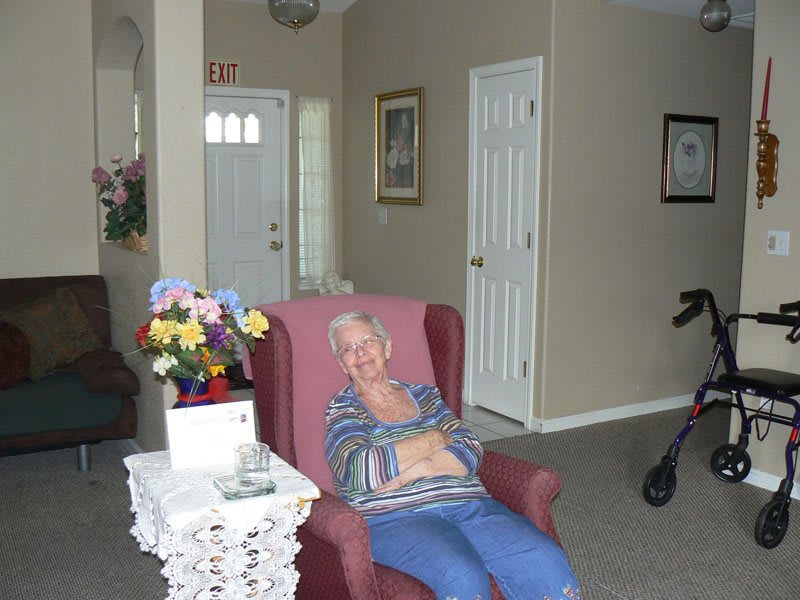
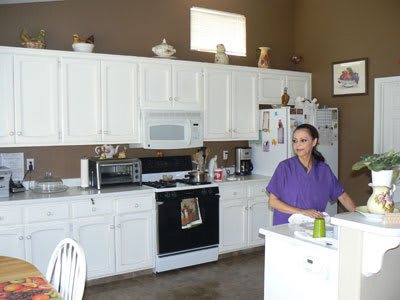
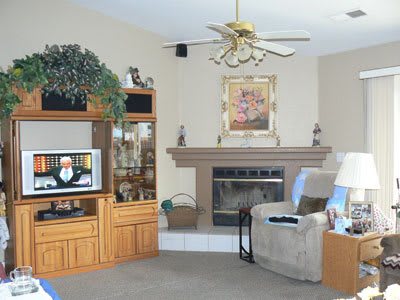
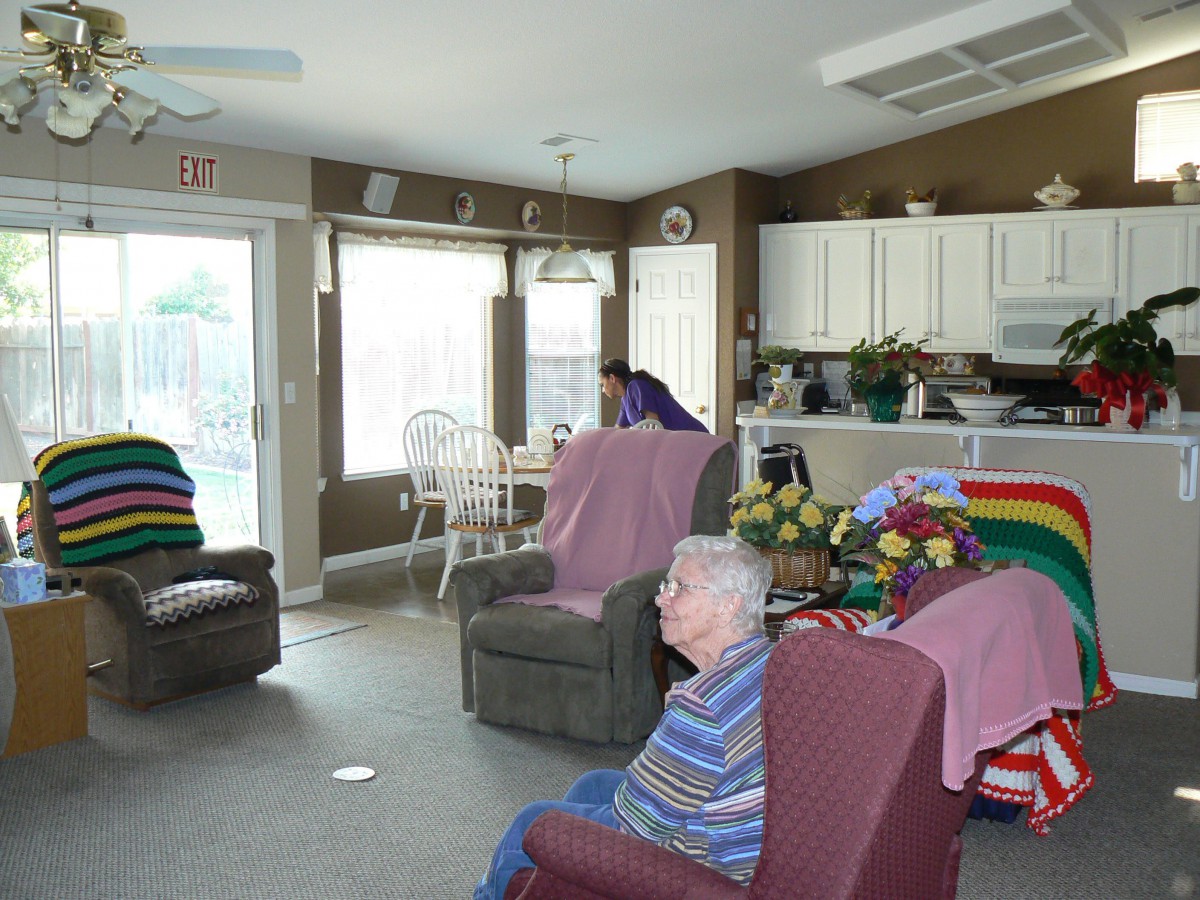
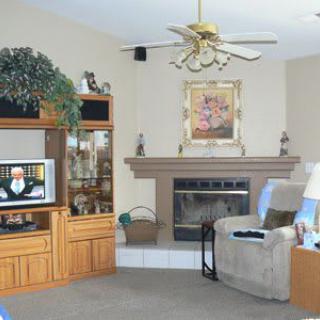
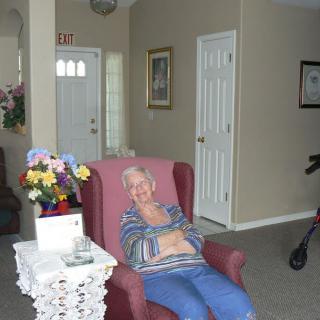
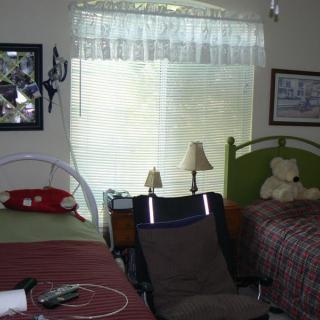
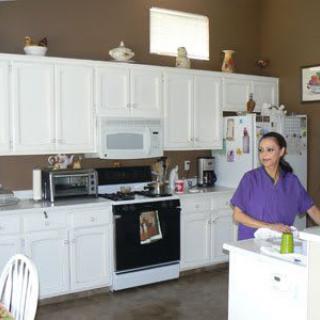
 The community appeared clean and well maintained.
- The staff was informative and nice.
- They accept residents with different levels of care needs.
- They did everything to make her comfortable and the staff did an excellent job.
- Lidia runs a caring, compassionate, loving, feels-like-home, professional environment.
- Loved ones are in a home setting and not a hospital-looking environment.
Cons
 They didn't seem to offer any activities.
Review
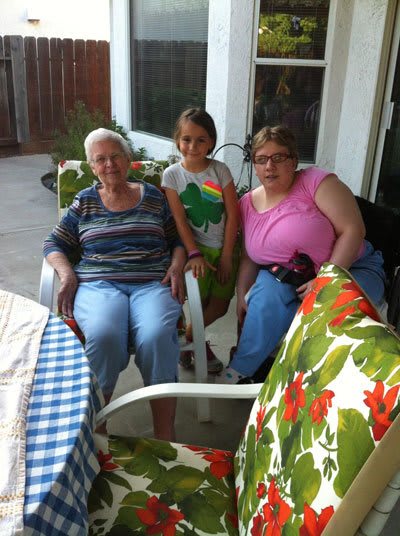
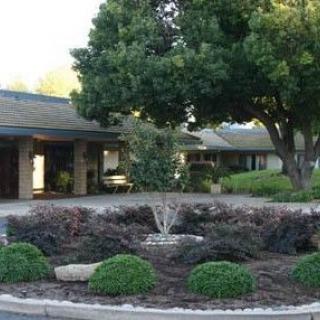
Guardian Angel Home Care II in Atwater is best suited for families seeking a true home-like, boutique care option where staff know residents personally and care is delivered with continuity and warmth. It fits seniors who need varying levels of assistance but do not require a hospital-like atmosphere or extensive medical programming. The setting, a private home within a residential area, appeals to those who value familiarity, dignity, and a caregiving culture that feels familial rather than institutional. For decision-makers, this community stands out when the priority is steady, relationship-driven support and the comfort of a small-scale environment over campus amenities.
Those weighing alternatives should consider whether a more structured activity calendar or robust on-site medical oversight is essential. Some reviews note the intimate setting can be outstanding for personal attention, yet there are questions about how many organized activities are offered and how consistently they’re provided. Families needing rigorous daily programming, group outings, or specialized services (such as detailed memory-care protocols) may find larger assisted living communities with formal activity schedules and dedicated clinical staff a better fit. In short, this option excels in warmth and personalization but may fall short for those chasing a bustling social scene or highly turnkey clinical capabilities.
On the upside, the core advantages are clear and meaningful. The home environment is described as clean and well maintained, which reduces stress for residents and families. Staff are reported as informative, friendly, and easy to approach, with a 24-hour presence that reassures families about overnight care. The facility accepts residents with different levels of care needs, allowing smoother transitions without multiple moves. The residential setting preserves dignity and privacy, avoiding the feel of a hospital, and the combination of home cooking and attentive, individualized care enhances daily quality of life. Lidia’s leadership emerges as a strong positive, underscoring a professional, compassionate, and consistent care culture.
Where the balance tilts less favorably are questions around activity breadth and availability. While some residents experience genuine engagement and personalized attention, others note a lack of formal activities, which can matter for social stimulation and routine. The small, private-home footprint may limit access to on-site medical resources and specialized programming, making it prudent to verify what is truly available for memory care, falls prevention, or more intensive needs. For families counting on a robust calendar of events or a wide range of therapeutic offerings, this setting may require supplementation or direct arrangement outside the home.
Yet the strengths here can more than compensate for these gaps when the decision centers on trust, comfort, and continuity. The ability to keep a loved one in a familiar, non-clinical environment while still receiving attentive 24/7 staffing can significantly ease transitions from hospital or from other placements. Home-cooked meals and personalized attention contribute to a calmer, more predictable daily rhythm, which reduces anxiety and helps maintain dignity. The sense that care is delivered with a family-like ethos, highlighted by a leadership tone described as caring, compassionate, and professional, can translate into reliable, day-to-day peace of mind for relatives and residents alike.
For families moving forward, practical steps are essential. Plan a focused visit to observe genuine caregiver–resident interactions and to meet the person who leads operations. Seek clarity on the exact activity schedule, verify whether outings are available, and confirm if more intensive clinical supports or memory-care services can be provided on-site if needs evolve. Request a sample weekly calendar and menu, and inquire about the caregiver-to-resident ratio to assess daily coverage. Gather references and confirm transparent pricing, including any add-ons or shifts in care levels. For those prioritizing warmth, flexibility, and a home-like daily rhythm, Guardian Angel Home Care II stands as a compelling option; for others, especially where robust programming or advanced medical oversight is non-negotiable, it merits comparison with other communities before final decisions.
 6 resident community capacity
 Assisted Living
 Board and Care Home
 Memory Care
 Respite Care
 Cable or satellite TV
 Dining room
 Fully furnished
 Garden
 Housekeeping services
 Move-in coordination
 Outdoor space
 Private bathrooms
 Telephone
 Wheelchair accessible showers
 Wi-Fi/high-speed internet available
 24-hour supervision
 Activities of daily living assistance
 Ambulatory care
 Assistance with bathing
 Assistance with dressing
 Assistance with transfers
 Diabetes diet
 High acuity care
 Meal preparation and service
 Medication management
 Special dietary restrictions
 Transportation arrangement (medical)
 Transportation to doctors appointments
 Christian services

 Estimating the Expenses of At-Home Dementia Care: A Detailed Exploration
 Comprehensive Insights on the Late Stages of Dementia: What to Expect and How to Provide Care
 Medications Associated with Dementia Risk: A Comprehensive Overview