
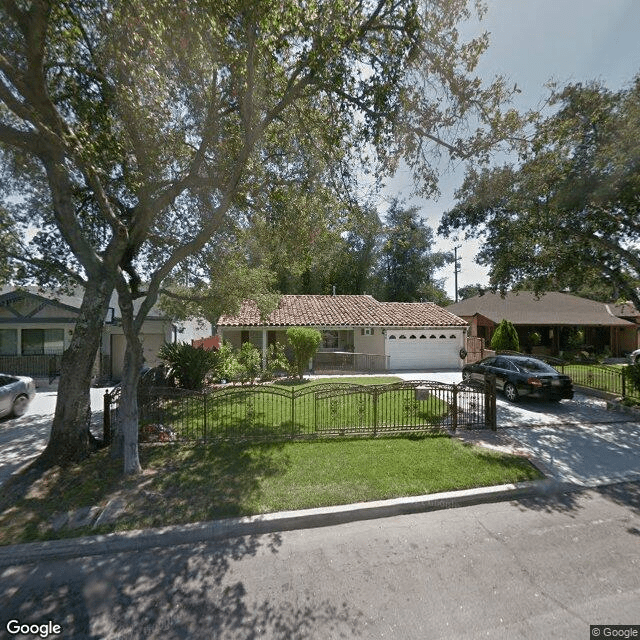
246 East Newman Avenue, Arcadia, CA 91006
For more information about senior living options: (866) 208-4318
Oak Garden Costs & Pricing
Oak Garden positions itself as a premium option within the landscape of care facilities, with monthly costs notably higher than both Los Angeles County and the broader California averages. For a semi-private room, Oak Garden charges $5,000, significantly exceeding the county's average of $3,349 and the state average of $3,333. Similarly, private rooms at Oak Garden are priced at $5,500, which is higher than Los Angeles County's rate of $4,197 and California's average of $3,939. The studio accommodations reflect a similar trend; Oak Garden's fee is $5,500 compared to $4,172 in Los Angeles County and slightly above California's average of $4,145. These figures suggest that while Oak Garden may be on the higher end of the spectrum for monthly costs, it likely offers enhanced services or amenities that justify this investment in quality care.
| Floor plans | Oak Garden | Los Angeles County | California |
|---|---|---|---|
| Semi-Private | $5,000 | $3,349 | $3,333 |
| Studio | $5,500 | $4,172 | $4,145 |
| Private | $5,500 | $4,197 | $3,939 |
Memory care communities with a similar price nearby
-
About the same

Sweet Home Senior Living #1
$5,000 to $7,500 / month23.2 miles away -
from -$500 / mo
Ardenville Home Care I
$4,500 / month18.9 miles away -
from -$500 / mo
Heritage Senior Home Care
$4,500 to $4,800 / month13.5 miles away -
from -$500 / mo
Casa Bella
$4,500 / month24.2 miles away -
from +$700 / mo

Mt. San Antonio Gardens
$5,700 to $8,550 / month16.9 miles away
Overall Review of Oak Garden
Pros
 They are a fantastic home.
- They have wonderful caregivers.
- The people who run it are fantastic and very empathetic and very caring.
- All the caregivers give excellent care.
- The property is excellently maintained.
- The food is attractive.
Cons
 The doctors on call are slow to respond.
- The on-call doctors are slow to respond, though not due to the facility’s lack of trying.
Review
Oak Garden in Arcadia is best suited for families seeking a warm, home-like assisted living experience where daily life is guided by exceptional caregiving, empathetic leadership, and careful attention to upkeep. This community shines for seniors who value personal connection with caregivers and managers, a well-maintained campus, and meals that are both appealing and thoughtfully prepared. It is a place where residents can thrive emotionally and socially, supported by a team that communicates with families and treats each resident with genuine respect. When the goal is reliable daily care delivered in a comfortable, welcoming setting, Oak Garden stands out as a strong match.
Those weighing alternatives should consider options that prioritize immediate, in-house medical resources or larger environments with a more expansive medical program. The dominant con for Oak Garden is the reliance on on-call doctors rather than full-time on-site physicians. For families whose top priority is rapid medical decision-making, 24/7 on-site medical staff, or access to a broader hospital network within the facility’s day-to-day operations, it may be prudent to explore communities with a more clinical footprint. In short, Oak Garden excels in care culture and ambiance, but may not be the first choice where medical response speed is non-negotiable.
The strongest pros here revolve around people and premises. Caregivers are consistently described as excellent, with staff and leadership characterized as fantastic, empathetic, and deeply attentive. That human core translates into trustworthy daily routines, personalized attention, and comfort for families leaving loved ones in care. The property itself is repeatedly praised for being well maintained, which reduces safety concerns and enhances overall mood and independence. Add in food that residents find attractive, and it becomes easier to envision a lifestyle that feels both dignified and enjoyable. These elements together create a clear differential: Oak Garden delivers a high-quality living experience anchored by people who genuinely care.
The main drawback is narrow in scope but real: occasional delays in medical responses due to on-call physicians rather than the facility’s internal team. This nuance matters because it signals that while day-to-day care, supervision, and social functioning are strong, medical decision-making may hinge on outside clinicians who can be slower. Even so, the consistently positive feedback about staff and management helps mitigate this concern. The absence of other notable negatives in the reviews suggests a stable, predictable environment, but families should still assess their own comfort with outside medical coordination and establish clear expectations for emergency communication.
Effectively, the formidable staff and the homey, well-kept setting offset the medical-response caveat in meaningful ways. Great caregivers and a compassionate leadership style foster continuity of care, reduce stress for families, and support residents in maintaining routines and dignity. A meticulous property, combined with palatable meals, reduces daily friction and supports nutrition, safety, and engagement. Taken together, these positives create a robust case for Oak Garden as a thoughtful, practical choice for many seniors who want a nurturing, high-quality living environment and are willing to accommodate the external medical flow that accompanies on-call arrangements.
For families ready to act, Oak Garden offers a compelling blend of heart and habit. It is worth visiting to meet the caregiving team, observe interactions with residents, and discuss how medical coordination will work in practice, especially for evenings, weekends, and urgent needs. Bring questions about physician involvement, care planning, and how family input is integrated into daily routines. If the goal is a warm, well-run home with reliable, empathetic staff and a pleasant, well-kept setting, Oak Garden should be at the top of the short list. If the emphasis is on ultra-fast medical response or a larger clinical footprint, alternatives merit careful comparison.
 6 resident community capacity
 Assisted Living
 Board and Care Home
 Memory Care
 Cats allowed
 Dogs allowed
 Cable or satellite TV
 Dining room
 Fully furnished
 Garden
 Housekeeping services
 Move-in coordination
 Outdoor space
 Private
 Telephone
 Wi-Fi/high-speed internet available
 Burbank-Glendale-Pasadena (20 miles away)
 24-hour supervision
 Activities of daily living assistance
 Assistance with bathing
 Assistance with dressing
 Assistance with transfers
 Diabetes diet
 Meal preparation and service
 Medication management
 Special dietary restrictions
 Transportation arrangement (medical)
 Transportation to doctors appointments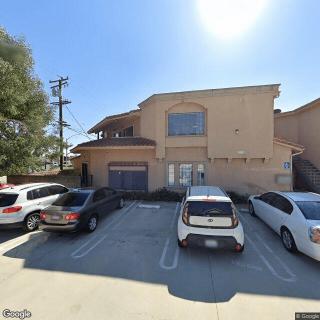



 Why Do Dementia Patients Sleep So Much? Understanding Oversleeping, Stages, and Care Approaches
 8 Key Indicators That Suggest It May Be Time to Transition from Assisted Living to Skilled Nursing Care
 Nourishing the Mind: Essential Dietary Approaches for Dementia