
14186 Cuyamaca Road, Apple Valley, CA 92307
For more information about senior living options: (866) 208-4318
Overall Review of Home Care First
Pros
 Home Care First is wonderful.
 - The team is a close-knit group that makes it feel like home for the resident.
- The caregiver-to-resident ratio is favorable.
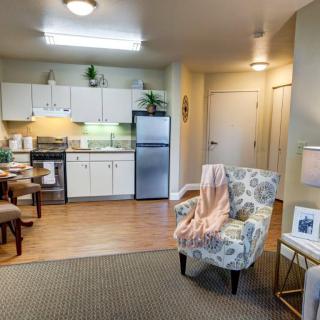
- The resident’s room is comfortable and well furnished to meet her needs.
- The home is well maintained and impeccably clean, with an immaculate kitchen and bathrooms.
- The facility shows visible sanitization measures and monitoring, which instill comfort.
- The staff promptly fulfills residents' preferences for food and beverages.
- The staff are professional, understanding, energetic, and patient, and genuinely care about residents.
Cons
 None identified. The reviews are all positive; no negative third-person statements are present.
Review
Home Care First in Apple Valley is best suited for seniors who want a home-like, intimate assisted-living experience. The setting operates as a small, close-knit household where caregiving is highly personalized. In practice, a trio of residents shares two caregivers, delivering a level of attention that feels more like home than a traditional facility. Rooms are typically private and can be furnished to individual needs, and the environment emphasizes cleanliness and order. The overall pace is calm and predictable, with a practical focus on daily routines, resident comfort, and straightforward safety considerations. This combination creates a secure, welcoming atmosphere ideal for residents who value consistency, privacy, and feel-at-ease caregiving.
Those who should consider alternatives are families confronting more intensive medical needs or seeking a broader spectrum of services. If the loved one requires robust on-site medical oversight, complex wound care, memory-care specialization, or a bustling activities calendar, a larger community with deeper clinical staffing and broader programming may be more appropriate. Similarly, if social life, diversely scheduled outings, or a wide range of therapeutic options are non-negotiable, a bigger campus might better meet those expectations. In short, when medical complexity or varied engagement opportunities are the top criteria, exploring other options is prudent.
The strongest positives translate into real, day-to-day advantages. The intimate, home-like setting fosters a strong sense of belonging and quick, reliable assistance. The caregiver-to-resident ratio means residents receive timely support and consistent routines, which reduces confusion and anxiety for loved ones. Staff members are described as exceptionally caring, patient, and energetic, with a genuine commitment to the resident’s well-being. They demonstrate flexibility by accommodating personal preferences, often sourcing familiar foods or adapting meals, and by attending promptly to individual requests. Cleanliness and maintenance are evident in both living spaces and common areas, reinforcing trust and comfort.
These advantages come with a natural tradeoff, yet the offset remains compelling. The same intimate model that creates warmth can limit exposure to a wider array of activities and on-site therapies typical of larger communities. However, the flip side is substantial: a setting where caregivers know the resident’s routines and tastes inside out, where meals are tailored rather than standardized, and where response times are swift. Families consistently perceive value in the arrangement, appreciating the reduced stress and the sense that care is highly personalized. Residents benefit from continuity and predictability, while families report that the quality of life and peace of mind justify the cost.
For families evaluating this option, practical verification matters. Inquire about the exact caregiver-to-resident ratio and observe how staff respond to bespoke requests, including special meals, snacks, and daily routines. Ask about the range of everyday activities, transportation options, and any memory-care supports in place if future needs shift. Clarify what is included in the monthly cost and what flexibility exists to add services as needs evolve. A firsthand visit to meet the caregiving team, tour the private rooms, and sample the dining experience will reveal whether the described culture of care is truly present in daily operations.
Overall, Home Care First represents a powerful choice for seniors prioritizing warmth, personalized attention, and a home-centered lifestyle. It delivers a consistently attentive staff, a clean, comfortable living environment, and a responsive, family-facing approach to care planning. For families seeking a deeply personal setting where caregivers build meaningful relationships and adapt to individual preferences, this option deserves serious consideration. If the priority instead leans toward a larger community with broader clinical resources and more expansive programming, it remains wise to compare other Apple Valley offerings to determine which setting aligns best with medical needs, social goals, and budget.
 6 resident community capacity
 1-bedroom apartments
 Assisted Living
 Beautician on-site
 Cable or satellite TV
 Dining room
 Fully furnished
 Garden
 Guest parking
 Hiking trails
 Housekeeping services
 Laundry
 Move-in coordination
 Outdoor space
 Party space
 Respite or short term stays offered
 Security gate
 Telephone
 Wi-Fi/high-speed internet available
 Transportation & parking
 24-hour supervision
 Activities of daily living assistance
 Assistance with bathing
 Assistance with dressing
 Assistance with transfers
 Companion care
 Diabetes diet
 Hospice care
 Meal preparation and service
 Medication management
 Special dietary restrictions
 Transportation arrangement (medical)
 Arts and crafts
 Book club
 Cooking club
 Educational speakers / life long learning
 Games
Games Live musical performances
 Religious services
 Yoga / chair yoga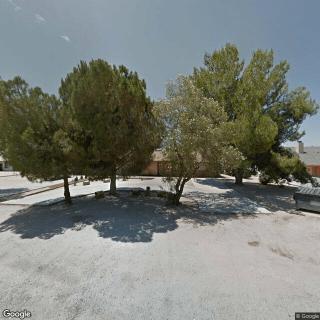




 Is Assisted Living Deductible on Your Taxes? Understanding the Complexities of Assisted Living Expenses and Deductions
 Assisted Living Support for Veterans: A Complete and Detailed Overview
 Exploring the Contrasts Between Assisted Living and Skilled Nursing