
5227 Steven South Stroud Drive, Antioch, CA 94531
For more information about senior living options: (866) 208-4318
Overall Review of Island Angel Care Home For The Elderly
Pros
 The care home is very clean and takes pride in maintaining cleanliness.
- It ensured the resident looked and smelled good.
- The staff called him "pumpkin" and were loving and caring toward him and his family.
- They stayed with the family until he passed away and ensured he passed with dignity.
- The owner stated that it was their mission when he first arrived in 2022, and they have strict rules about cleanliness.
- Merlita said, "we can take very good care of him."
- The reviewer is thankful to have found this place and regards it as the fifth and thankfully final home.
Review
Island Angel Care Home For The Elderly in Antioch, CA is best suited for families seeking an intimate, home-like setting where a small, tightly knit caregiving team can deliver highly personal, dignity-first care, particularly for seniors dealing with dementia or end-of-life needs. The two published reviews highlight a setting that feels more like a nurturing family environment than a sterile facility: meticulous cleanliness, staff who form close, affectionate bonds with residents, and an owner/operator model that emphasizes pride in appearance, comfort, and respectful treatment. For families who want to see a caregiver’s hands-on involvement and a focus on how a resident looks, feels, and is spoken to on a daily basis, this community stands out as a trustworthy option.
That said, this setting is not ideal for every situation. Families needing robust clinical oversight, specialized nursing support around the clock, or a larger campus with formalized memory-care programming may want to consider alternatives. Bigger assisted-living communities, facilities with dedicated dementia wings, or skilled-nursing environments may deliver more intensive medical management or a broader array of on-site services. The small, family-run nature of Island Angel Care Home means a personal touch comes first, but it can also translate to less visible 24/7 medical staffing or fewer structured programs than larger operators provide. For residents with complex medical regimens or those requiring extensive rehabilitative services, alternatives may be a better fit.
The strongest advantages rest in three pillars: cleanliness, consistent, loving care, and a mission-driven approach from the owners. The reviews describe a space where residents are kept meticulously clean, well-presented, and comfortable, with staff who treat them with warmth and genuine regard (“pumpkin” endearment and family-style interactions are part of the rhythm). The owners’ stated commitment to dignity, ensuring a peaceful, respectful passing when the time comes, speaks to a philosophy that prioritizes quality of life in ordinary moments as well as in end-of-life care. In a setting like this, peace of mind for families often hinges on the perception that caregivers know the resident as an individual and attend to personal preferences, routines, and hygiene with diligence.
That same personal approach, however, can offset potential gaps in formal programming. The reviews reveal no red flags about safety or neglect, and the emphasis on cleanliness and dignity helps mitigate concerns about neglect or hurried care. Yet for families weighing options, the trade-off is clear: a small home may not offer the breadth of clinical protocols or the breadth of activities you’d find at a larger community. If a loved one benefits from structured memory-care programming, regular on-site nursing supervision, or highly scheduled group activities designed for cognitive engagement, a larger facility with more formal systems may deliver more consistent outcomes. Island Angel’s strength lies in relationship-based care, not in institutional scale.
When assessing this option, plan a thoughtful visit with a practical checklist. Confirm licensing status and review the caregiver-to-resident ratio, as well as who supervises care and how medical issues are escalated. Inquire about memory-care approaches: how tasks are structured, how wandering or agitation is managed, and what kind of daily activities, and the social opportunities, they offer. Ask about meals, housekeeping routines, medication management, and how family updates are communicated (frequency, format, and transparency). Clarify what is included in the room, what constitutes add-on charges, and what financial protections exist if care needs intensify. Finally, gauge compatibility with family routines and the resident’s personality: do staff introductions, familiar nicknames, and the home’s cadence feel like a good fit for a loved one’s day-to-day life?
The bottom line is clear. Island Angel Care Home For The Elderly offers a compelling option for families prioritizing warmth, cleanliness, and a dignified, individualized level of care in a compact, family-oriented setting. It is especially appealing for seniors with dementia or those approaching end-of-life care who benefit from consistent, affectionate attention and a proven commitment to respectful treatment. For families seeking a highly clinical environment, extensive programming, or broad medical staffing, alternatives with larger scales or hospital-style oversight may be more appropriate. In the right match, this community can deliver not only comfort and safety, but also the quiet confidence that comes from a dedicated team who treats every resident as family.
 6 resident community capacity
 Assisted Living
 Board and Care Home
 Respite Care
 Cable or satellite TV
 Dining room
 Fully furnished
 Garden
 Housekeeping services
 Move-in coordination
 Outdoor space
 Telephone
 Wi-Fi/high-speed internet available
 24-hour supervision
 Activities of daily living assistance
 Assistance with bathing
 Assistance with dressing
 Assistance with transfers
 Diabetes diet
 Meal preparation and service
 Medication management
 Special dietary restrictions
 Transportation arrangement (medical)
 Transportation to doctors appointments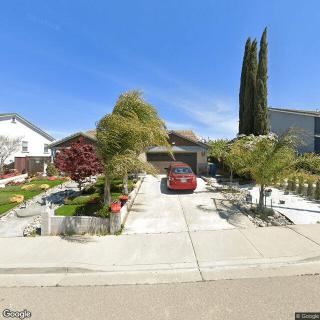

 Assisted Living and Memory Care: Understanding Their Core Differences
 Beyond the Bingo Hall: 50+ Enriching Activities for Seniors in Assisted Living
 Understanding the Distinctions: Assisted Living and Memory Care Explained