

1715 Olive Ln, Antioch, CA 94509
To contact a resident: (925) 757-6278
For more information about senior living options: (866) 208-4318
Country Place- Mental Health Costs & Pricing
Country Place- Mental Health offers competitive pricing for its studio accommodation at $2,000 per month, significantly lower than the average costs in Contra Costa County and across California. In Contra Costa County, the monthly rate for similar accommodations stands at $4,358, while the state average hovers around $4,145. This pricing structure not only highlights Country Place's commitment to making mental health resources more accessible but also underscores the value it provides in comparison to other options available in the region. Such affordability can play a crucial role in supporting individuals seeking mental health services without facing overwhelming financial burdens.
| Floor plans | Country Place- Mental Health | Contra Costa County | California |
|---|---|---|---|
| Studio | $2,000 | $4,358 | $4,145 |
Memory care communities with a similar price nearby
-
from +$199 / mo

Paradise Residential Care Home in Mountain House
$2,199 to $3,199 / month21.3 miles away -
from -$100 / mo
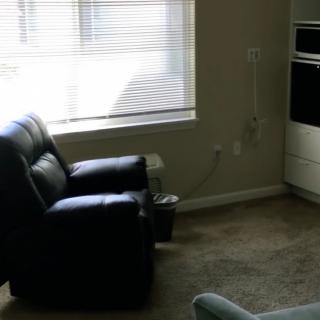
Paramount House Senior Living
$1,900 to $4,695 / month24.6 miles away -
from -$100 / mo
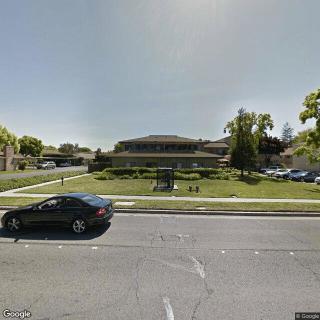
Concord Royale
$1,900 to $4,900 / month11.2 miles away -
from +$200 / mo

Dover Valley Residential Care Home
$2,200 to $3,000 / month22.9 miles away -
from -$200 / mo

R & N Middleton Residential Care Home #3
$1,800 / month17.4 miles away
Overall Review of Country Place- Mental Health
Pros
 They received excellent care from therapists, psychologists, and a psychiatrist.
 - Kaiser is described as a good mental healthcare provider, with referrals offered as needed.
- The clinician they were paired with has been an essential bedrock of support for the past two years.
- They are glad that Kaiser provides these services and hope others can find their perfect helper there.
- Booking appointments and engaging in therapy are framed as steps toward being their best, with options for group and individual therapy and referrals.
Cons
 Kaiser Permanente doesn’t care about mental health.
- They are no help, with staff who have people call repeatedly and ask the same questions, failing to provide the needed help.
- They are slow to figure out how to assist patients.
- They have been sued for inadequate mental health care.
- The experience often makes people feel worse when trying to get help.
- Scheduling and referrals are a nightmare: referrals don’t happen, the app is unusable, and callers must navigate multiple departments, sometimes with limited call hours.
- They seem not to care about patients’ mental health needs at all.
- There are long gaps between appointments (weeks) and rescheduling can delay care for those needing more frequent help.
- Kaiser is fine only if someone is healthy; otherwise they’re screwed.
Review
This community is best suited for Kaiser Permanente mental health members who can tolerate a bureaucratic, high-volume system and still expect meaningful therapeutic relationships. It works for individuals who already have a stable clinician and are prepared to endure scheduling quirks to keep a long-term engagement with therapy or psychiatry. In short, it rewards persistence and familiarity with the Kaiser care network more than quick, turnkey access. If crises or urgent, frequent follow-ups are the norm, this setting will feel undersized and reactive rather than proactive.
Those who may want to consider alternatives are primarily anyone who cannot tolerate repeated scheduling hurdles, lost or shuffled referrals, and inconsistent communication. Families seeking immediate responses, predictable appointment cadences, or a streamlined intake process should look for more integrated, patient-centered options, whether a different insurer, a private practice, or a community mental health program with dedicated care coordinators. For residents who rely on rapid referral pathways or who need regular, dependable follow-ups, the pain points in this system are hard to overlook.
The clearest positive signal is that when a capable clinician is matched with a patient, substantial progress is possible. Several reviewers praise individual therapists, psychologists, and psychiatrists who deliver thoughtful care and effective referrals. Where a steady therapeutic alliance forms, the level of support can be real and meaningful, including access to weekly therapy and targeted referrals to extended services. These successes show that the provider network can deliver high-quality mental health care, provided the system cooperates and the patient can navigate it.
However, the dominant pattern across the feedback is a weakening of the care experience by process issues. Chronic delays, frequent appointment cancellations without proactive communication, and a perception that administrative staff struggle to keep up with demand undermine trust and continuity. The combination of overwhelmed scheduling, dozens of phone steps, and inconsistent follow-through creates a sense that the care itself is good in theory but frequently interrupted in practice. The grudging reality is that even strong clinicians can’t fully compensate for a system that appears slow to respond or slow to act when help is most needed.
For families evaluating options, concrete steps matter. Request a dedicated care coordinator or a single point of contact who can track referrals and appointment timelines. Insist on direct numbers or secure messaging for your clinicians, and confirm appointment times in writing to avoid last-minute shocks. Expect realistic wait times and discuss contingency plans if delays occur. Where possible, explore alternatives that emphasize faster access, private practitioners, community-based programs, or different insurance networks that offer more predictable scheduling and hands-on care management. Crisis resources should always be identified in advance, including local crisis lines or urgent care pathways, so that a plan is in place if rapid support is required.
verdict: this setting provides genuine value for those deeply embedded in the Kaiser system who can tolerate its friction and remain steadfast in pursuing care. For many, the experience is defined by long waits, fragmented communication, and episodic interruptions that can erode confidence between visits. If a stable clinician can be secured and a workable care plan established, meaningful therapeutic gains are possible. But the overall package remains a risk for those needing reliable, timely access to care. In deciding, families should weigh the potential for strong clinician-led progress against the recurrent scheduling and coordination challenges that color the day-to-day experience.
 Assisted Living
 Memory Care
 Activities on-site
 Devotional services off-site
 Indoor common areas
 Ambulatory care
 Meals provided






 8 Important Indicators That Memory Care May Be Necessary
 Delving into the Inner World of Dementia: Insights into Thoughts and Awareness
 Five Subtle Dementia Indicators to Observe: An In-Depth Guide to Understanding “Does My Mom Have Dementia?”