5850 Manzanita Ave, Angelus Oaks, CA 92305
To contact a resident: (909) 801-1911
For more information about senior living options: (866) 208-4318
Pacific Pines Angelus Oaks Costs & Pricing
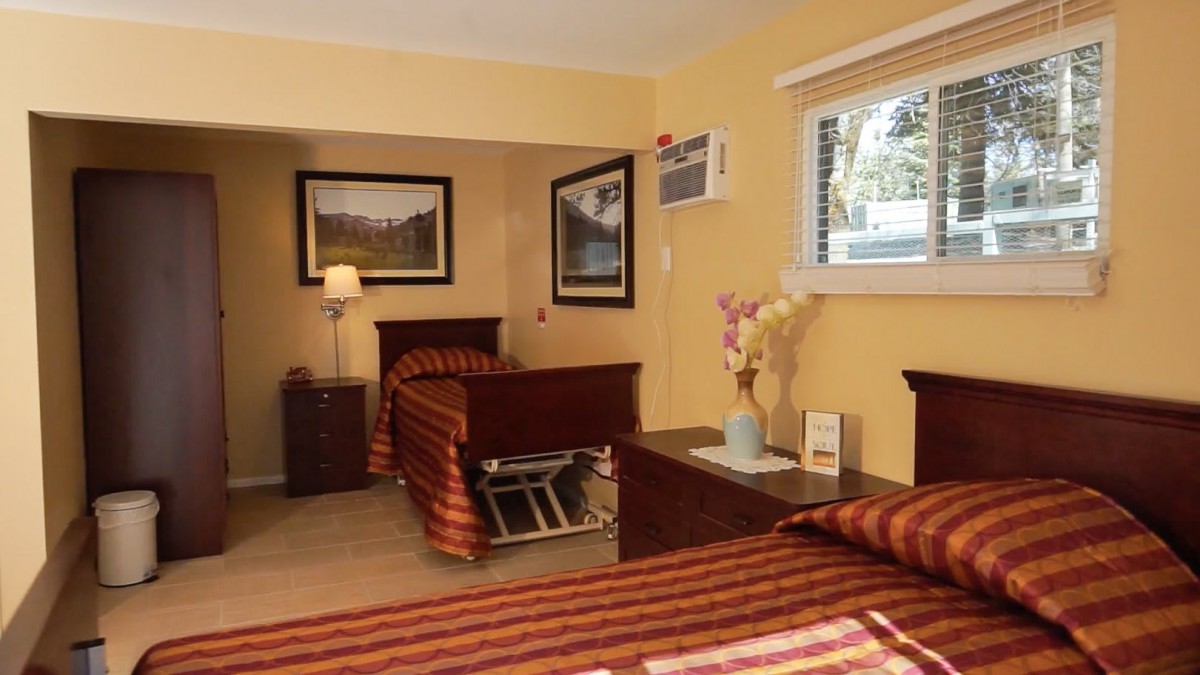
At Pacific Pines Angelus Oaks, the monthly costs for room accommodations reflect a premium that is notably higher than both San Bernardino County and statewide averages in California. For a semi-private room, residents are looking at a fee of $4,800, which significantly surpasses the county average of $2,958 and the state average of $3,333. Similarly, those opting for private rooms will pay $5,200 per month - again well above the local county cost of $3,561 and the California average of $3,939. This pricing suggests that Pacific Pines Angelus Oaks may offer enhanced services or amenities that justify its elevated costs compared to regional and state figures.
| Floor plans | Pacific Pines Angelus Oaks | San Bernardino County | California |
|---|---|---|---|
| Semi-Private | $4,800 | $2,958 | $3,333 |
| Private | $5,200 | $3,561 | $3,939 |
Senior living communities with a similar price nearby
-
from +$200 / mo
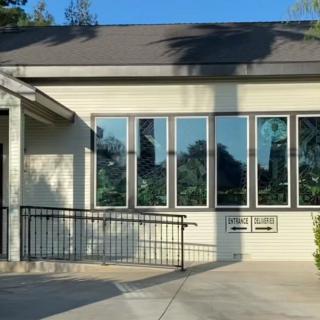
Pacific Pines Redlands
$5,000 / month12.1 miles away -
from -$800 / mo
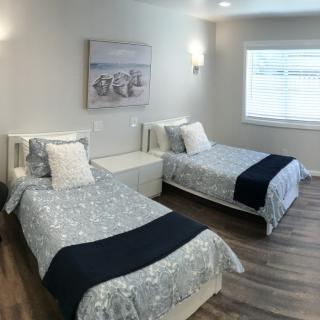
Hamilton Home
$4,000 / month12.3 miles away -
from -$550 / mo
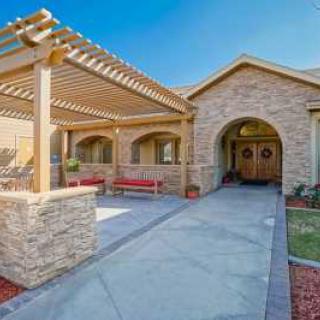
Summerfield Memory Care Of Redlands
$4,250 to $7,195 / month14.5 miles away -
from -$956 / mo

Chaparral Point Senior Home
$3,844 to $4,997 / month22.1 miles away -
from -$605 / mo
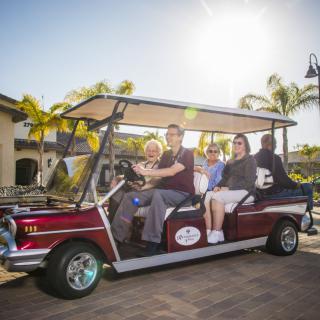
Manzanita Village at Rancho Belago
$4,195 to $4,995 / month19.6 miles away
Overall Review of Pacific Pines Angelus Oaks
Pros
 The staff, including Christian Duke, provide outstanding service and go above and beyond to help everyone.
 - Joel and Ramon deliver incredible support, and Pacific Pines responds to questions promptly and professionally.
- The facility is loving, caring, and safe for residents.
- The Angelus Oaks location features outdoor-access cabins and caregivers who truly care about residents, with clear communication from Nancy.
- Pacific Pines and its leadership create a compassionate, safe environment that earns strong recommendations.
- The team at Angelus Oaks exceeds expectations in compassionate, loving care for loved ones.
- The staff, caretakers, and cooks give the best possible care to residents.
- The people at Pacific Pines are great caretakers for those who are unable to care for themselves.
Cons
 They described memory care communities as lock-down-type, dreary and depressing.
Review
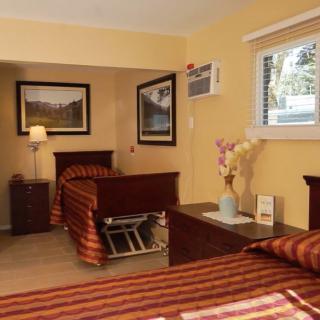
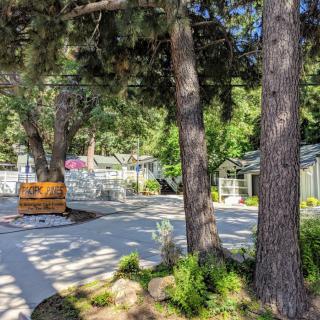
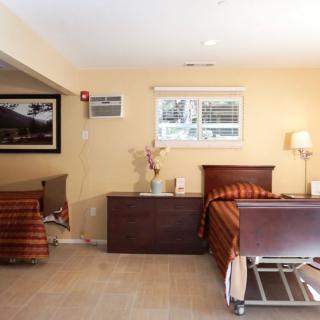
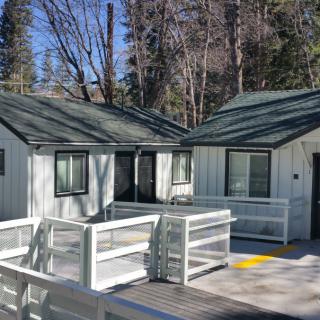
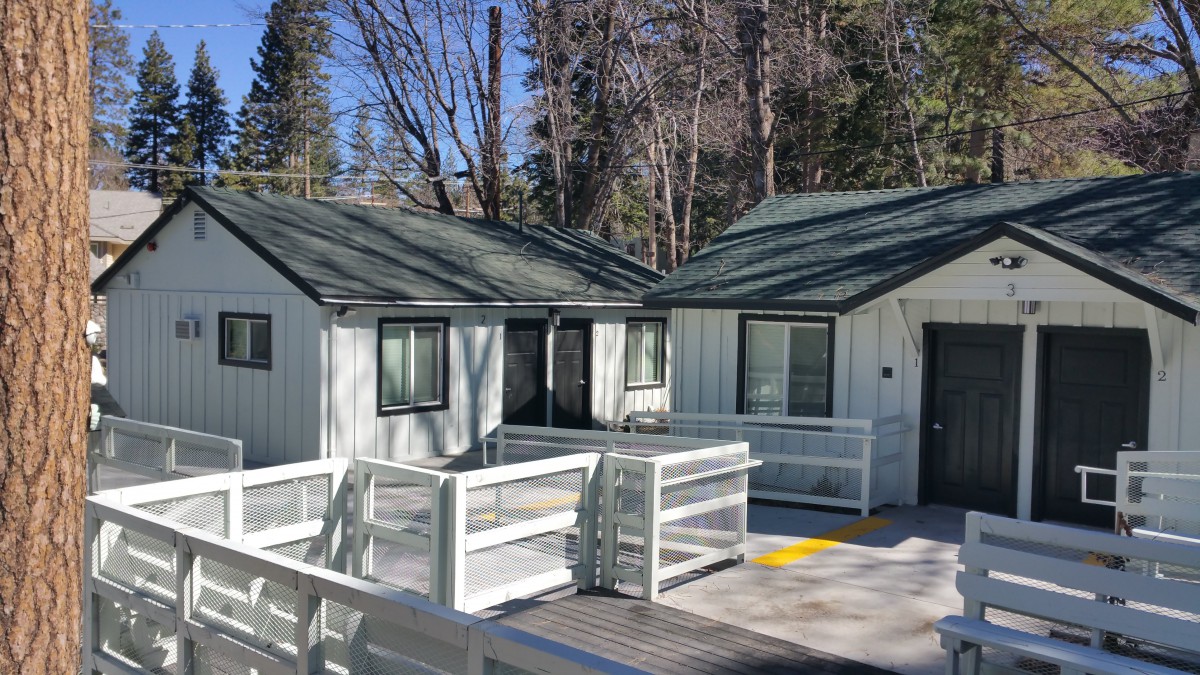
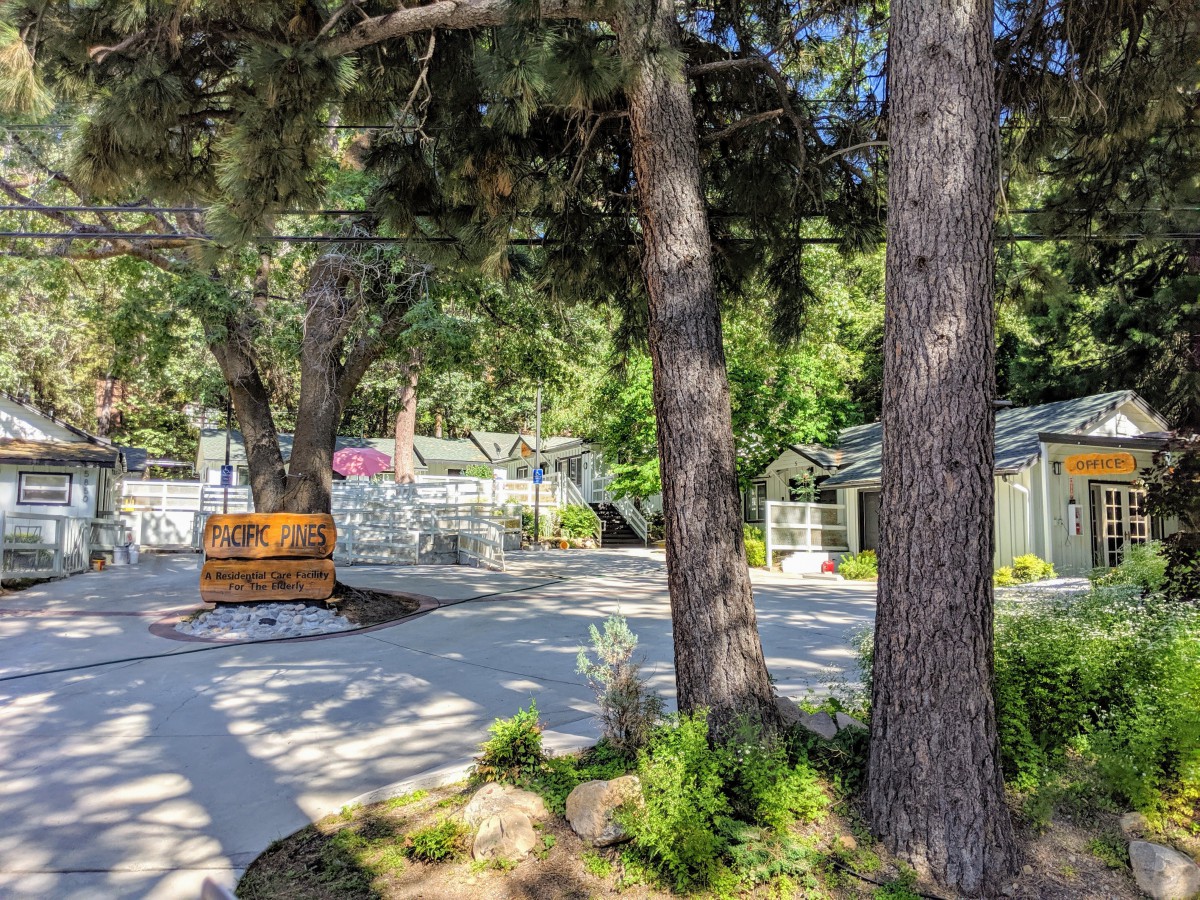
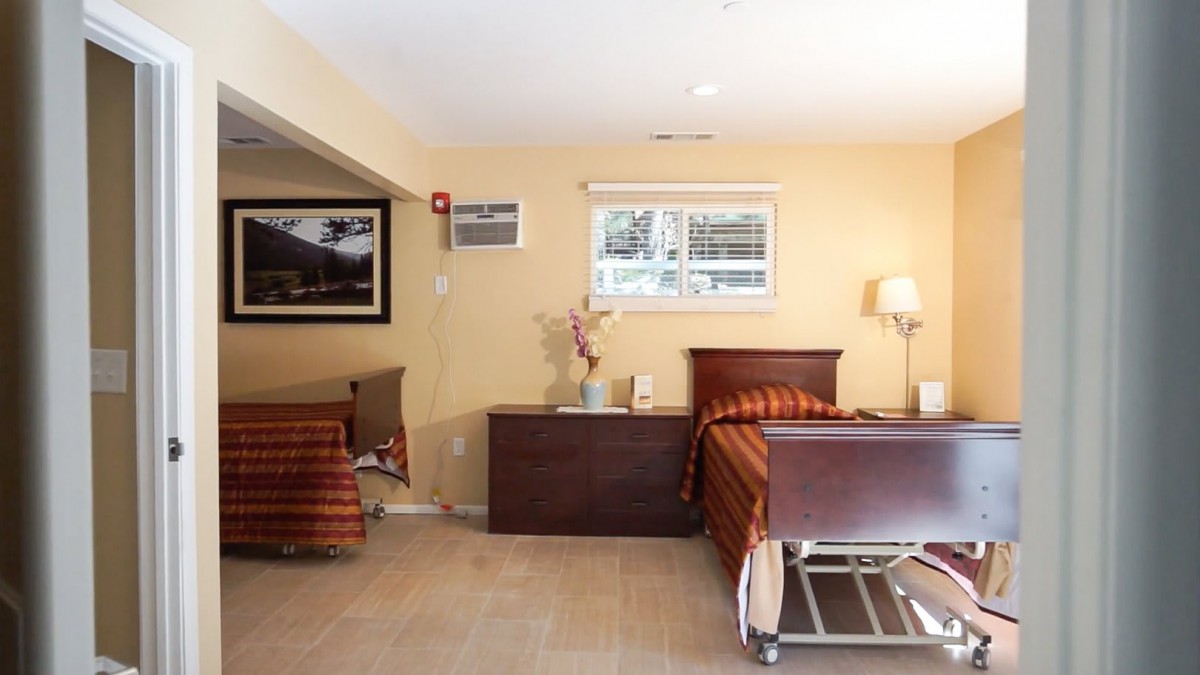
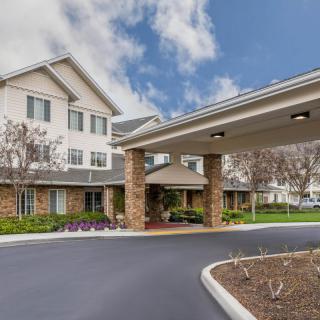
Pacific Pines Angelus Oaks is best suited for families seeking a warm, intimate, home‑like setting where seniors receive attentive daily care and memory‑care support without the feel of a large institutional campus. The community shines for those who want caregivers who form real relationships with residents and for families who value direct access to leadership. The Angelus Oaks location is particularly well suited to seniors who benefit from safety, personal touches, and a living arrangement that feels more like a residence than a facility. The design, individual cabins opening to the outdoors with separate lounge areas, supports a sense of independence within a safe, small‑scale environment. For families navigating memory loss, post‑op recovery, or chemotherapy‑related care, the combination of compassionate caregivers and a responsive ownership team stands out as a defining advantage.
Those who may want to consider alternatives are families seeking a larger, more traditional memory‑care campus with stronger clinical oversight, broader on‑site amenities, or closer proximity to urban hubs and hospitals. The Angelus Oaks setting, while deeply personal, is more remote and residential in character, which may not align with expectations for formal programming or intensive medical staffing. Prospective residents who prioritize a bustling, hospital‑adjacent environment or a wider array of on‑site activities may find other communities more suitable. In short, the unique, small‑scale model here means a different balance of warmth and structure than mass‑market memory care.
The core pros are concrete and compelling. Staff consistently deliver outstanding service, with care teams that go beyond the call to support residents. The ownership presence, leaders who are reachable, responsive, and communicative, translates into clear updates and a visible commitment to each person’s well‑being. The caregivers’ genuine concern is repeatedly described as a hallmark, producing a sense of safety and belonging for residents. The outdoor‑oriented cabin design enhances comfort and privacy, while the memory‑care focus is delivered in a way that feels personalized rather than clinical. Across multiple accounts, families emphasize trust in the staff and confidence that loved ones are treated with dignity and real warmth.
These strengths offset the potential downsides by anchoring care in relationships rather than volume. The intimate setting mitigates the impersonalism that can accompany larger facilities and helps address fears about neglect or miscommunication. The owners’ hands‑on leadership and open lines of communication create a strong feedback loop, letting families feel informed and involved. While the model may present fewer on‑site bells and whistles than bigger campuses, the trade‑off is a more responsive, resident‑centered culture that often translates into steadier routines, quicker problem resolution, and fewer bureaucratic hurdles when needs shift, elements that matter deeply for memory care and post‑acute support.
Evidence from residents and families supports a practical, no‑nonsense conclusion: this is a community where credibility comes from lived experience. The recurring praise for specific staff members, such as those who consistently deliver care with kindness, competence, and attentiveness, paired with testimonials about Nancy and Ramon’s effective communication, signals a consistently high standard of daily care. The emphasis on a calm, safe environment where a loved one can feel at home is not just rhetoric; it is reflected in stories of individuals who found relief in a setting that prioritized compassionate, person‑centered attention. Even the most discerning families can sense that here, the emphasis is on relationship and safety over institutional formality.
For families evaluating options, this community is a strong fit when the priority is heartfelt, individualized care embodied in a small, home‑like environment with direct access to leadership. Tours should focus on caregiver ratios, the dementia‑care approach, and how night coverage works in practice, along with conversations about how outdoor cabins operate across seasons. Those who require a larger campus, more clinical intensity, or a shorter drive to a major hospital may want to explore alternatives. Yet for families that value trusted caregivers, open communication, and a setting that treats residents as part of a close community, Pacific Pines Angelus Oaks stands out as a thoughtful, dependable choice worth pursuing. A lone critical rating suggests approaching with practical questions and a firsthand visit to confirm fit.
 Board and Care Home
 Activities on-site
 Air-conditioning
 Cable or satellite TV
 Devotional services on-site
 Handicap accessible
 Indoor common areas
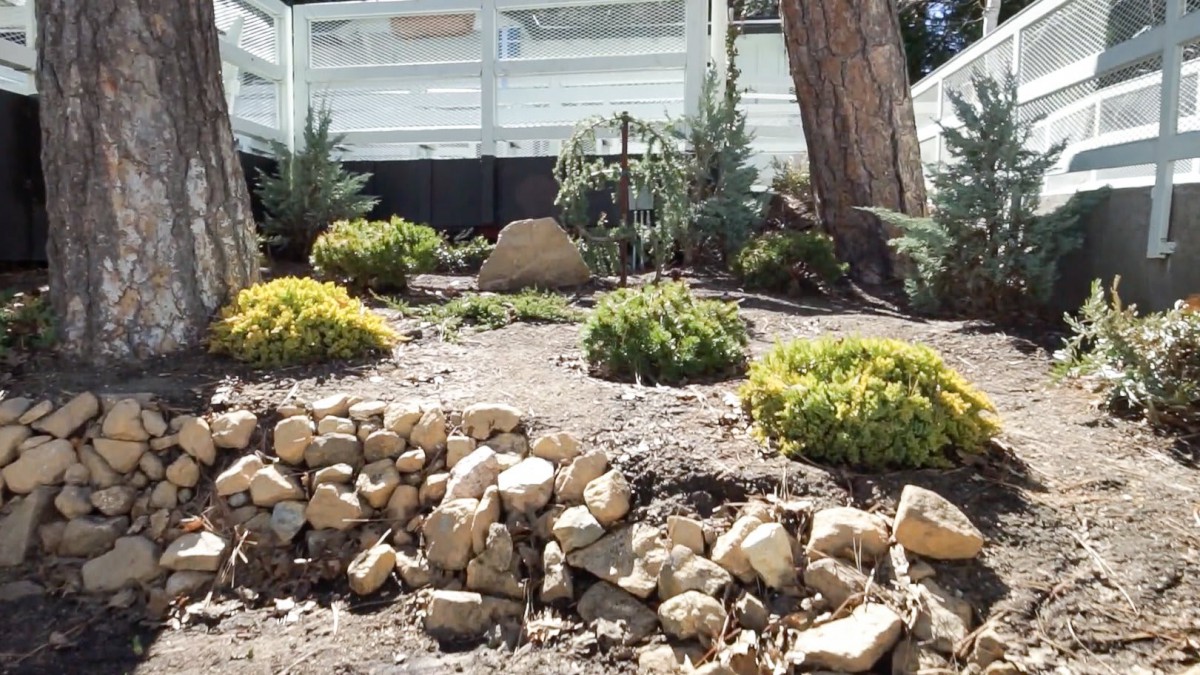
 Outdoor common areas
 Private
 Private bathrooms
 Respite or short term stays offered
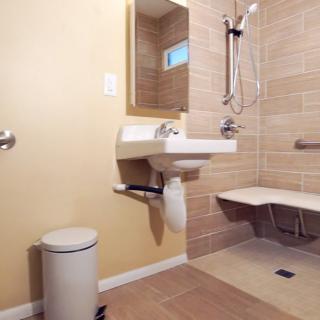
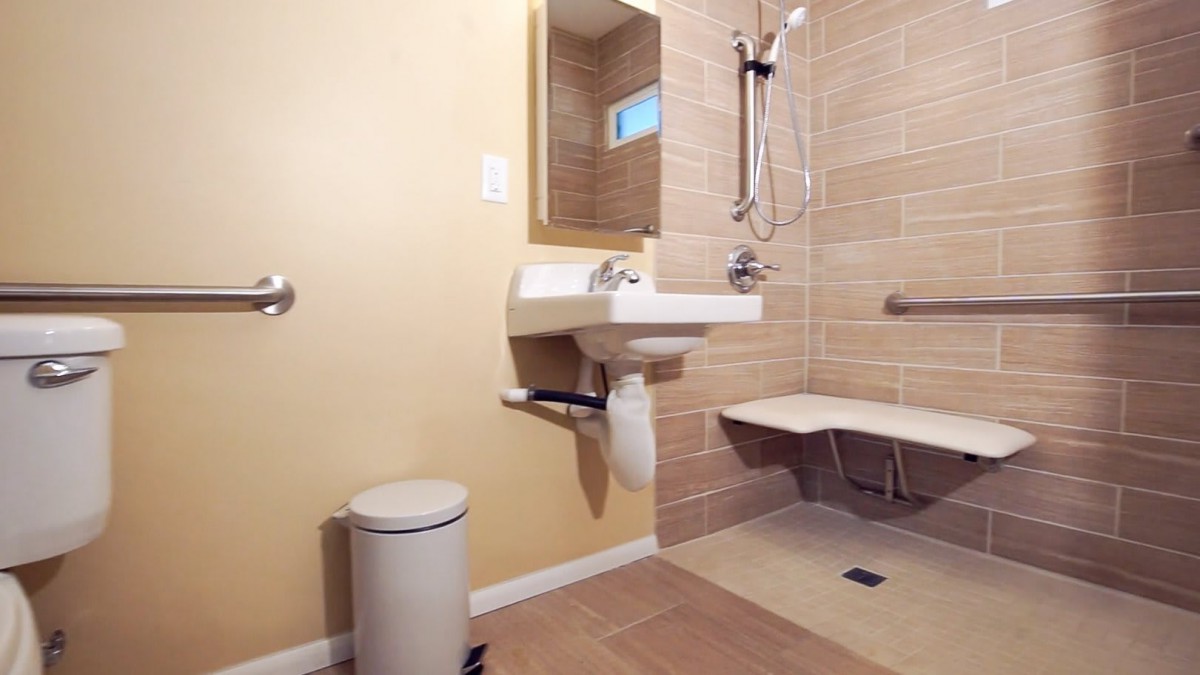
 Wheelchair accessible showers
 Diabetic care
 High acuity care
 Incontinence care
 Medication management
 Low / no sodium
 Art classes
 Birthday parties
 Live musical performances
 Pet-focused programs
 Trivia games
 Visiting chaplain or priest
 Yoga / chair yoga

 Fecal Incontinence in Older Adults: A Comprehensive Guide
 Recognizing the Journey: Understanding and Navigating Anticipatory Grief
 Encouraging Participation in Adult Day Care: A Guide to Supporting a Hesitant Parent