
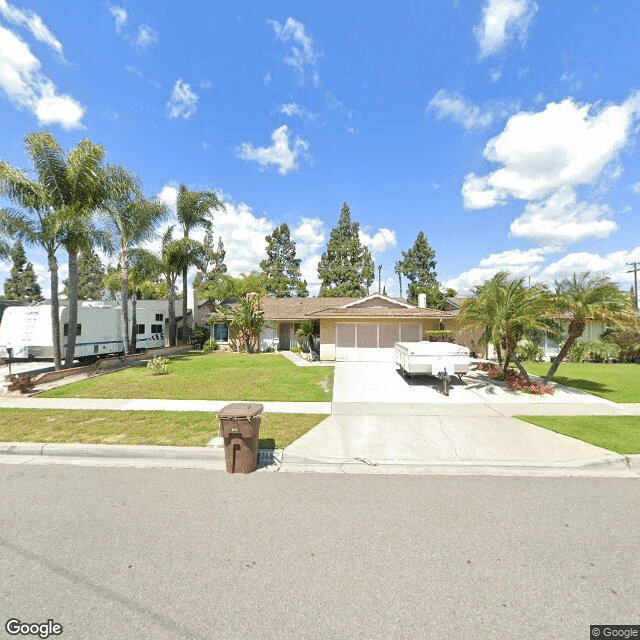
2785 East Diana Street tessjarcia@sbcglobal.net;, Anaheim, CA 92806
To contact a resident: (714) 803-8377
For more information about senior living options: (866) 208-4318
Tess Loving Home Costs & Pricing
Tess Loving Home offers competitive pricing for its accommodation options when compared to both Orange County and the broader state of California. For a semi-private room, Tess Loving Home charges $2,000 per month, significantly lower than the average cost of $3,431 in Orange County and $3,333 statewide. Similarly, its private rooms are priced at $2,500, which is more economical than the $4,104 average in Orange County and notably less than the statewide average of $3,939. This makes Tess Loving Home an appealing choice for those seeking quality care without the burden of excessive costs typically associated with assisted living in these regions.
| Floor plans | Tess Loving Home | Orange County | California |
|---|---|---|---|
| Semi-Private | $2,000 | $3,431 | $3,333 |
| Private | $2,500 | $4,104 | $3,939 |
Senior living communities with a similar price nearby
-
About the same
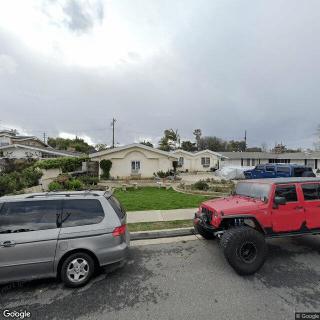
John Villa's Home Care
$2,000 to $3,000 / month11.6 miles away -
from -$200 / mo
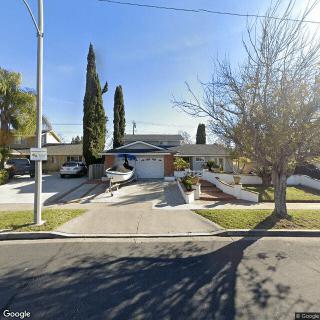
Paradise Residential Senior Care 2
$1,800 / month18.5 miles away -
About the same

Tuscany Senior Living
$2,000 to $2,500 / month17.7 miles away -
About the same
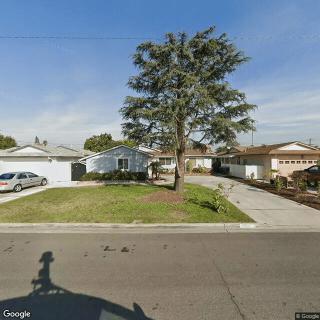
Angel's Care Guest Home
$2,000 to $3,000 / month4.4 miles away -
from +$300 / mo
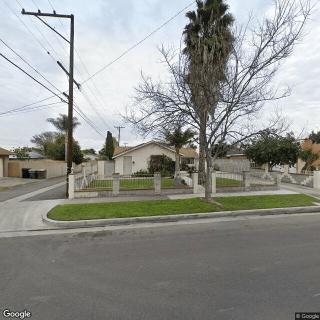
Bronwyn Residential Care
$2,300 to $3,500 / month6.7 miles away
Overall Review of Tess Loving Home
Pros
 The staff at Addie’s Cottage are described as caring, patient, and attentive, treating residents with dignity.
- The facility offers round-the-clock care with 8-hour shifts and dedicated night staff, keeping residents safe and staff rested.
- Meals are homemade, delicious, and tailored to each resident’s nutritional needs.
- The home is consistently clean, bright, and welcoming, with a warm, family-like atmosphere.
- Bob and Ruth are described as having hearts of gold and treating each resident as if they were family.
- The staff-to-resident ratio is strong, and the team knows residents and their families, providing peace of mind.
- Residents are treated with respect and dignity, making Addie’s Cottage feel like home.
- The environment fosters a sense of family, with visits from loved ones encouraged and welcomed.
- Care coordination, including medication management and hospice communication, is described as attentive and collaborative.
- Addie’s Cottage is highly recommended by families seeking a loving, safe home for their loved ones.
Cons
 They found that Addie’s Cottage was not the right type of care for her aunt.
- They express concern about cost, noting a negotiable monthly price and potential affordability issues.
- They indicate the facility is sometimes full, which can hinder accepting new residents.
Review
Best suited for families seeking a warm, home-like setting in Anaheim where residents are known by name and cared for with steady, compassionate attention. This community is especially strong for seniors who value daily companionship, predictable routines, and frequent family involvement. It works well for those who want to stay in a non-institutional environment where meals are homemade, staff take time to get to know individual preferences, and care feels personal rather than procedural. The model rewards residents who thrive on a true sense of community, where visiting feels natural and staff routinely support both residents and their families in a collaborative rhythm of daily life.
Those weighing alternatives should consider how much medical intensity and specialized memory care are truly required. If a loved one needs hospital-grade medical oversight, a locked-memory unit, or extensive on-site therapy programs, a larger facility with dedicated memory or skilled-nursing wings may be a better fit. Availability can be an obstacle in a smaller, intimate setting, and some families encounter waitlists or the need to explore referrals to other providers. Budget predictability is another factor; pricing in smaller homes may be negotiable, but that can introduce variability that complicates long-range planning.
The strongest positives, round-the-clock staffing, high staff-to-resident ratios, and a home atmosphere, directly address core concerns many families have. Night-shift coverage and consistent daytime staffing create a safety net when emergencies arise, especially at night, and the intimate scale means caregivers know each resident’s history, preferences, and subtle health changes. The staff’s personal investment translates to meals tailored to dietary needs, celebrations that honor holidays and birthdays, and a culture where residents are treated with dignity and respect. These elements collectively yield peace of mind that a loved one is seen, heard, and valued every day.
A closely related strength is the facility’s practicality for families: easy visiting, clear communication, and a team that coordinates with hospice and other providers when needed. Clean, bright environments, private rooms, and accessible bathrooms support mobility and independence without sacrificing safety. The small size fosters a sense of belonging, residents aren’t just numbers, they are part of a recognizable “family,” which makes appointments, daily routines, and even social moments feel manageable for relatives who want to stay engaged.
Yet no option is flawless for every situation. The same intimate, family-forward model that attracts many families may not satisfy those requiring expansive on-site amenities, regular on-site therapy, or comprehensive medical programming found in larger campuses. Availability remains a practical constraint, and price can be negotiable rather than fixed, which requires careful budgeting and documentation. For families who cannot participate in caregiving to the extent desired, that reliance on staff is a strength but can also require clear alignment of expectations around med management, activity scheduling, and health monitoring.
In the end, this Anaheim offering represents a compelling choice for households prioritizing warmth, attentiveness, and an inhabitable, home-like daily life. It delivers dependable safety, personalized care, and meaningful engagement through staff who genuinely treat residents like family. For those whose loved one’s needs extend beyond what a small board-and-care can sustain, or whose budget requires a fixed, predictable plan, exploring larger facilities or specialized memory-care communities is wise. The decisive move is to visit, meet the owners and caregivers, review a concrete care plan, inspect meal options, and confirm how medications, doctor visits, and hospice coordination will be handled before making a commitment.
 Board and Care Home
 Private
 Private bathrooms
 John Wayne Orange Co (11 miles away)
 Diabetic care



 Understanding Hospice Care at Home: Comprehensive Services, Key Benefits, and Eligibility
 Understanding the Full Cost of 24/7 In-Home Care: A Detailed Overview
 Exploring the World of Home Health Nurses: Qualifications, Roles, and Hiring Tips