
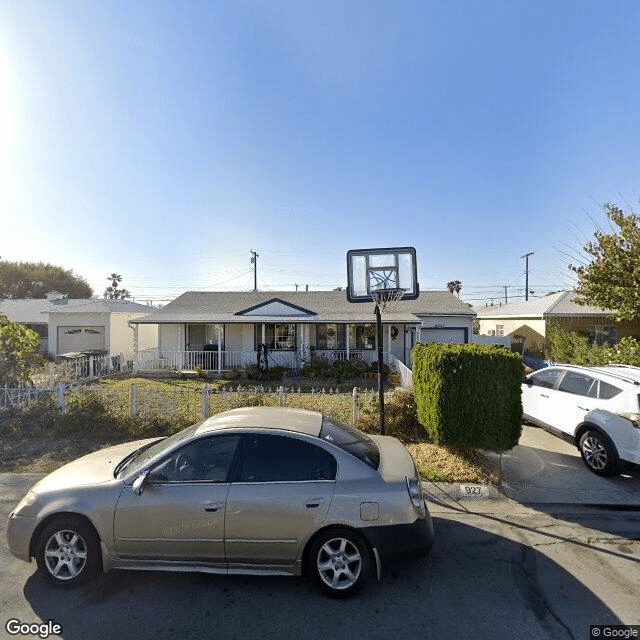
927 N Moro Lane, Anaheim, CA 92801
To contact a resident: (714) 520-3120
For more information about senior living options: (866) 208-4318
Sunny Living Costs & Pricing
Sunny Living offers competitive pricing for its accommodations, particularly when compared to the broader market in Orange County and California. For a semi-private room, Sunny Living's monthly rate is $2,000, significantly more affordable than the county average of $3,431 and the state average of $3,333. Similarly, those opting for a private room at Sunny Living will pay $2,500 per month - again well below both the Orange County average of $4,104 and California's average of $3,939. These cost advantages make Sunny Living an appealing choice for individuals seeking quality care without the burden of excessive expenses.
| Floor plans | Sunny Living | Orange County | California |
|---|---|---|---|
| Semi-Private | $2,000 | $3,431 | $3,333 |
| Private | $2,500 | $4,104 | $3,939 |
Senior living communities with a similar price nearby
-
About the same
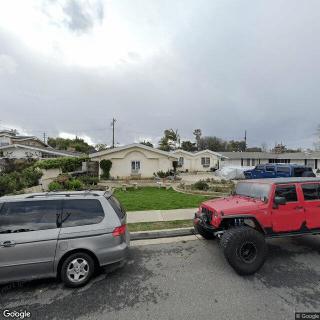
John Villa's Home Care
$2,000 to $3,000 / month12.7 miles away -
from -$200 / mo
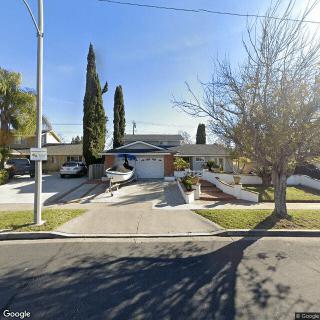
Paradise Residential Senior Care 2
$1,800 / month22.6 miles away -
About the same

Tuscany Senior Living
$2,000 to $2,500 / month22.1 miles away -
About the same
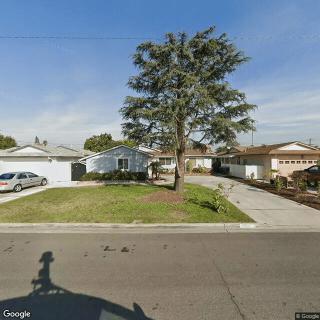
Angel's Care Guest Home
$2,000 to $3,000 / month4.0 miles away -
About the same
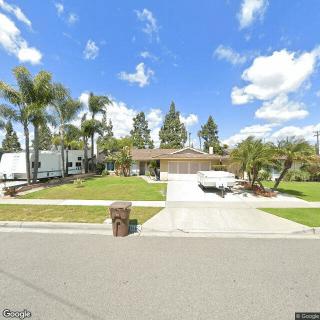
Tess Loving Home
$2,000 to $2,500 / month5.5 miles away
Overall Review of Sunny Living
Pros
 The Illumination Foundation Broadway location has been repurposed to support public health as a COVID-19 testing facility.
- It now provides COVID-19 testing and quarantine services to the community.
- This change is a positive development for public health in the area.
- The site functions as a dedicated COVID-19 testing and quarantine facility, aiding timely care.
Cons
 The Broadway location is described as shady with a confrontational staff member, and the reviewer urges others to stay away.
- The reviewer feels treated like a prisoner and unable to obtain Covid treatment or supplies, and condemns The Salvation Army as an awful place to avoid, urging people not to donate.
Review
Sunny Living in Anaheim is best suited for seniors who want simple, affordable housing and can tolerate a lean operating model with limited on-site caregiving. It is not a fit for residents who rely on regular medical oversight, constant assistance, or a consistently responsive, respectful staff culture. Families with higher expectations for transparency and accountability should consider alternatives. The available feedback suggests this community attracts residents who can advocate for themselves or depend on outside support, rather than relying on the facility for comprehensive care. In practical terms, Sunny Living appears appropriate only for those who minimize dependence on in-house services.
Across the provided reviews, several red flags stand out. A confrontational staff posture, perceptions of coercion or restrictions, and residents describing a sense of being treated more like detainees than clients raise serious concerns about day-to-day safety and dignity. Complaints about difficulty obtaining basic supplies or timely information further erode trust in the operation. Even when viewed individually, these themes point to an environment where residents must be vigilant and ready to push back or escalate issues. For families seeking a warm, resident-centered atmosphere with proactive problem-solving, these signals are a compelling warning.
Pros and cons, as reflected in the feedback, are unbalanced in favor of risk. There are no clearly positive, offsetting experiences documented in the reviews, no reliable reports of consistent caregiving, engaging programming, or dependable communication. The few potential advantages that might be imagined, such as lower overhead or basic lodging, do not translate into credible, meaningful positives. The principal drawbacks, staff demeanor, autonomy restrictions, and governance or safety concerns, far outweigh any vague upside. Practically, this reduces confidence in Sunny Living delivering the essential comfort, security, and partnership families expect in a senior living setting.
Who should seriously consider alternatives? Any family prioritizing a culture of respect, predictable caregiving, and transparent operations should widen the search. Look for facilities with visible, adequately staffed caregiving teams, clear, written care plans, open channels for family communication, and a structured mechanism for resident feedback and issue resolution. If the goal is meaningful daily engagement, reliable medical oversight, and a collaborative relationship with families, other communities are more likely to meet those needs. For those committed to staying in Anaheim, prefer places with positive recent experiences, stronger staffing ratios, and documented success in resolving resident concerns.
A thorough due-diligence plan is essential. Schedule tours that probe governance and daily care, not just amenities. Request staff training records, safety protocols, and concrete examples of how grievances have been handled. Speak with current residents or families and verify licensing history. Inspect meal service, medication handling, accessibility, and how emergencies are managed. Clarify pricing, what’s included, and any penalties for leaving early. Insist on a trial period with explicit milestones and exit terms if the environment does not meet expectations. Documented evidence during this phase is the best predictor of long-term satisfaction.
In the end, Sunny Living should be approached with a clear, transaction-minded lens: it is not inherently unsuitable, but the decision hinges on verified, positive experiences rather than fear of missing out. If care needs are modest and a resident can thrive with limited in-house support, and if affordability is a decisive factor, a cautious, time-bound evaluation may be warranted. Otherwise, the prudent move is to pursue alternatives that demonstrate consistent caregiving quality, respectful staff interactions, and transparent governance. The aim is a placement that delivers dignity, safety, and dependable support, not hope tempered by unresolved concerns.
 Board and Care Home
 Activities off-site
 Beautician on-site
 Devotional services off-site
 Indoor common areas
 Outdoor common areas
 Private
 Private bathrooms
 Respite or short term stays offered
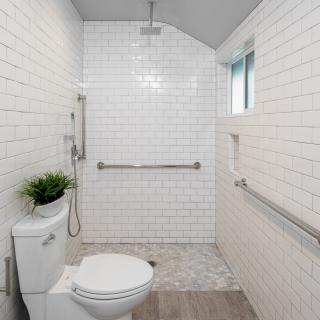
 Wheelchair accessible showers
 Long Beach (Daugherty) (11 miles away)
 Ambulatory care
 High acuity care
 Incontinence care
 Meals provided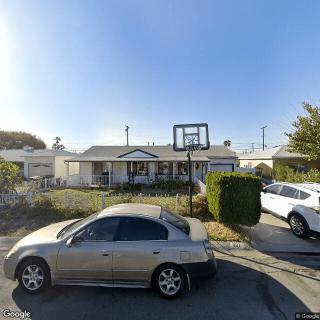



 A Detailed Exploration of Living Wills and Advance Directives
 Comprehensive Guide to Medicare Coverage for Hospice Care
 Caring for Those Who Care: Recognizing, Understanding, and Overcoming Caregiver Burnout