
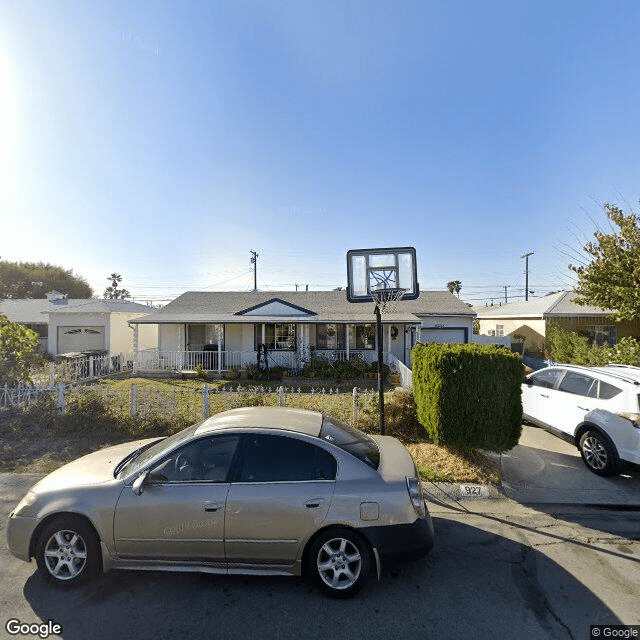
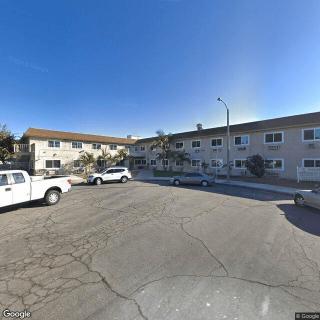
927 N Moro Ln, Anaheim, CA 92801
To contact a resident: (714) 520-3120
For more information about senior living options: (866) 208-4318
Overall Review of Sister Dominique Care Home
Pros
 Blessings Senior Care provides a welcoming, home-like environment where residents feel safe and comfortable.
- The staff go above and beyond, communicating with families and addressing medical needs.
- Residents receive personalized care, home-cooked meals, and a peaceful, non-institutional setting.
- Blessings is a beacon of hope and comfort for families, offering peace of mind.
- The team treats residents with care, dignity, and respect, as if they were family.
- The owner sets a positive tone that translates into professional, compassionate care.
- The facilities are clean, well-maintained, and attractively decorated.
- Families describe Blessings as warm, empathetic, and consistently attentive.
Cons
 The old owner was nasty.
 - They could have used another helper at night to assist guests to the bathroom.
Review
This type of community is best suited for families seeking a warm, home-like atmosphere where seniors receive highly personalized, hands-on care. The strongest fit is for residents who prosper in an intimate, non-institutional setting where staff know each resident well, communicate consistently with families, and tailor routines around individual preferences. It is particularly well matched to seniors with memory-care needs who benefit from a quiet, comforting environment, home-cooked meals, and caregivers who treat residents like family. When dignity, warmth, and dependable day-to-day presence trump big-campus amenities, this setting stands out as a reassuring home base for lasting care.
Caregivers should also recognize who may want to consider alternatives. For residents requiring robust medical oversight or 24/7 nursing on-site a large, clinical environment may be a better fit. Families striving for a highly structured activity calendar, a broad social universe, or extensive on-site therapy programs may find a smaller RCFE less aligned with those expectations. Additionally, potential changes in ownership can influence consistency of care or staffing rhythms, so families who want unwavering continuity should probe how leadership stability translates into day-to-day operations. Nighttime staffing and rapid access to advanced clinical support are other practical questions to confirm before committing.
The core strengths, personalized attention, hospital-like cleanliness, and a genuine sense of being cared for, strongly offset the evident trade-offs of a smaller facility. Reviews consistently highlight staff who communicate well with families, caregivers who remember residents’ histories, and a home atmosphere that reduces anxiety about transitions. When a residence blends meticulous hygiene with a décor and floor plan conducive to safe mobility, the result is not just comfort but predictable routines and fewer unsettling changes for a resident adjusting to new surroundings. These pro“family vibes” can be the decisive factor for families weighing comfort against the limitations of a smaller footprint.
Equally persuasive is the emphasis on meals, cleanliness, and daily dignity. The consistent praise for home-style cooking, clean premises, and attention to personal grooming demonstrates a holistic approach to well-being that extends beyond medical tasks. For memory-care residents, the peace that comes from a quiet, familiar setting, predictable mealtimes, and caregivers who talk with rather than at residents translates into fewer behavioral challenges and better mood stability. The leadership tone, where the owner’s example sets a constructive, respectful climate, creates a cascade of professional, compassionate care that families value when they are not present.
A notable thread across multiple reviews is the sense that the facility becomes part of the family story. Families repeatedly describe staff as compassionate, patient, and responsive to both residents and visiting loved ones. The ability to accommodate personal belongings, maintain a respectful pace, and celebrate small victories, haircuts, favorite foods, or a familiar deck view, matters deeply when the goal is ongoing comfort during aging and, in some cases, end-of-life care. These elements matter almost as much as clinical care because they shape the resident’s dignity, the family’s confidence, and the overall quality of daily life.
In the end, the decision hinges on what matters most: intimate, human-scale care with transparent communication versus broader institutional resource availability. If the priority is a home-like setting with highly attentive staff, strong family involvement, and a focus on memory-supportive routines, this category of community is hard to beat in Anaheim. If instead a family needs a facility with larger grounds, broader programming, or more intensive clinical services around the clock, explore alternatives and verify exact staffing models, ownership stability, and overnight coverage before deciding. When visiting Sister Dominique Care Home, use these lenses: observe how the staff talk with residents, test the meal quality and consistency, assess the cleanliness and safety of common areas, and confirm night-shift coverage and access to medical backup. The right choice will feel like a trusted extension of the family, with a clear plan for warmth, dignity, and dependable care.
 Board and Care Home
 Long Beach (Daugherty) (11 miles away)

 Understanding the Sandwich Generation: Stress and Responsibilities for Multigenerational Caregivers
 8 Essential Assistive Devices for Older Adults
 Navigating the Financial Road to Nursing Home Care: In-Depth Guidance and Resources