
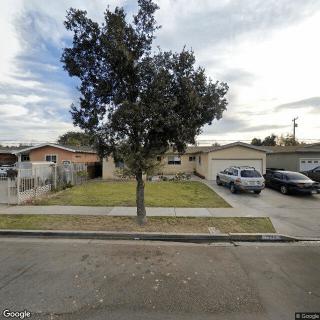
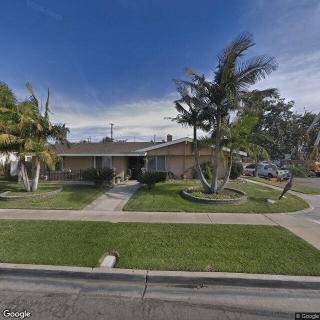
1023 North Whittier Street, Anaheim, CA 92806
For more information about senior living options: (866) 208-4318
Overall Review of John 316 Residence Care
Pros
 The staff provide loving, patient, and dignified end-of-life care.
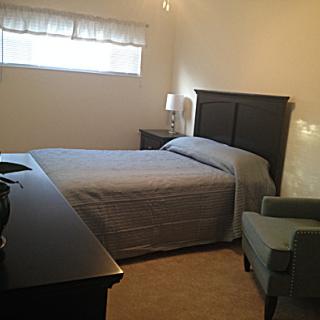
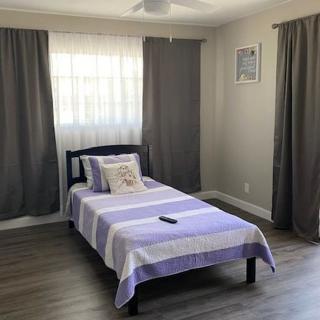
- The home feels clean, warm, peaceful, and like a true family environment.
- Residents are treated with dignity, respect, and kindness every day.
- Families are kept informed and welcome to visit and participate in care, with open communication.
- The care team goes above and beyond to ensure comfort and health, building trust and peace of mind.
- The facility is well-managed, clean, and serene, giving families confidence in the care.
- The leadership is knowledgeable, hands-on, and fosters open communication.
- The environment is charming and uplifting, with a friendly, supportive staff.
Cons
 They note that this was not the first care facility their loved one had been at, and that many things you will not know until they are already living there, making it a long haul.
- They warn that there are unknowns in end-of-life care that only become apparent after placement, hinting at a challenging path ahead.
Review
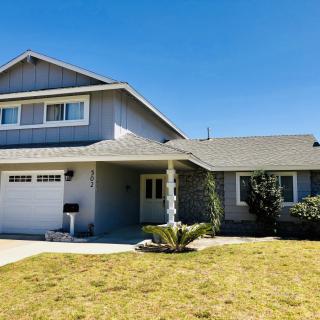
John 316 Residence Care in Anaheim is best suited for families seeking a small, home-like setting where dementia care and end-of-life support are delivered with intimate, hands-on attention. The community shines for residents who benefit from a peaceful, well-kept, homelike environment and for families who want consistent, compassionate engagement from staff. The impression across reviews is clear: this is a place where care feels personal, where residents are treated with dignity, and where leadership is visible, experienced, and accessible to families seeking guidance and reassurance in difficult moments.
Those weighing alternatives should consider facilities that operate at a larger scale with more formal clinical programs. A hospital-like campus with more on-site medical staffing, broader specialty services, and a broader continuum of care on one campus can be appealing to families with complex medical needs or those who require highly structured routines and extensive therapy options. If the priority is robust clinical infrastructure and a wide array of on-site services, a larger memory-care or assisted-living campus may be a better fit than a smaller home-style setting.
The strongest pros at John 316 Residence Care center on the human elements that matter most in dementia and end-of-life scenarios. The environment is consistently described as clean, welcoming, and serene, reinforcing a sense of peace for residents and their families. Staff are repeatedly characterized as patient, attentive, and genuinely kind, with care teams that treat residents like family. Leadership appears highly accessible and proactive, Daniel and the team are noted for collaboration, knowledge, and hands-on involvement, providing families with confidence that changes in condition or needs will be noticed and addressed promptly. Regular communication with families is a standout strength, keeping relatives informed and engaged without having to chase updates.
The main, practical trade-off for choosing this intimate setting is the smaller clinical footprint. Some families may worry about whether a home-based operation can sustain the same level of medical oversight and rapid escalation of care that larger campuses promise. Yet the reviews repeatedly show that these concerns are mitigated by a capable, cohesive caregiver team, strong in-house coordination, and a culture of open, ongoing communication. The care model emphasizes humane, individualized attention and timely updates, which often offsets potential gaps with measurable peace of mind, especially for families navigating dementia progression or end-of-life decisions.
Another compelling strength is the sense of community created by staff and even the home’s ambiance. Families report seeing residents engaged in meaningful activities, forming bonds with caregivers and fellow residents, and experiencing a consistent, heart-forward approach to daily life. This environment, not merely a place to reside but a setting that fosters dignity and belonging, helps families relax their vigilance enough to focus on quality time with their loved ones. The presence of a small, personable team that remains reachable, coupled with a warm, energy-rich atmosphere (even noting the presence of a friendly dog), amplifies the feeling of being cared for in a genuine, sustainable way.
For families evaluating options, a pragmatic approach is essential: verify staffing ratios and the availability of on-site medical oversight, ask about individualized care plans, and request a clear communications cadence. Observe how the leadership responds to changes in condition and how family input is integrated into care decisions. If the goal is to coexist with a care team that feels like family, delivers consistent updates, and prioritizes comfort and humanity in the late stages of life, John 316 Residence Care stands out as a proven choice. If, instead, the priority is expansive clinical services, larger-scale amenities, or a broader spectrum of on-site medical specialties, alternatives with a more institutional footprint may be worth comparing.
 6 resident community capacity
 Assisted Living
 Board and Care Home
 Cable or satellite TV
 Dining room
 Fully furnished
 Garden
 Housekeeping services
 Move-in coordination
 Outdoor space
 Telephone
 Wi-Fi/high-speed internet available
 John Wayne Orange Co (12 miles away)
 24-hour supervision
 Activities of daily living assistance
 Assistance with bathing
 Assistance with dressing
 Assistance with transfers
 Diabetes diet
 Meal preparation and service
 Medication management
 Special dietary restrictions
 Transportation arrangement (medical)
 Transportation to doctors appointments

 Comprehensive Supportive Living Arrangements for Adults with Disabilities
 Funding and Affording Assisted Living: A Thorough Overview
 Assisted Living Expenses and Long-Term Care Insurance: A Comprehensive Exploration